Tag Archives: Russia

Impressions of Lviv, Ukraine in Summer 2026

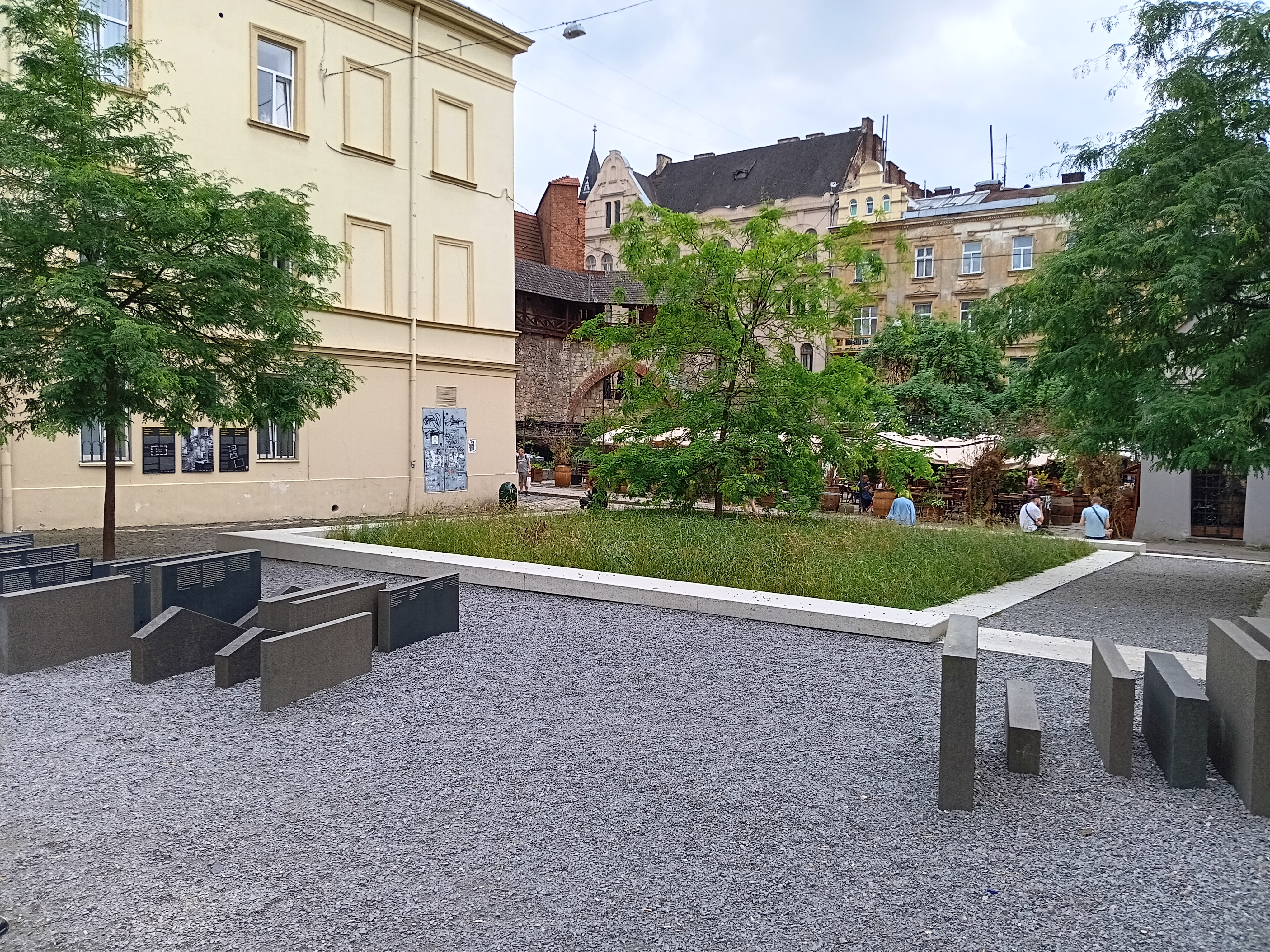
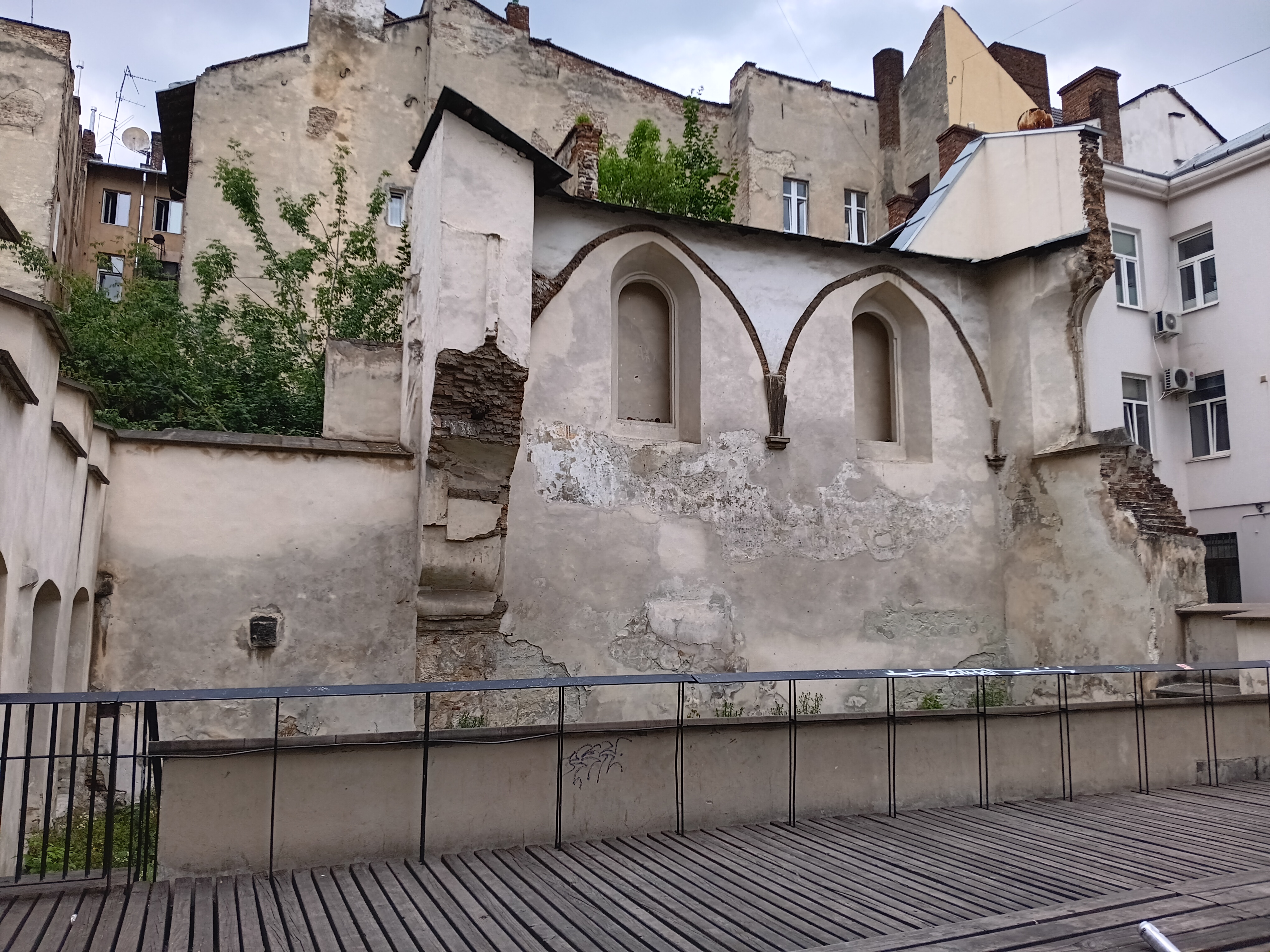
I just returned from Lviv after 3 weeks. This European city of 700,000 in Galicia contains an amazing tapestry of people, culture, and history. Churches are filled to the brim by believers of the Greek Catholic, Roman Catholic, Armenian Catholic, and Ukrainian Orthodox faith churches. Synagogues survived as ruins while its people vanished. People of all ages pray for peace, tranquility, and life.
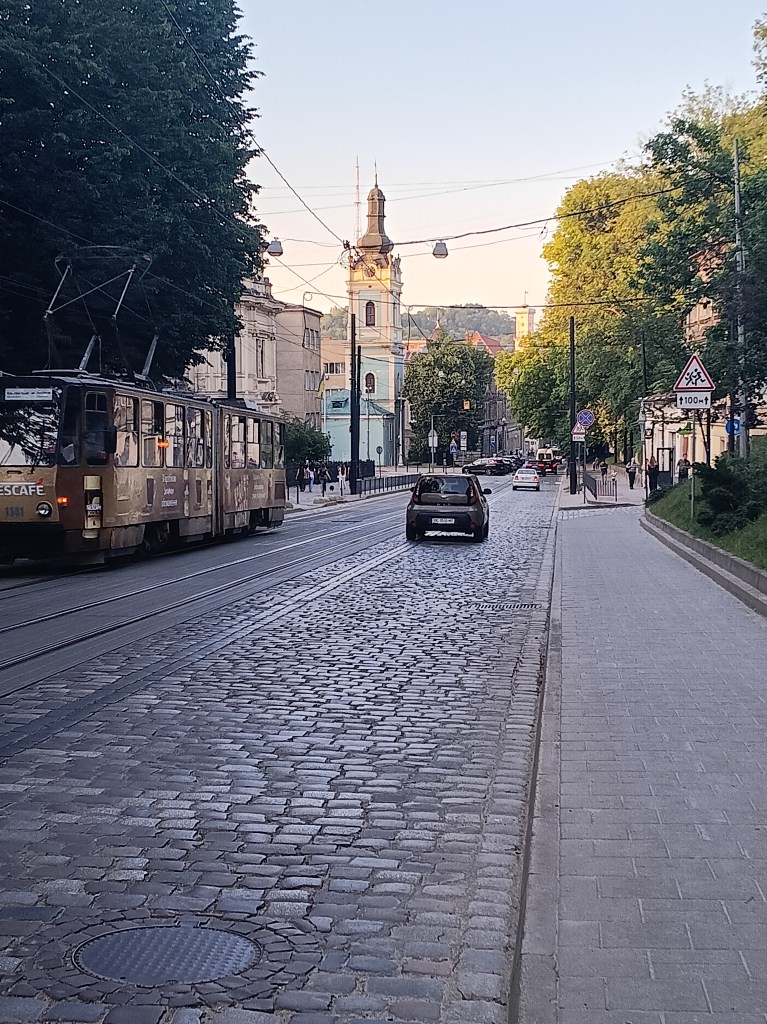
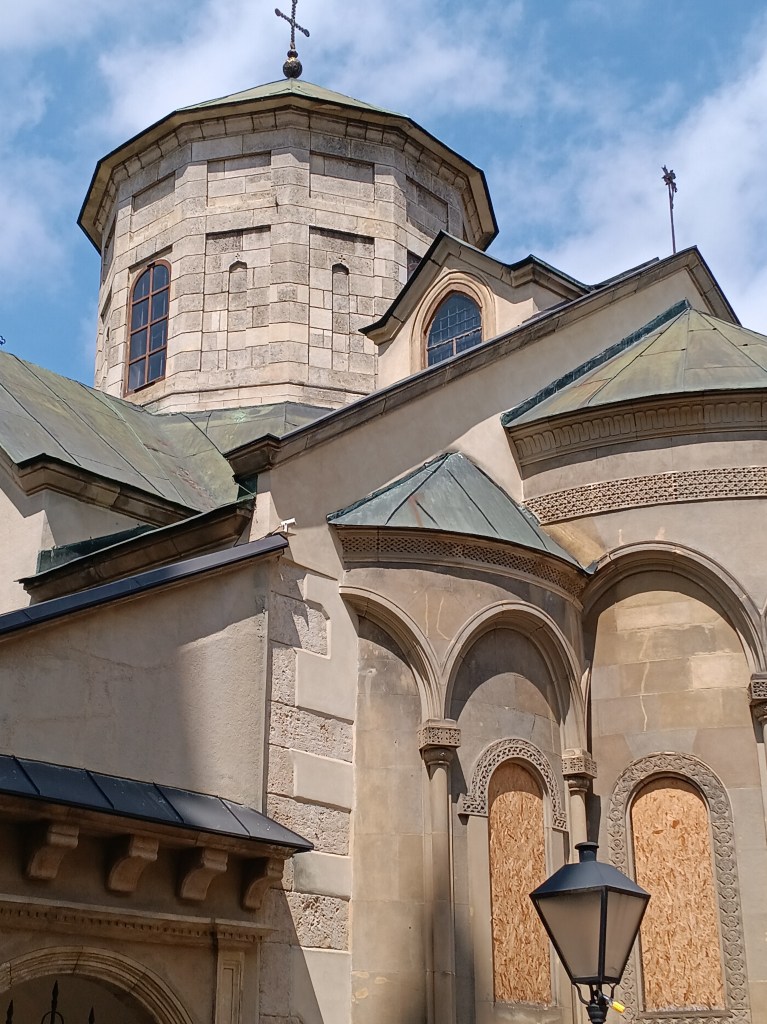
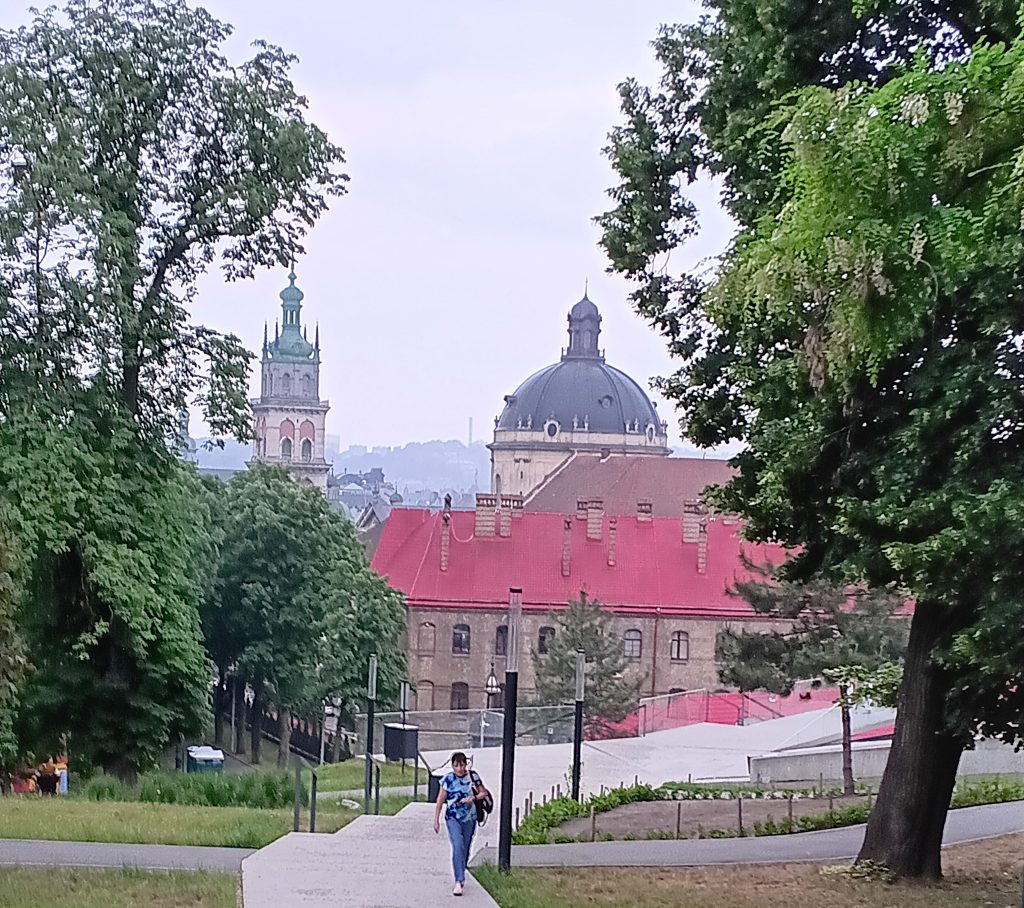
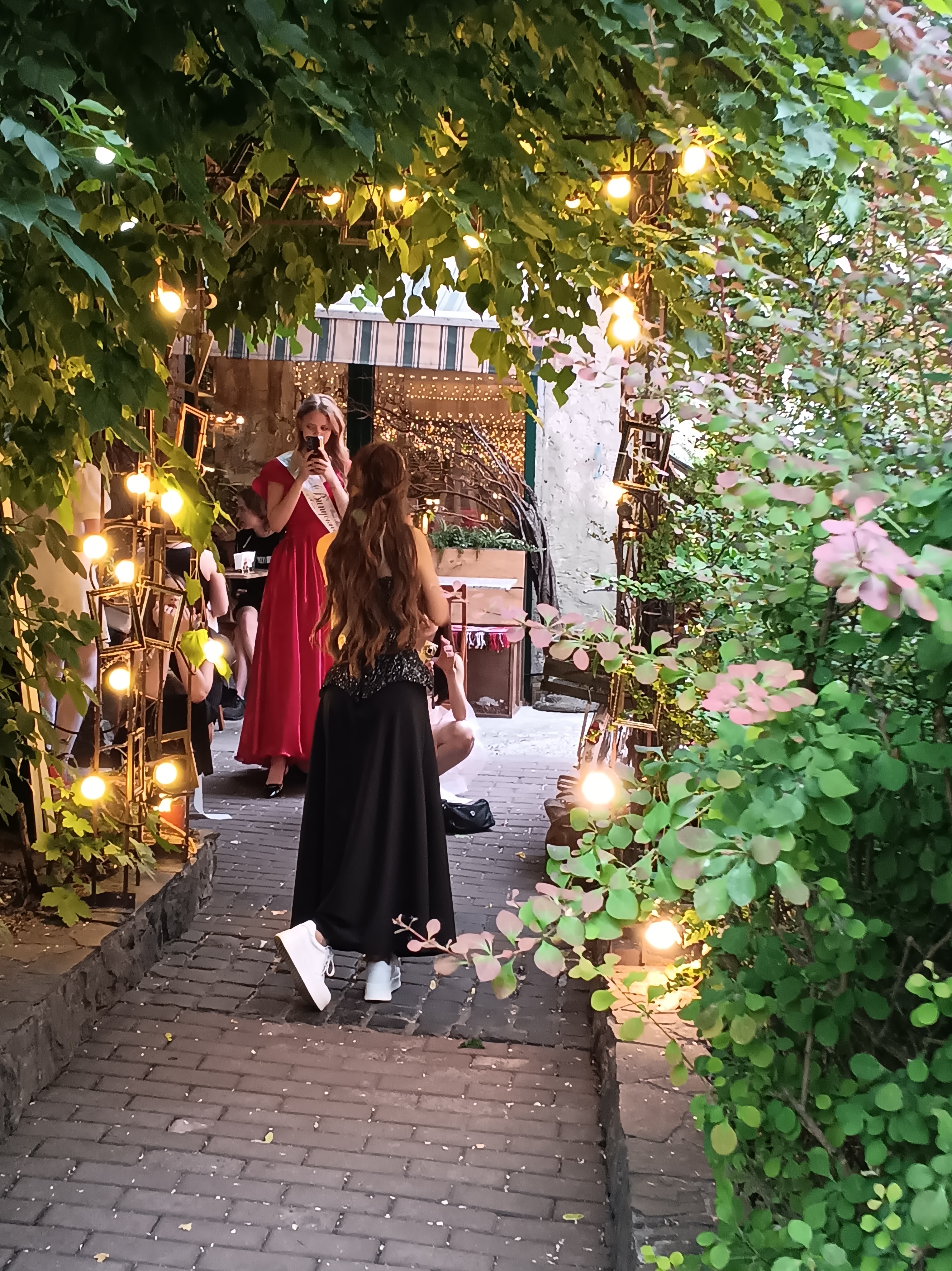
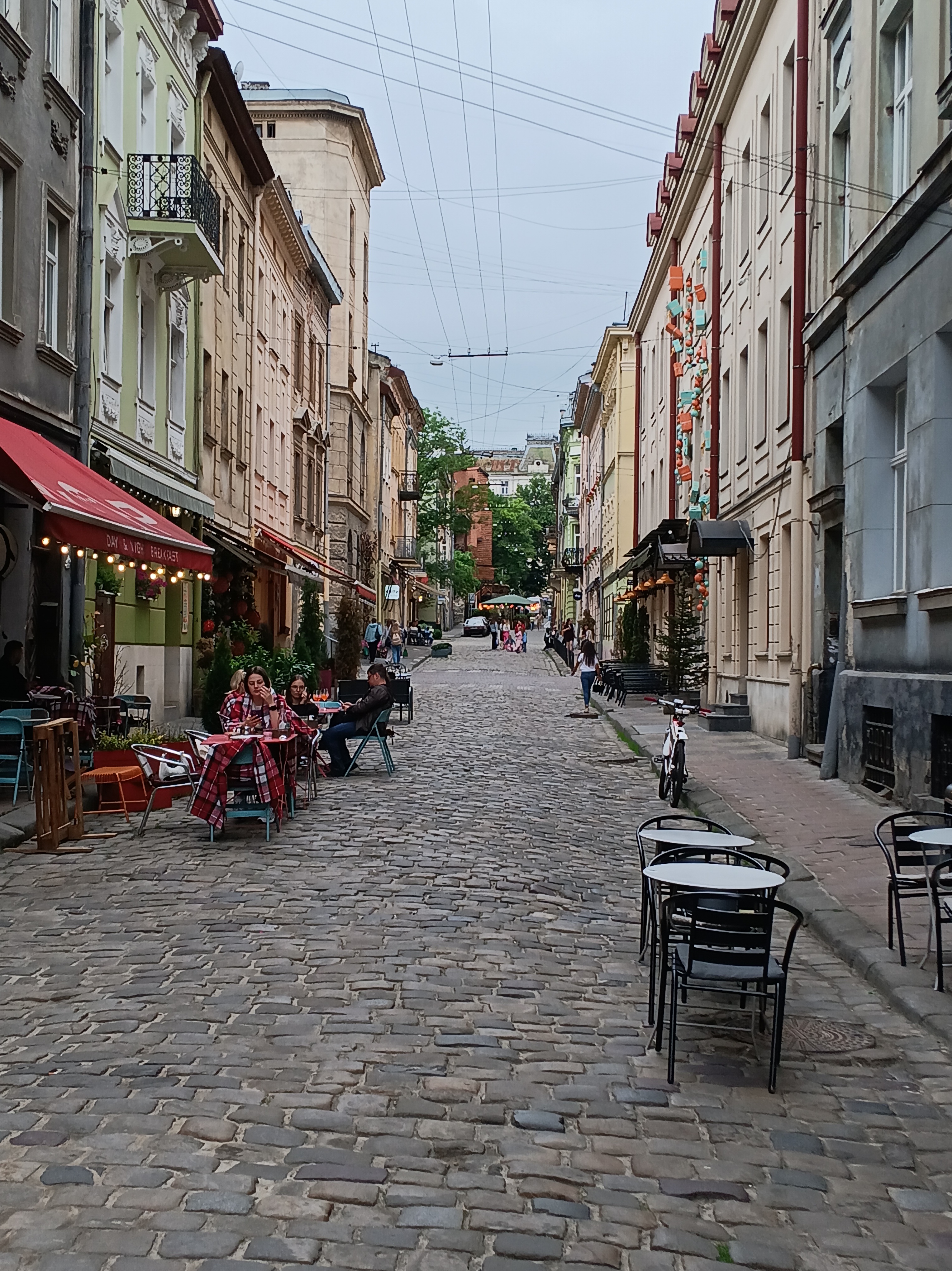
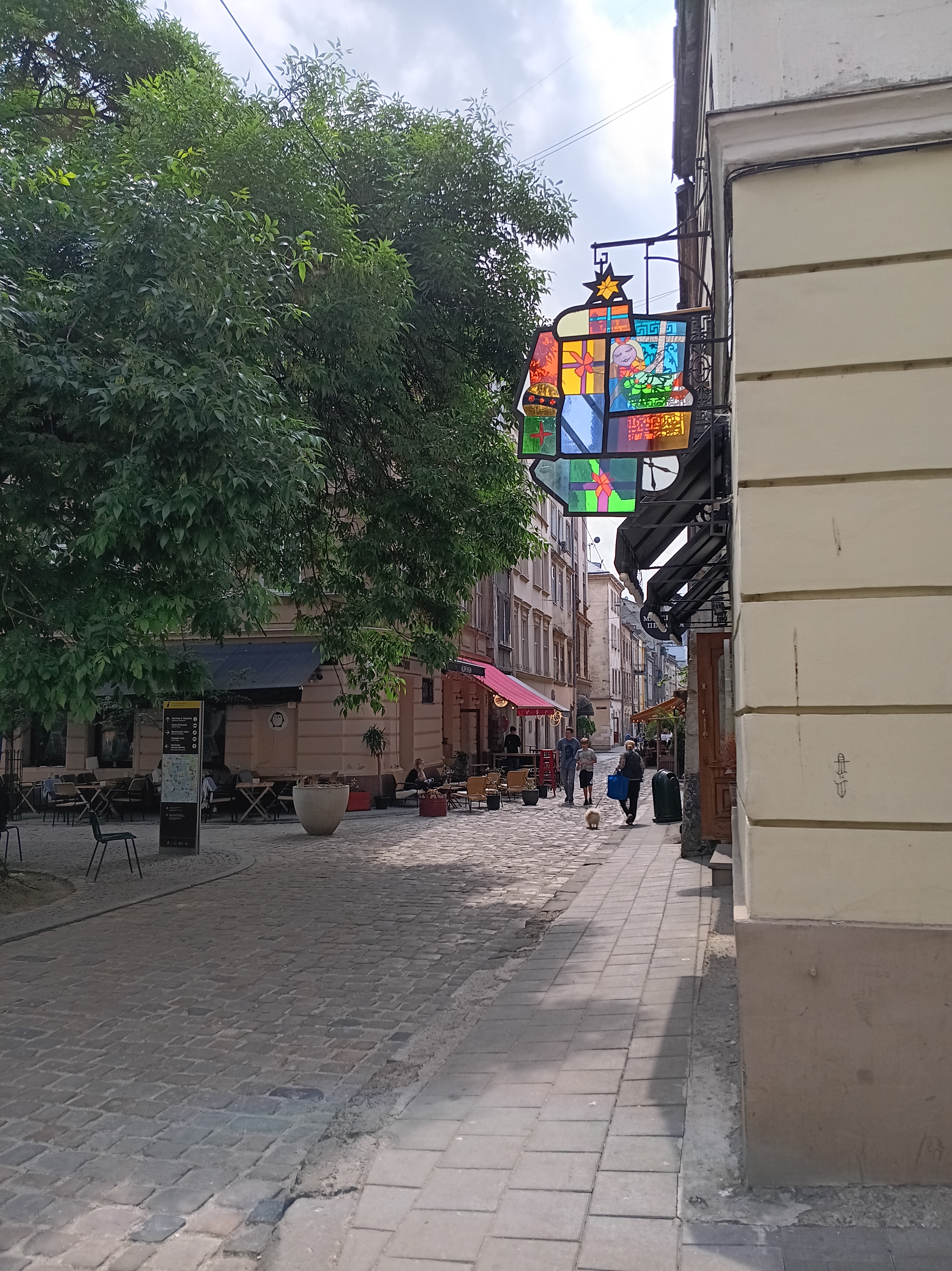
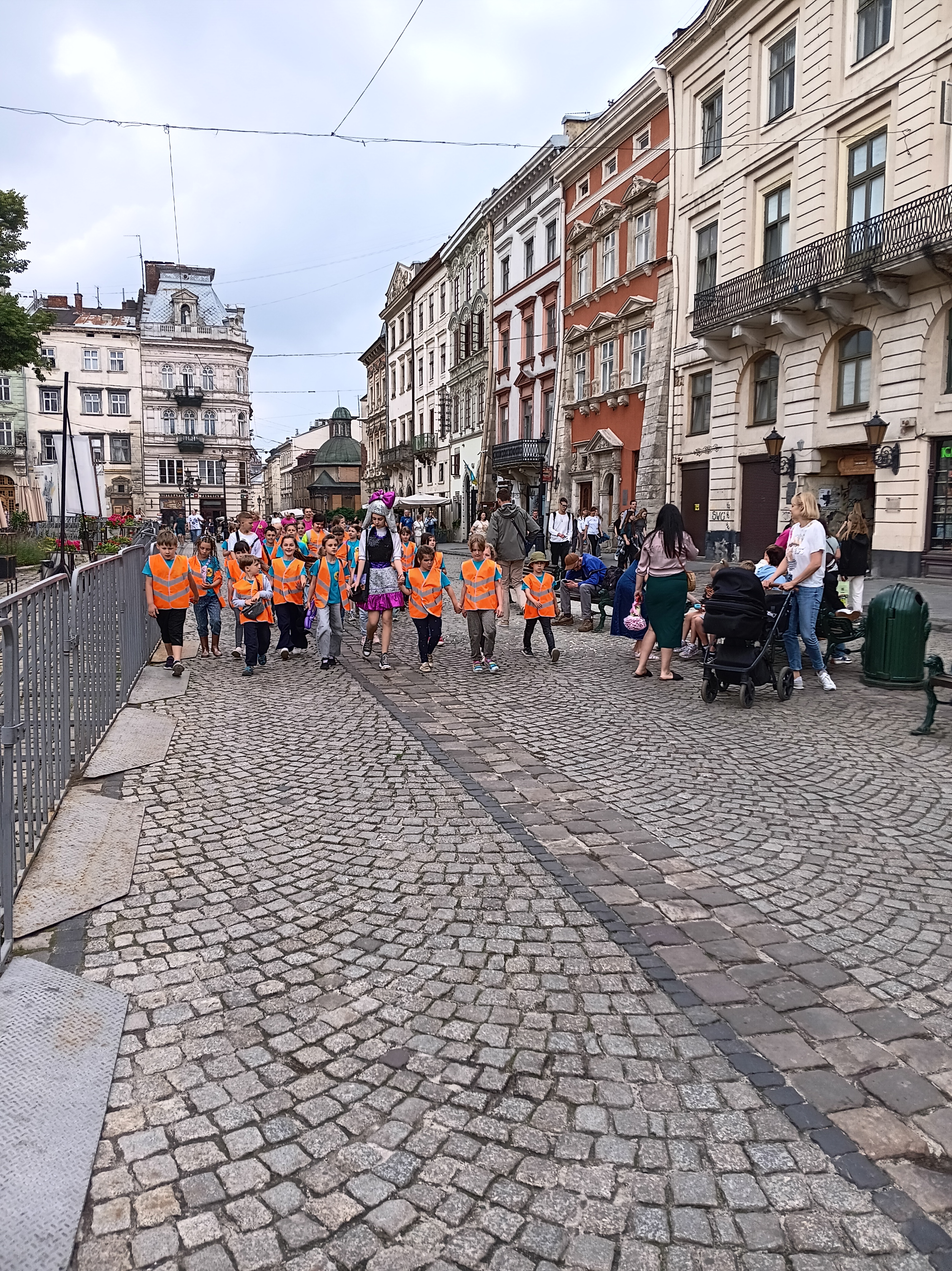
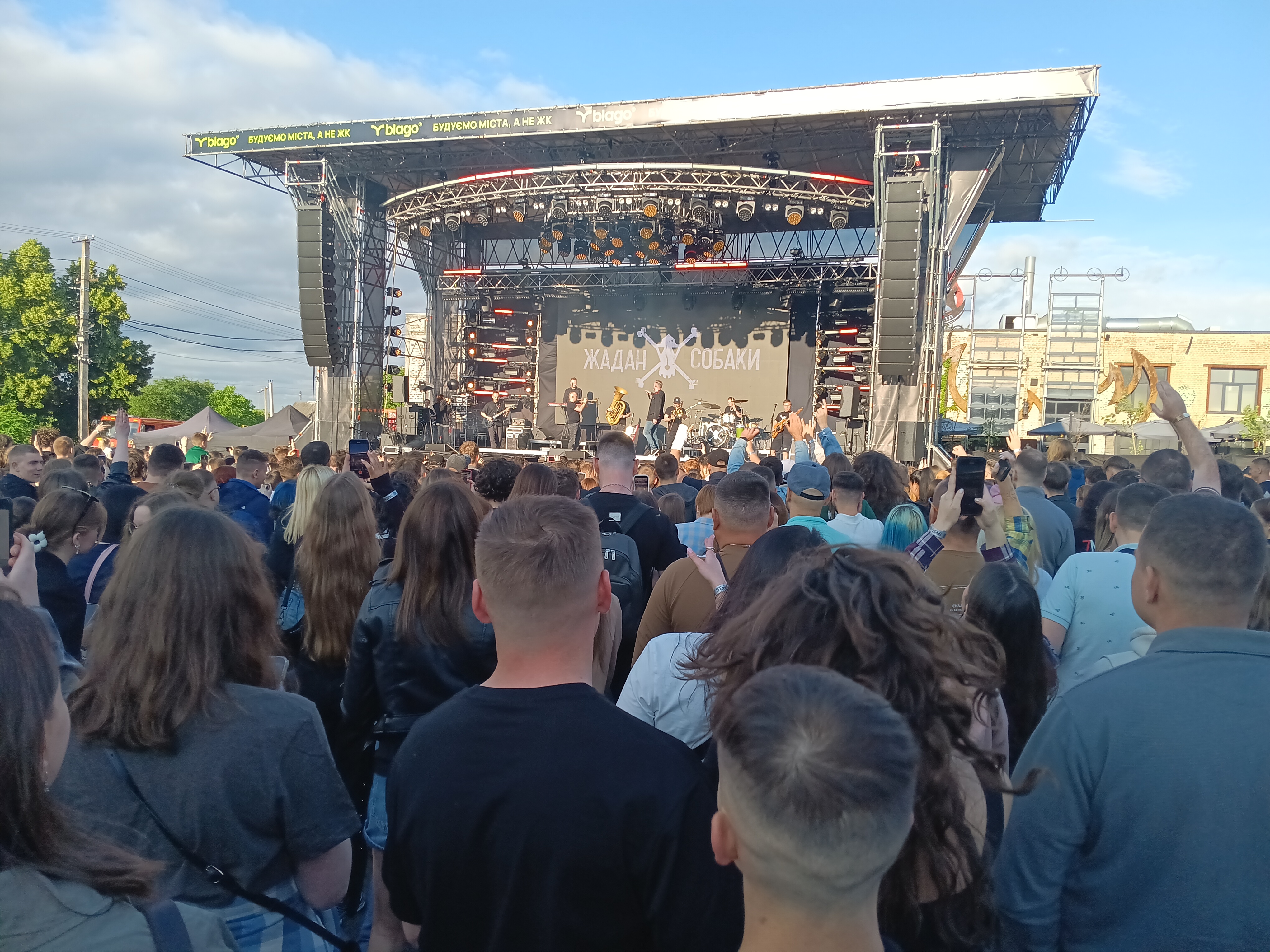
Russia invaded Ukraine first in 2014 and fully in 2022. The current war is easy to miss in Lviv, because at the surface life appears normal with vibrant street life. Cafes, restaurants, parties, street vendors, bars, theatres, museums, concert halls, and universities are all open and full of joyous people. Traffic, too, appears normal with trams, buses, cars, electric scooters, and pedestrians all competing for space on the cobblestoned streets. Roses bloom, strawberries and dill grow in gardens, and school children march with teacher through the Old Town from museum to school and back via busy water fountains along boulevards. Thousands come together for Open-Air rock concerts such as Zhadan i Sobaky (Ukrainian: Жадан і собаки). It is one of my favorite music groups these days who performed in Lviv 2 weeks ago when I saw them at the Rebernya. Awesome horn section …
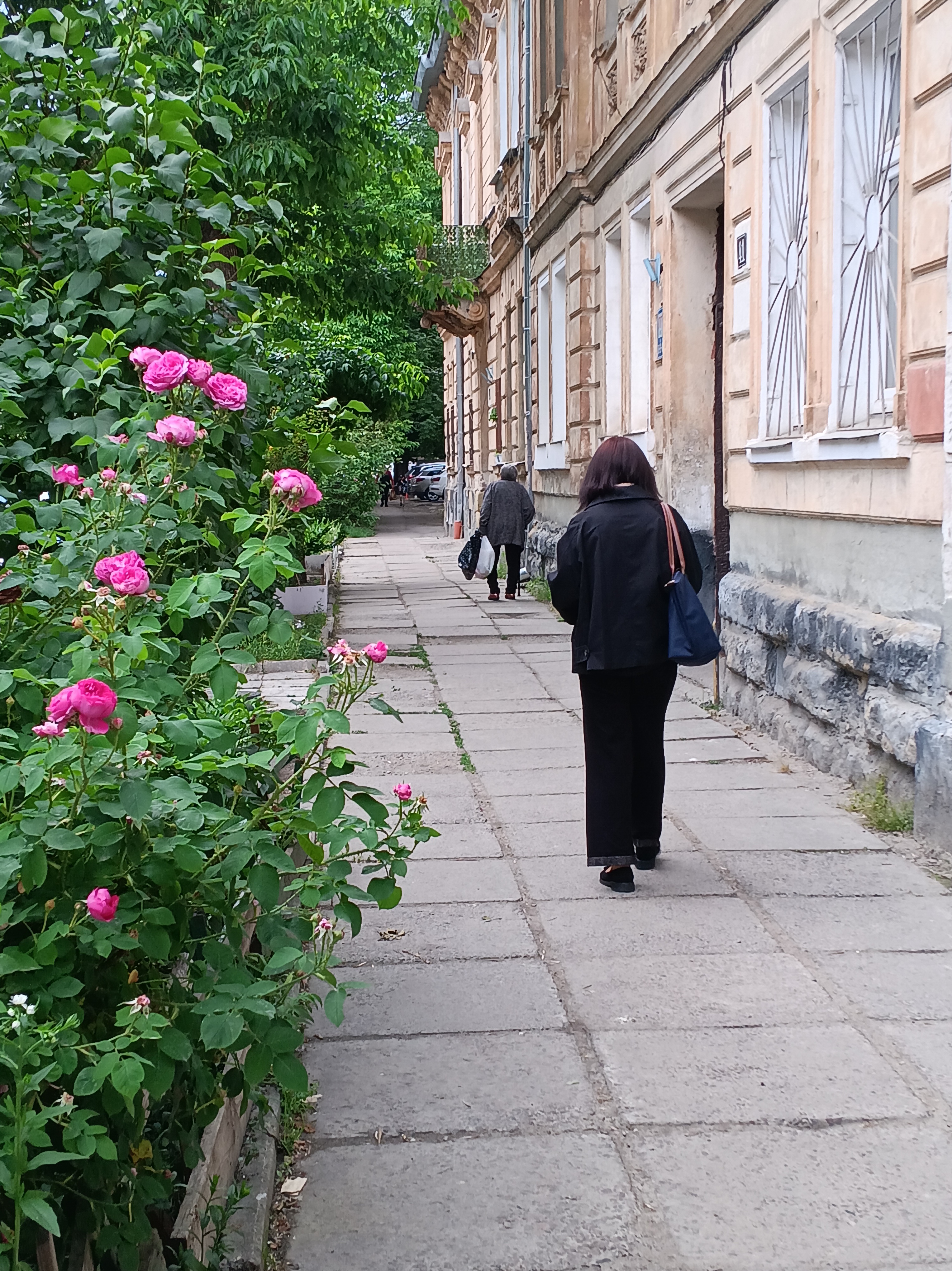
A closer look and knowledge of current events, however, reveals the war every hour of every day. Random mutilation or death by Russian drone, missile, or fire is unlikely in Lviv, but it happens and one never knows when. Air raids occur many days or more accurately nights. Public alarms systems warn of arial explosives heading towards Lviv. Ignoring the alarms, people effectively play Russian Roulette. The nightly terror affects millions while killing, drip, drip, drip, 3-5 people every nights somewhere in Ukraine. Sometimes a ballistic missile annihilates an appartment complex and 20 people die while 50 survive. Russians also like double-tap attackes to kill the rescue workers in a second attack of the same place. It is a war crime, but what’s new? It is what Russia does to project “strength.” The goal is to make life painful and unlivable. Hence public resistance is expressed by attending concerts, bars, restaurants, museums, or playing chess on benches along boulevards, or skateboarding in urban parks and playgrounds, or hiking weekends in the mountains. Live and enjoy life to the fullest as you never know when it all may end.

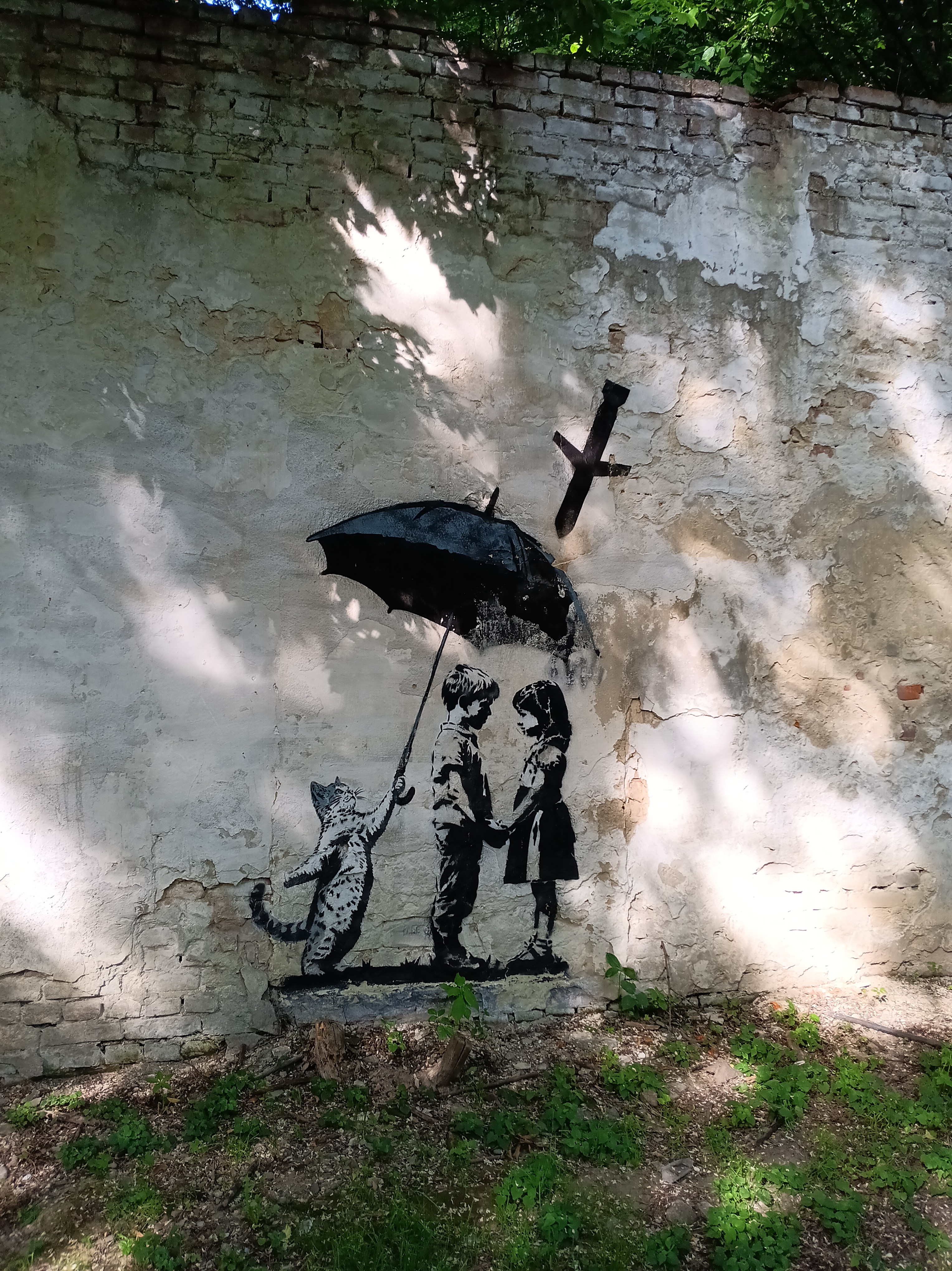
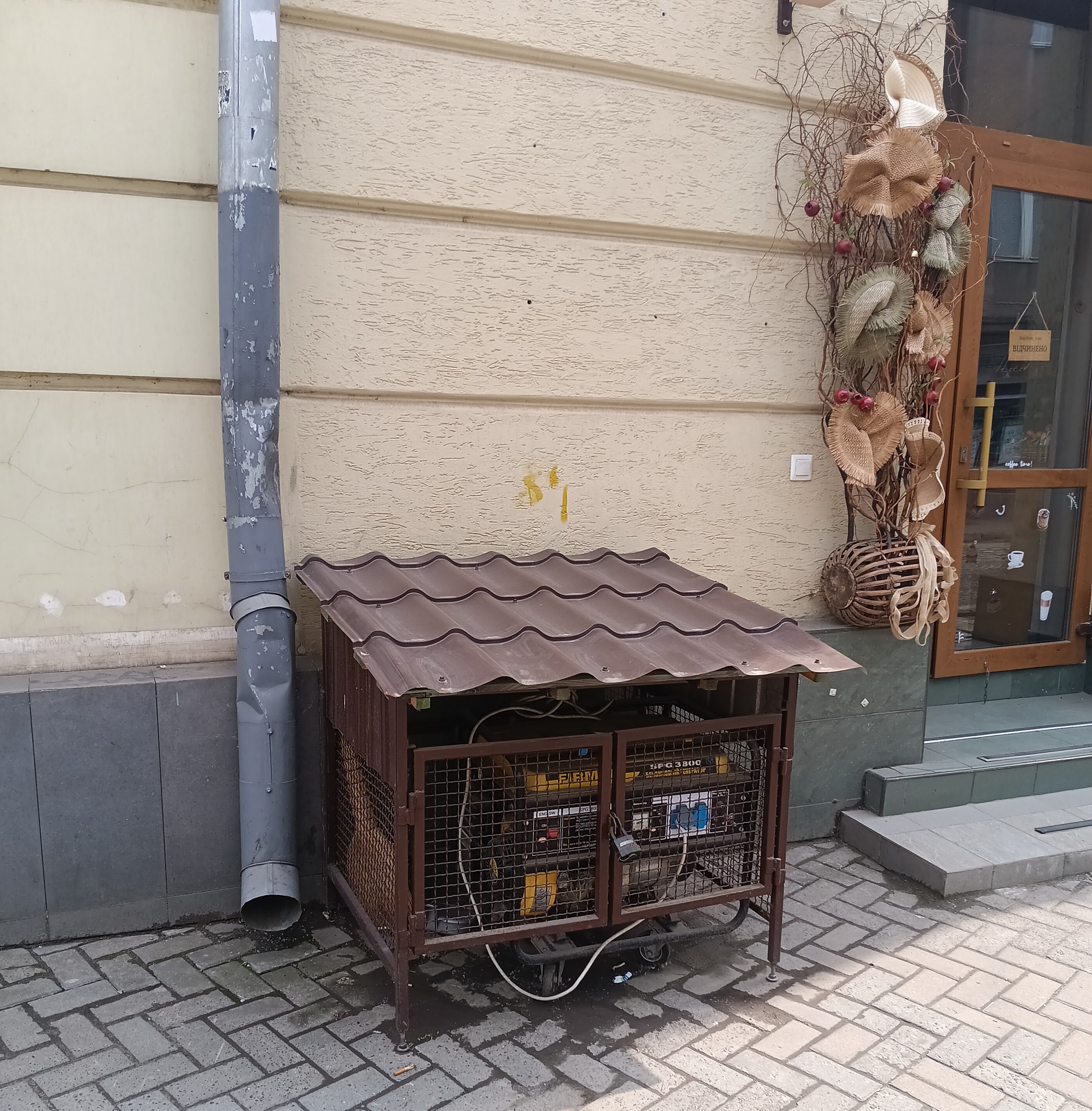
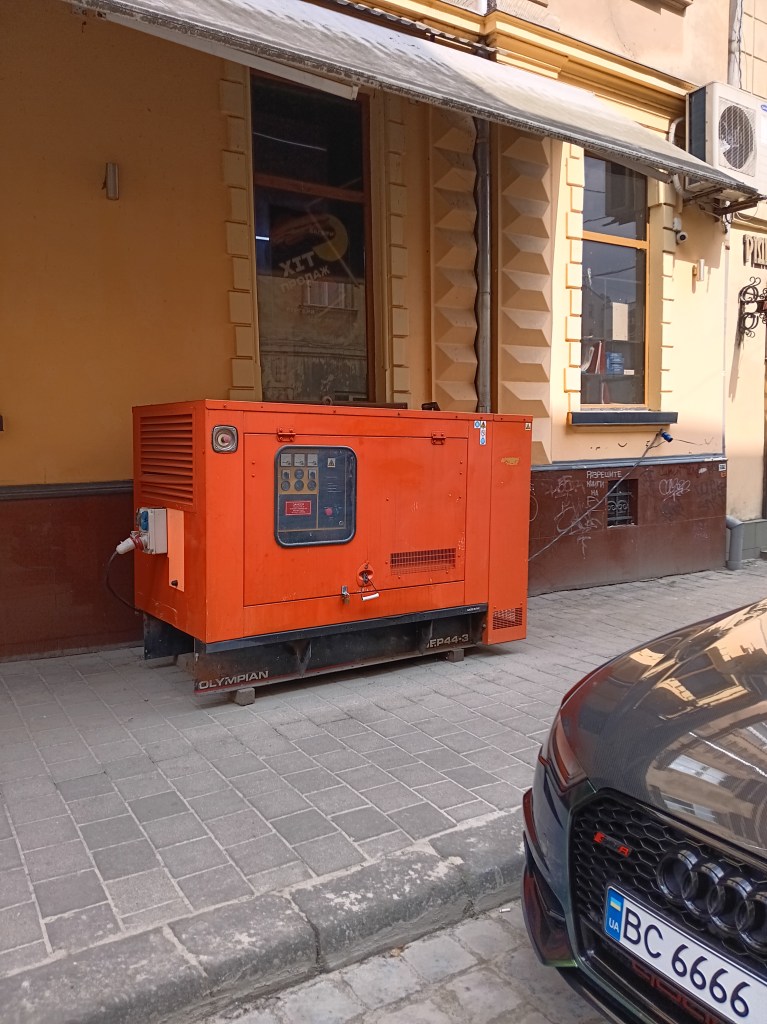
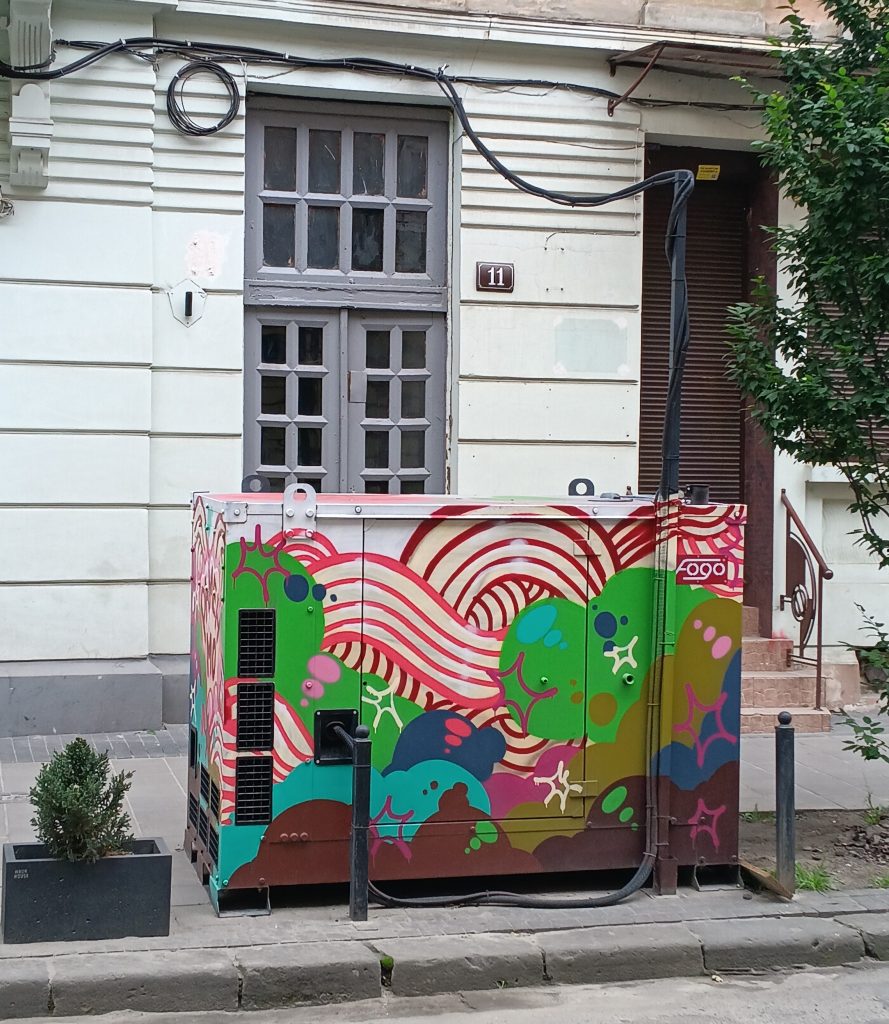
Another subtle reminder of war are the gas-powered generators in the street that are everywhere in Lviv. They range in size from smallish units we buy at home improvement stores to large industrial units to power an office building, hospital, or school. Most are standing loosely on or are bolted to the sidewalk, some have a locked cage with or without an artful roof. Some become objects of art as they are painted like a mural or adorned with tasteful graffiti. After a while one does not even see them anymore. The eye adjusts to the mostly silent generators. Once electricty is out, however, their noise becomes deafening and their purpose becomes clear immediately. Backup power kicks in as rolling backouts result from another Russian attack powerplants. Friends in Lviv told me of times last winter where they could not make hot water for a tea or coffee at temperatures reached -20 Celsius (-4 Fahrenheit) both inside and outside their appartements, because of Russia’s campaign to remove heat and electricity from Lviv’s population for hours and days. Energy systems were repaired only to be bombed and destroyed again the following day or week. Another winter is coming …
Unlike 2024 or 2025, a minute of silence is observed across the entire country now. Every day at 9 am all life stops for 60 seconds. Men, women, and children all interrupt what they are doing and remind themselves and everyone of the men and women fighting and dying in this war. Everyone stands up and most people pray silently or think of loved ones. Walking along a small side street one day, I even saw cars stop on the street, turn emergency lights on, and wait 60 seconds. The food delivery motorcycle did the same. Pedestrians stopped, held they right hand over their hearts, and looked in the direction of the closest church. It is a solemn and powerful act of remembrance that despite the good life, it is not good for all as about 800,000 soldiers provide the protection for the other 36 million to live in freedom. This implies that each Ukrainian soldier defends about 45 civilians. In the USA we would need about 8 Million soldiers to provide a similar level of protection.
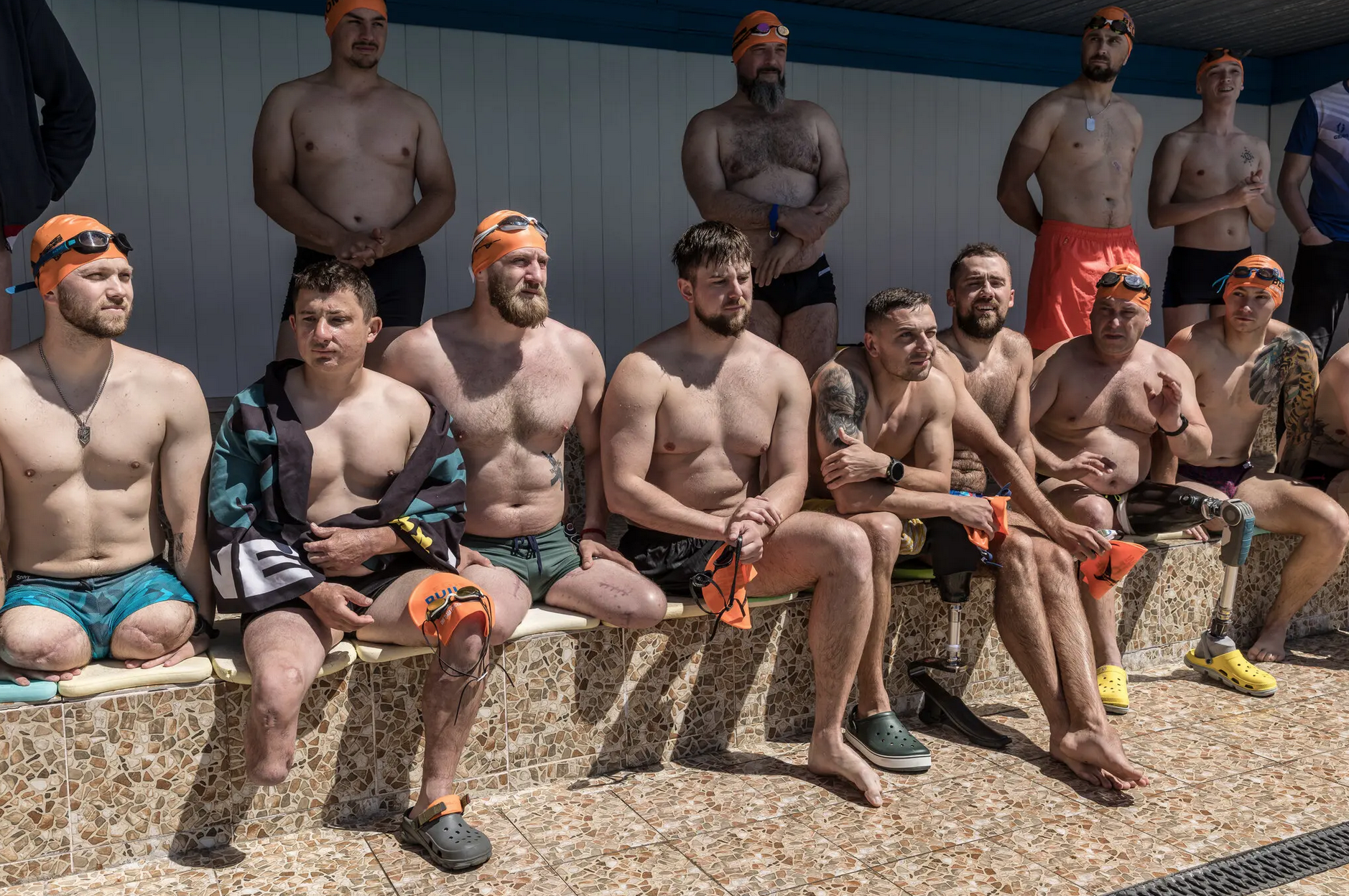
Preparing for races at a meet organized by One Team Forces, a group that supports veterans by focusing on rehabilitation and returning to an active life. [adapted from New York Times, June-25, 2026]

Another sad feature of the war are the many men without arms or legs or eyes who walk the streets on foot or in wheelchairs. They are about 25-45 years of age, physically fit, and like everyone else they visit restaurants, bars, churches, concerts, and sport clubs often with friends or loved ones. It all appears so normal even though it is not. The New York Times reported today of how the large number of wounded veterans learn new sports, adapt to old sports, and bond with each other by pushing their bodies and experiences. Every morning I saw them walk and run in Stryiskyi Park and play competitive bocce on weekends. A small section of the park was then closed for this competition with at least 30 sectioned fields. About 1 in 5 players had missing limbs, but that did not diminish the competitive fun with a picnic-like atmosphere.

I left Lviv sunday with a heavy heart, but then I was thinking about my wonderfully upbeat 18-year old students of the B1 group of German Language Summer School at the Ukrainian Catholic University. This video expresses their perspective on how we worked together with much fun and laughter [162 Mb video]:

Video of B1 Group of German Summer School 2026. Song “Mensch am Mond” by Leftovers (2024).

I promise myself to return next year, but then for at least 4 weeks. There is some hiking to be done in the Carpathian Mountains.

Faith, Freedom, and War: German Summer School in Ukraine

The Ukrainian Catholic University in Lviv invited me to teach at their Summer Language School. Until last week I worked with ~50 Ukrainian students from about 10 in the morning to 5 in the evening monday through saturday. We met daily in classrooms, on the lawn outside, and in pubs over food and beer. The main purpose of the Summer School for the 17-21 year old students was to learn German as their second, third, or fourth foreign language. Their Ukrainian teachers knew every rule of German grammar, spoke perfect German, and half of them had PhDs in German literature, linguistics, education, and/or language theory.

Students and teachers alike love their country, their faith, and their freedom deeply. All hate the war that Russia wages on them personally: Every day Russia tries to kill them by drones and missiles, tries to erase their history, tries to pillage their resources, and tries to exterminate their language, culture, and freedom. Russia’s war is present in Ukraine at every location for every person at all times. Nevertheless, I went to open-air concerts, bars, restaurants, and churches filled with joyous young and old people with and without small children. This very public life serves as a defiant and powerful act of resistance to Russia’s war as does vibrant street art and music.

The people of Ukraine need our weapons to protect their freedom to be human and to be free from the violence, terror, and oppression imposed by Russia on them. Never have I seen a people believing in God as strongly as the Ukrainian students and teachers whom I met last 3 weeks. Furthermore, Lviv centers many overlapping faiths with churches of the Greek Catholic, Roman Catholic, Armenian Catholic, Ukrainian Orthodox, Russian Orthodox, and even a small Jewish community. Furthermore, I met both atheist and agnostic students studying at the Ukrainian Catholic University. This rich and diverse tapestry of believes exists in overlapping circles of ancient history, song, prayers, and common purpose. All are united and opposed to Russia’s terror of random death by drone or missile. People are tired, yes, tired and exhaused by 3.5 years of war, but people are united for the noble purpose to be free, to be at peace with their neighbors, and to be part of a liberal and democratic Europe. Russia responded to these desires with war, because Russia perceives a free, creative, and productive Ukraine as a threat to its own sclerotic, decadent, and corrupt society.

Unlike Russia, Ukraine values individual life and liberty, but Russia has 4 soldiers for every one Ukraine has. How can I best help my Ukrainian friends in their just defence to protect their freedom and to be part of a peaceful Europe? They need air defence radars and missile systems, they need artillery shells and cannons, they need tanks, helicopters, and fighter jets, they need drones and electronic jamming gear. I struggle with this question, write and call my U.S. senators and Congresswoman in Delaware to support Ukraine, and talk to friends and family about my travels to Ukraine, but it all seems puny and I am frustrated and impatient. In those moments I recall the wise words passed on to me 2 weeks ago by an older man of Irish-Catholic faith:

Act like the world depends on you,
but pray it depends on God.

Ignatius of Antioch (~100 AD)
Ignatius of Antioch

Lviv, Ukraine, 2024: A Traveler’s Perspective on History, Culture, and Conflict

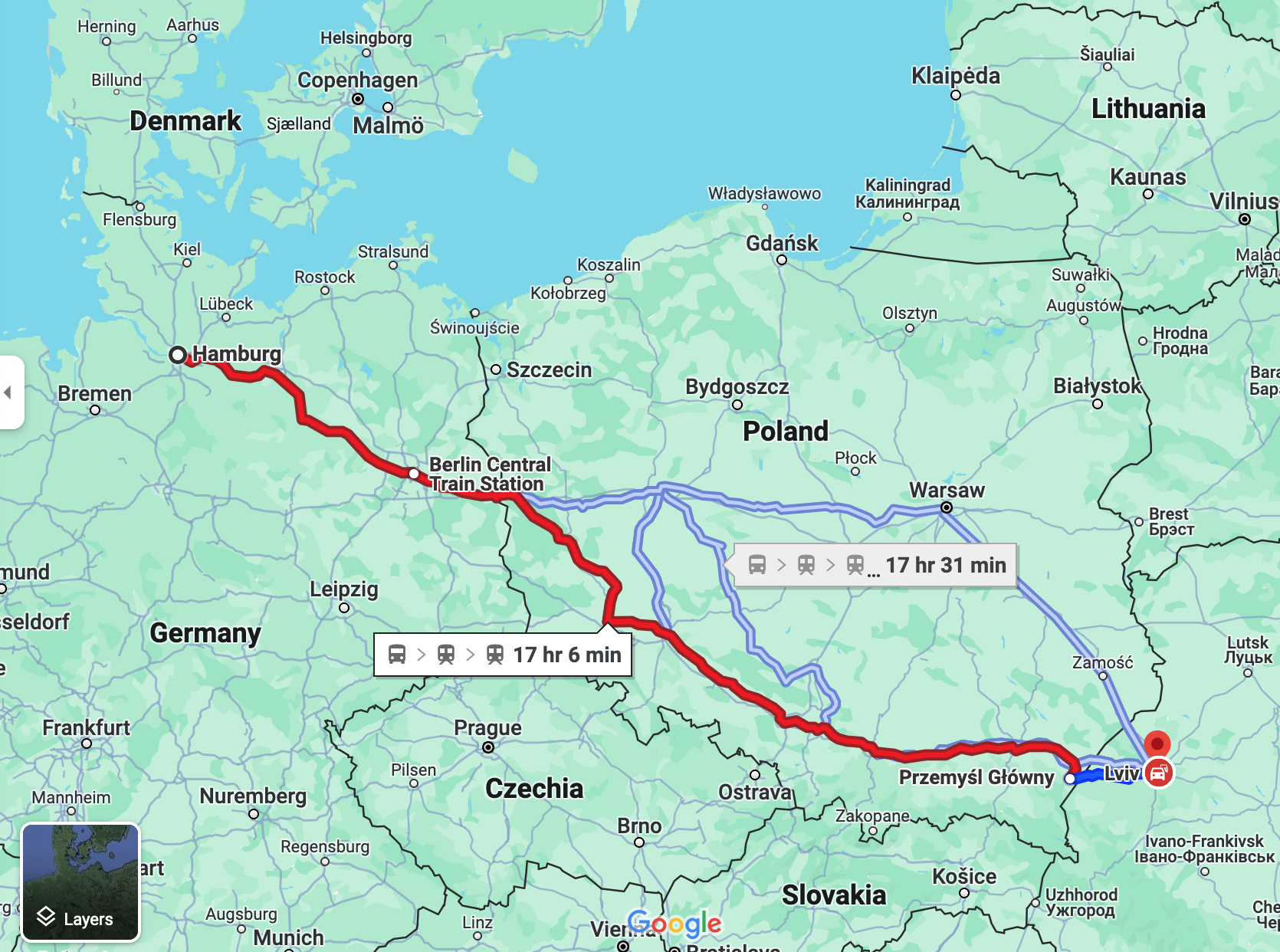
Lviv lies about 40 miles east of the Polish border in Ukraine. It is closer to peaceful Hamburg in Germany (1200 km) than it is to destroyed Mariupol in Ukraine (1250 km). Leaving Hamburg by train, I arrived 20 hours later in Lviv where I spent the next 7 days. As a scientist I planned to collect my own data to calibrate media reportings. I wanted to test second-hand opinions to perhaps revise them based on first-hand observations to better anticipate the future and my actions within it. How can I best support Ukraine in its current war with Russia?

The U.S. Department of State advises “Ukraine – Level 4: Do not travel” in dark red letters, because it is a country at war. I ignored this advice, but nevertheless registered details of my travel plans with the Smart Traveler Enrollment Program. I also followed my government’s advice on how to prepare for travel to high-risk areas such as making a notarized will and to communicate daily with my wife. I do the same when backpacking for 30 days in Yosemite, Adam Ansel, and John Muir Wilderness areas in California. Looking back, I believe that visiting Lviv is less dangerous than visiting Fordyce, Arkansas (population 3,400). Death by random shooting in this town is about 1 person killed for every 1000 residents as of yesterday. In Lviv death by random Russian missile is about 1 person killed for every 100,000 residents. The last Russian missile hit Lviv (population 700,000) a year ago and killed 7 people. Air defences, too, have improved the last 12 month thanks to Norwegian, U.S., and German systems.

My voyage to eastern and across central Europe brought me into spaces that were violently contested during the last 1000 years. Recall that the current border between Poland and Ukraine was drawn in 1939 when Adolf Hitler of Germany and Joseph Stalin of the Soviet Union divided Poland (as well as Finland, Estonia, Latvia, and Lithuania) a mere 10 days before World War Two. The Yale historian Timothy Snyder calls these lands “Bloodlands” where the totalitarian regimes of Germany and the Soviet Union killed between 10 and 20 Million women, children, and men from 1933 to 1945. My father was born 1934 and my family celebrated his 90th birthday the weekend before I left for Lviv.

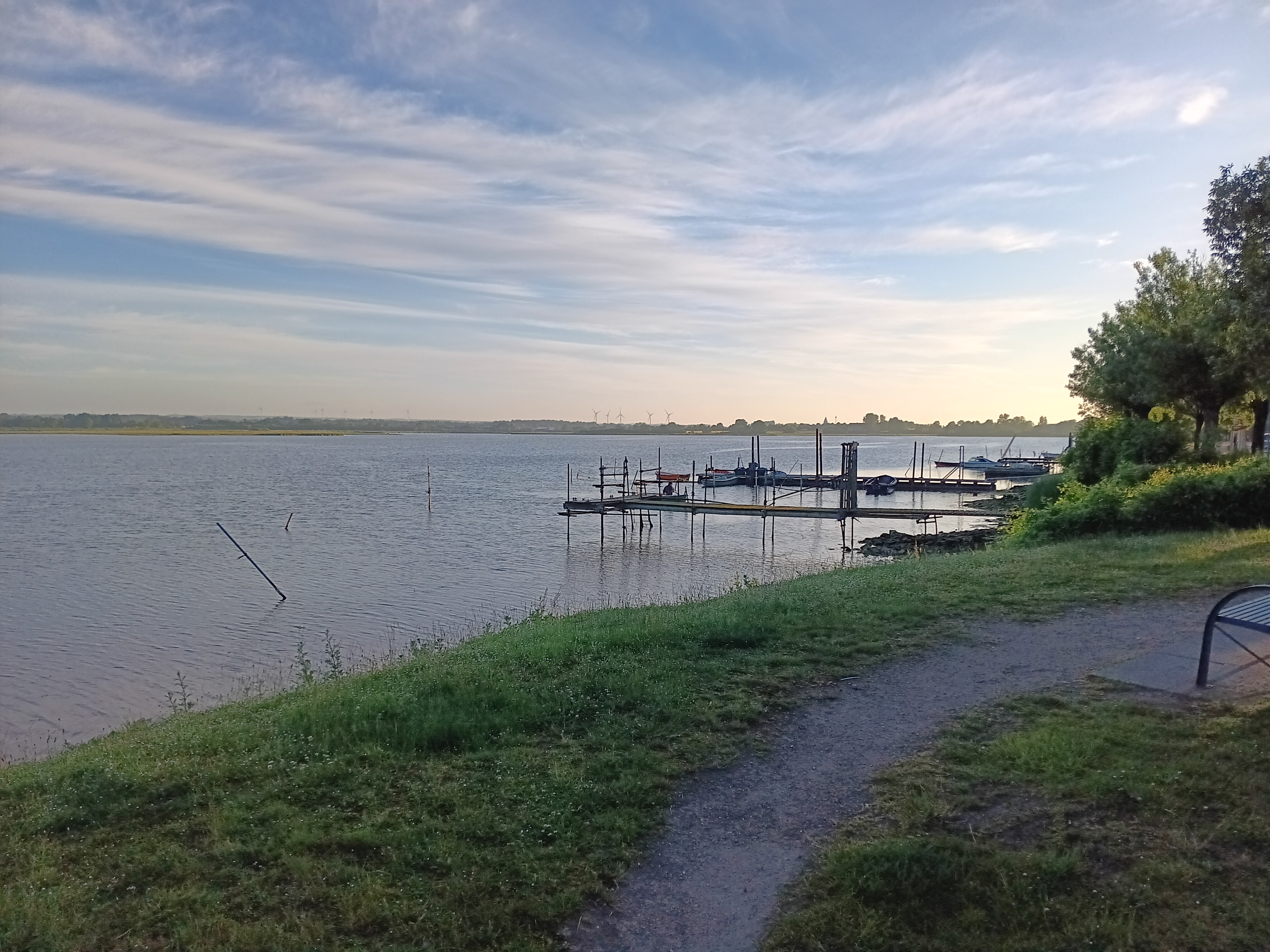
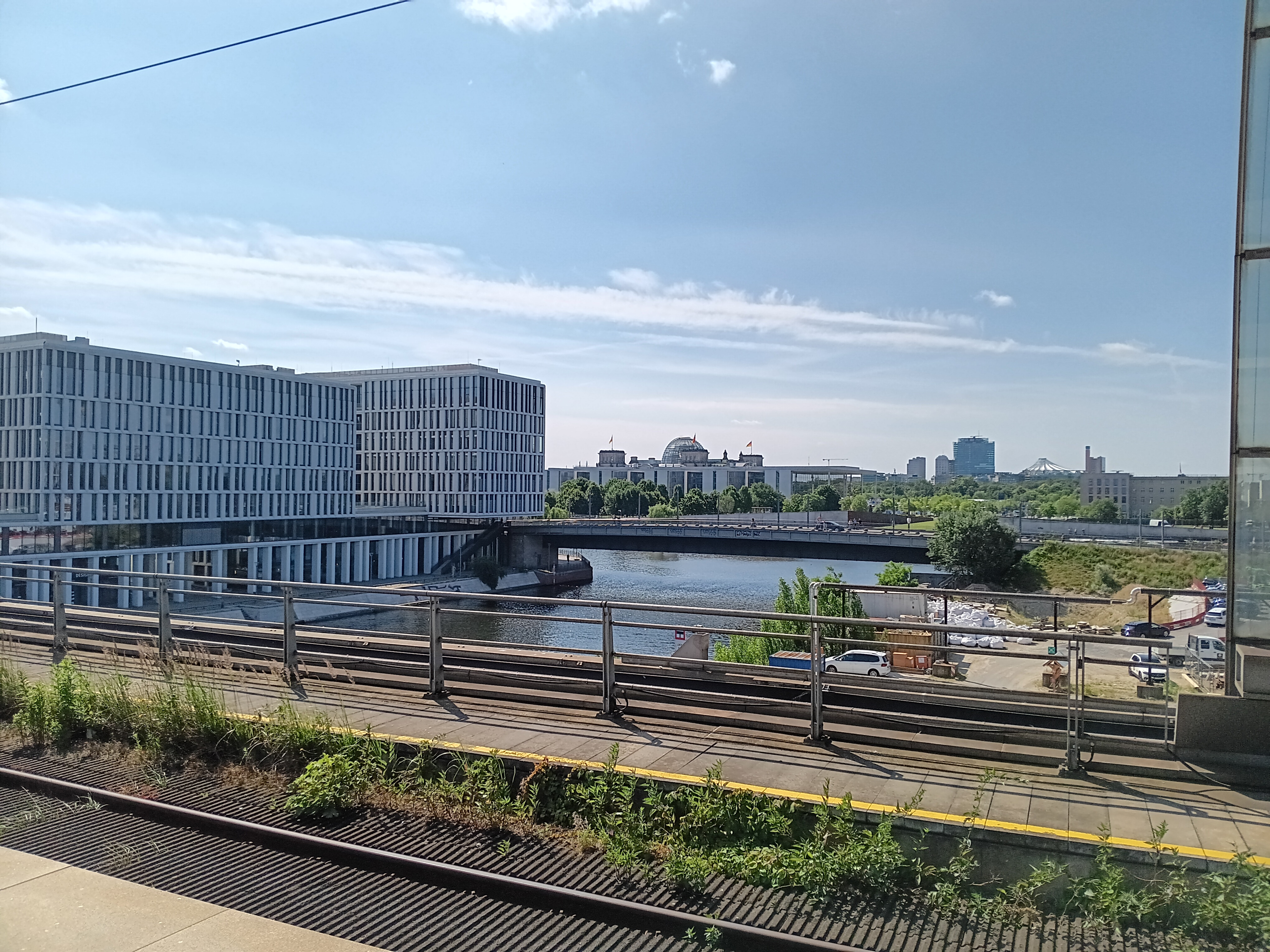
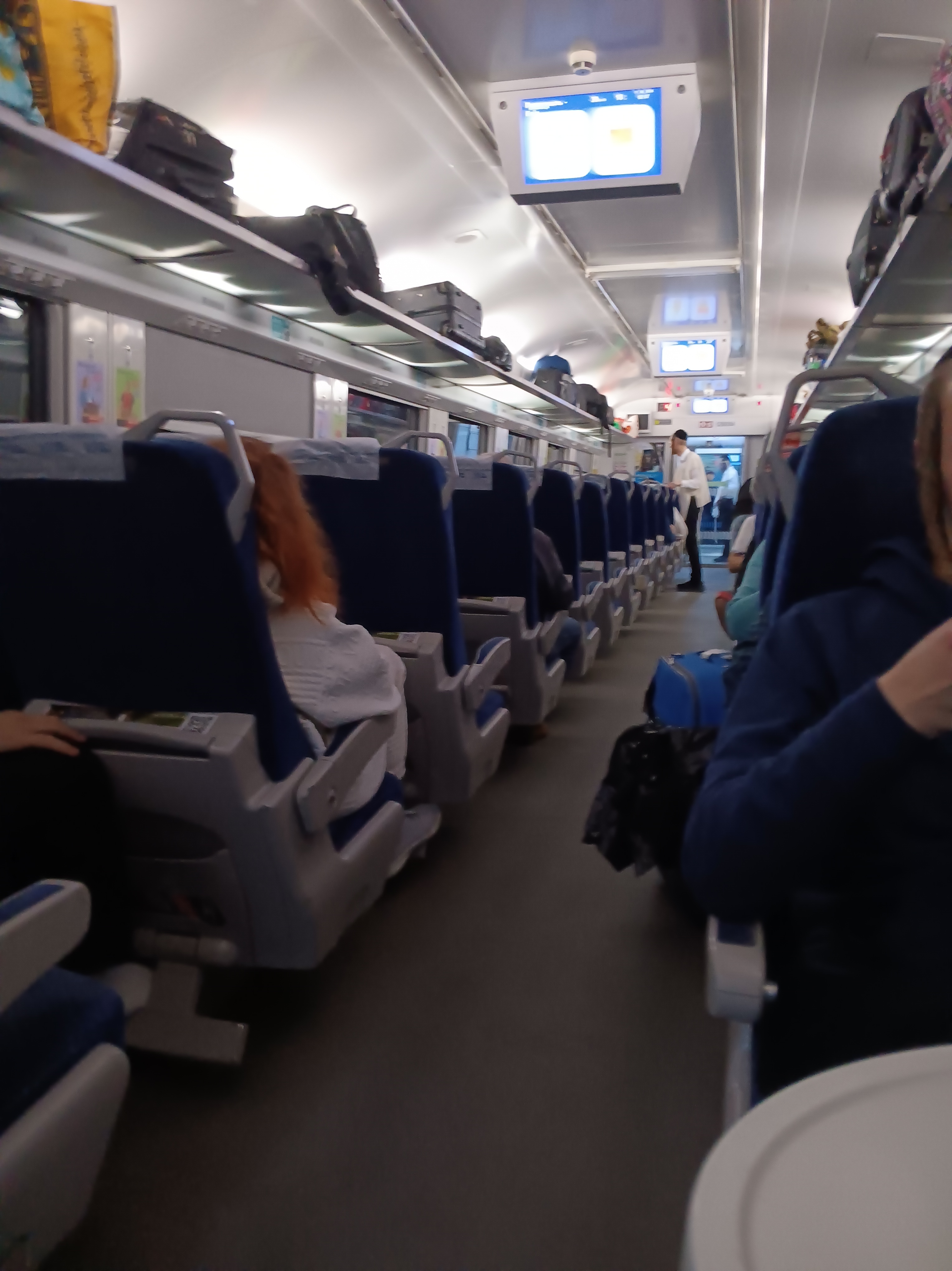
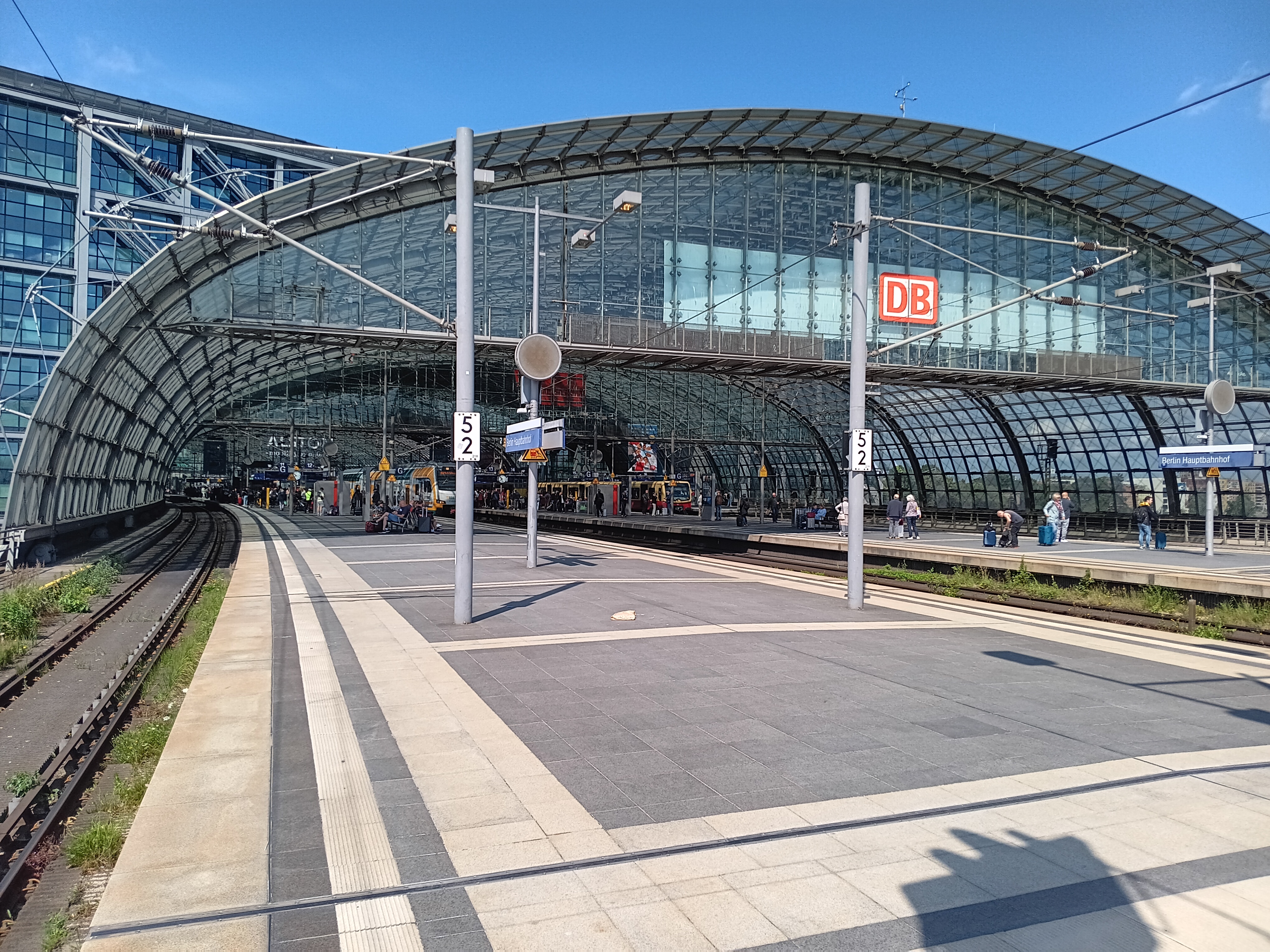
My voyage started at my parents home in Neustadt on the western edge of the Baltic Sea at 6 am. A first train got me to the old Hanseatic town of Luebeck, a second train to Hamburg, and a third train to Berlin. Here I bought the missing train ticket #5 from Przemysl in Poland to Lviv in Ukraine before boarding train #4 from Berlin to Przemysl. My reserved seat for the next 10 hours placed me opposite to a young Ukrainian artist traveling home to Kyiv. Along the way she introduced me to Lviv where she had lived in a prior life. Her pointers of Lviv places to visit, eat, and walk provided me with major initial reference points. As she had crossed the border into Ukraine many times before, we went for a evening stroll in Przemysl and found a busy beer-garden where we had a beer and gin tonic. Despite this “delay,” we still had to wait for 3 hours to be allowed on the next train that was 2 hours late. A large group of perhaps 20 Orthodox Jewish men with U.S. passports were waiting as well. I asked one of them what language they were speaking and he replied “Jiddish.” Bente Kahan’s music from her album “Farewell Cracow” was on my mind even more now than it was prior to this voyage. Once this last train left Poland just before midnight, the mood became somber.

Ukrainian border guards checked passports on the train while different heavily armed military personel counted the number of passengers at least 3 times independently of each other. It was pitch dark outside without any lights visible anywhere. The train, too, had lights dimmed. After a very short 45 minutes the train to Kyiv made its first stop in Lviv and I got off.

It was about 3:30 am local time and I had no idea how to get the 2 miles from the train station to my bed. During the general curfew from midnight to 5 am all public transportation stops. Nobody at Lviv’s station spoke English and I could not read the cyrillic signs. So I stumbled along dead tired hoping, first, that my GPS would lead the way and, second, police enforcing the curfew may be sympathetic towards a tired and lost American tourist.

Sun light came out when I arrived in my small appartment at 4 am. The Wifi worked flawlessly and I called my wife via WhatsApp. It was only 9 pm in Delaware and we talked for an hour on what had happened this long day. Then I let my Ukrainian AirBnB host, Olya, know that I had arrived:

Olya: Everything went well. A person found me at the train station. He did not speak English, but I had pen and paper prepared as well as lat/lon of your place on my GPS that I use for hiking in the woods. He followed my direction and got me within 200 m. The rest was easy including the hour-long WhatsApp phone call with my wife from inside your appartment using your Wifi. It “only” took me 22 hours total door-to-door, so I will now head for some sleep … which is hard, because it is light outside, curfew is over, and I already saw so many cool stuff in the dark that I want to head outside to explore more, but my wife told me to sleep a few hours and wise man is one who listens to his wife … or so i am told by wiser men than myself. ~Andreas

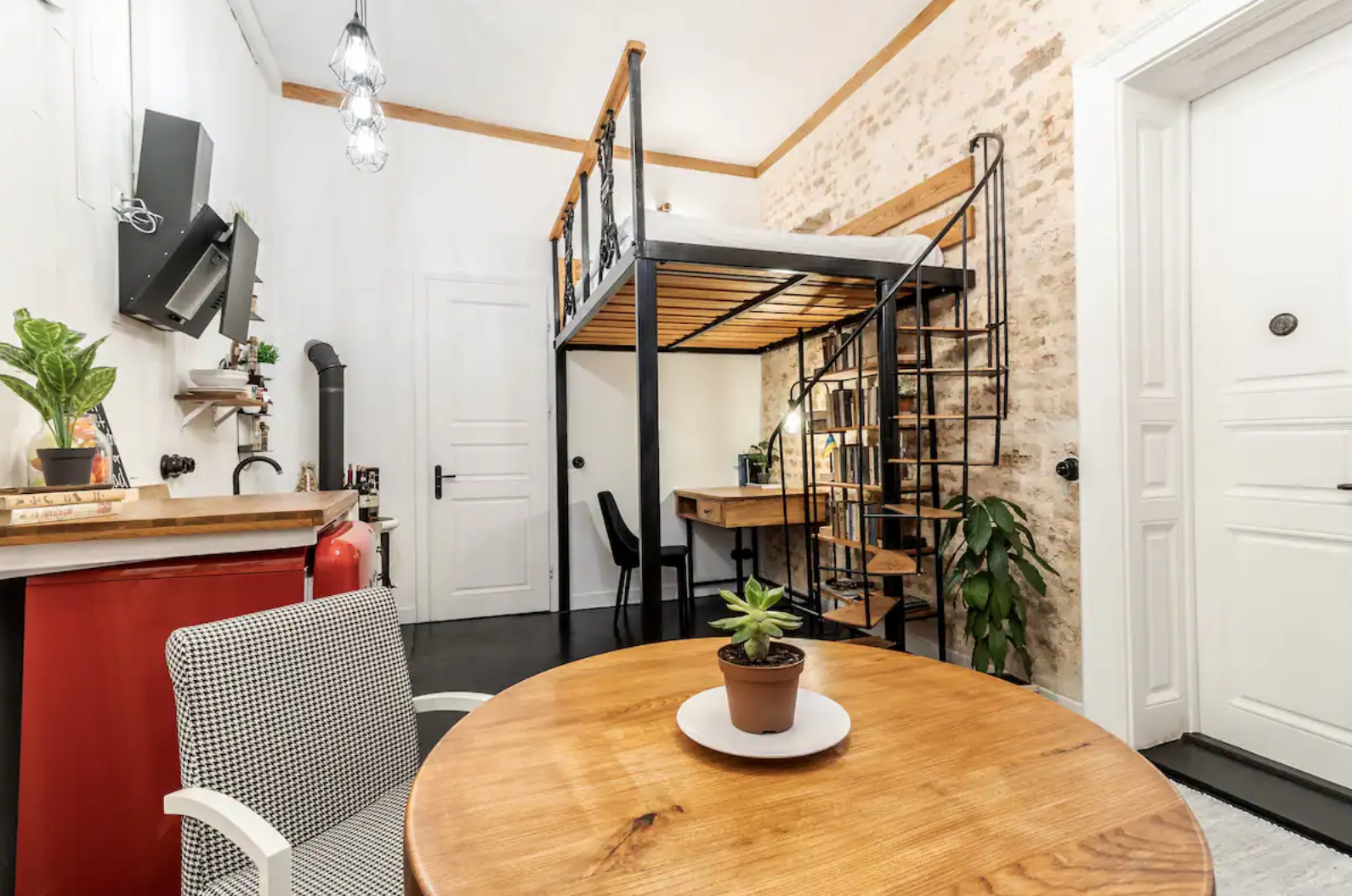
I was writing the above lines with this view of the bed, desk, fridge (red), and the door to the bathroom, shower, washing machine and dryer. The entrance is the door on the right. This was my home away from home for the next 7 days where I rested after long walks to explore Lviv, its culture, history, public life, and people. The internet speeds in Lviv were faster than those in either Germany or at home in Delaware.

As a teaser for my next post I show the first three photos that I took the next morning after 4 hours of sleep within 5 minutes walking from my bed in Lviv.

Changing Weather, Climate, and Drifting Arctic Ocean Sensors

Three people died in Buffalo, New York yesterday shoveling snow that arrived from the Arctic north. The snow was caused by a southward swing of air from the polar vortex that is all wobbly with large meanders extending far south over eastern North-America where I live. Physics deep below the thinly ice-covered Arctic Ocean hold a key on why we experience the Arctic cold from 2000 km north and not the Atlantic warmth from 100 km east.

A wobbly jet stream that separates cold Arctic air from warmer mid-latitude air. Note the strong gradients over eastern North America. [From wxmaps.org]

A wobbly jet stream on Nov.-19, 2014 that separates cold Arctic air from warmer mid-latitude air. Note the strong differences over eastern North America and how balmy Europe, Russia, and Alaska are. [From wxmaps.org]

The Arctic Ocean holds so much heat that it can melt all the ice within days. The heat arrives from the Atlantic Ocean that moves warm water along northern Norway and western Spitsbergen where the ocean is ice-free despite freezing air temperatures even during the months of total darkness during the polar night. As this heat moves counter-clockwise around the Arctic Ocean to the north of Siberia and Alaska, it subducts, that is, it is covered by cold water that floats above the warm Atlantic water.

North-Atlantic Drift Current turning into the Norwegian Current that brigs warm Atlantic waters into the Arctic Ocean to the north of Norway and Spitsbergen. [Credits: Ruther Curry of WHOI and Cecilie Mauritzen of Norwegian] Meteorological Institute]

North-Atlantic Drift Current turning into the Norwegian Current that brigs warm Atlantic waters into the Arctic Ocean to the north of Norway and Spitsbergen. [Credits: Ruther Curry of WHOI and Cecilie Mauritzen of Norwegian] Meteorological Institute]

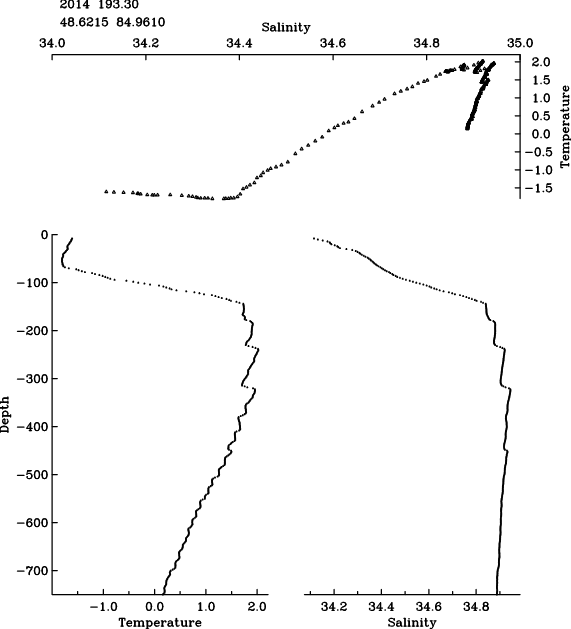
But wait a minute, how can this be? We all learn in school that warm air rises because it is less dense. We all know that oil floats on water, because it is less dense. Well, the warm Atlantic water is also salty, very salty, while the colder waters that cover it up are fresher, because many larger Siberian rivers enter the Arctic Ocean, ice melted the previous summer, and fresher Pacific waters enter also via Bering Strait. So, the saltier and more dense Atlantic water sinks below the surface and a colder fresher layer of water above it acts as a insolation blanket that limits the amount of ocean heat in contact with the ice above. Without this blanket, there would be no ice in the Arctic Ocean and the climate everywhere on earth would change because the ocean circulation would change also in an ice-free Arctic Ocean, but this is unlikely to happen anytime soon.

A single profile of temperature and salinity from an ice-tethered profile (ITP-74) off Siberia in July 2014. Note the warm Atlantic water below 150 meter depth.

A single profile of temperature and salinity from an ice-tethered profile (ITP-74) off Siberia in July 2014. Note the warm Atlantic water below 150 meter depth.

Some wonderful and new science and engineering gives us a new instant perspective on how temperature and salinity change over the top 700 meters of the Arctic Ocean every 6 hours. Scientists and engineers at the Woods Hole Oceanographic Institution with much support from American tax-payers keep up many buoys that float with the ice, measure the oceans below, and send data back via satellites overhead to be posted for all to see on the internet. Over the last 10 years these buoys provide in stunning detail how the Arctic Ocean has changed at some locations and has been the same at other locations. I used these data in an experimental class for both undergraduate and graduate students to supplement often dry lecture material with more lively and noisy workshops where both I and the students learn in new ways as the data are new … every day.

For well over 50 years the Soviet Union maintained stations on drifting Arctic sea ice that stopped when its empire fell apart in 1991. Russia restarted this program in 2003, but unlike the US-funded automated buoys, the Russian-funded manned stations do not share their data openly. No climate change here …