Category Archives: travel

Impressions of Lviv, Ukraine in Summer 2026

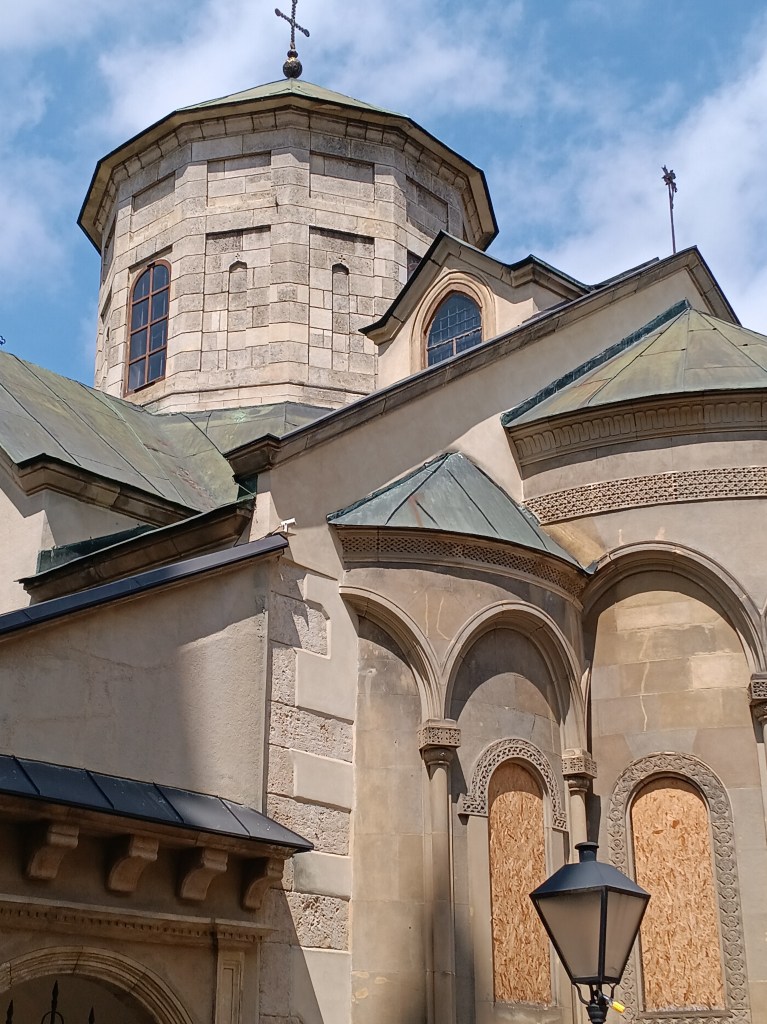
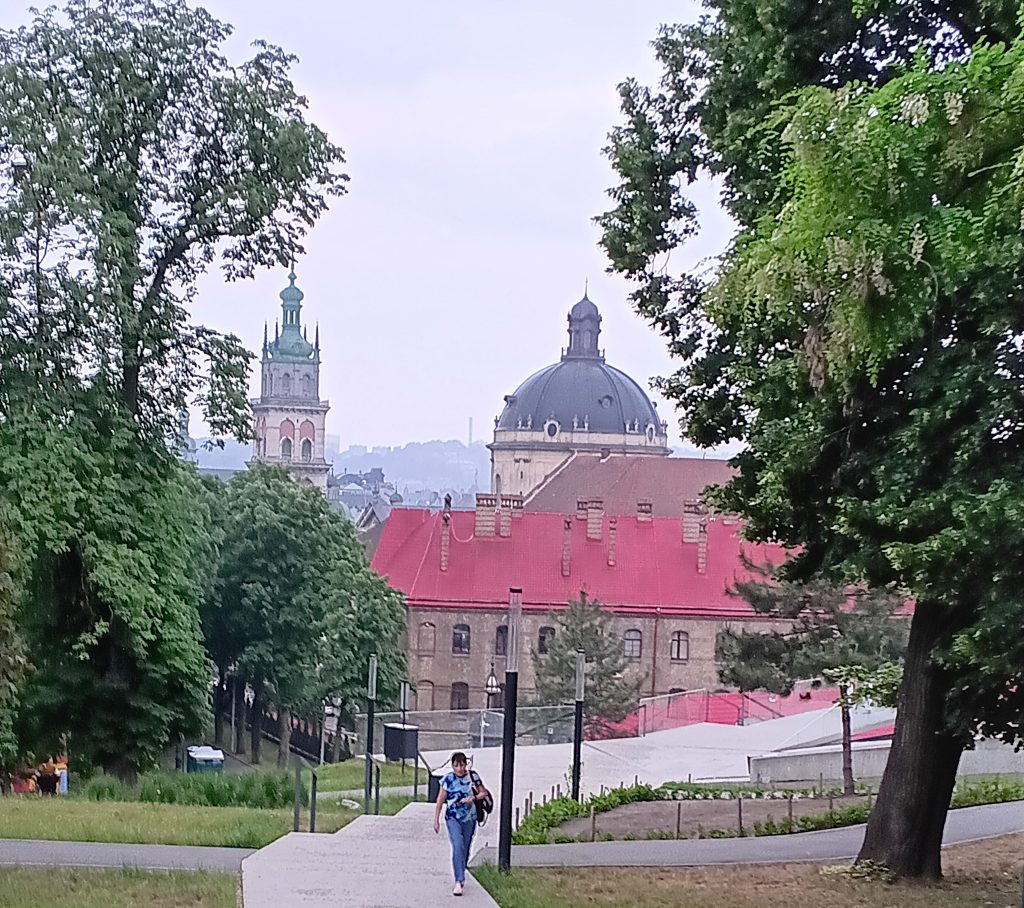
I just returned from Lviv after 3 weeks. This European city of 700,000 in Galicia contains an amazing tapestry of people, culture, and history. Churches are filled to the brim by believers of the Greek Catholic, Roman Catholic, Armenian Catholic, and Ukrainian Orthodox faith churches. Synagogues survived as ruins while its people vanished. People of all ages pray for peace, tranquility, and life.

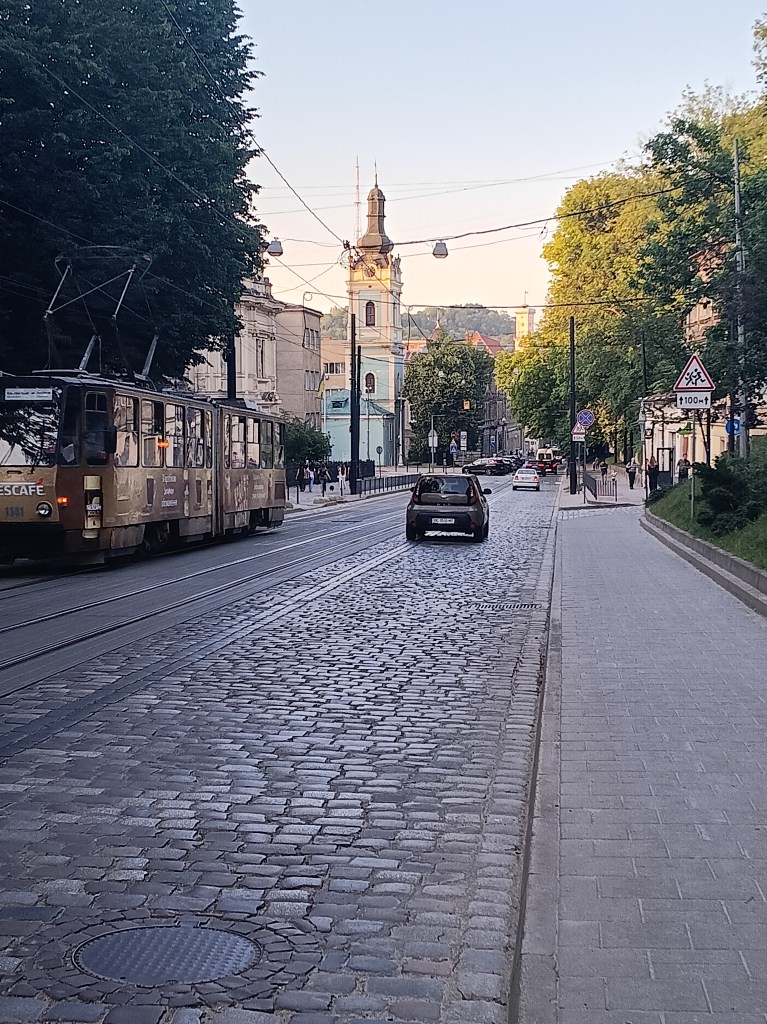
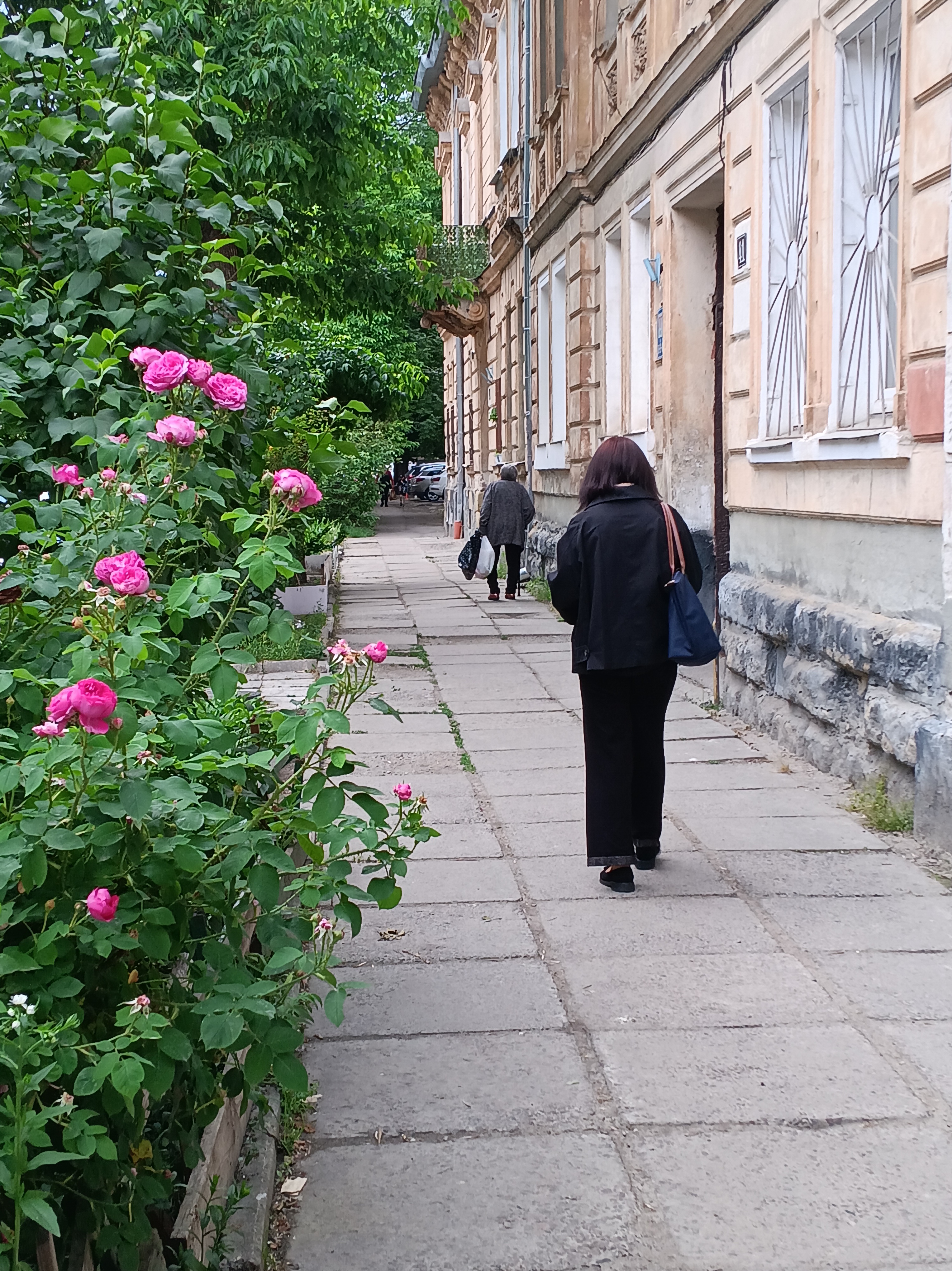
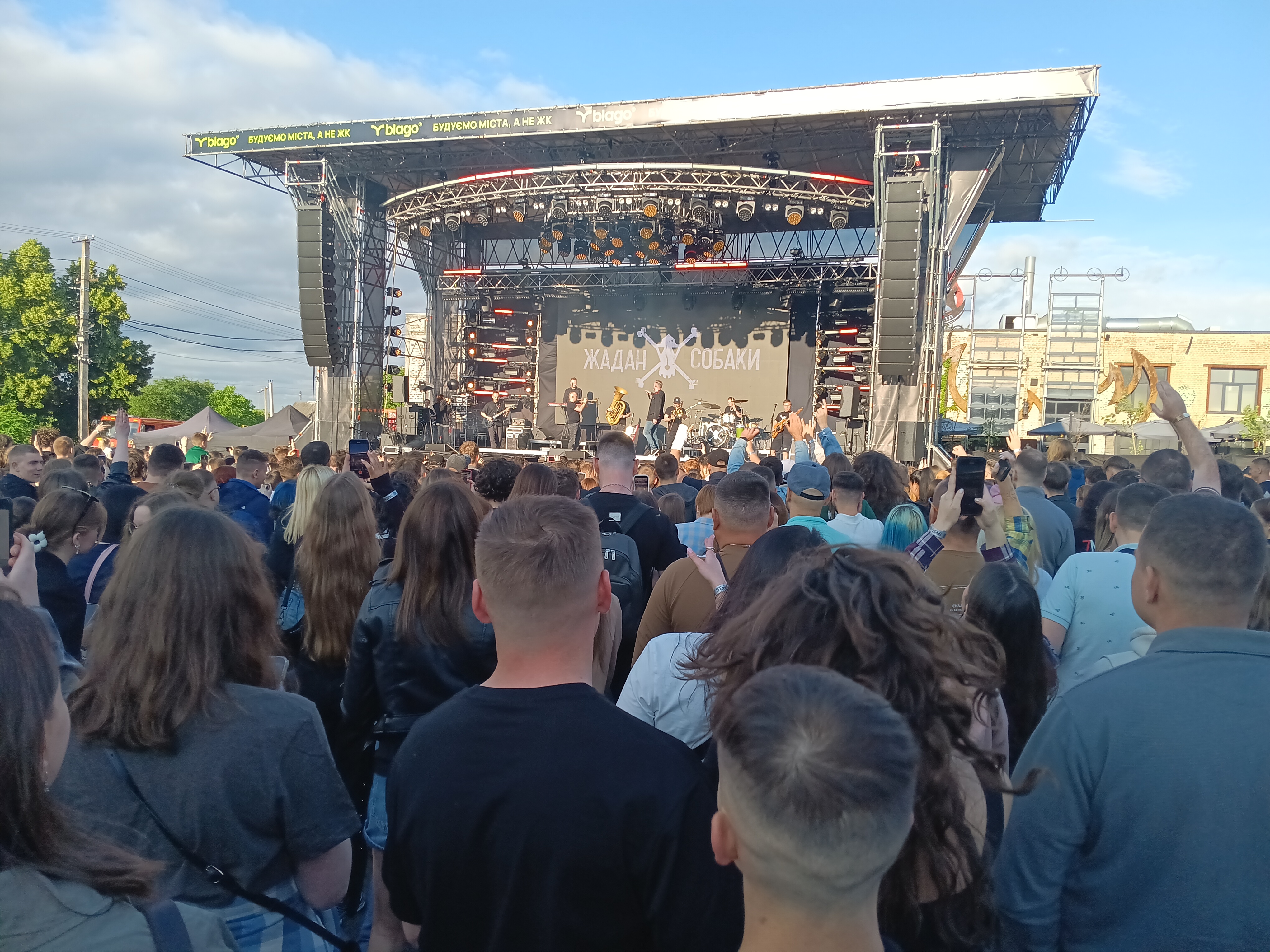
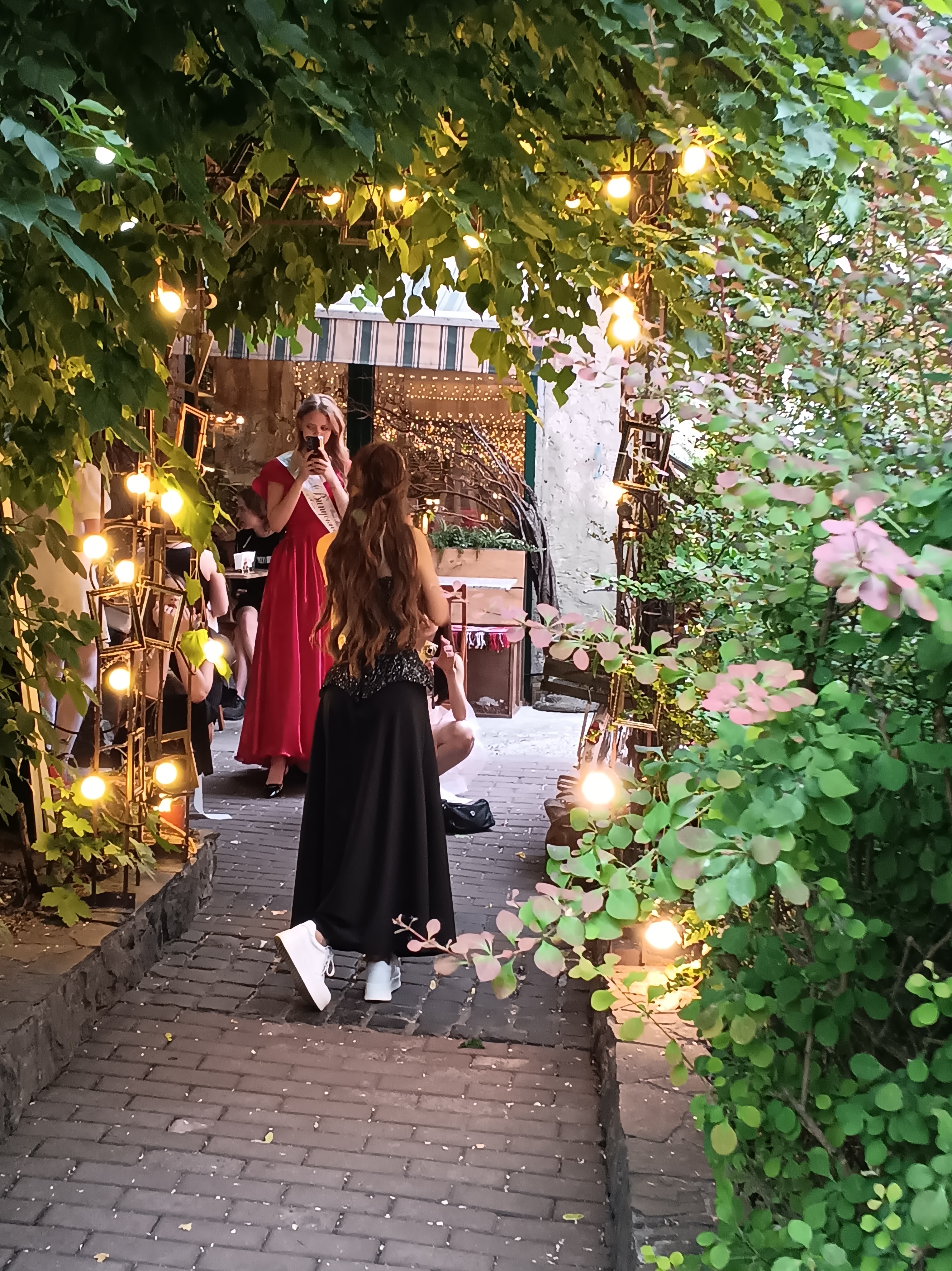
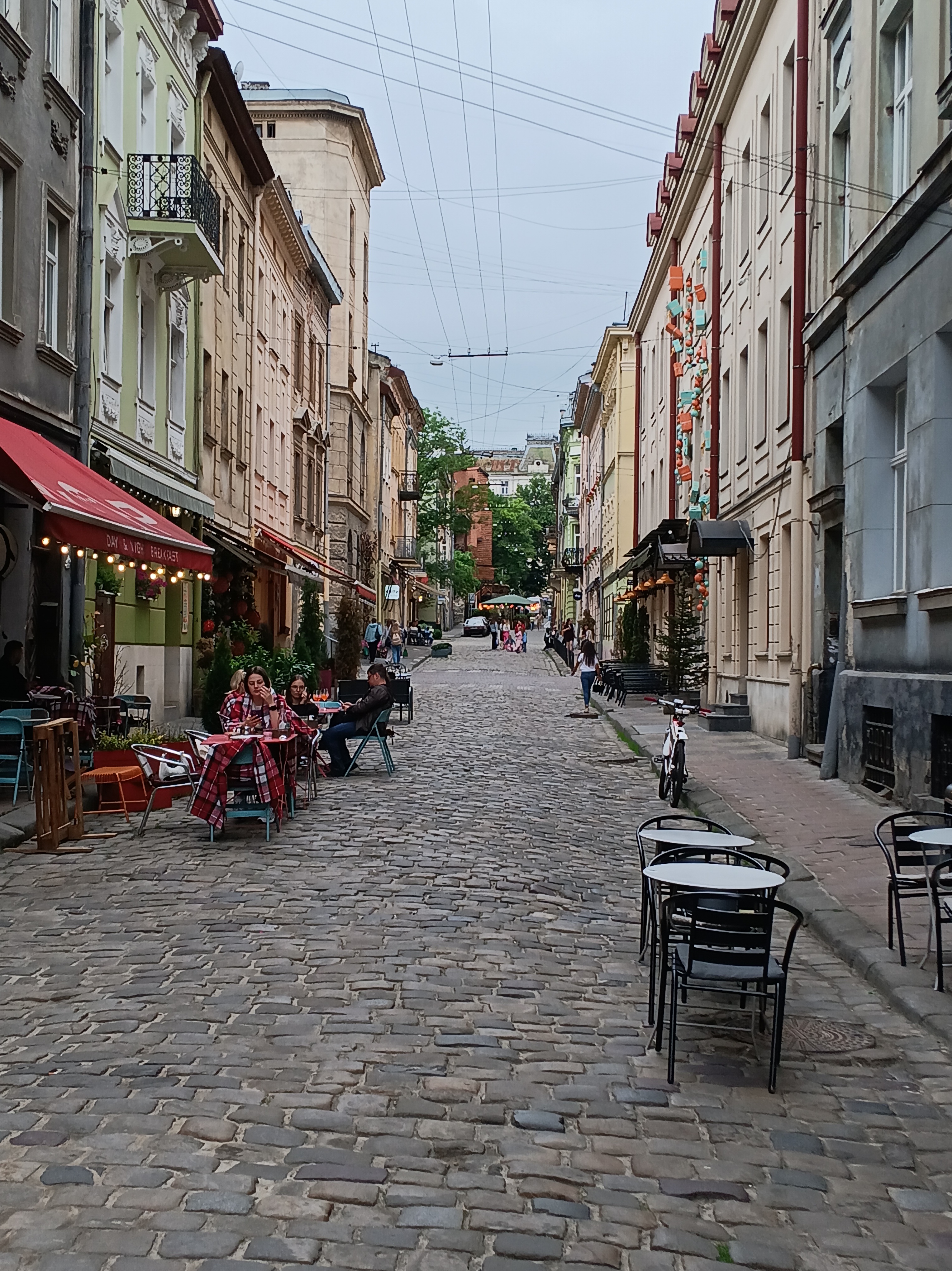
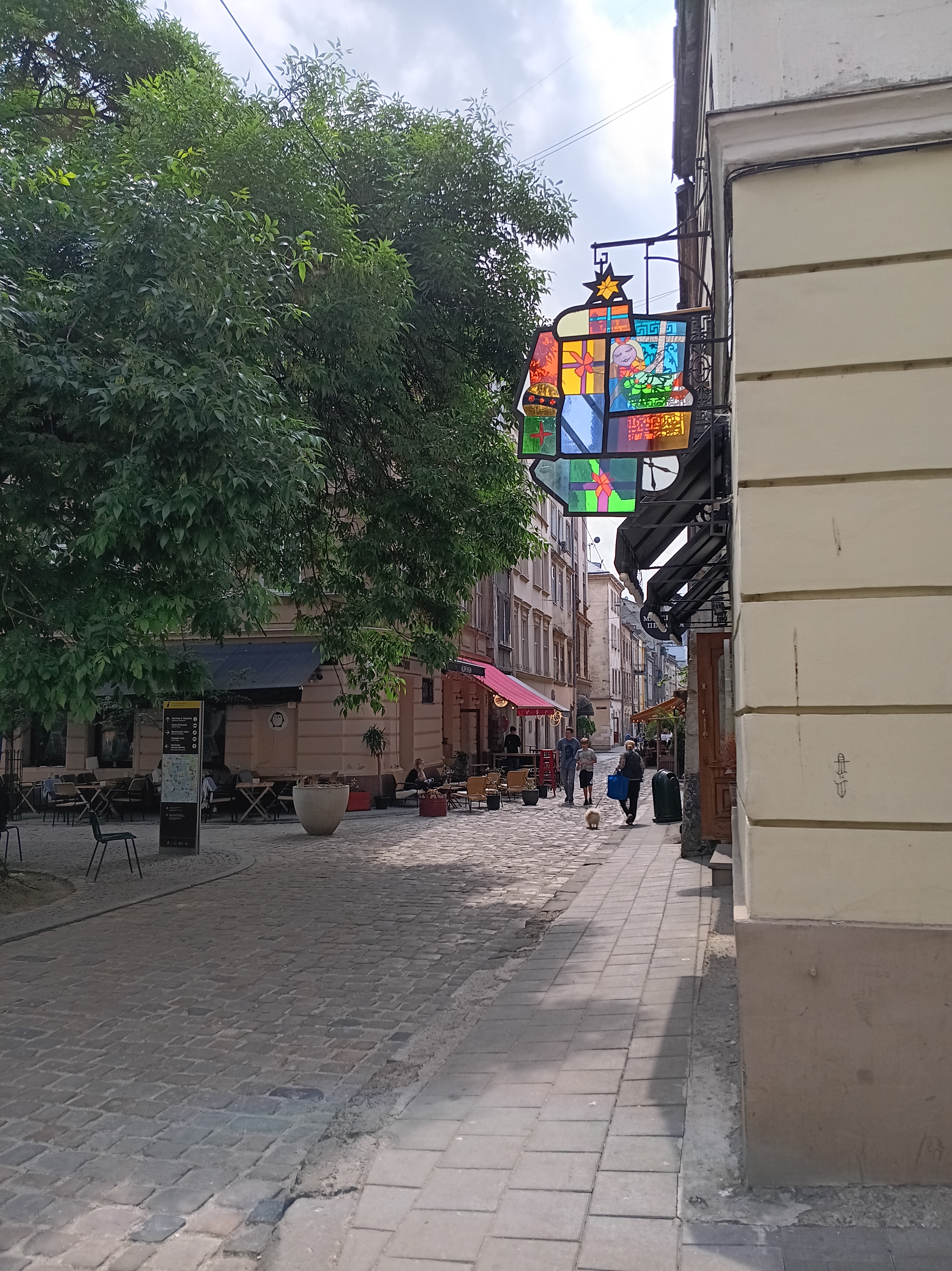
Russia invaded Ukraine first in 2014 and fully in 2022. The current war is easy to miss in Lviv, because at the surface life appears normal with vibrant street life. Cafes, restaurants, parties, street vendors, bars, theatres, museums, concert halls, and universities are all open and full of joyous people. Traffic, too, appears normal with trams, buses, cars, electric scooters, and pedestrians all competing for space on the cobblestoned streets. Roses bloom, strawberries and dill grow in gardens, and school children march with teacher through the Old Town from museum to school and back via busy water fountains along boulevards. Thousands come together for Open-Air rock concerts such as Zhadan i Sobaky (Ukrainian: Жадан і собаки). It is one of my favorite music groups these days who performed in Lviv 2 weeks ago when I saw them at the Rebernya. Awesome horn section …
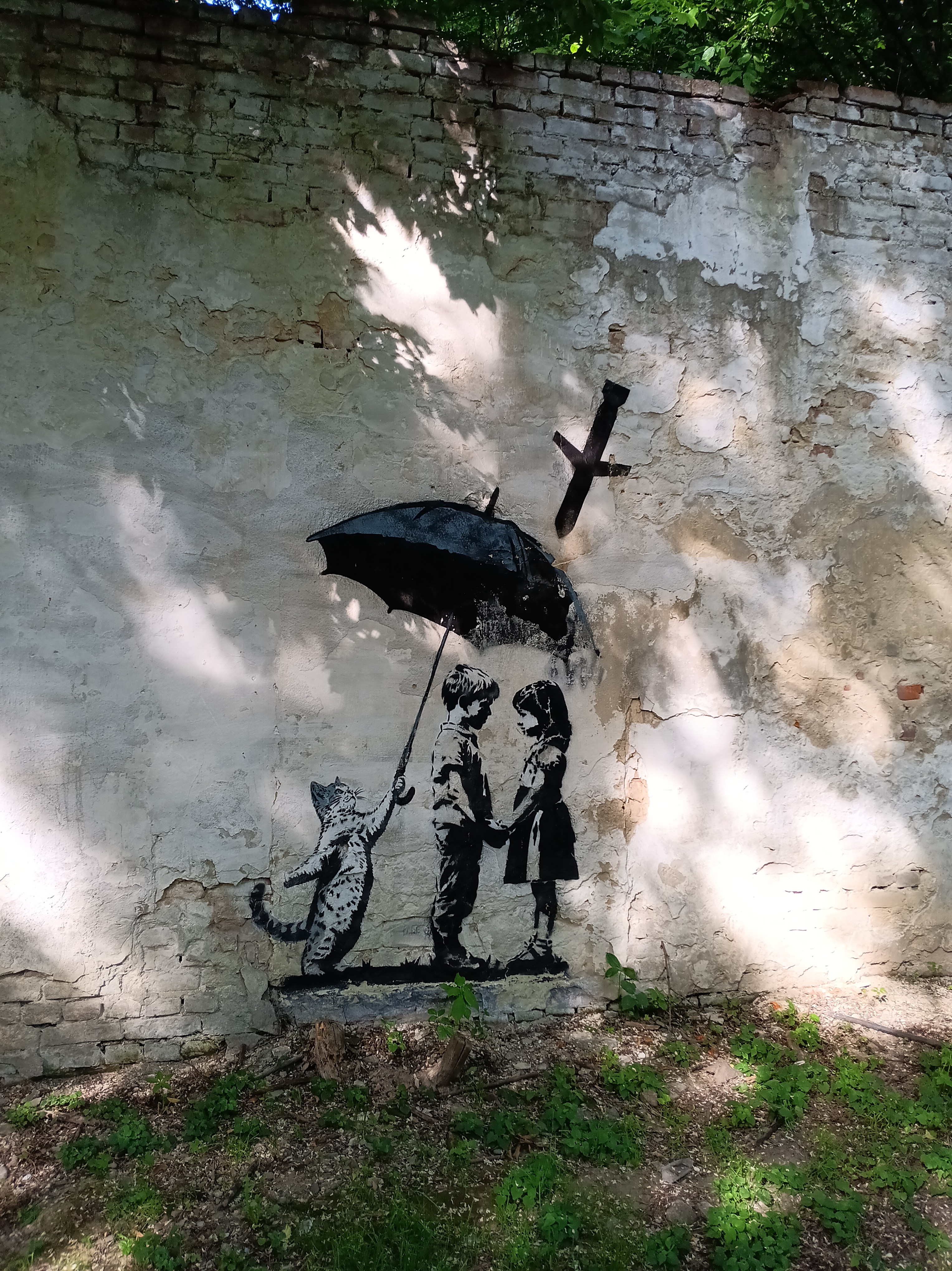
A closer look and knowledge of current events, however, reveals the war every hour of every day. Random mutilation or death by Russian drone, missile, or fire is unlikely in Lviv, but it happens and one never knows when. Air raids occur many days or more accurately nights. Public alarms systems warn of arial explosives heading towards Lviv. Ignoring the alarms, people effectively play Russian Roulette. The nightly terror affects millions while killing, drip, drip, drip, 3-5 people every nights somewhere in Ukraine. Sometimes a ballistic missile annihilates an appartment complex and 20 people die while 50 survive. Russians also like double-tap attackes to kill the rescue workers in a second attack of the same place. It is a war crime, but what’s new? It is what Russia does to project “strength.” The goal is to make life painful and unlivable. Hence public resistance is expressed by attending concerts, bars, restaurants, museums, or playing chess on benches along boulevards, or skateboarding in urban parks and playgrounds, or hiking weekends in the mountains. Live and enjoy life to the fullest as you never know when it all may end.
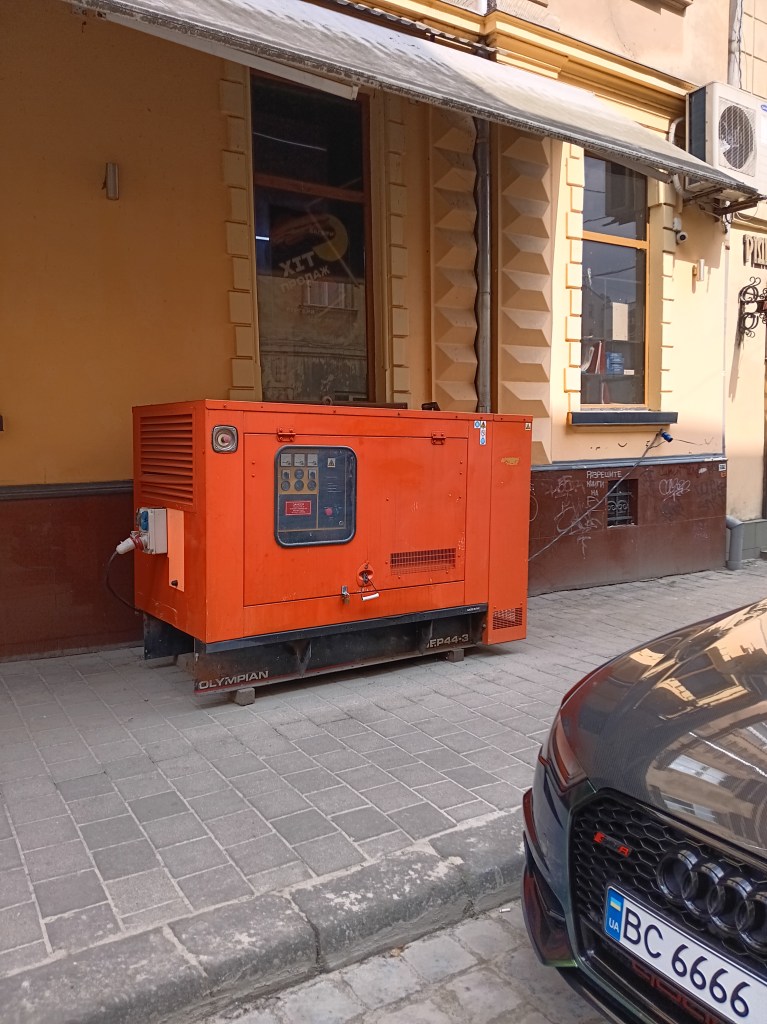
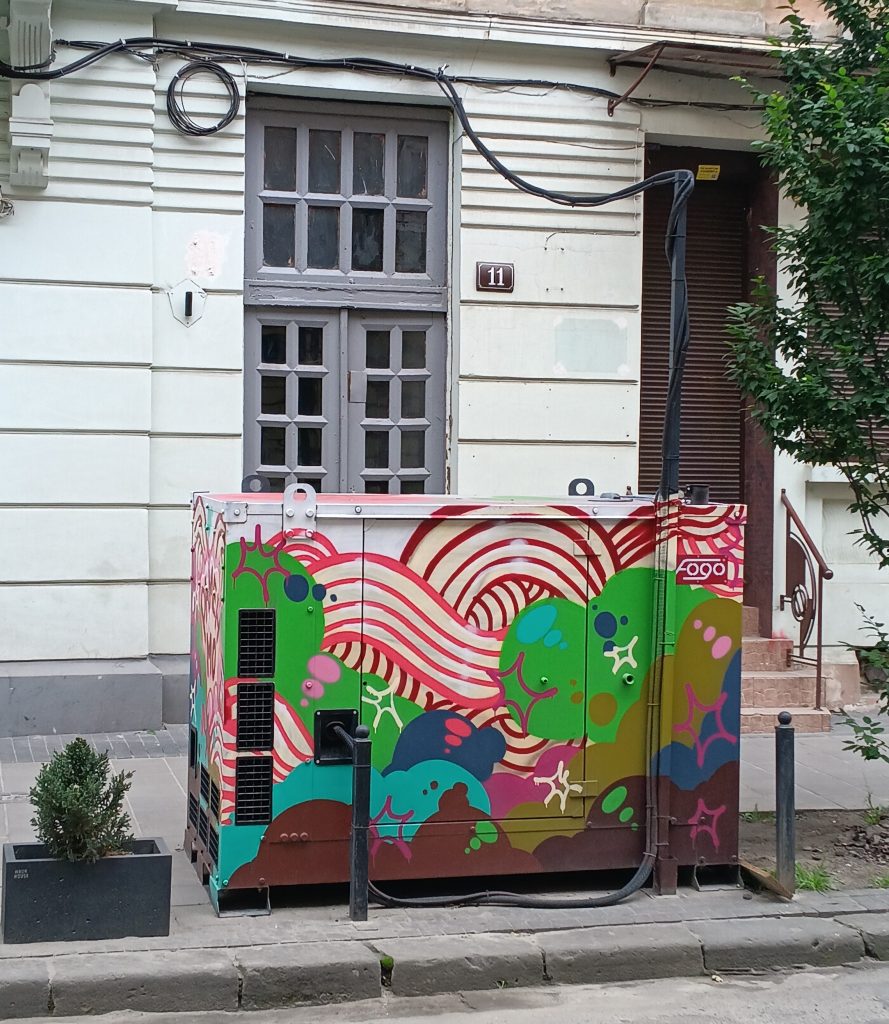
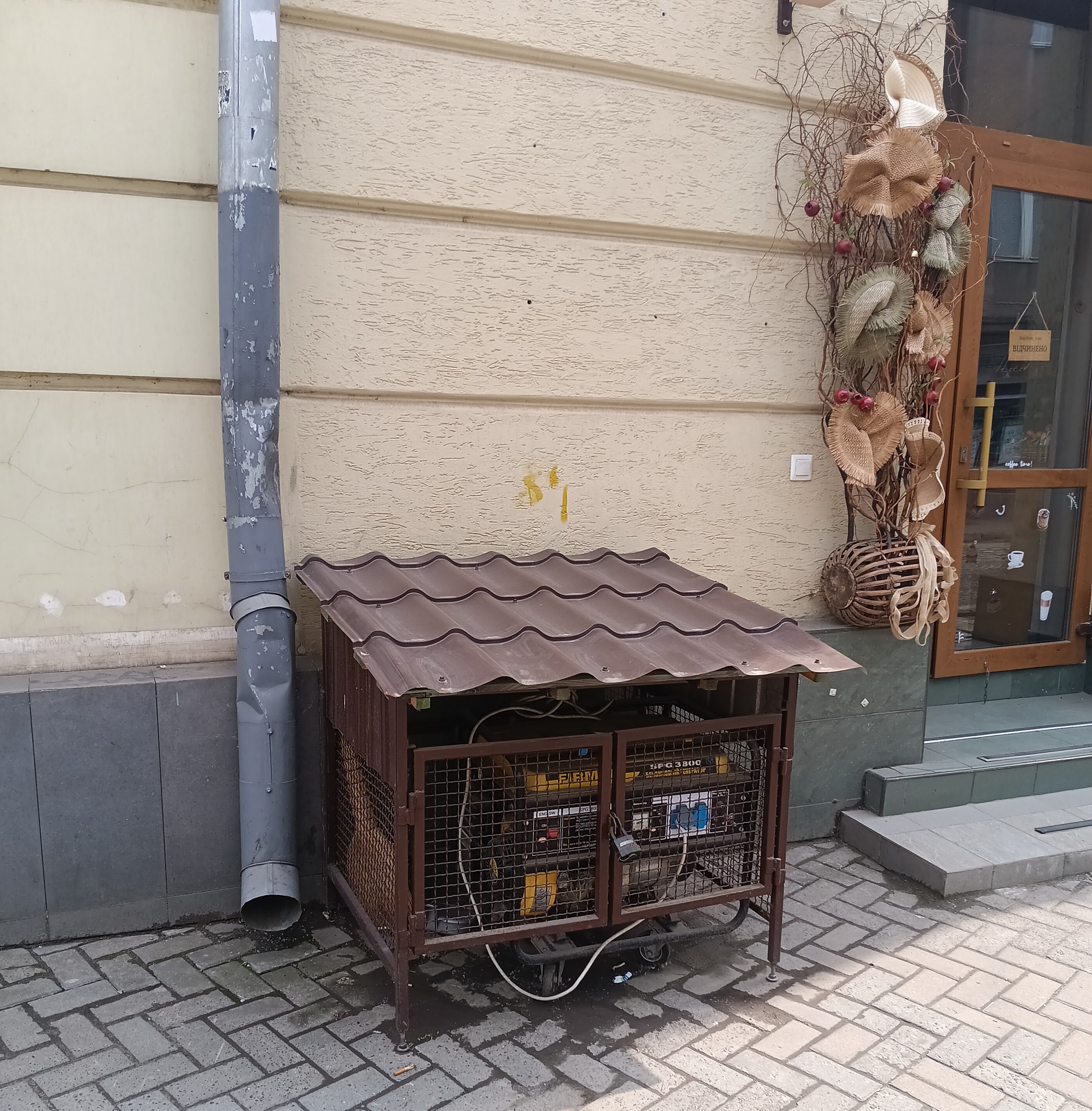
Another subtle reminder of war are the gas-powered generators in the street that are everywhere in Lviv. They range in size from smallish units we buy at home improvement stores to large industrial units to power an office building, hospital, or school. Most are standing loosely on or are bolted to the sidewalk, some have a locked cage with or without an artful roof. Some become objects of art as they are painted like a mural or adorned with tasteful graffiti. After a while one does not even see them anymore. The eye adjusts to the mostly silent generators. Once electricty is out, however, their noise becomes deafening and their purpose becomes clear immediately. Backup power kicks in as rolling backouts result from another Russian attack powerplants. Friends in Lviv told me of times last winter where they could not make hot water for a tea or coffee at temperatures reached -20 Celsius (-4 Fahrenheit) both inside and outside their appartements, because of Russia’s campaign to remove heat and electricity from Lviv’s population for hours and days. Energy systems were repaired only to be bombed and destroyed again the following day or week. Another winter is coming …

Unlike 2024 or 2025, a minute of silence is observed across the entire country now. Every day at 9 am all life stops for 60 seconds. Men, women, and children all interrupt what they are doing and remind themselves and everyone of the men and women fighting and dying in this war. Everyone stands up and most people pray silently or think of loved ones. Walking along a small side street one day, I even saw cars stop on the street, turn emergency lights on, and wait 60 seconds. The food delivery motorcycle did the same. Pedestrians stopped, held they right hand over their hearts, and looked in the direction of the closest church. It is a solemn and powerful act of remembrance that despite the good life, it is not good for all as about 800,000 soldiers provide the protection for the other 36 million to live in freedom. This implies that each Ukrainian soldier defends about 45 civilians. In the USA we would need about 8 Million soldiers to provide a similar level of protection.

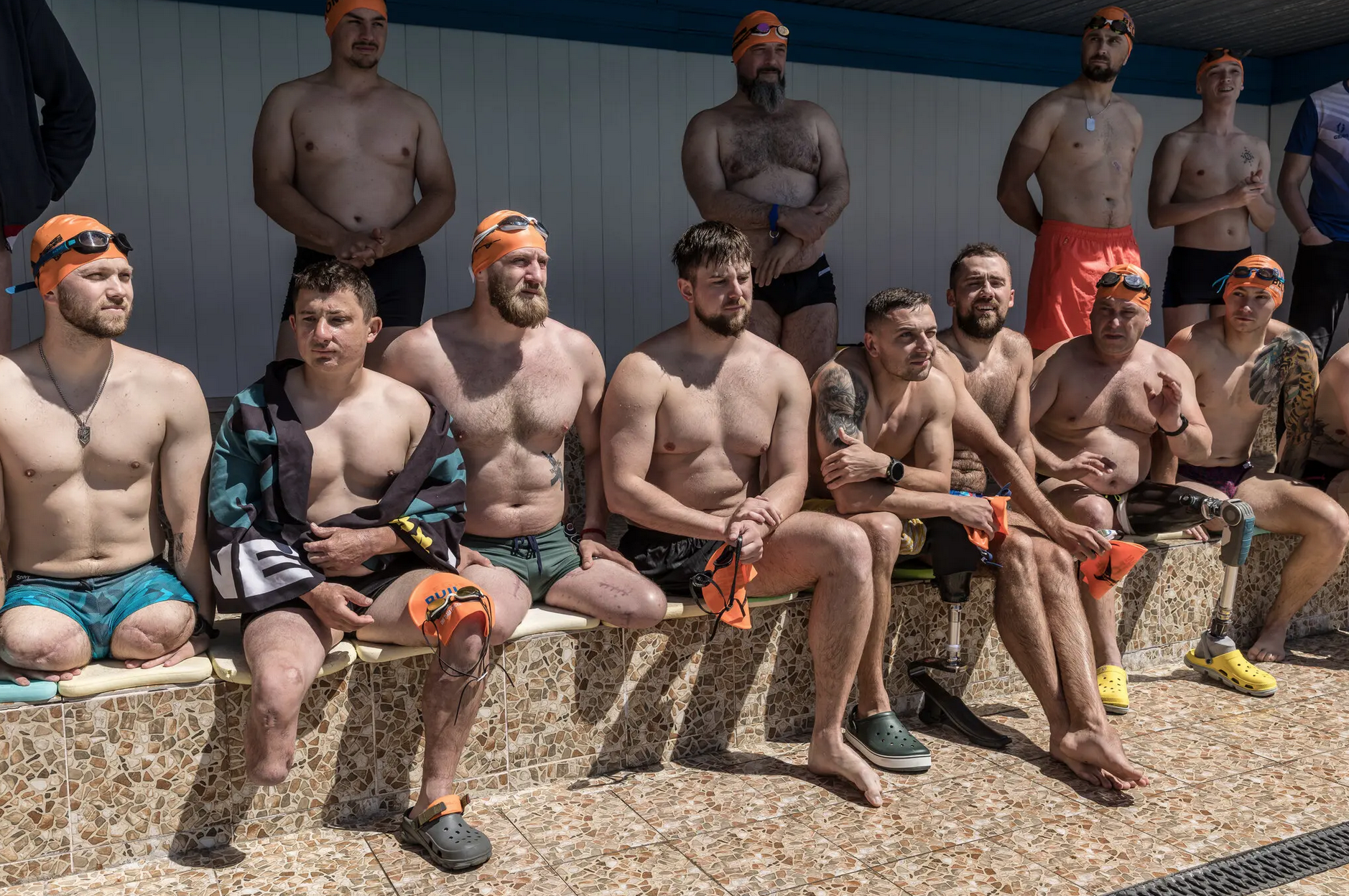
Preparing for races at a meet organized by One Team Forces, a group that supports veterans by focusing on rehabilitation and returning to an active life. [adapted from New York Times, June-25, 2026]

Another sad feature of the war are the many men without arms or legs or eyes who walk the streets on foot or in wheelchairs. They are about 25-45 years of age, physically fit, and like everyone else they visit restaurants, bars, churches, concerts, and sport clubs often with friends or loved ones. It all appears so normal even though it is not. The New York Times reported today of how the large number of wounded veterans learn new sports, adapt to old sports, and bond with each other by pushing their bodies and experiences. Every morning I saw them walk and run in Stryiskyi Park and play competitive bocce on weekends. A small section of the park was then closed for this competition with at least 30 sectioned fields. About 1 in 5 players had missing limbs, but that did not diminish the competitive fun with a picnic-like atmosphere.

I left Lviv sunday with a heavy heart, but then I was thinking about my wonderfully upbeat 18-year old students of the B1 group of German Language Summer School at the Ukrainian Catholic University. This video expresses their perspective on how we worked together with much fun and laughter [162 Mb video]:

Video of B1 Group of German Summer School 2026. Song “Mensch am Mond” by Leftovers (2024).

I promise myself to return next year, but then for at least 4 weeks. There is some hiking to be done in the Carpathian Mountains.

Navigating Health and Community in Germany as a Returned Immigrant: Trains, Sport, and Food

I emigrated in 1987 to the United States of America leaving Germany in 1985 to study oceanography in the United Kingdom. After graduate school, marriage, kids, U.S. citizenship, career, and finally retirement I arrived again in Germany, again as an immigrant, but now to the country where I was born. Renting a 2-bedroom appartment in the port city of Bremerhaven near the North Sea, I just received a 2-year residence permit. My status is that of a “former German” who speaks the language. With it came a work permit and a clear path to regain my long lost German citizenship.

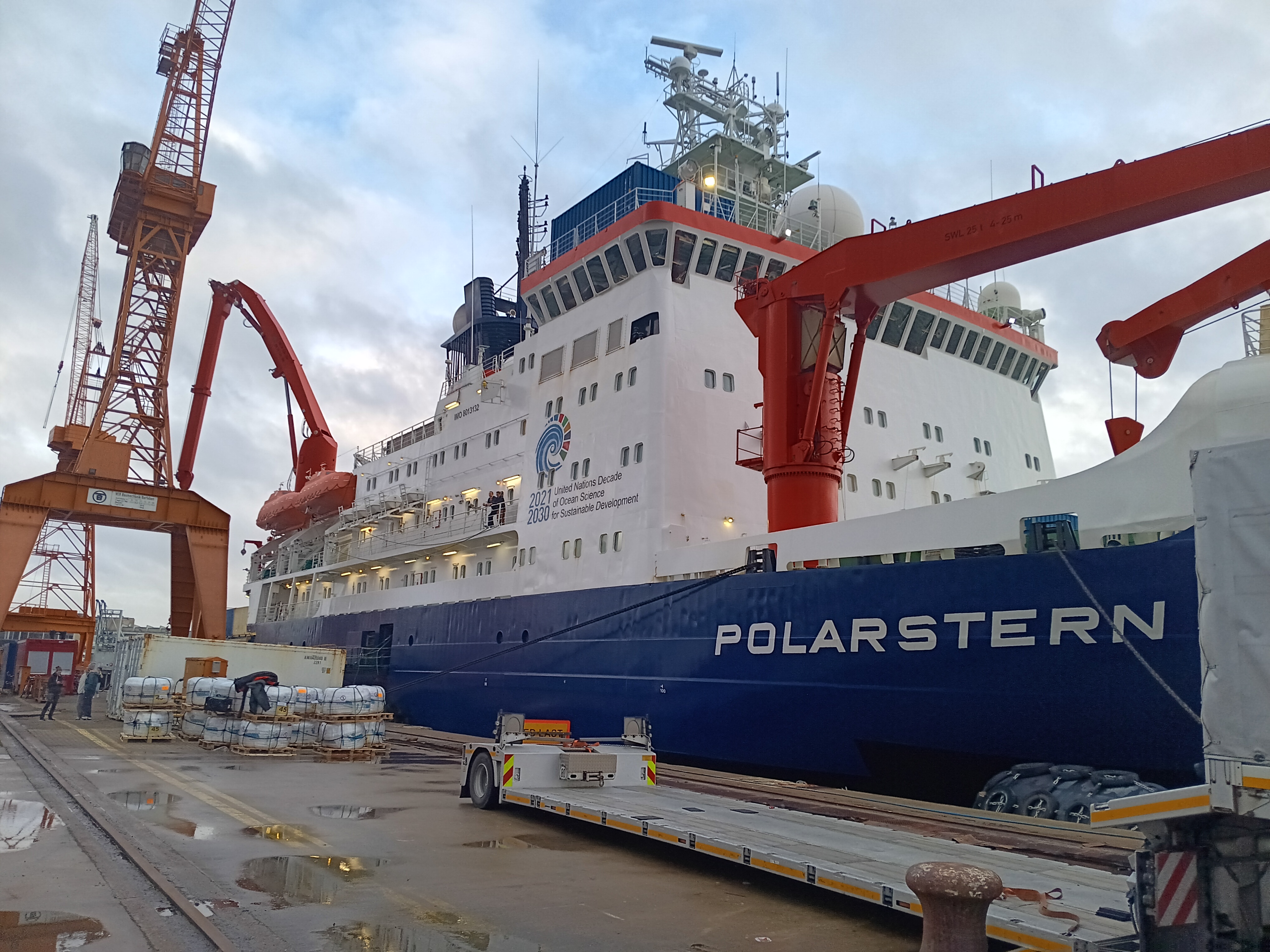
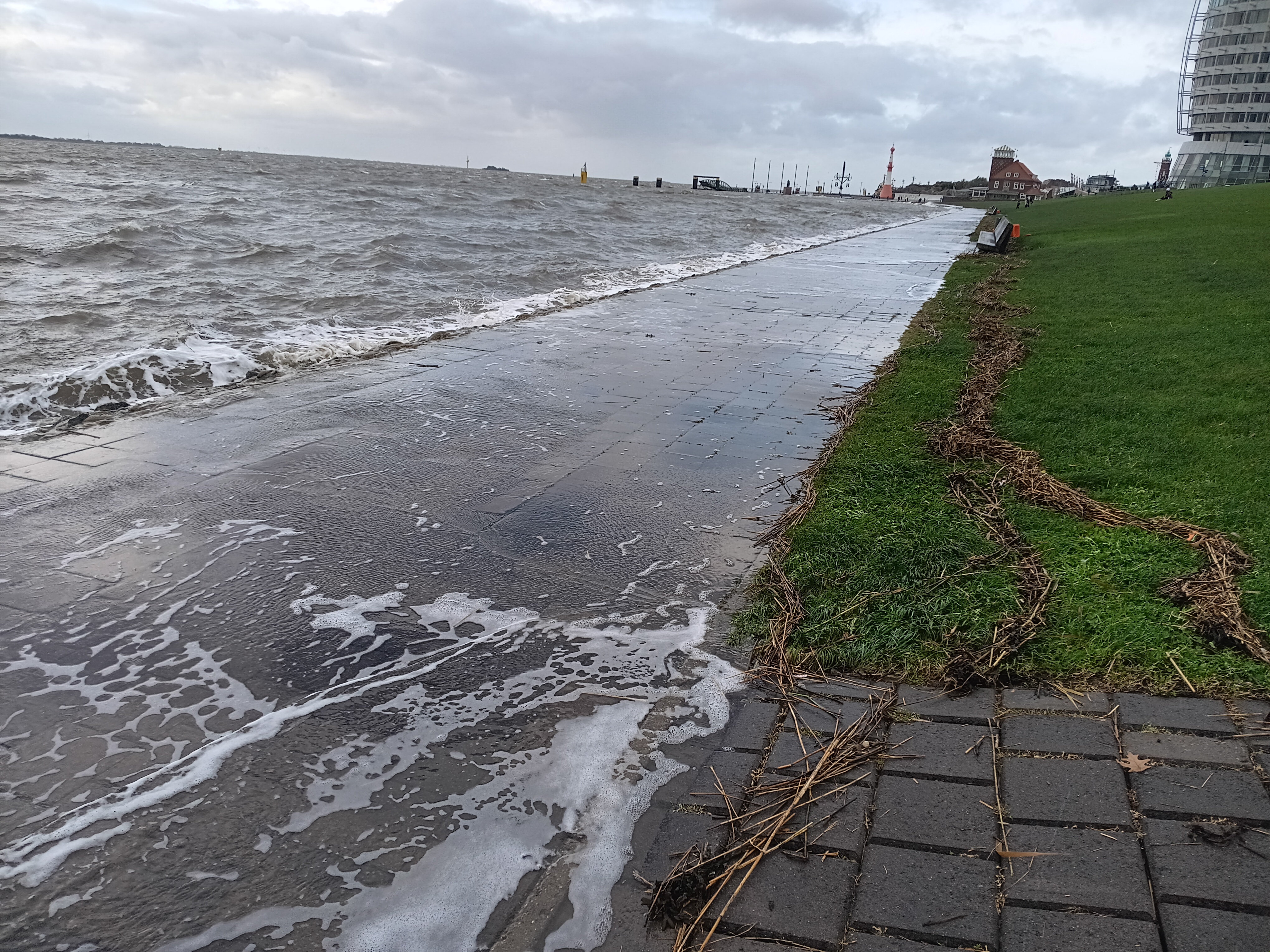
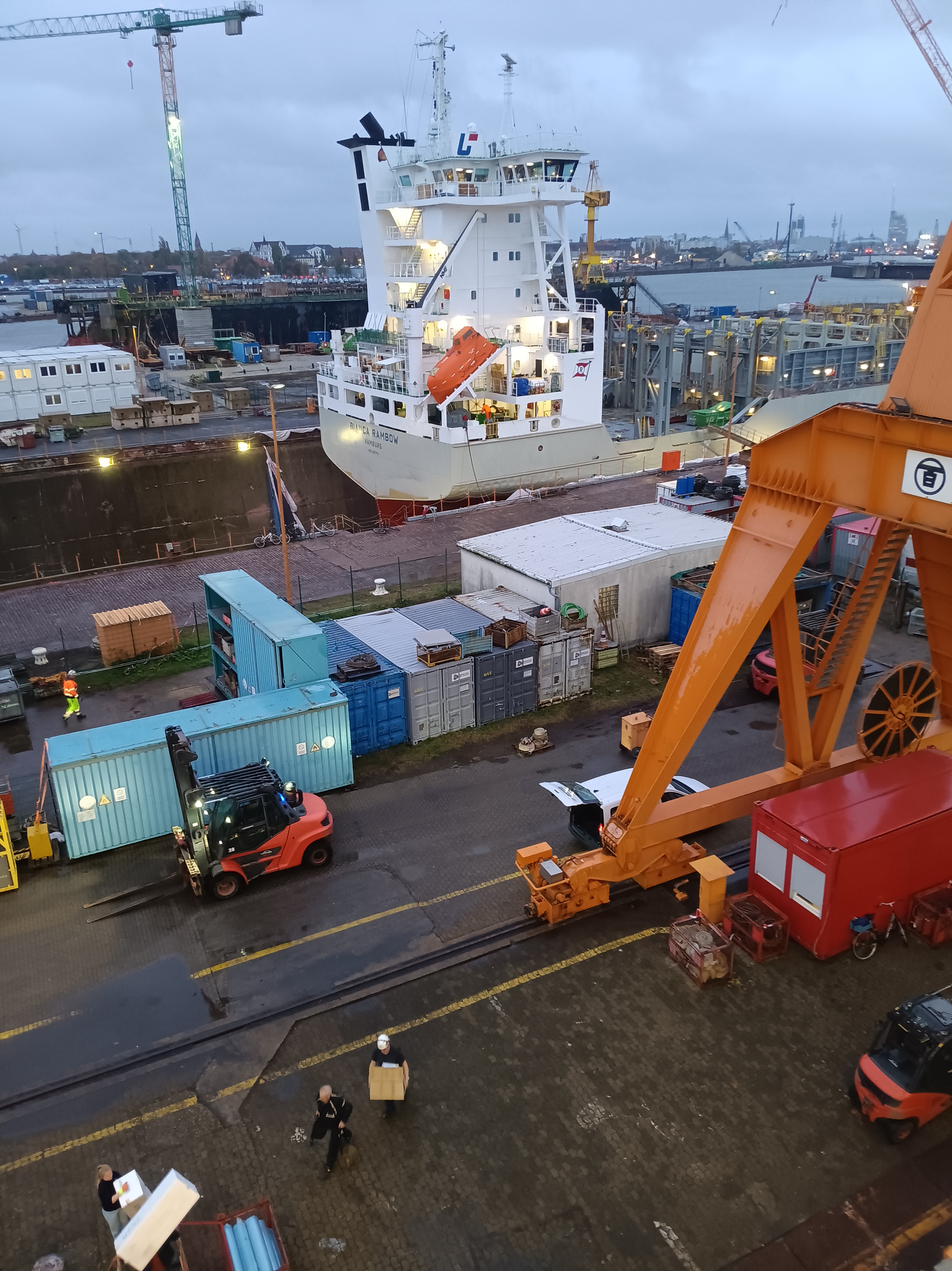
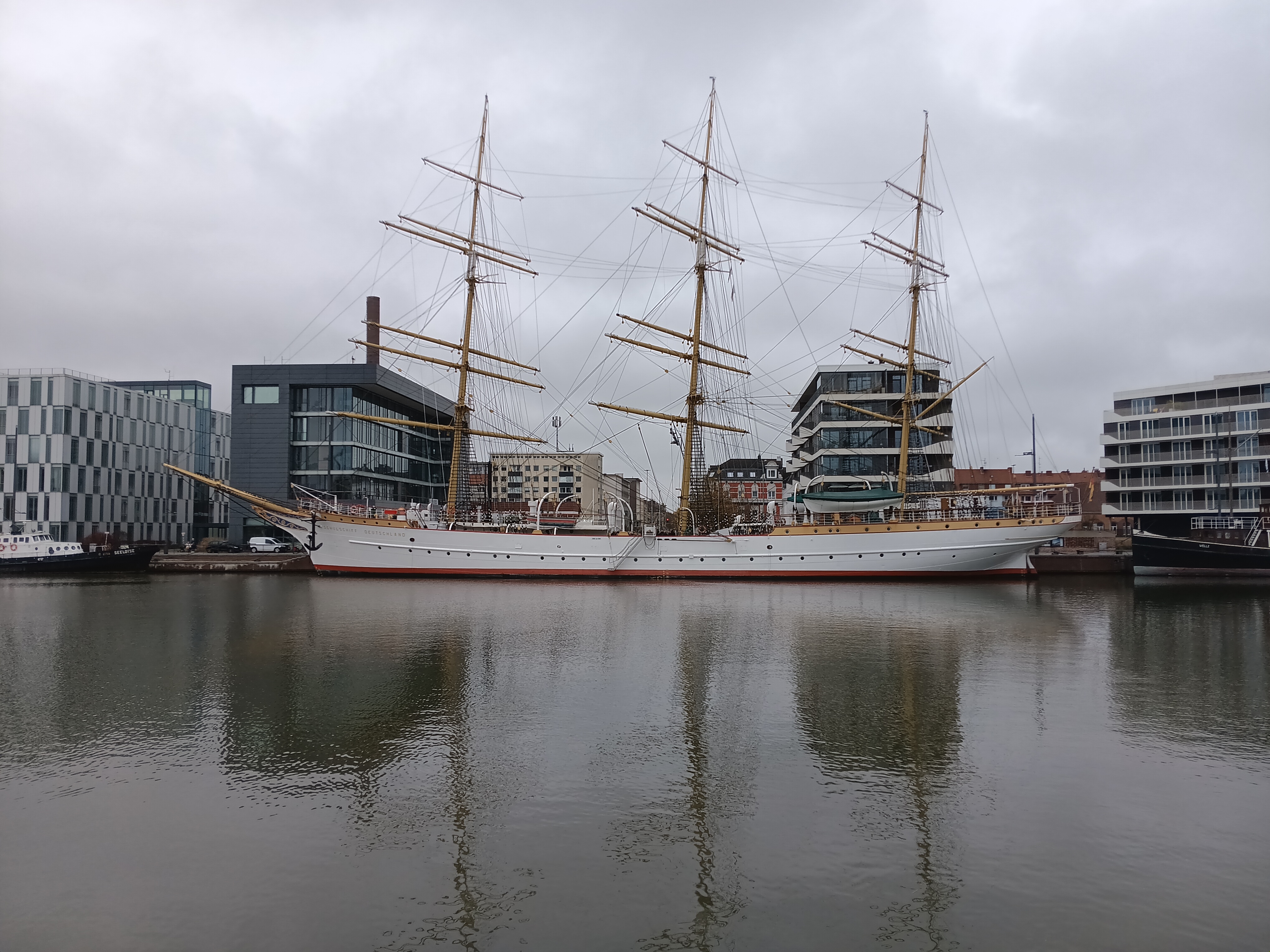
Arriving in Bremerhaven from Greenland in Oct. 2025.

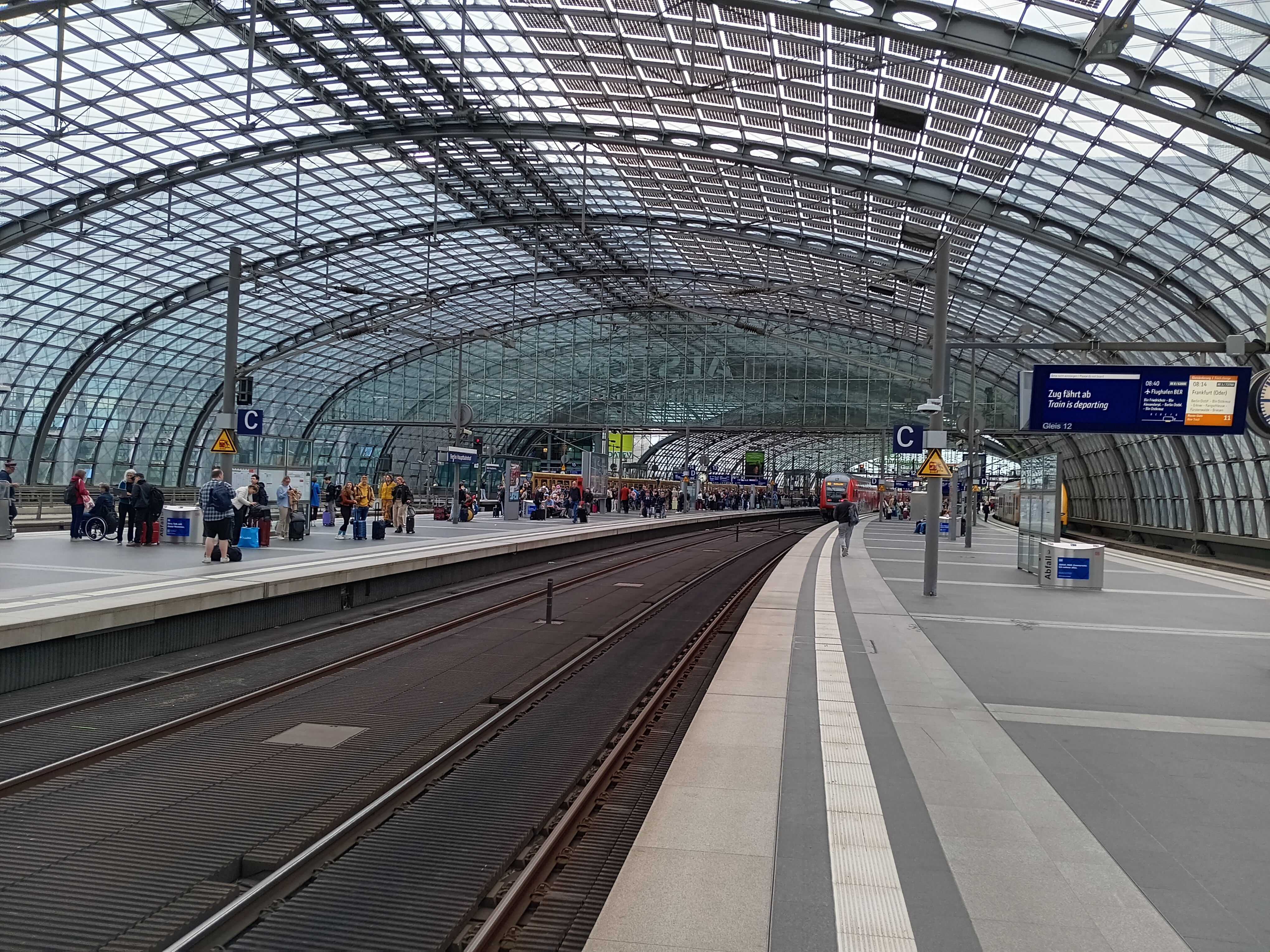
My first action in my new/old country was to take an 8-hour train ride to my 44-year High School reunion in Gross-Gerau. It felt good to re-connect with 5-6 people (out of ~200) with whom I shared classes and interests in motorcycles, history, politics, and travel. Oh, the price of the train ticket was about $60 return. Furthermore, this “Deutschland-Ticket” allows me to use ALL local trains, subways, and buses in ALL of Germany for an entire month. It was subsequently used to visit my parents 4 hours away and even friends and collegues in Denmark 6 hours away. Keep in mind, though, that while trains in Germany no longer run on time, they still go on at least an hourly schedule between 6 am and midnight on almost all routes. So, should you miss a train somewhere, well, relax a little, have a bite to eat or drink, chat with people, and take the next train at the always busy train stations.

Train travel in Germany: Berlin, Bremerhaven, and along the Rhine Valley near Koblenz in 2025.

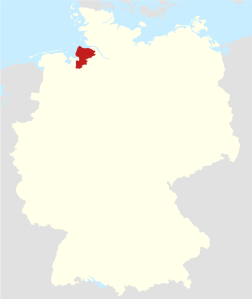
Next, I joined a local tabletennis club, the Geestemünder TV for $15/month. It takes less than 10 minutes on a bicycle to reach each of the 2 public schools where our club uses the gym in the evenings to practice. Many members have keys to open on mondays, tuesdays, wednesdays, and thursdays. It was supposed to run fridays also, but nobody shows up then. Communication happens via WhatsApp in diverse groups of friends, teams, or the entire club. Our club is surrounded by perhaps 50 similar clubs located to the north, east, and south by the rural County of Cuxhaven:

Location of Cuxhaven and Bremerhaven (red area), Germany. The blue areas in the north are the Baltic Sea (top-right) and North Sea (top-left). Hamburg is the largest city about 2 train hours east. I was born in Lübeck on the Baltic Sea and raised close to Denmark 8 miles from the North Sea. [Source].

Within a week I was added to a competitive travel team. You can watch my competitive prowness in the 3rd county league online at www.mytischtennis.de. There are about 16 different county leagues, each league has about 10 teams, and each team has at least 4 players. That comes to about 640 active and competitive players for a small rural county where 200,000 people live plus the 110,000 people who live in Bremerhaven. Leagues are sorted by skill level (scored daily after each play). Above the county leagues there also exist several regional, state, and national leagues up to the professional “Bundesliga.” Here average salaries are $30,000 to $50,000 per year, so, it is not a get-rich-quick scheme. For comparison, a full-time city bus-driver in Bremerhaven makes about $40,000 per year before taxes.

It is these sport clubs (“Sportvereine” in German) that hold Germany together socially and mix up its populations. The people on my team range from 16 to 69 years of age. I train with people aged 12 as well as people aged 78 as well as teenagers from Ukraine, Russia, and Syria. I play with people who have lived and worked the port, construction, government, or academia for the last 40 years. After each competitive match a social gathering of who played follows over beer or juice as well as snacks that range from a warm sausage to fruit and sandwiches. Stories of games, people, life, and adventures follow before everyone heads home. Oh, people no longer smoke during these indoor socials, but people frequently disappear outside for a cigarette even between games. So not everyone does this for healthy living …

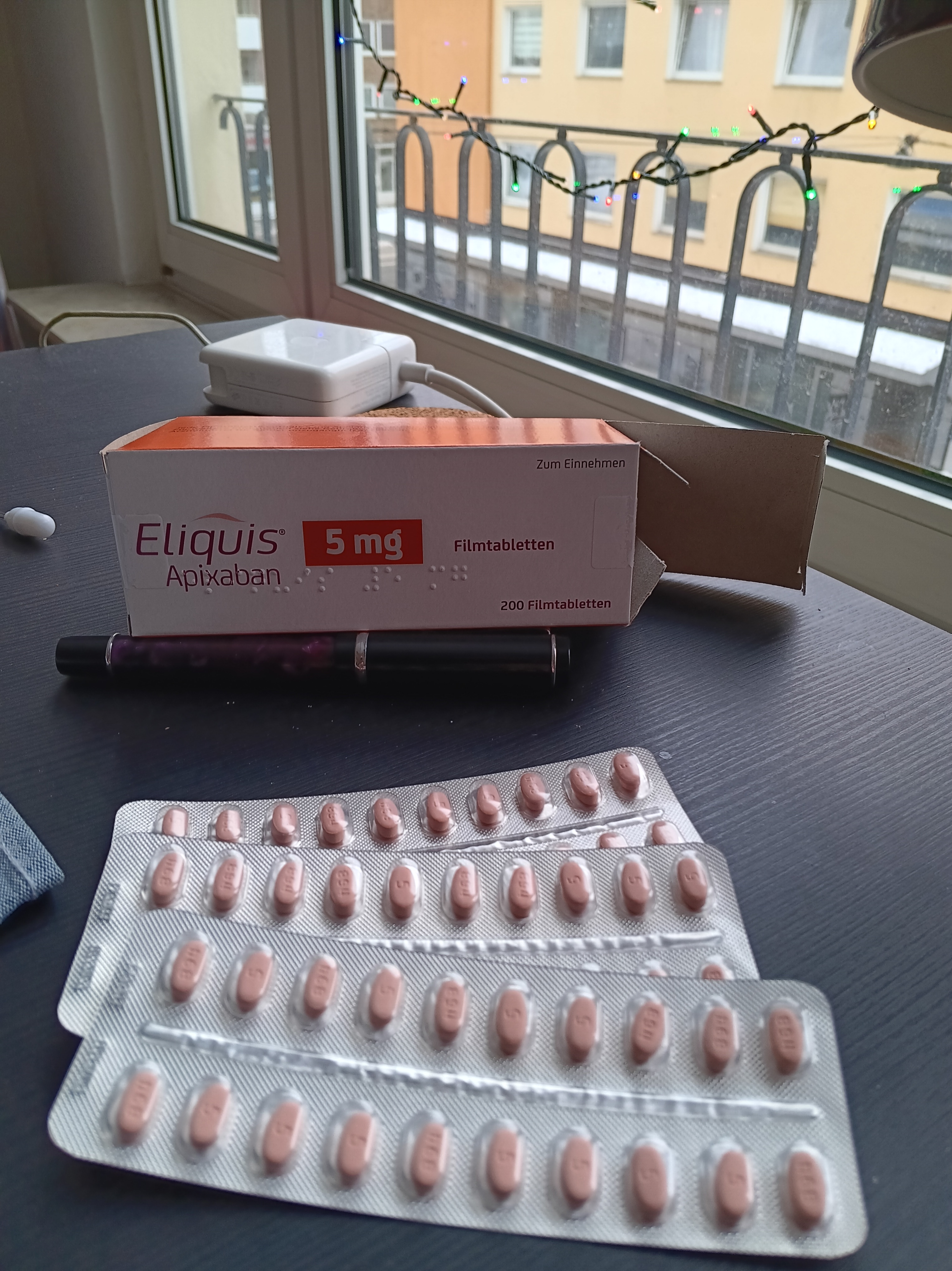
Stepping off the ship back last fall, I noticed difficulty breathing while bicycling, playing table tennis, or even climbing the stairs to my 3rd floor apartment. I visited a doctors office 5 minutes on foot from my home without an appointment. Within an hour a doctor interviewed me, initiated a blood test, and gave me referals. When the blood indicated the possibility of a blood clot in my lung (pulmonary embolism) in the evening of the same day, the doctor called me back to her office to pick up the prescription of a blood thinner. With 10 minutes to spare before closing time of the pharmacy I picked up a 90-day supply (200 tablets of 5 mg) of Eliquis for about $280. It removed the embolism within a week. The charge for the doctor’s visit and blood test was $140. My doctor also prescribed an inconclusive chest x-ray ($60) and a very conclusive Cat-Scan of my lung after a tracer was injected into my veins to map the flow of blood through my lungs ($520).

So, within 4 weeks I had both a solid diagnosis and successful treatment of a serious health issue. The total cost came to under $1000. In the USA the medication alone would cost $1153 AFTER 40% discount that Bristol-Myers Squibb and Pfizer offer to those who buy Eliquis directly from them bypassing pharmacies. This “reduction” was triggered by pressure from the U.S. Government as reported by CNBC.

Every legal resident of Germany must have health insurance. That is the Law in Germany. Neither visa nor residence permit is issued without proof of health insurance. The market for short-term (1-6 months) health insurance is competitive and tailors to immigrants, expats, and long-term travelers. Within a week of arrival, I had purchased such insurance for $58/month for 6 months. As I do have excellent health insurance in the USA (at ~$2300/month for my family; I pay 20% or $500/month and my former employer the rest), I here went with the absolute bare minimum required by German Law, so it will be interesting to see what it will cover. I just submitted the bills for reimburstment and expect very little, but I may be surprised, as I was, when I paid the low cost of the outstanding health care that I received in one of the poorest cities in Germany.

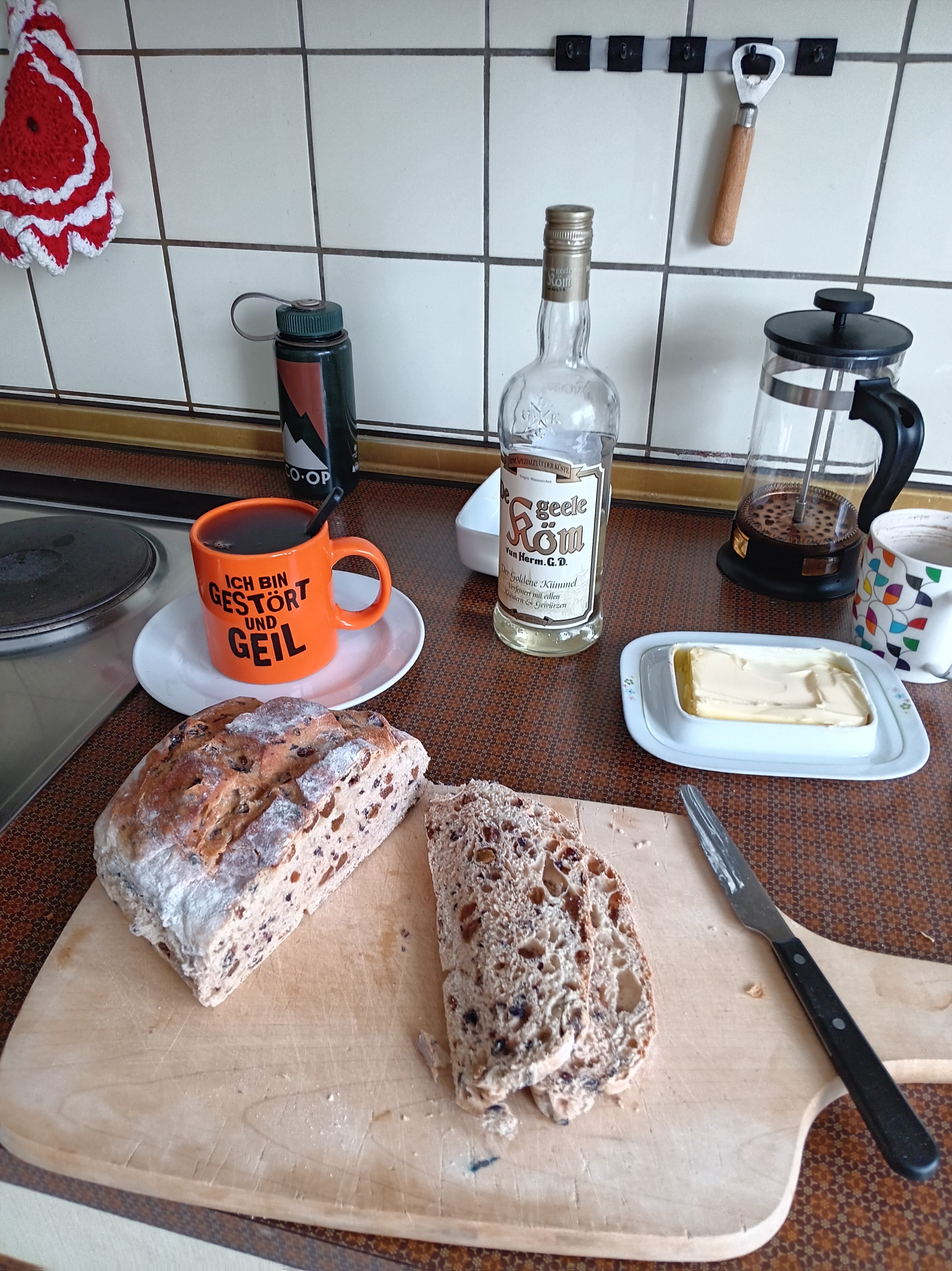
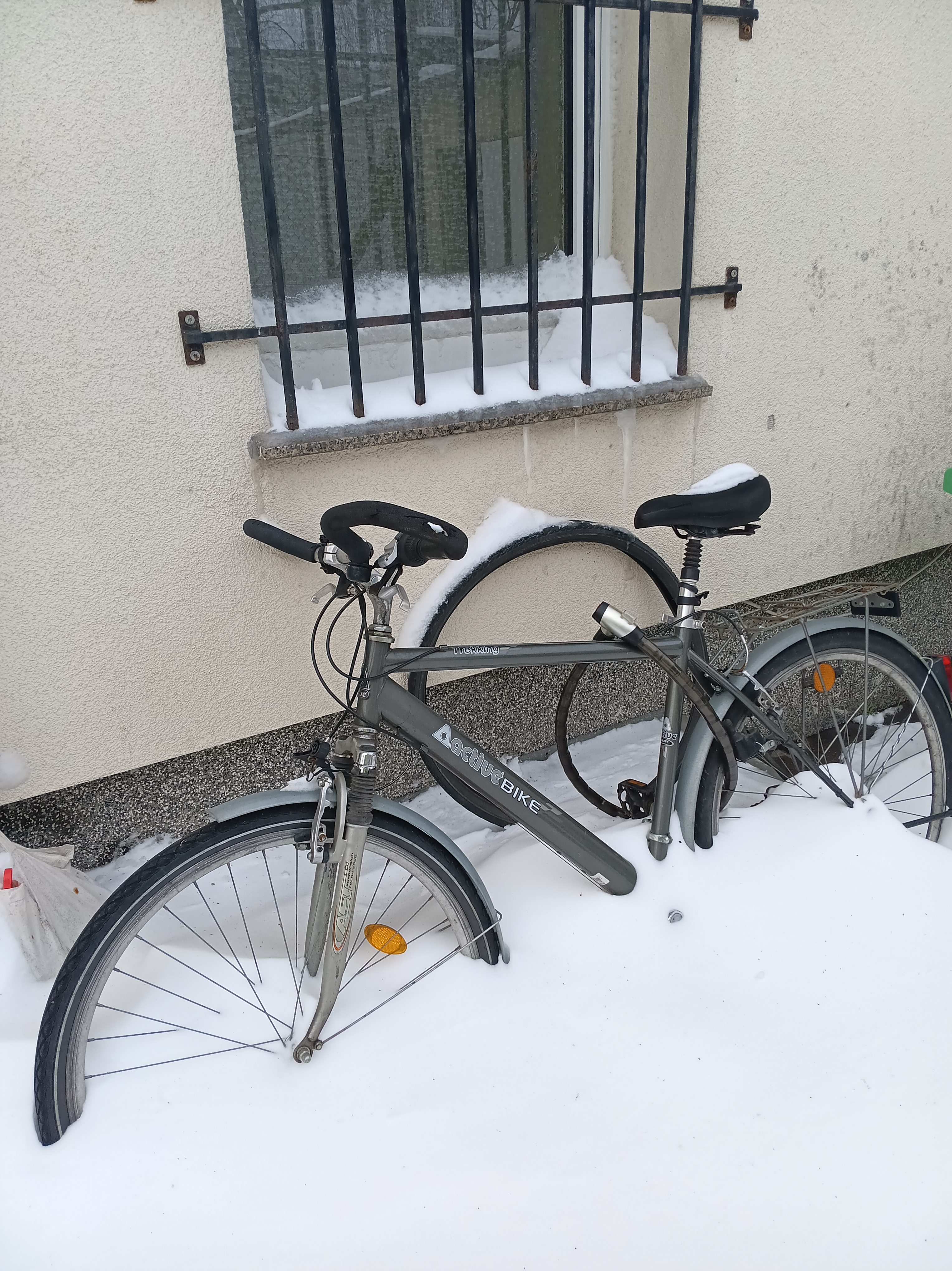
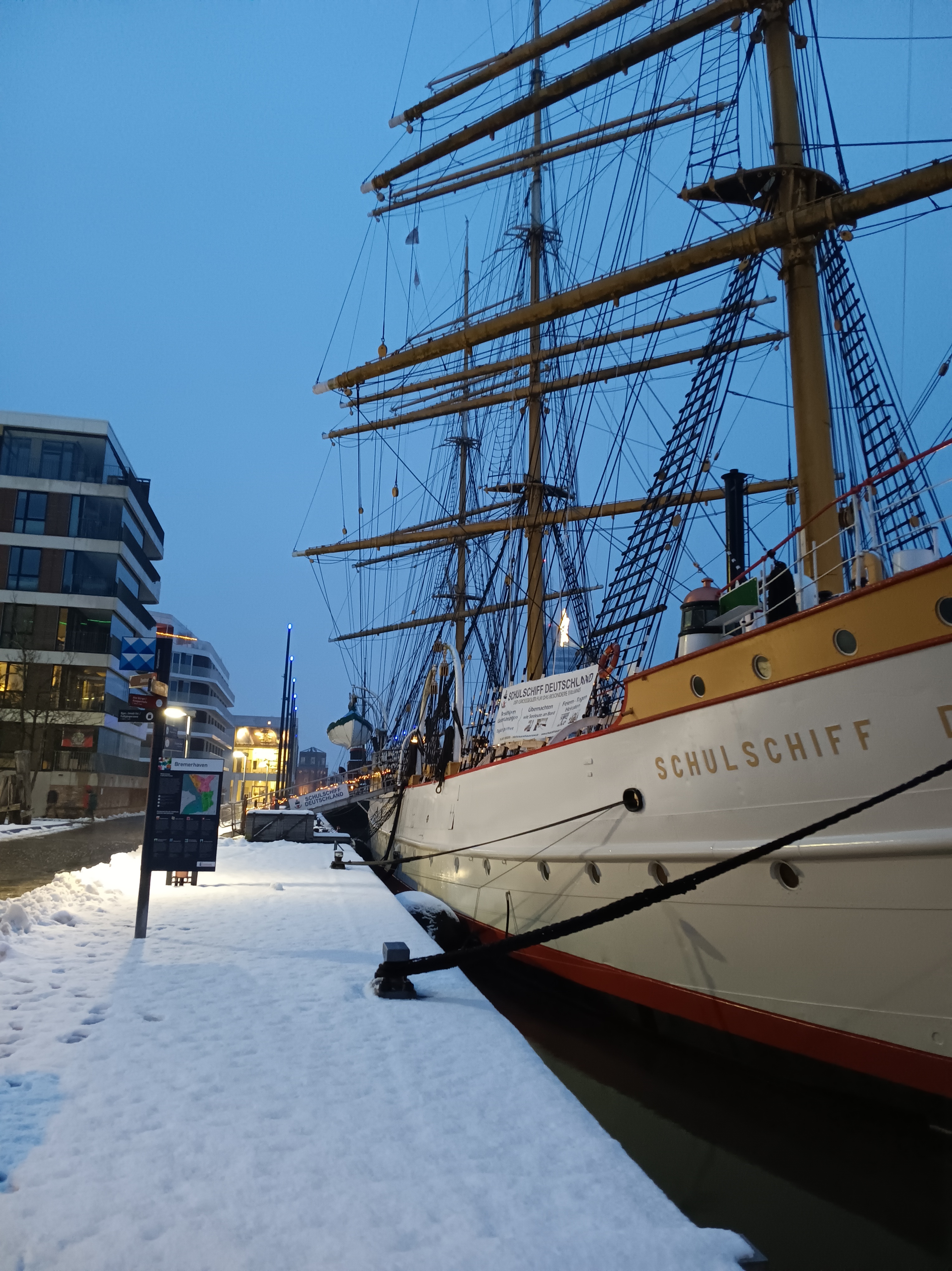
In the meantime, an unusual snowstorm called “Ellie” hit northern Germany yesterday. Schools were closed, trains were canceled, and people were asked to stay home … which I did. Today, however, I was back on my bicycle to head to the farmers market to buy my bread, eggs, vegetables, and meats. Only my favorite cheese stand was not there today. Here are a few photos of my kitchen and living room today as well as my parked bicycle and some scenery during an afternoon walk around the block along the water:

Back-Packing to Pioneer Basin in California’s High Sierra: Beaches and Swimming and Trout

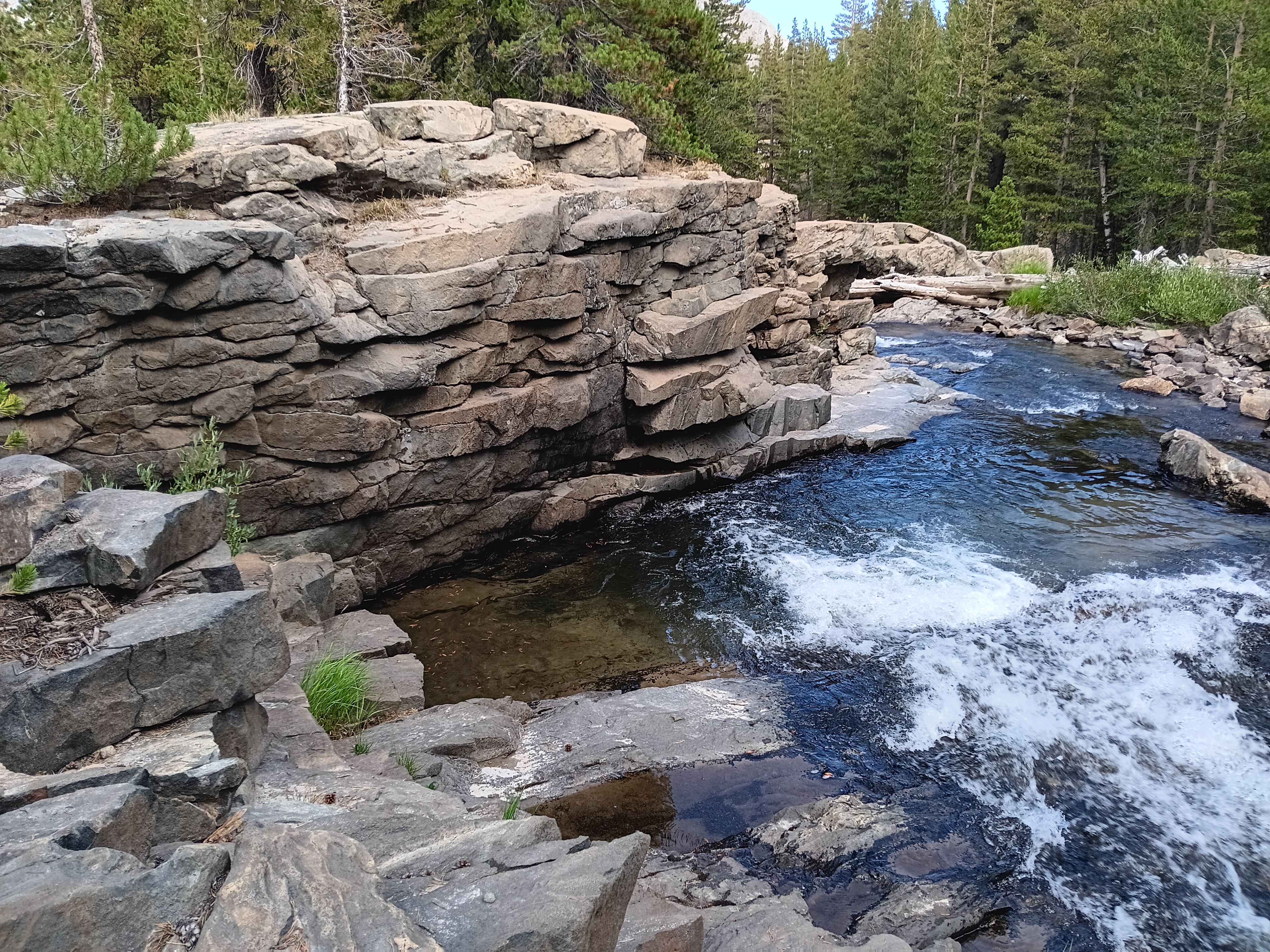
Pavla stopped her Suburu Outback on the side of the road in Tuoloume Meadows, Yosemite National Park to pick up a 63-year old hitchhiker who tried to reach his remote Parker/Mono trailhead. First, however, Pavla had to take a swim in the wild local river. Thus she provided the aging back-packer, that was me, with an expert lesson on what to do in California’s back-country when one sees a pristine lake or stream: undress and jump in. And so I did with some hesitation, admittedly, the water was cold after all. Jumping naked into a stream after an attractive woman who had just picked me up from the side of a road, I do not do that naturally, but Pavla taught me how to swim in places like these:

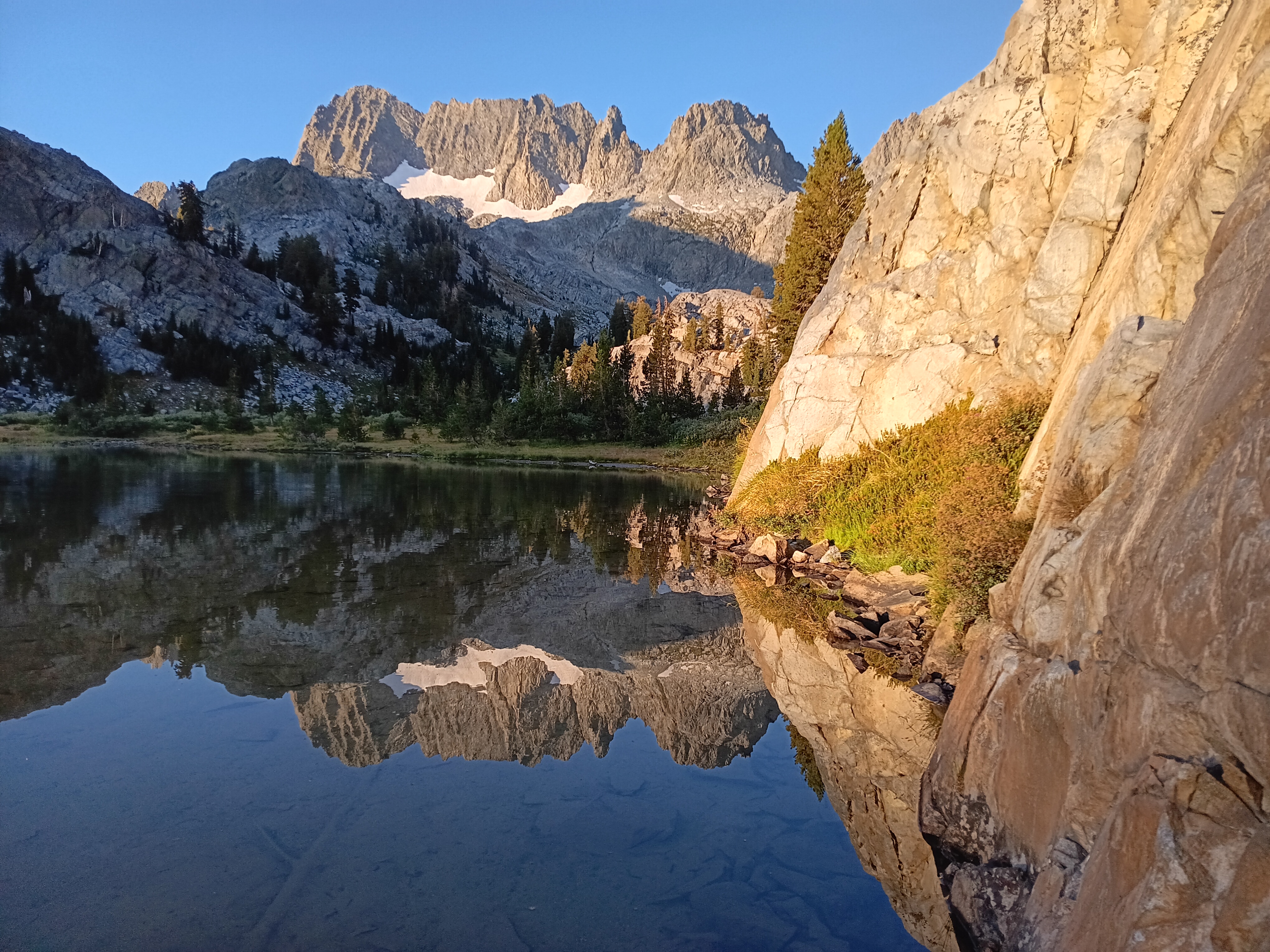
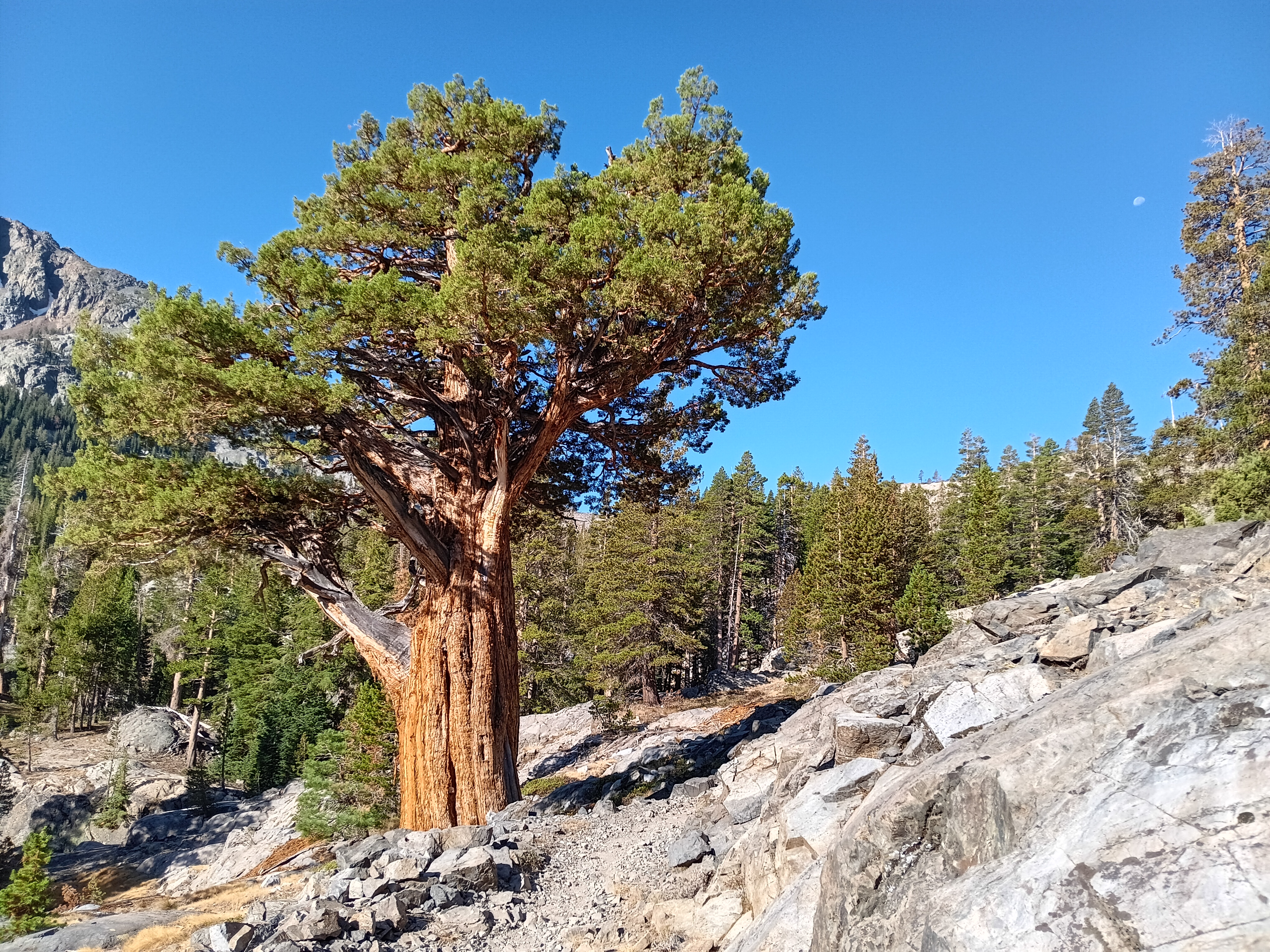
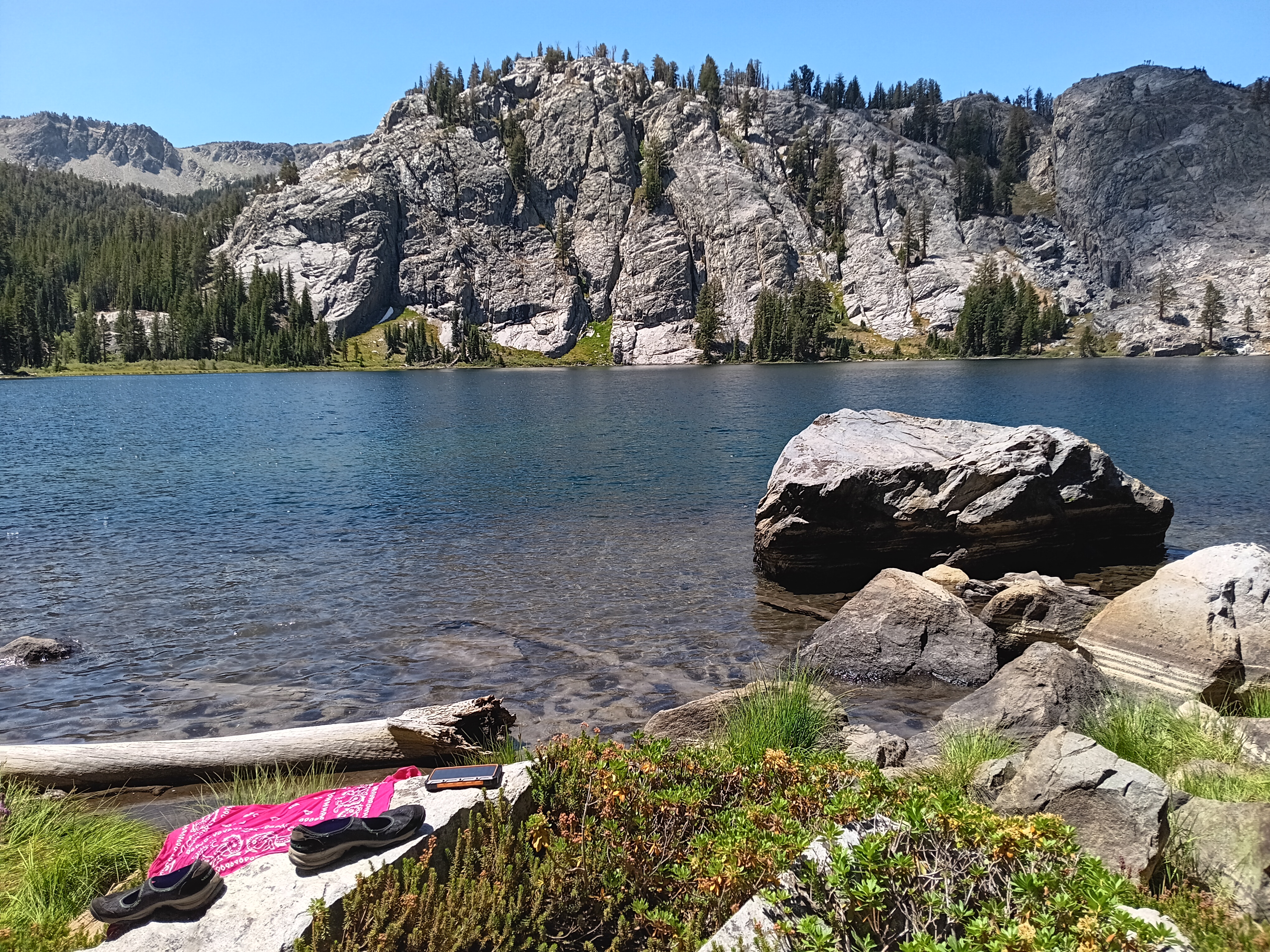
Minaret reflections in Ediza Lake (top left, Aug.-13), Western Cedar tree along the way (top right, Aug.-13), Rush Creek (bottom, Aug.-11), and Rosalie Lake (right center, Aug.-13).

I swam the next 14 days in Rush Creek, Emerald Lake, Ediza Lake, Shadow Lake, Rosalie Lake, McCloud Lake, Duck Lake, Purple Lake, Lake Virginia, Big McGee Lake, Fourth Recess Lake, Pioneer Lake-10817, Pioneer Lake-10871, Pioneer Lake-11194, and lastly Trail Lake. And at each of these daily swims I was alone in or at the water. Only McCloud Lake I shared with two anglers early in the morning, but this lake was about 1/2 mile from the bus stop to the town of Mammoth Lakes, California, where I resupplied myself with food a week into my hike. Passing over Duck Pass the next day, I was now on my way towards Pioneer Basin which was the main goal of this years’ trip into mountains.

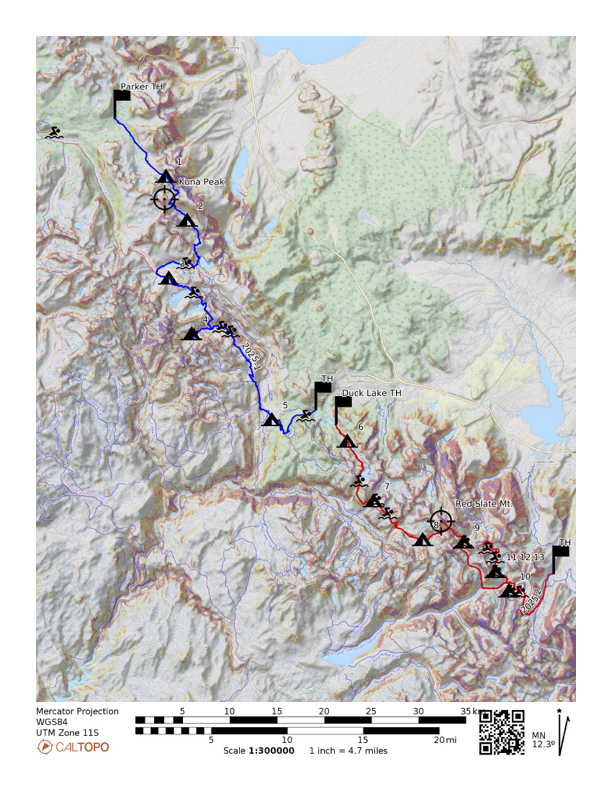
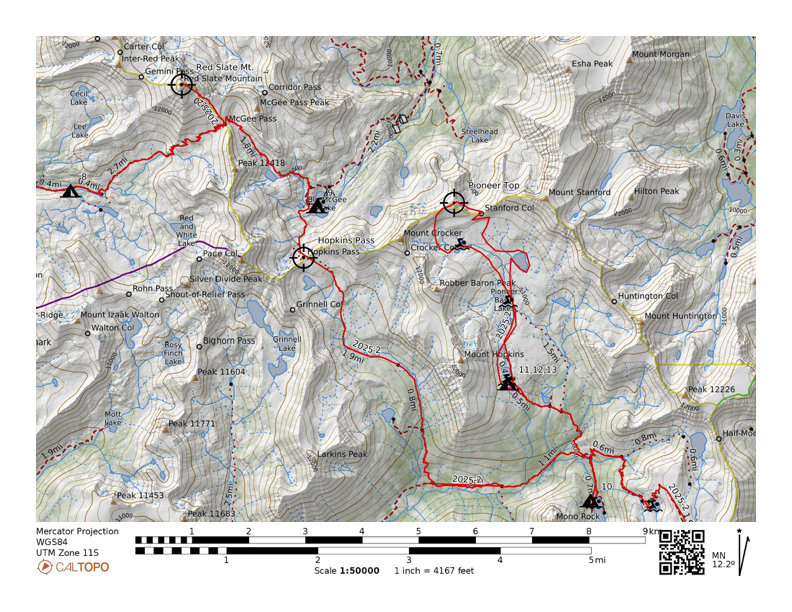
Tracks, camps, and swims during 2025 back-packing trip Aug. 9-22. Flags indicate trailheads with entry in Yosemite National Park in the north (blue track) and John Muir Wilderness in the south (red track). Crosshairs are at Kuna Mountain (13,008′ or 3965 m) in the north and Red Slate Mountain (13,135′ or 4002 m) in the south. Right panel is a close up of McGee Pass, Red Slate Mountain, Hopkins Pass, and Pioneer Basin.

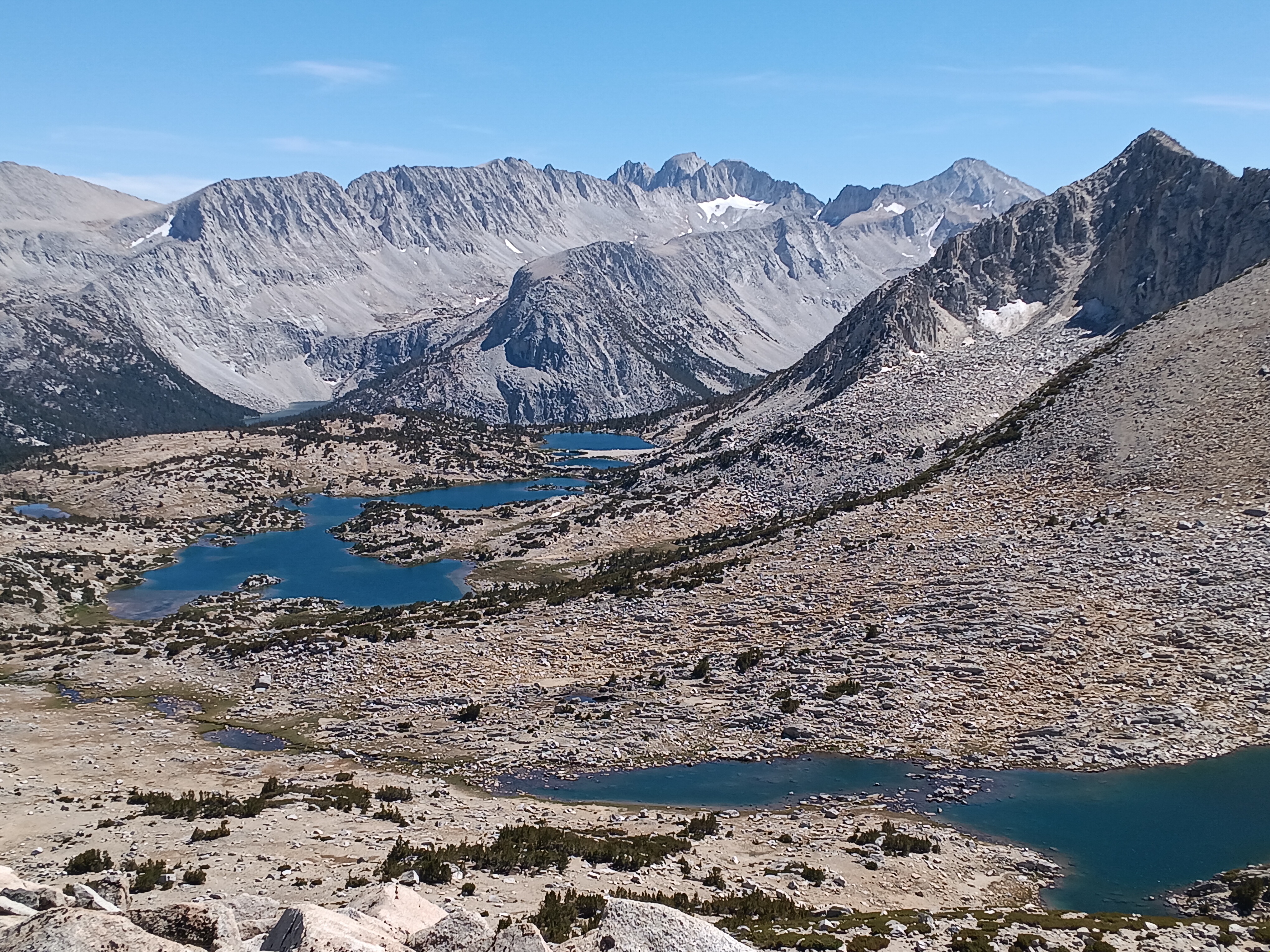
Pavla encouraged me to get into Pioneer Basin which she described as a wild, beautiful, and flatish place with many lakes and no trails. And so it was my home for 3 days and nights. The lack of trails scared me at first, because my 2024 California hike challenged me when my trail disappeared for 3 days in Ansel Adams Wilderness. The “trail” was there in theory, but it was overgrown by waist high brush, young trees, leave piles, and fallen trees after several forest fires raged through the area 10 or 20 years ago. This was at lower altitudes of 7,500′ (2300 m) and thus well below the treeline. In contrast, Pioneer Basin is above the treeline near 11,000′ (3300 m) and surrounded on 3 sides by high mountains to ease navigation. Nevertheless, it was tricky to reach from the north-west, because I had to cross two high passes only one of which had an established trail.

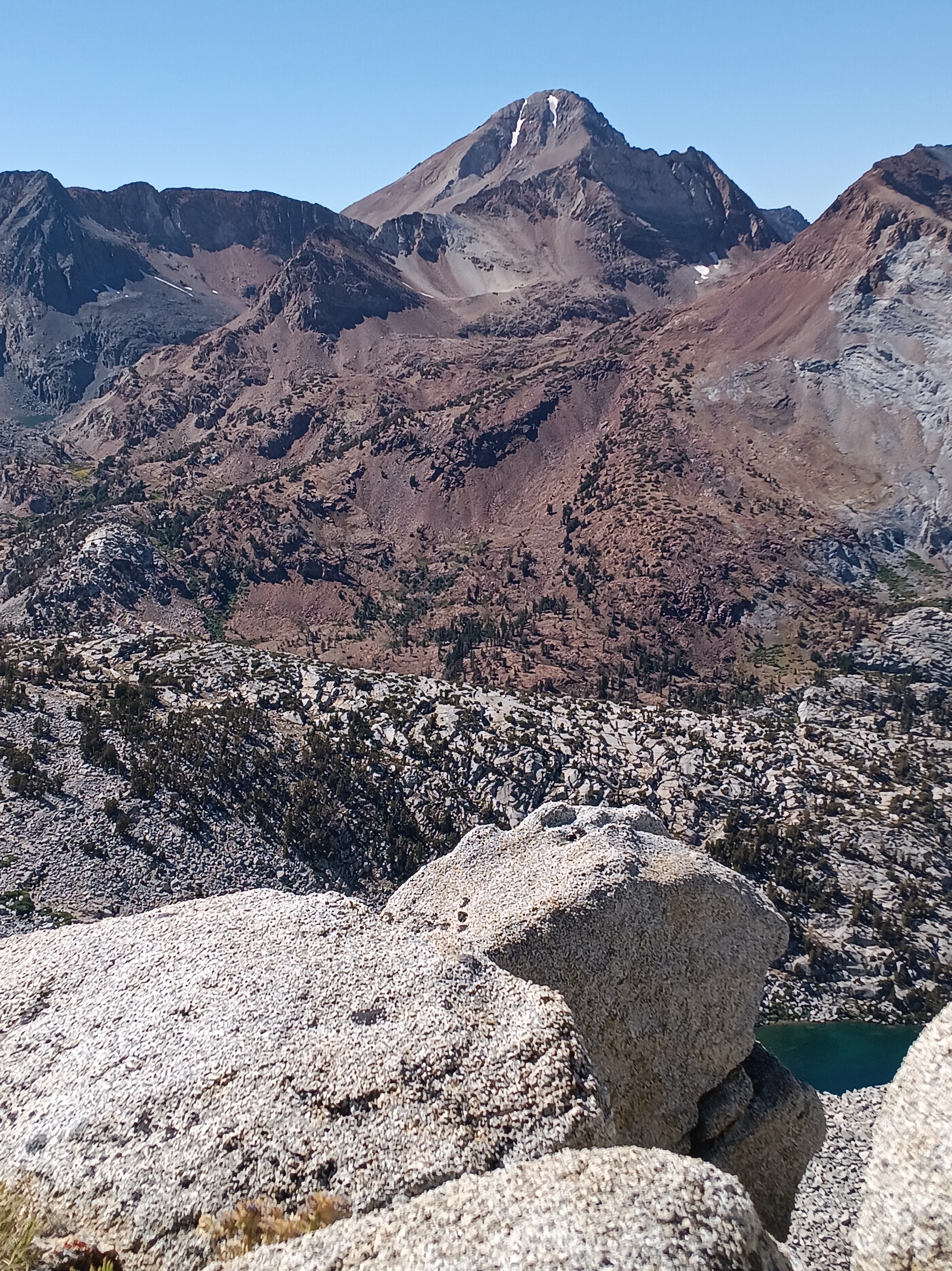
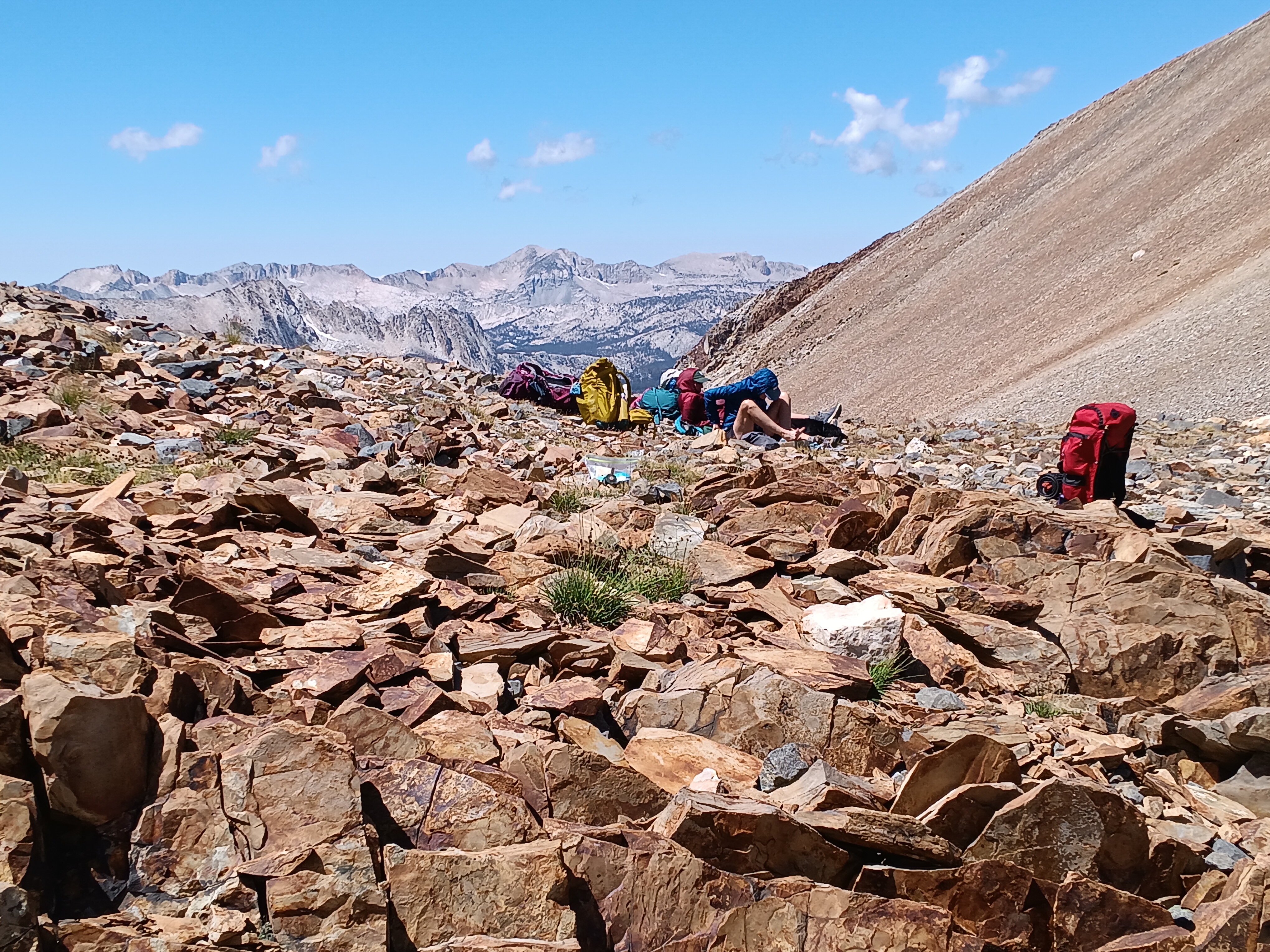
McGee Pass came first after hiking down to and then up Fish Creek to its origin below the snow fields of Red Slate Mountain. I hiked loosely with two parents my age and their grown two daughters and their dog. I had met them 3 days prior climbing up to Duck Lake and we kept meeting each other on the trail with few other people. We had lunch together atop McGee Pass at 11,900′ (3600 m) when I decided to climb the mountain following yet another tip of Pavla. Without my backpack the climb up Red Slate Mountain was at first delightful, but later became steep and strenuous. Much to my surprise, I suddenly had cell phone coverage near the top and I sent photos to my wife Dragonfly back home. It felt strange and funny to sit atop high mountains talking to Dragonfly who was walking below tall skyscrapers near Manhattan’s Fifth Avenue. She was not eager to talk, because she tried frantically to escape rain and traffic with a group of friends. Her husband, meanwhile, sits mellow atop the worlds with nearby clouds and far horizons as his only companions:

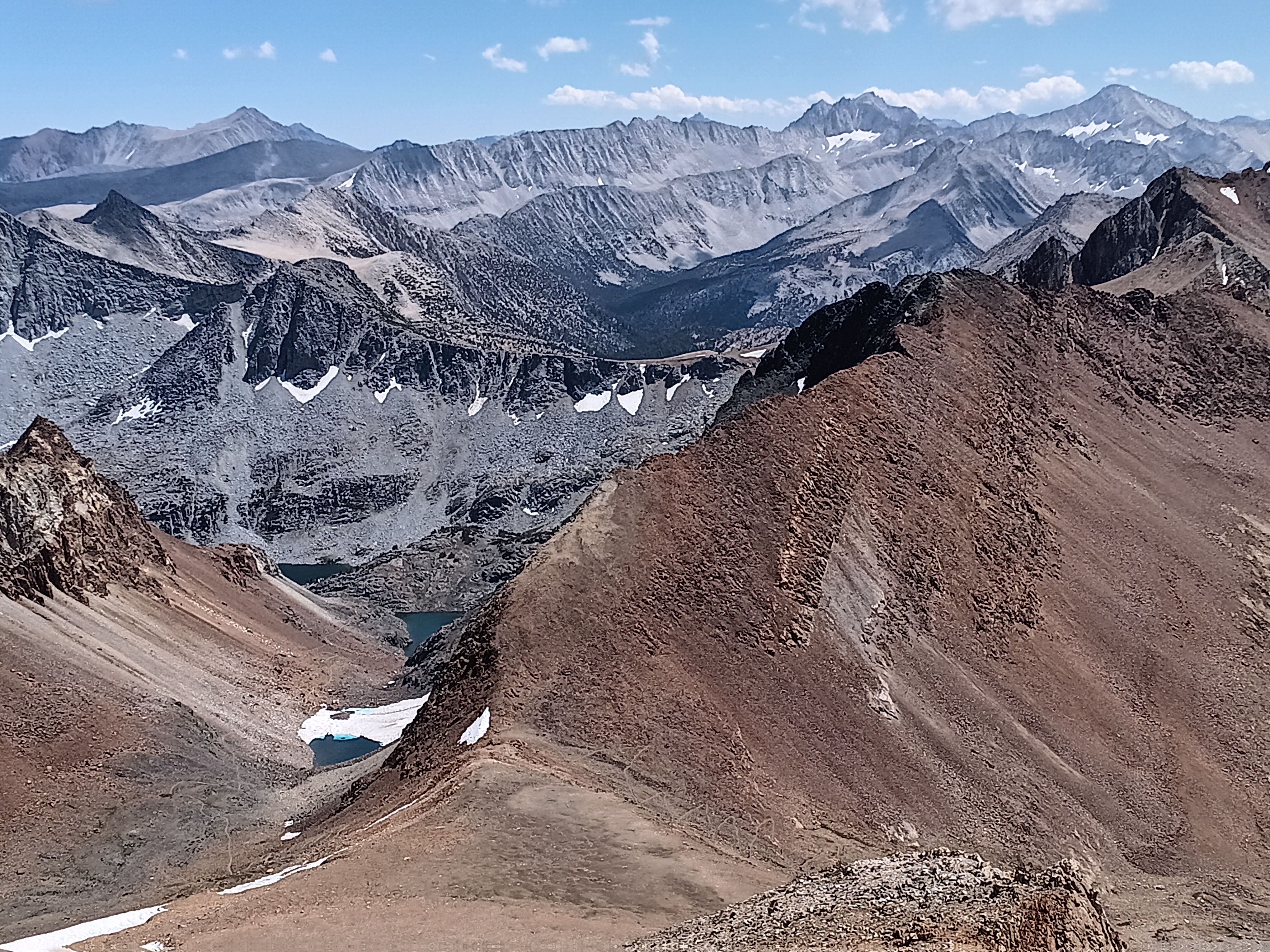
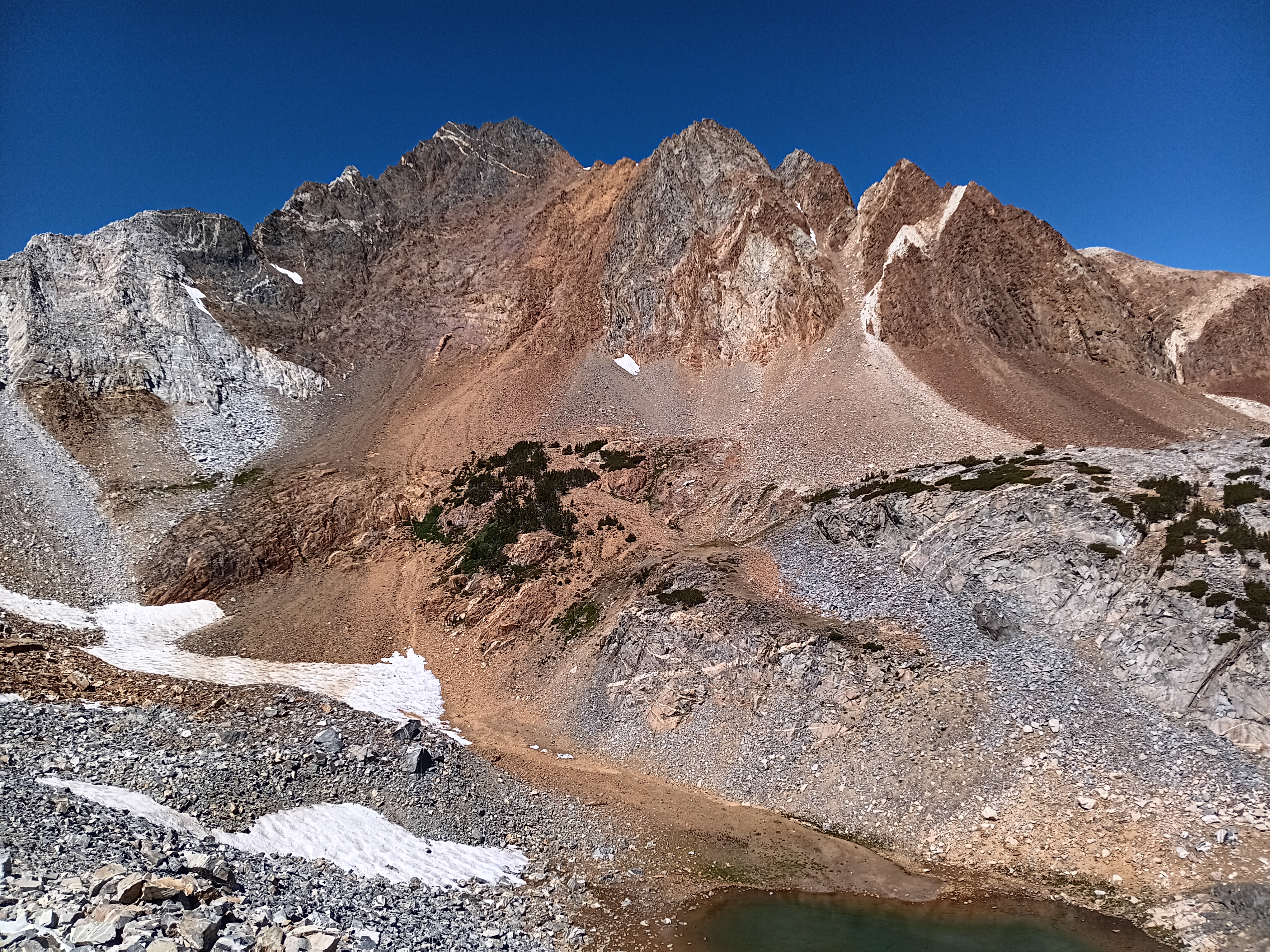
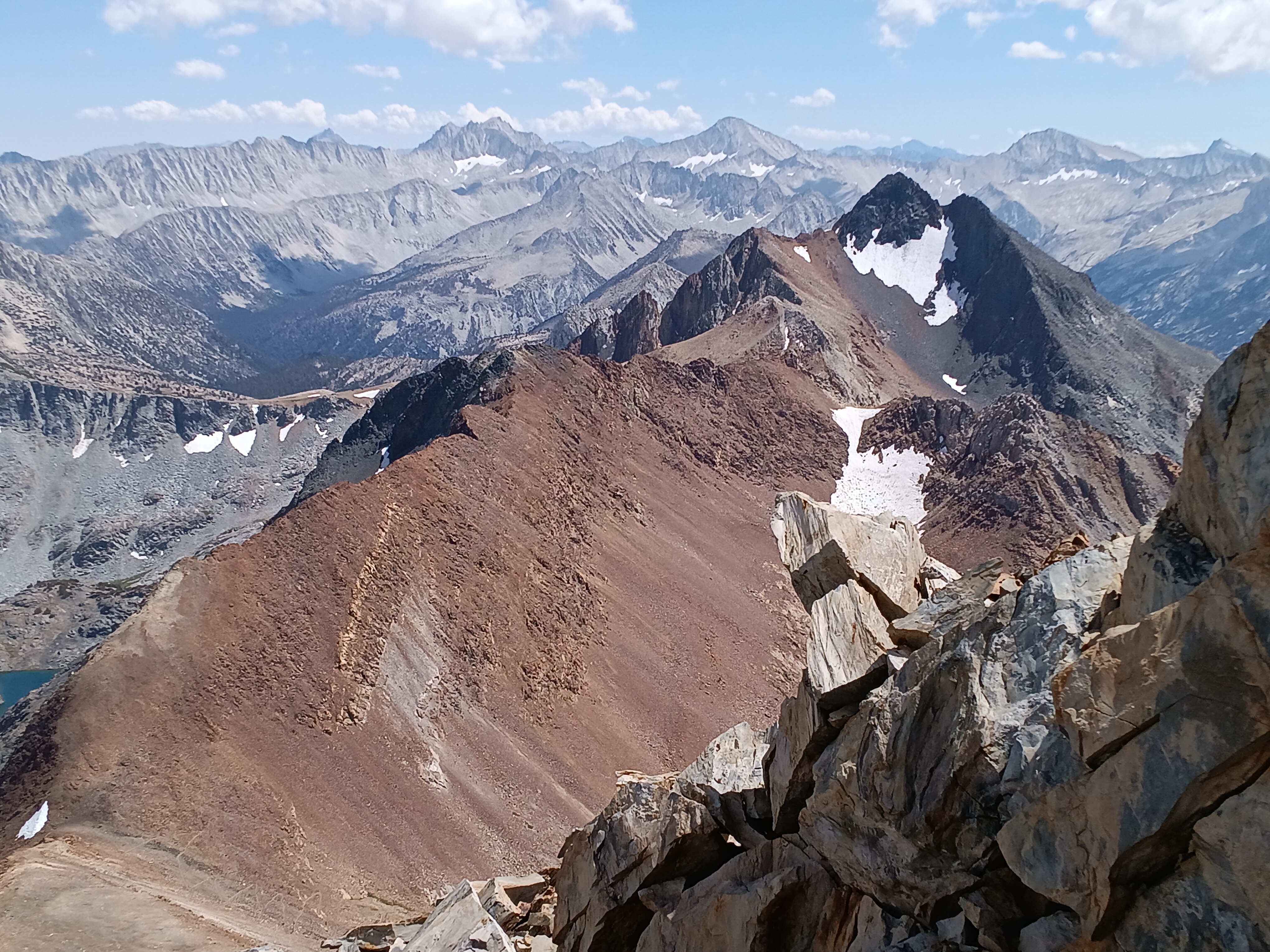
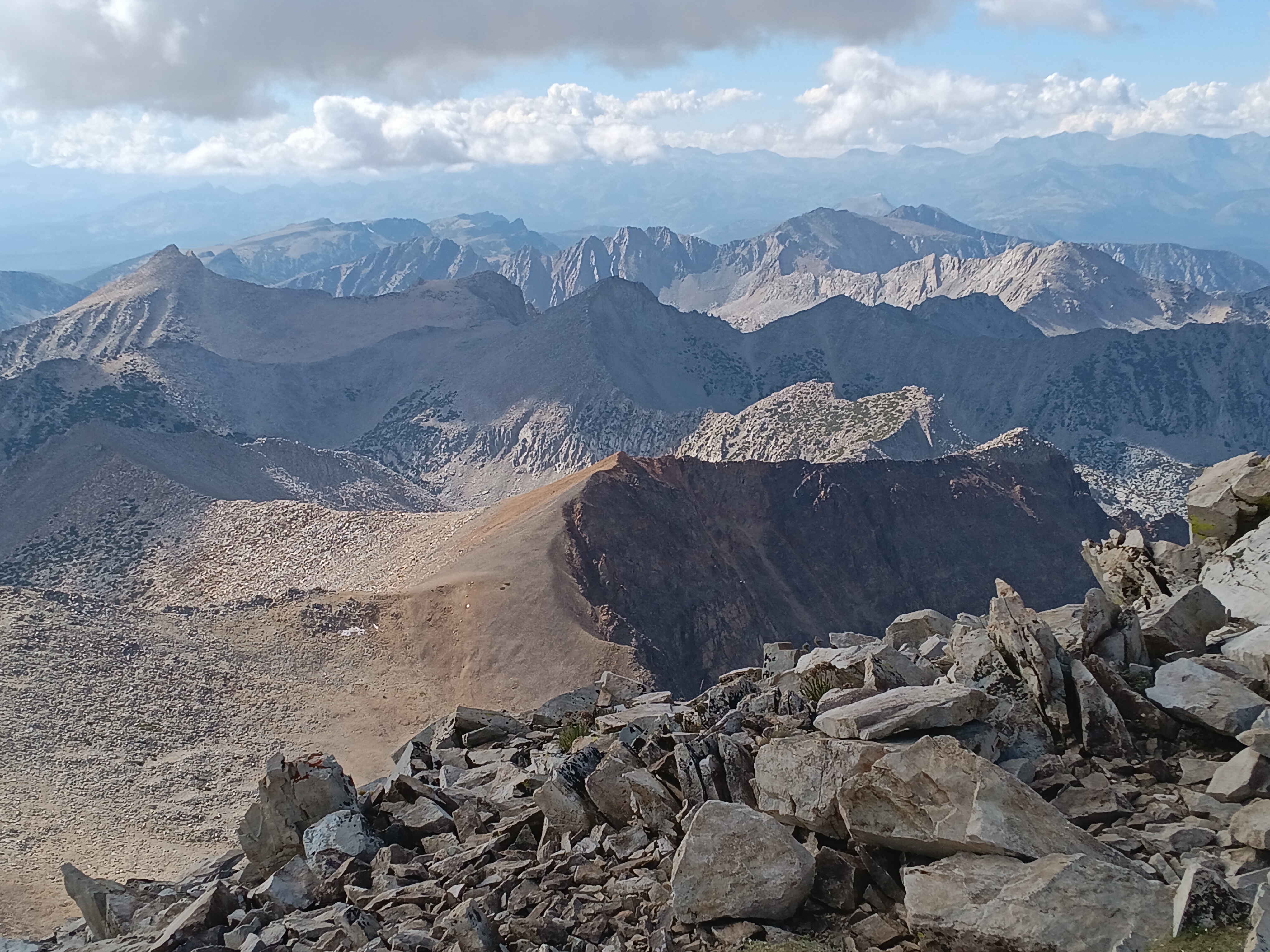
Lunch at McGee Pass (top left) and views from Red Slate Mountain towards Red and White Mountain (top right), towards north into Yosemite (center right), and towards south (bottom). The bottom photo shows three lakes with a faint path on the left and a zig-zag path up to McGee Pass on the right. The mountains in the far back are Mills, Abbott, and Dade Mountains that merge together at the end of the long ridge that bounds Fourth Recess. I crossed all these ranges the next 5 days to exit via Mono Pass to the east (left) of Fourth Recess. Hopkins Pass crosses the lower center ridge near a triangular snow patch. Pioneer Valley is to the left (outside frame) of the wooded Hopkins Valley. [Aug.-17, 2025.]

When I came down the mountain and reached my campsite at the lowest lake in the photo above (Big McGee Lake) it was 7 pm. I met my earlier hiking companions, told them about my adventures atop the mountain, and went for a swim just as the sun set for the day. I slept well that night, but got up early to climb over Hopkins Pass along a sketchy, barely existing path. Detailed descriptions of the route I found in Backpacking from McGee Creek to Pioneer Basin via Hopkins Pass by Inga Aksamit. She also moderates an outstanding Facebook group on the John Muir Trail that I used for my 2024 backpacking trip. Thanks to this guide the crossing of Hopkins Pass went well. It included an almost vertical scramble up a cliff on all fours to reach a tiny ice cap near the top.

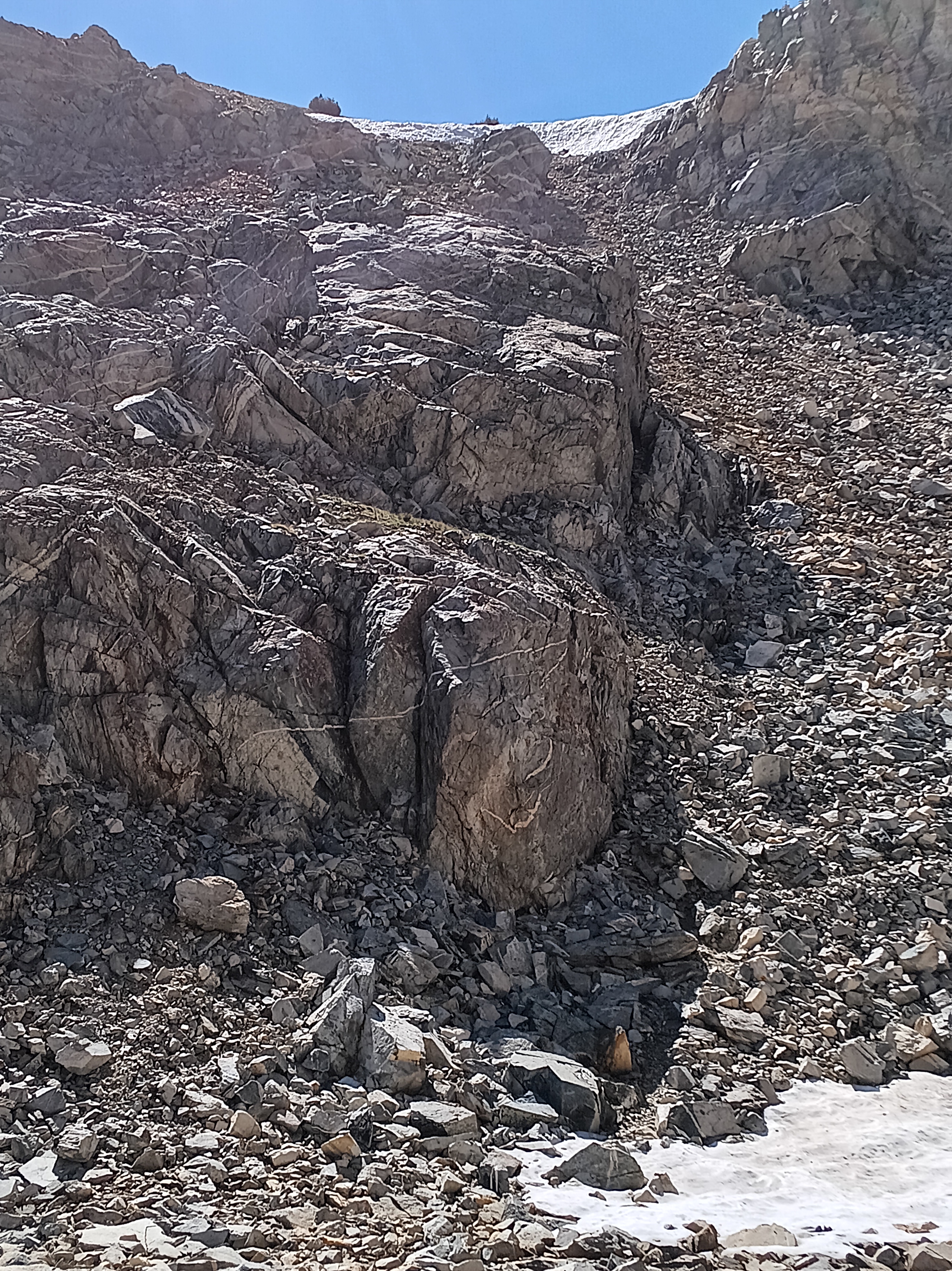
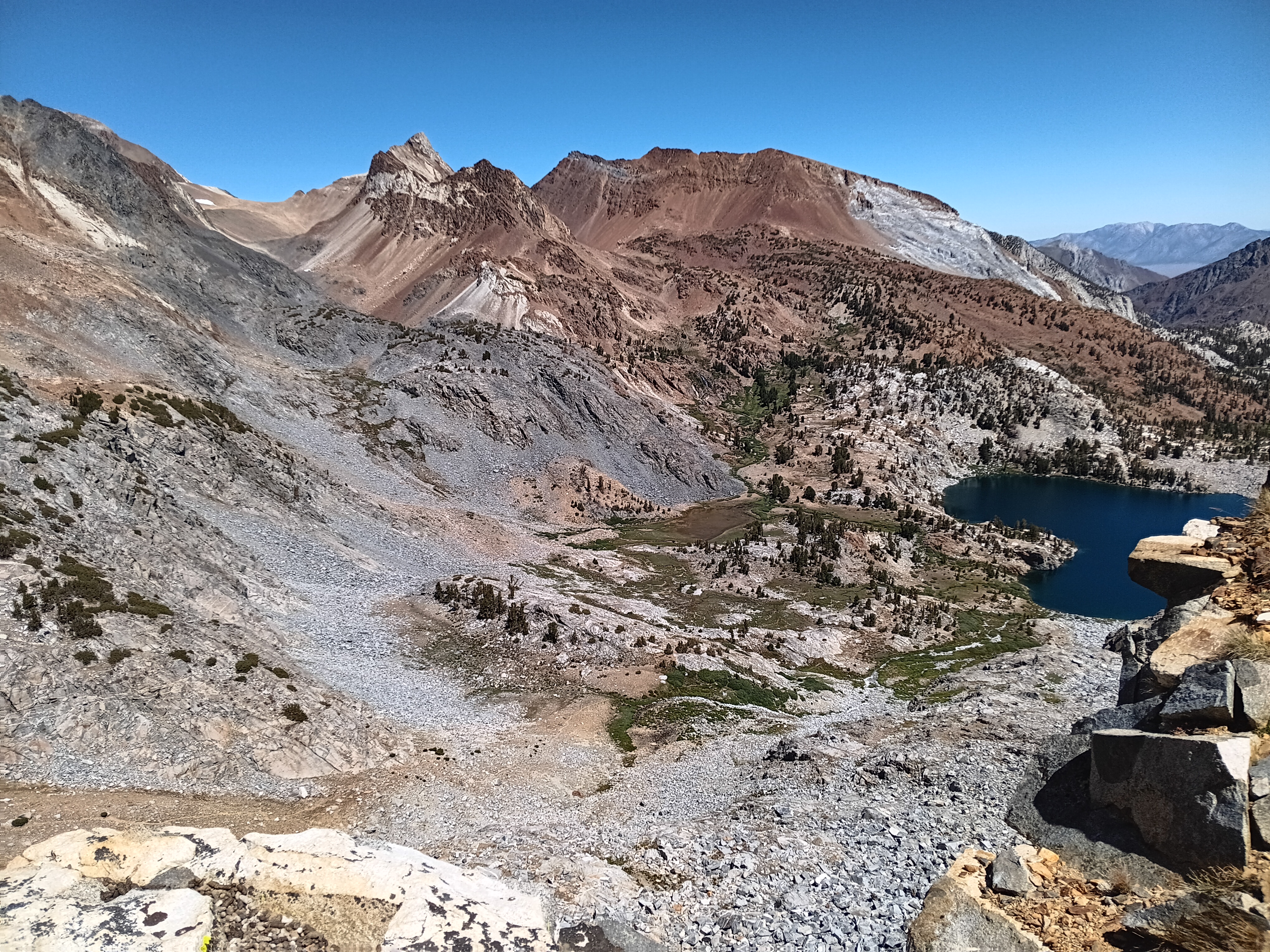
The last 400′ (120 m) of Hopkins Pass at 11,470′ (3500 m) up a bouldery cliff with a snow wedge above (left) along with views from the top such as Red and White Mountain (top right) and towards my campground at Bigh McGee Lake (bottom right). [Aug.-18, 2025.]

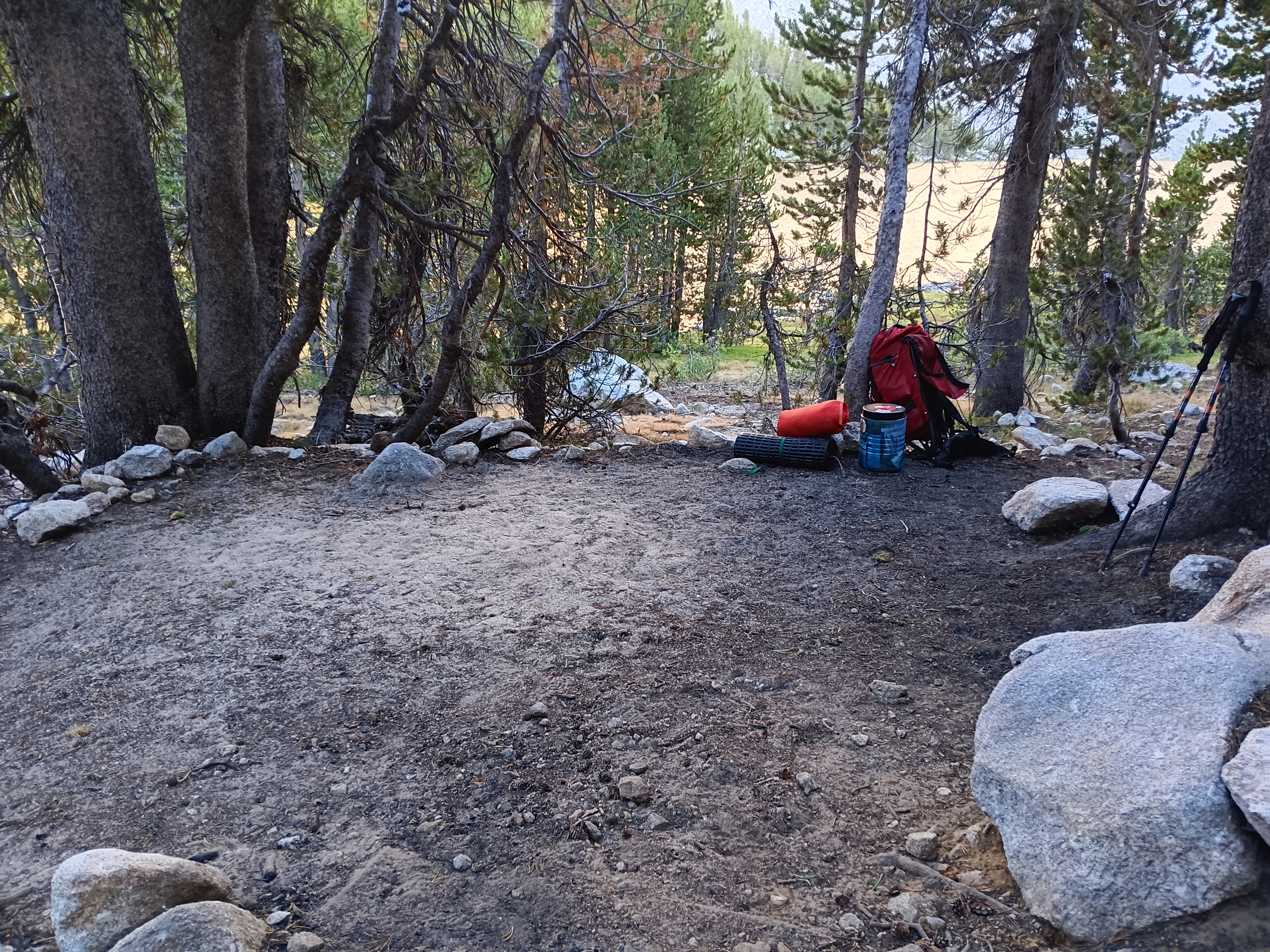
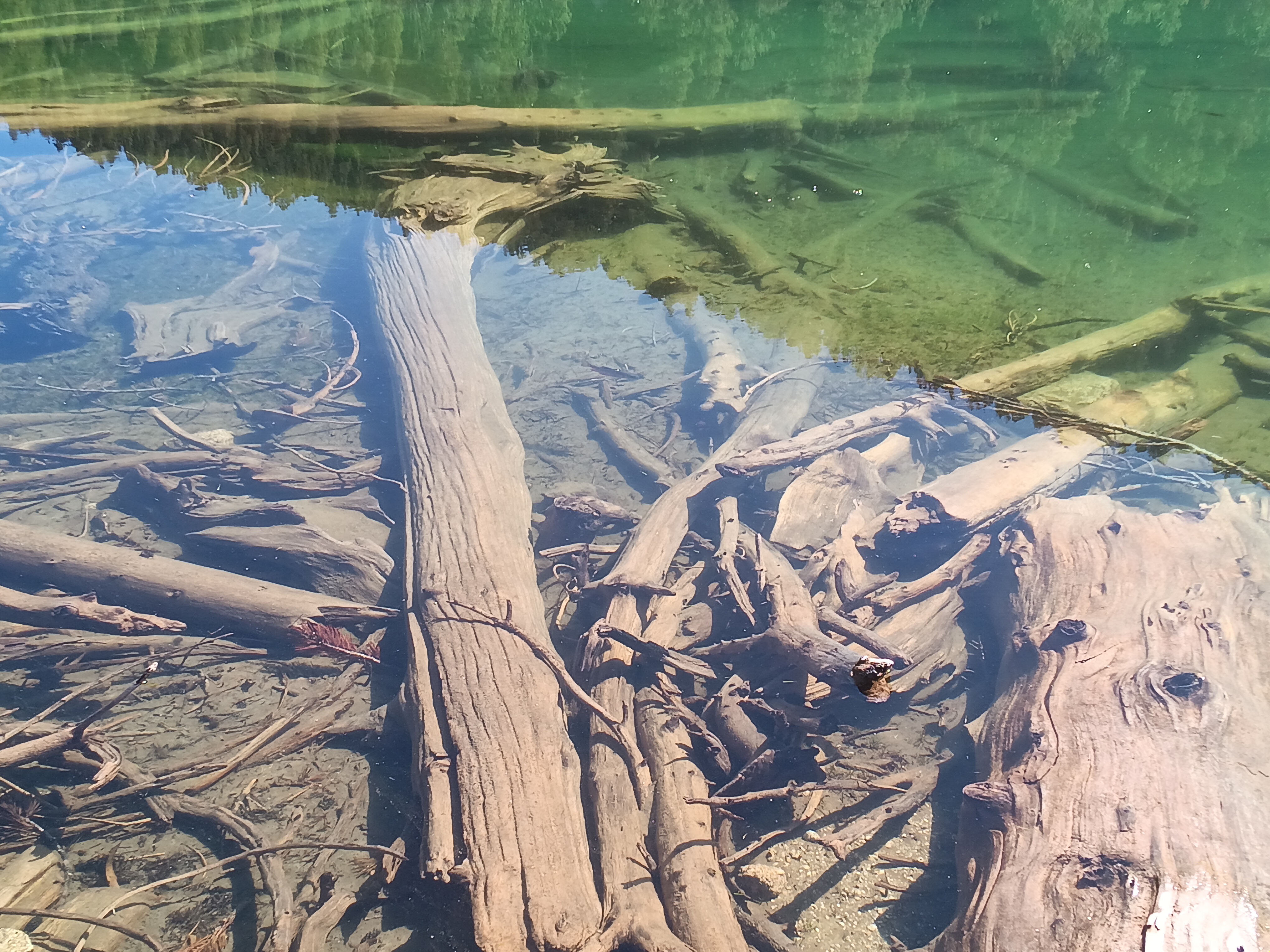
Heading down Hopkins Valley without a trail or difficulties, I reached Mono Creek at 9,300′ (2800 m) in the afternoon. I navigated an unexpected cliff above the treeline (easily done) and a massive pile of fallen trees (harder) that forced me to bush-wack for an hour. Escaping the mosquito infested Mono Valley, I camped a mile uphill at the georgeous Fourth Access Lake. It featured an outstanding and flat campground in the pines with views of lake, mountains, and waterfall; someone even had made a most comfortable bench out of wood. The lake was nearby and I had both an evening and morning swim before heading into Pioneer Basin. The Lake was also stoke full with trout:

Campground at Fourth Recess Lake (top left), my swimming spot among the wooden logs and trout (bottom left), and the view from my camp (right panel). Two people camped on the other side of the lake. [Aug.-19, 2025.]

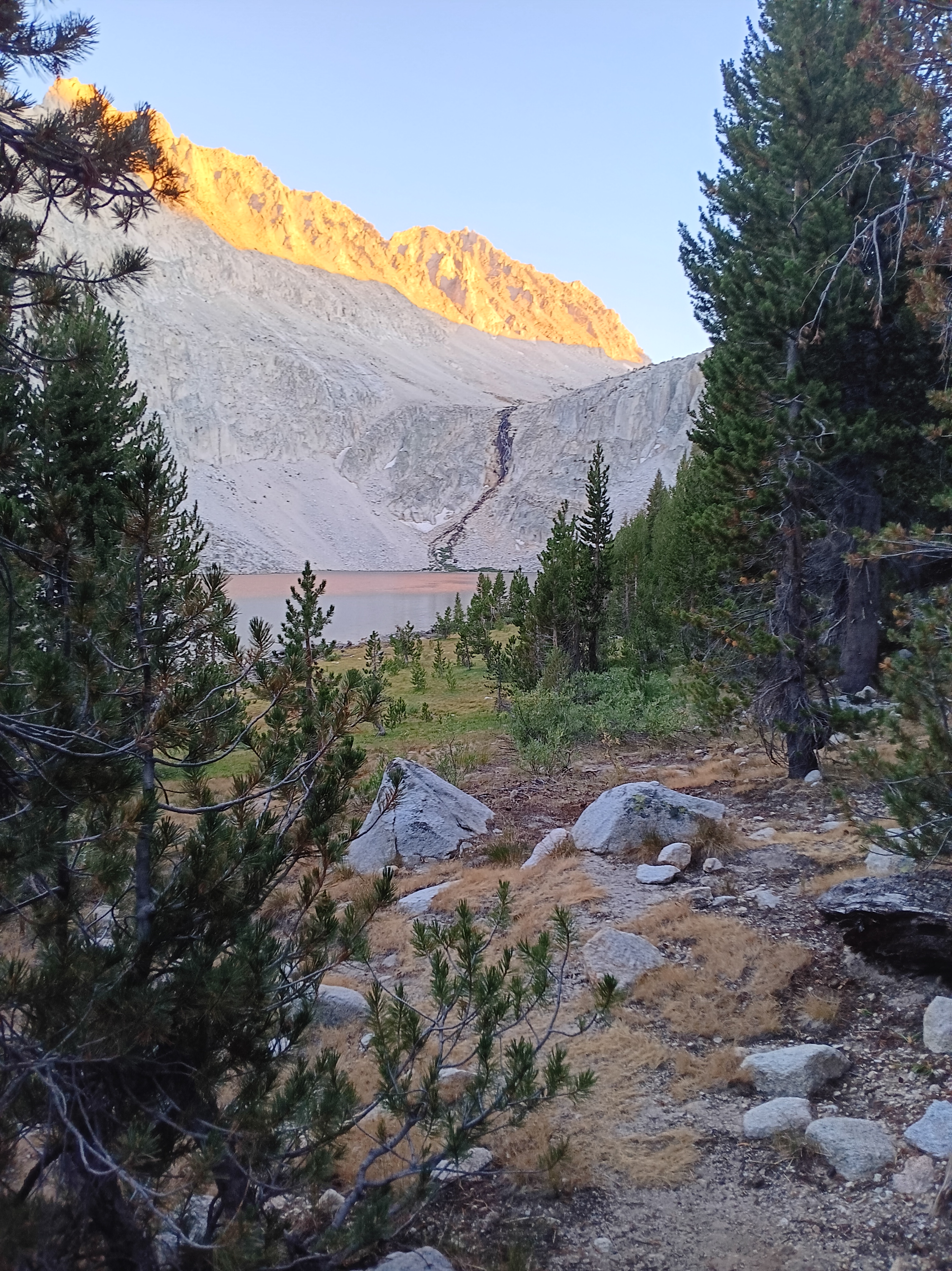
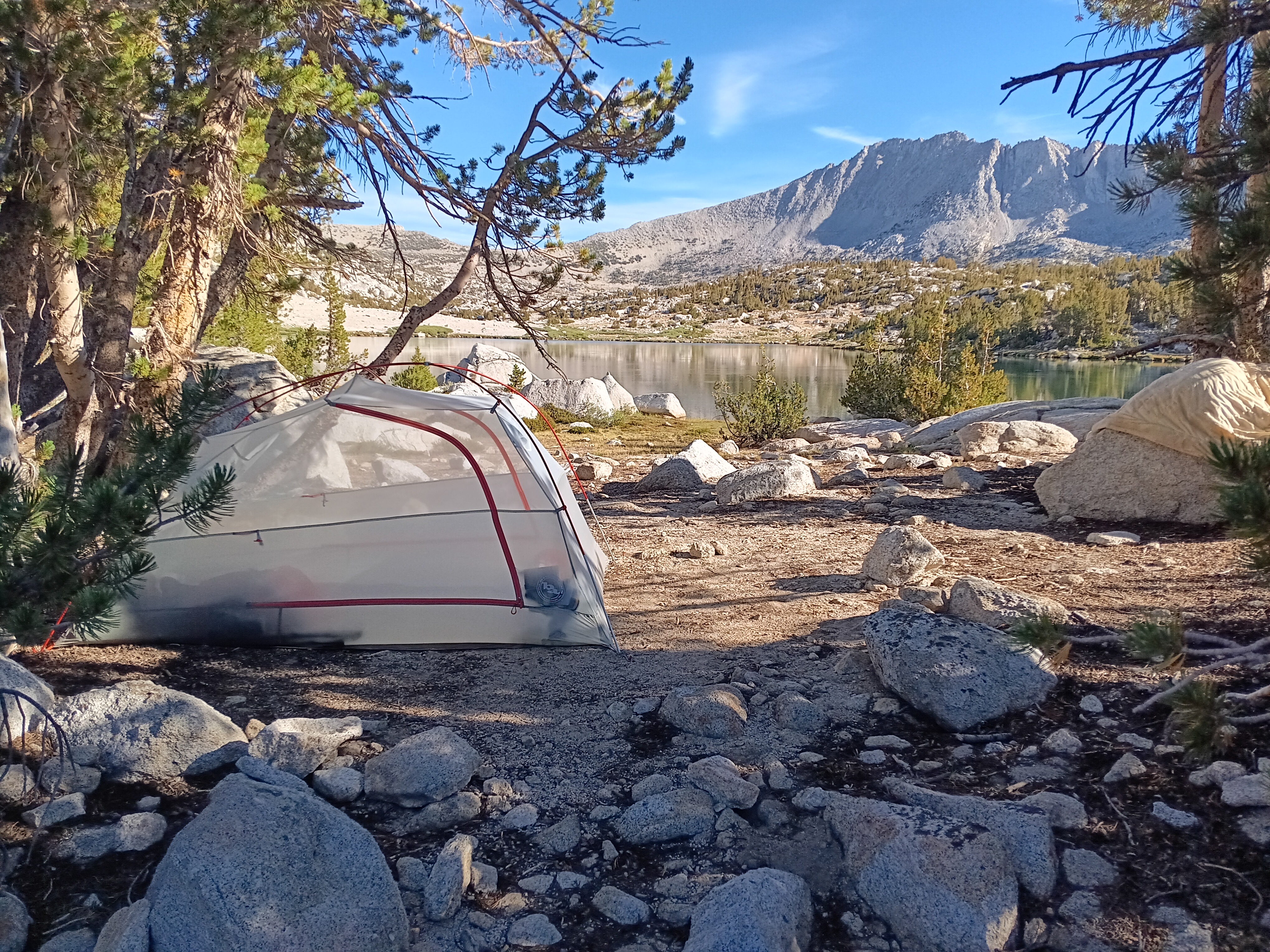
A short 3 hour walk the next morning got me to Pioneer Basin where I dropped my backpack at 11 am to spent the next 2 hours looking for a place to pitch my tent for the next 3 nights. It was surprisingly hard to find the right spot, but I found it after talking to a young man in his mid 30ies who had just “skied” down Hopkins Peak. Inspired by him, I did something similar the next day, but first he helped me find a good camping sites. I generally like to sleep under trees, pine trees in particular, and I was looking for a shady spot as it was warm and I intended to do some dozing after swimming in the nearby lake. Again, I had many trouts for watching and company, but back to the skiing I did the next day down the upper reaches at Pioneer Basin:

My camp in Pioneer Basin (top left) at the far end of the larger lake with the Fourth Acess Ridge in the background (center left). Fourth Access Valley becomes clearer at bottom left with the many lakes of Pioneer Basin in the foreground as seen from above Standford Col looking south. Looking north from the same location, I see Red Slate Mountain dominating the landscape (right panel). I had climbed it 3 days prior. [Aug.-20/21, 2025.]

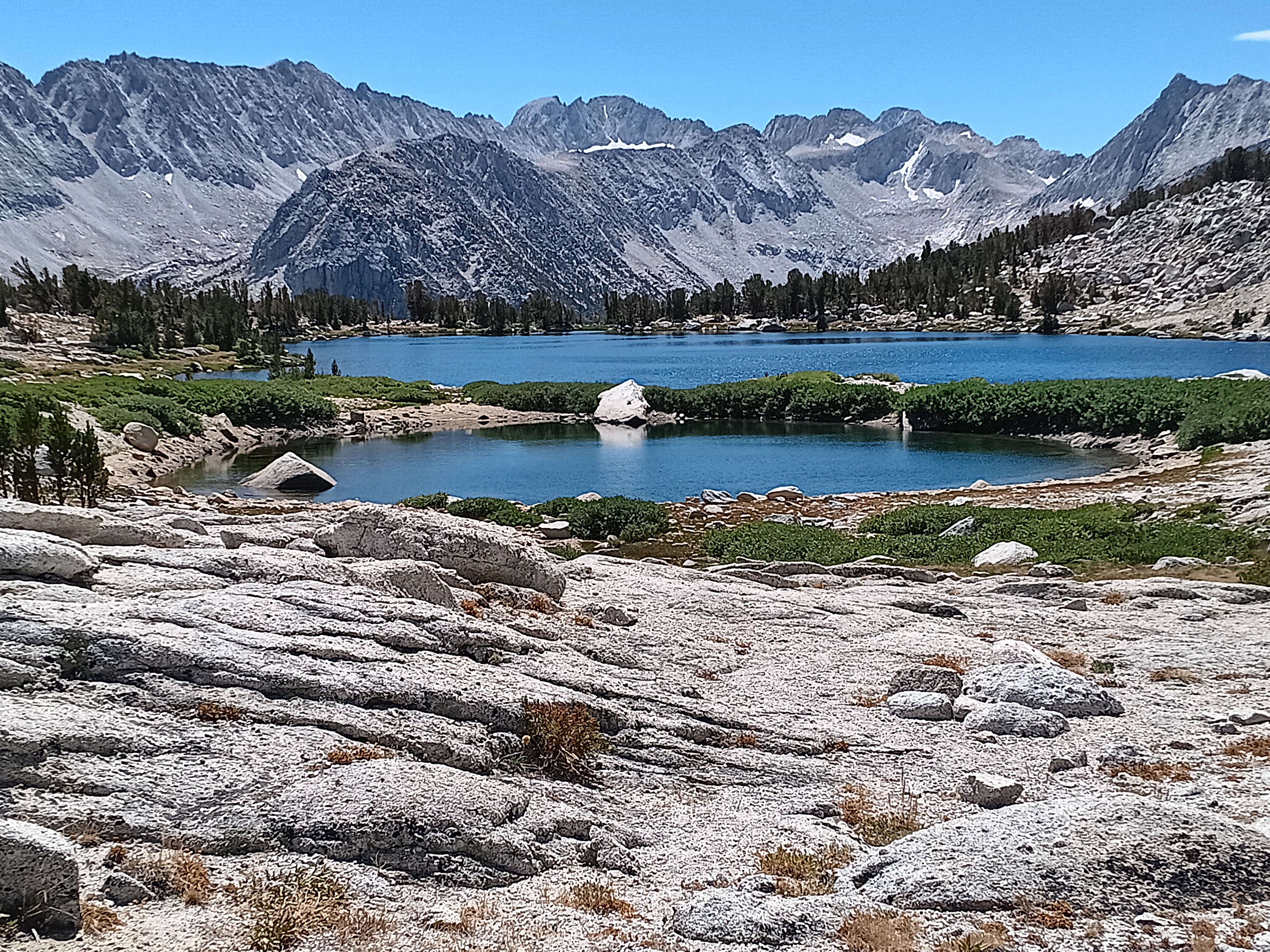
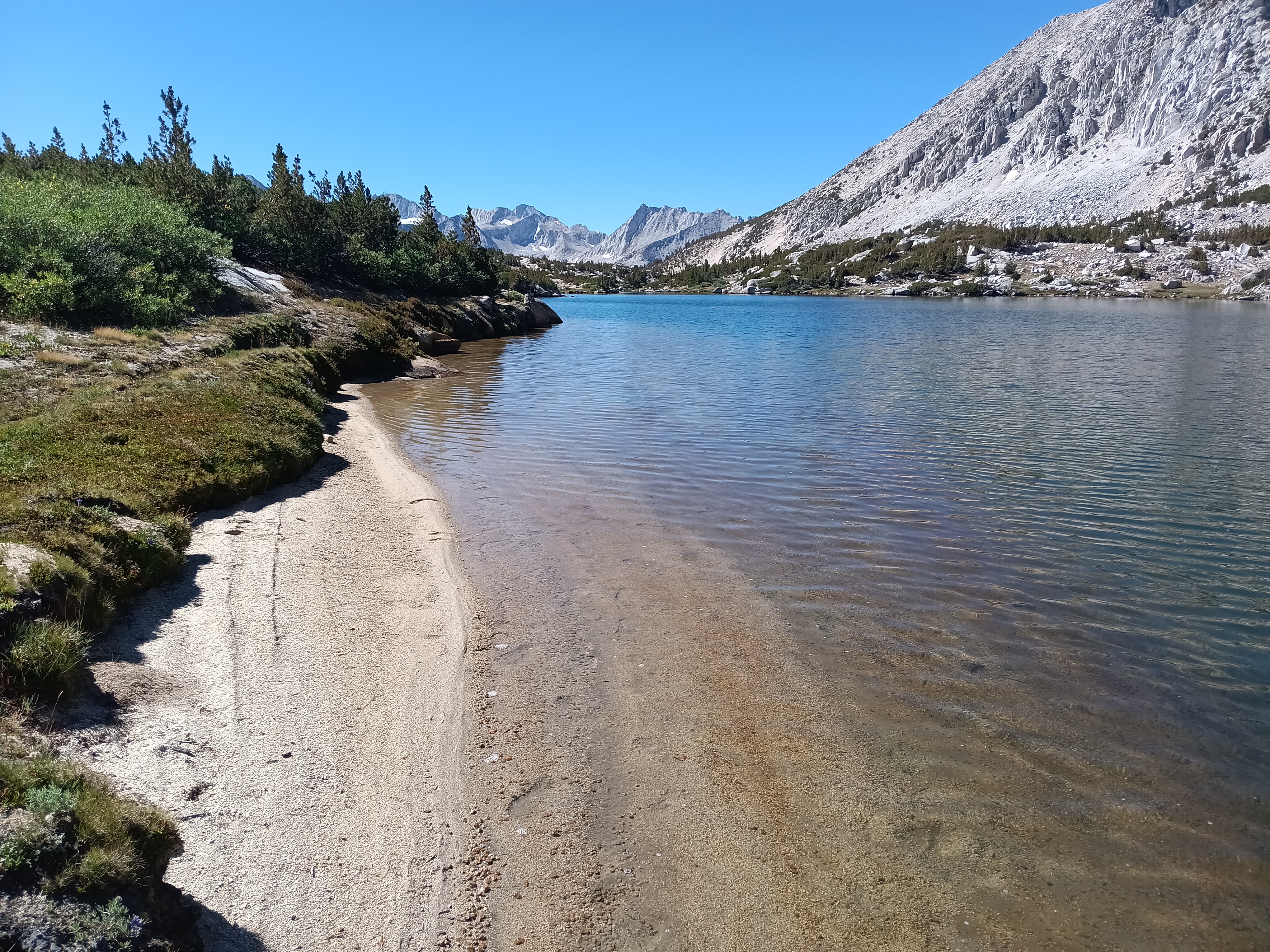
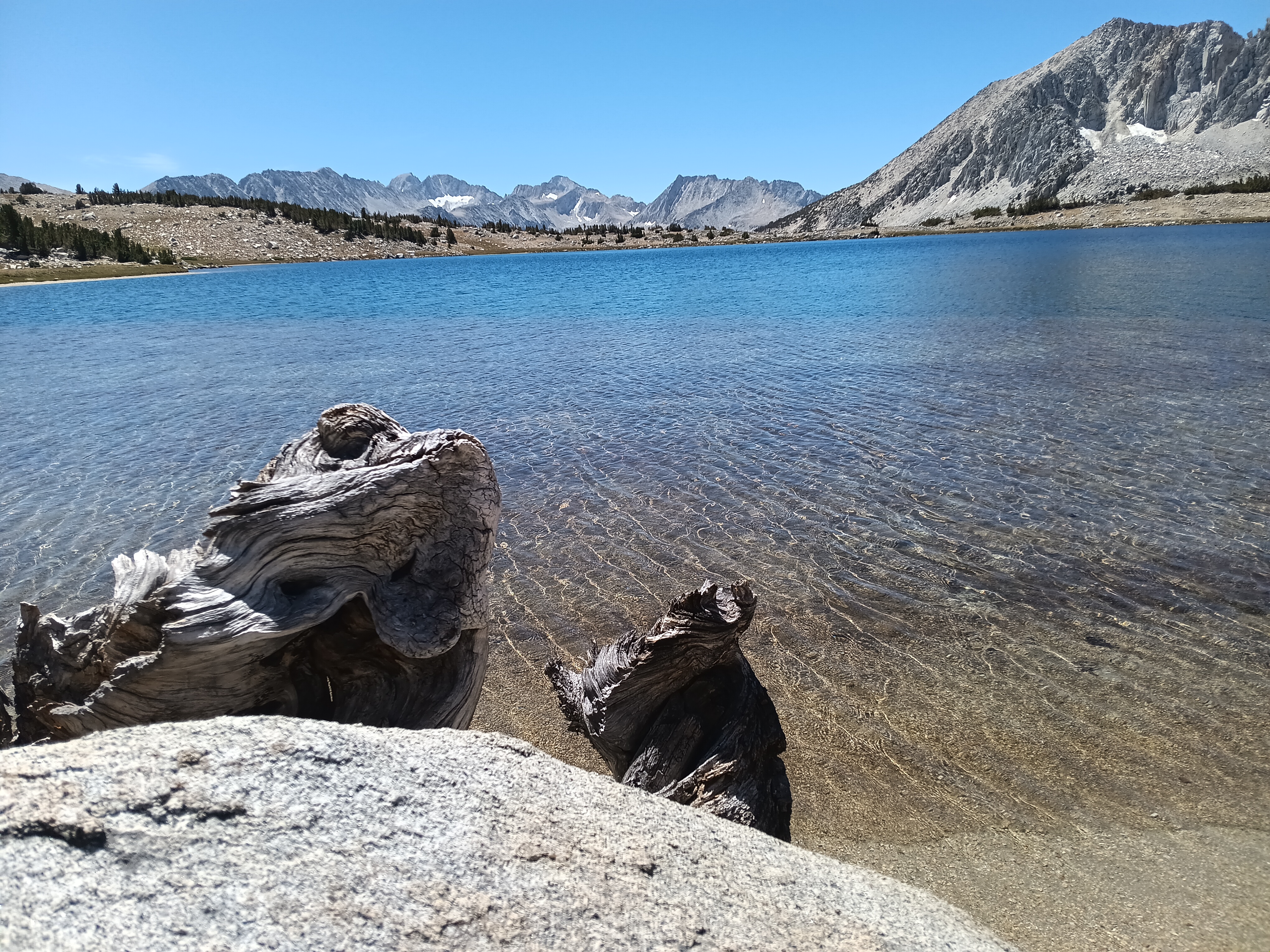
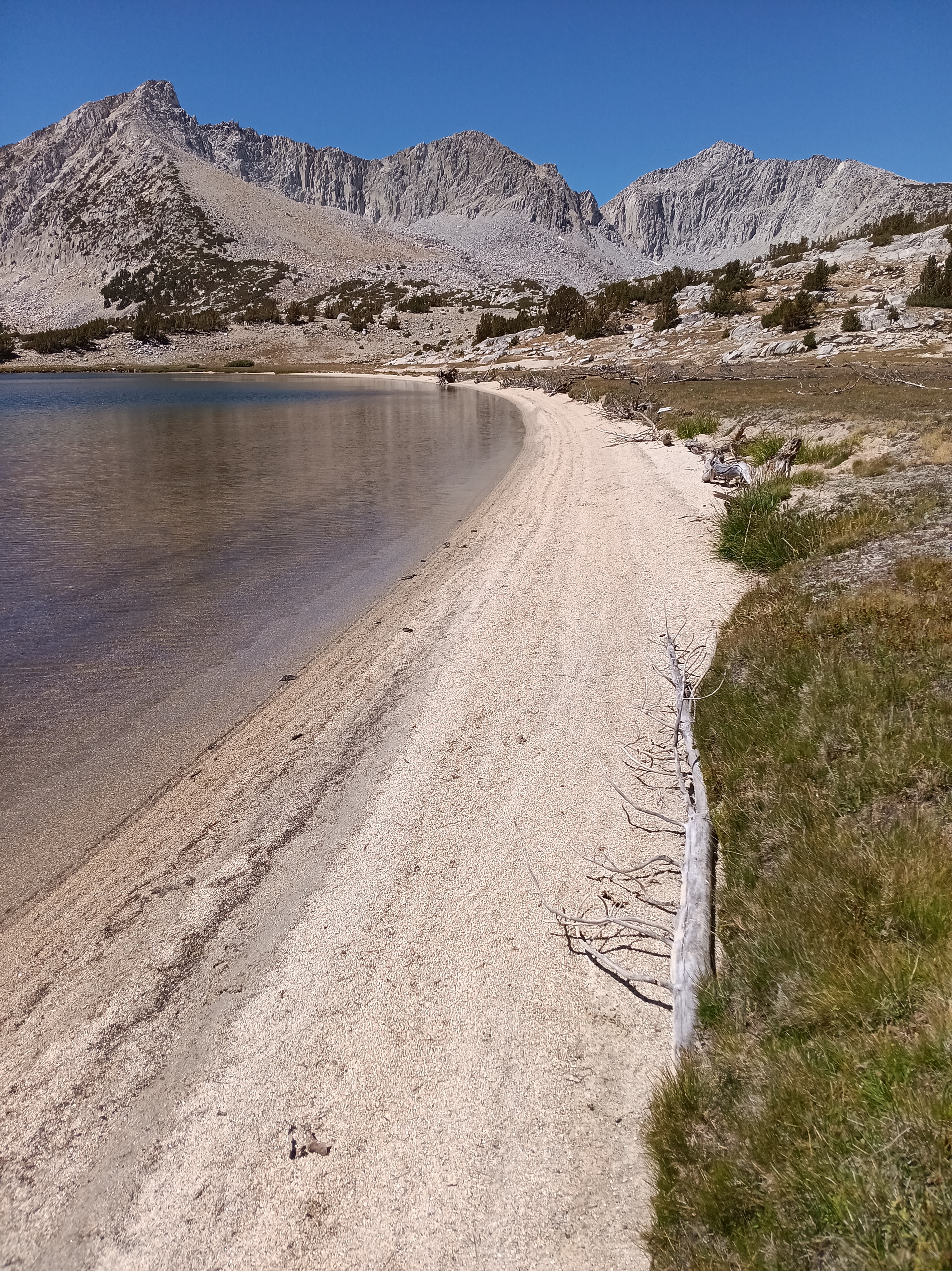
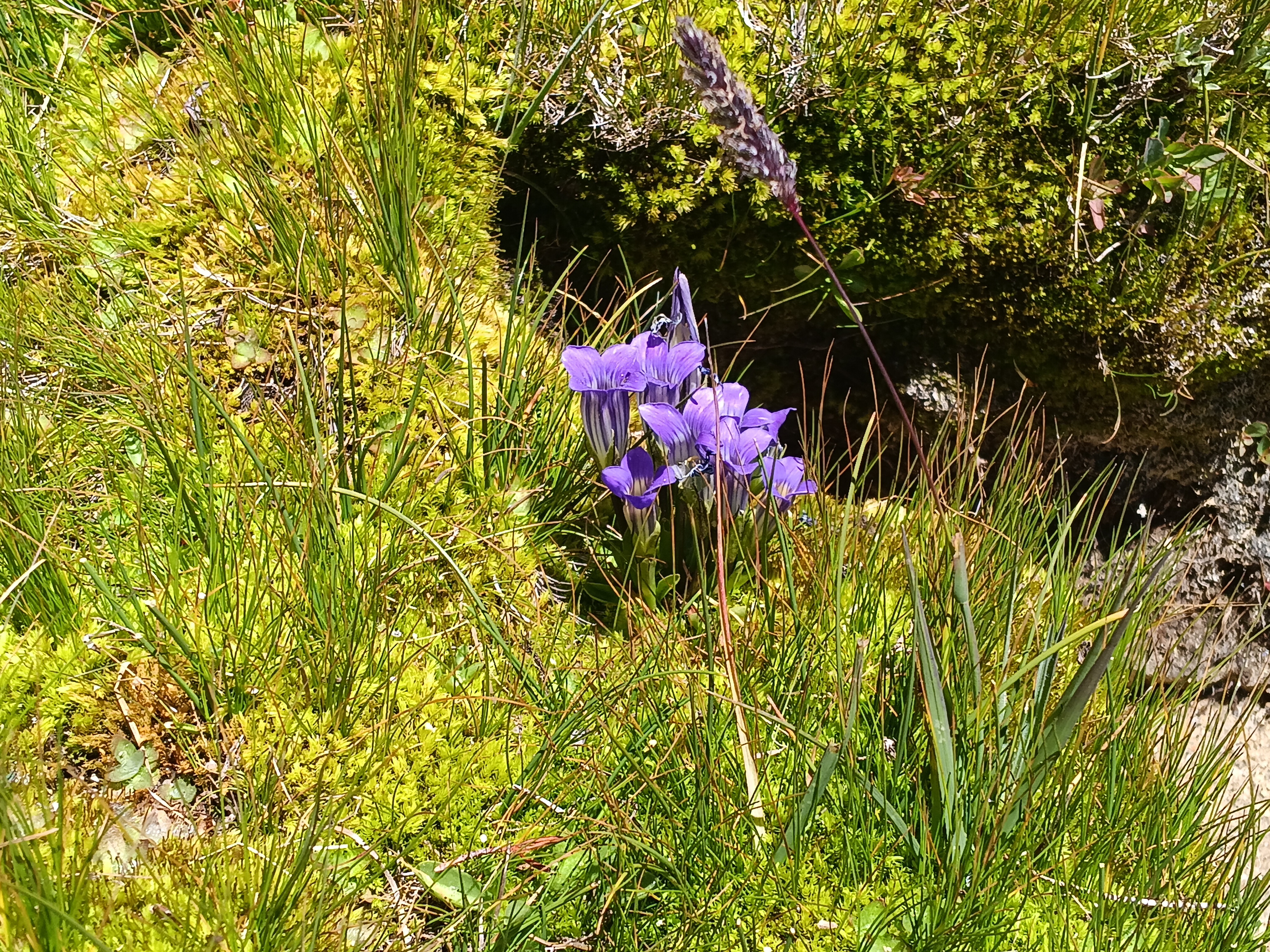
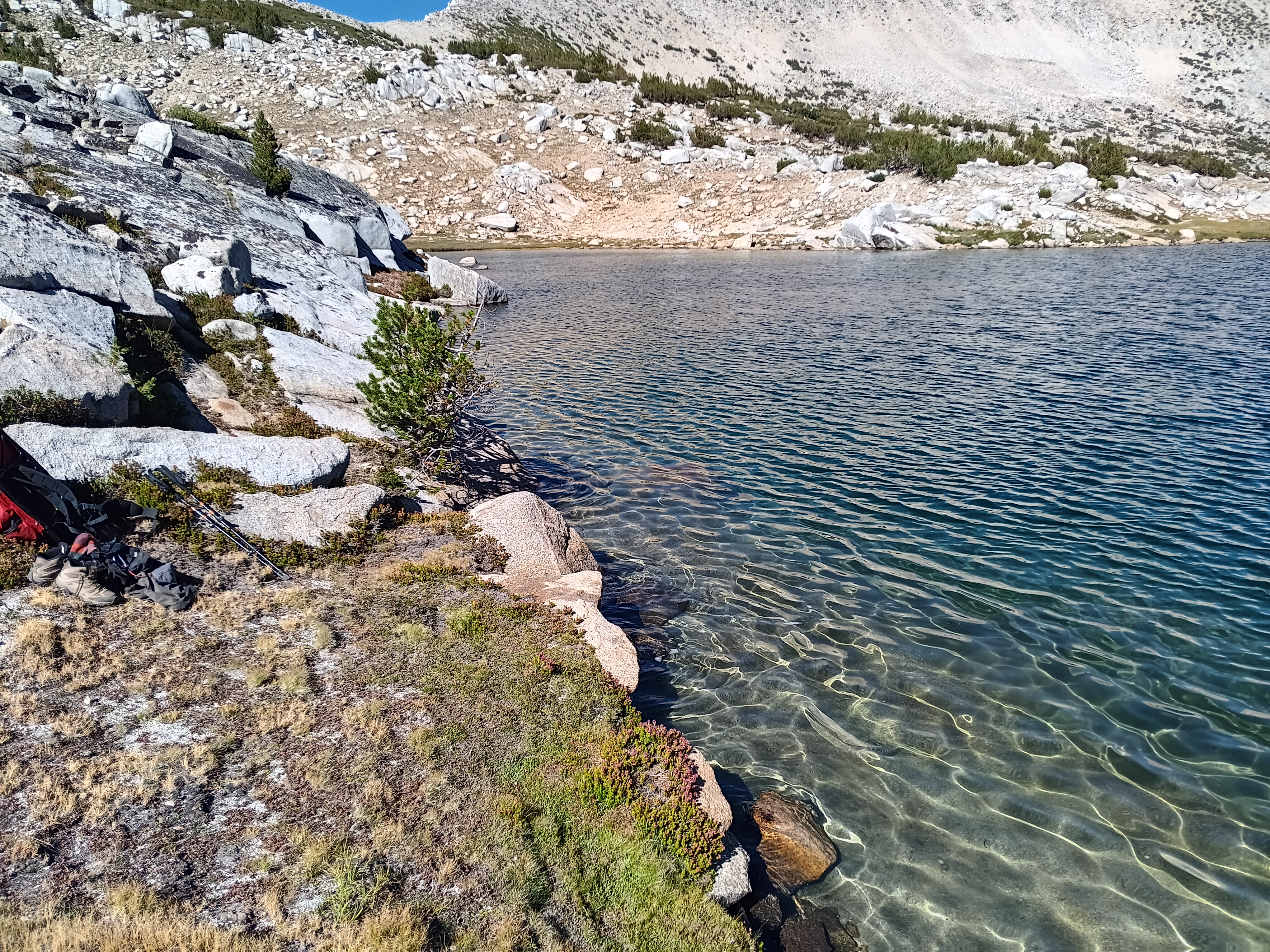
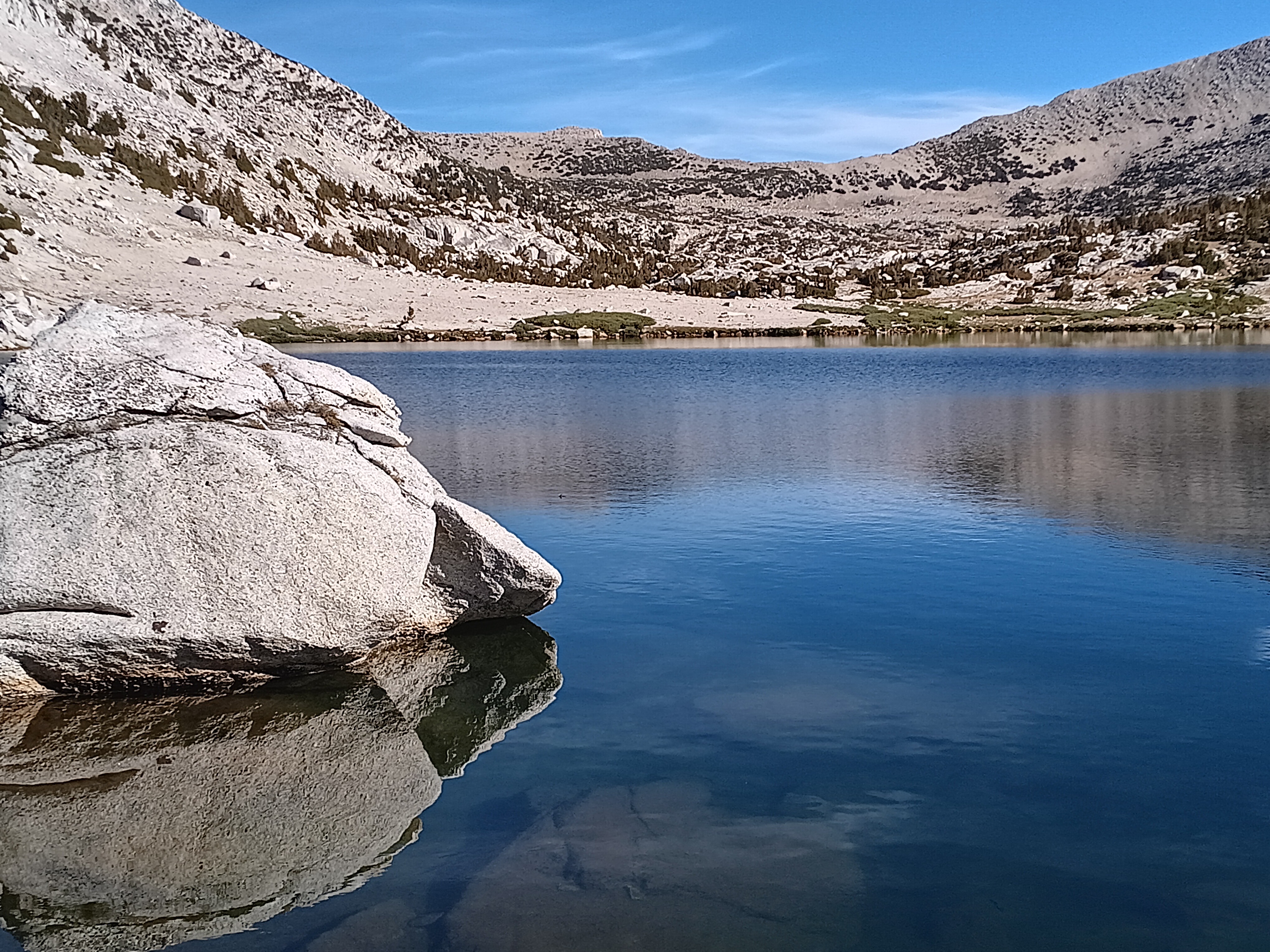
Most of the mountains surrounding Pioneer Basin are steep, very steep, but they tend to be a bit sandy, not quite, but the soil on the steep slope is free of bolders with alot of scree, smallish pebbles, really. It is almost impossible to gain traction hiking up such slopes, as one slides down and sinks in. In contrast, heading down such slopes, I found to be like skiing with the hiking poles to keep balance in a controlled slide. Just like skiing one sinks into the scree, slides down, and makes turns by setting poles and shifting balance. What takes 3-5 hours to climb up takes 15 minutes to slide down. Fun … the downhill part that is. So I hiked the basin, swam in 3 of the 7 lakes several times, and even had a lazy day doing nothing but watching the trout in the water, the birds in the sky, and the sun rise and fall. Heaven on earth that I shared with a total of 3 people in 3 days, that is, each person has 2 lakes for themselves every day. And the beaches of the lakes, too, were wild, sandy, and sunny:

Swimming the many lakes of the High Sierra Nevada, I felt fresh and clean and happy. Last year my wife Dragonfly told me to do this also and carry swim trunks, but for some reason I only swam once during the 36 days that I was hiking across mountains and past lakes in 2024. What made this year different was Pavla who picked me up at Tuoloume Meadows. She added to Dragonfly’s suggestions by forcefully setting an example for me. It thus seems that it takes a village to teach an old man new tricks. The swimming will stay with me as lake swimming added a new comfort to the adventure that is hiking for many days and weeks.

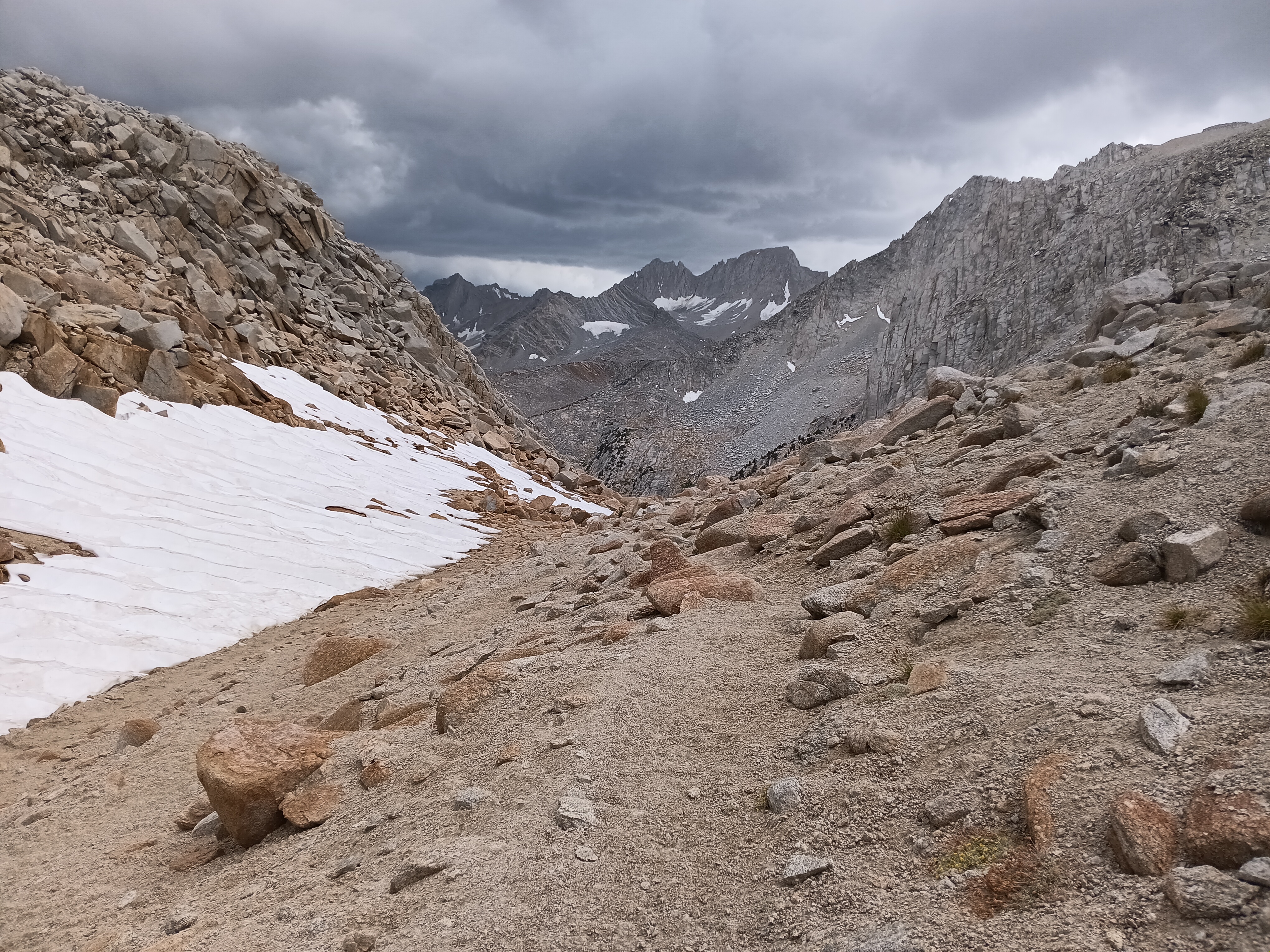
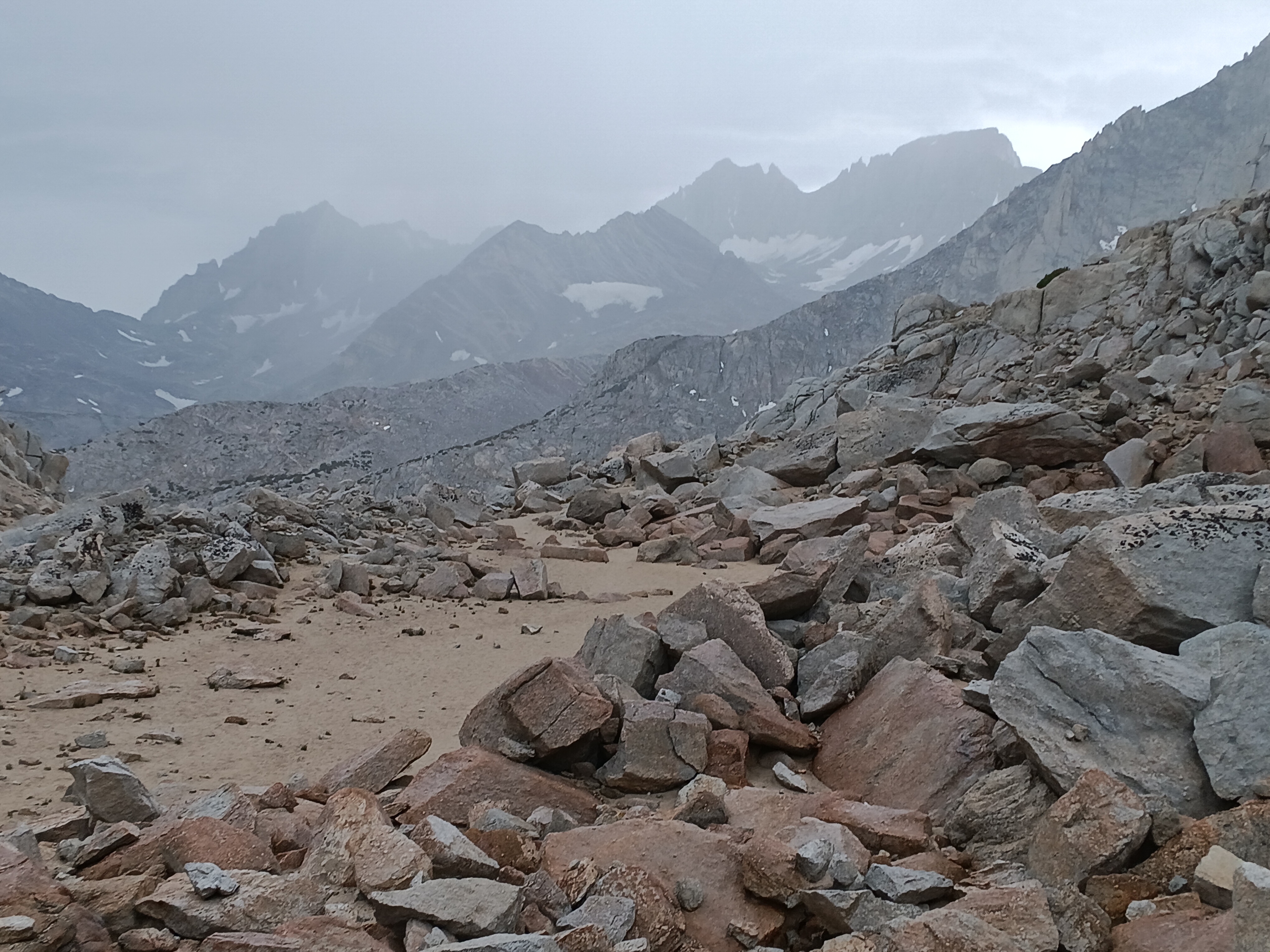
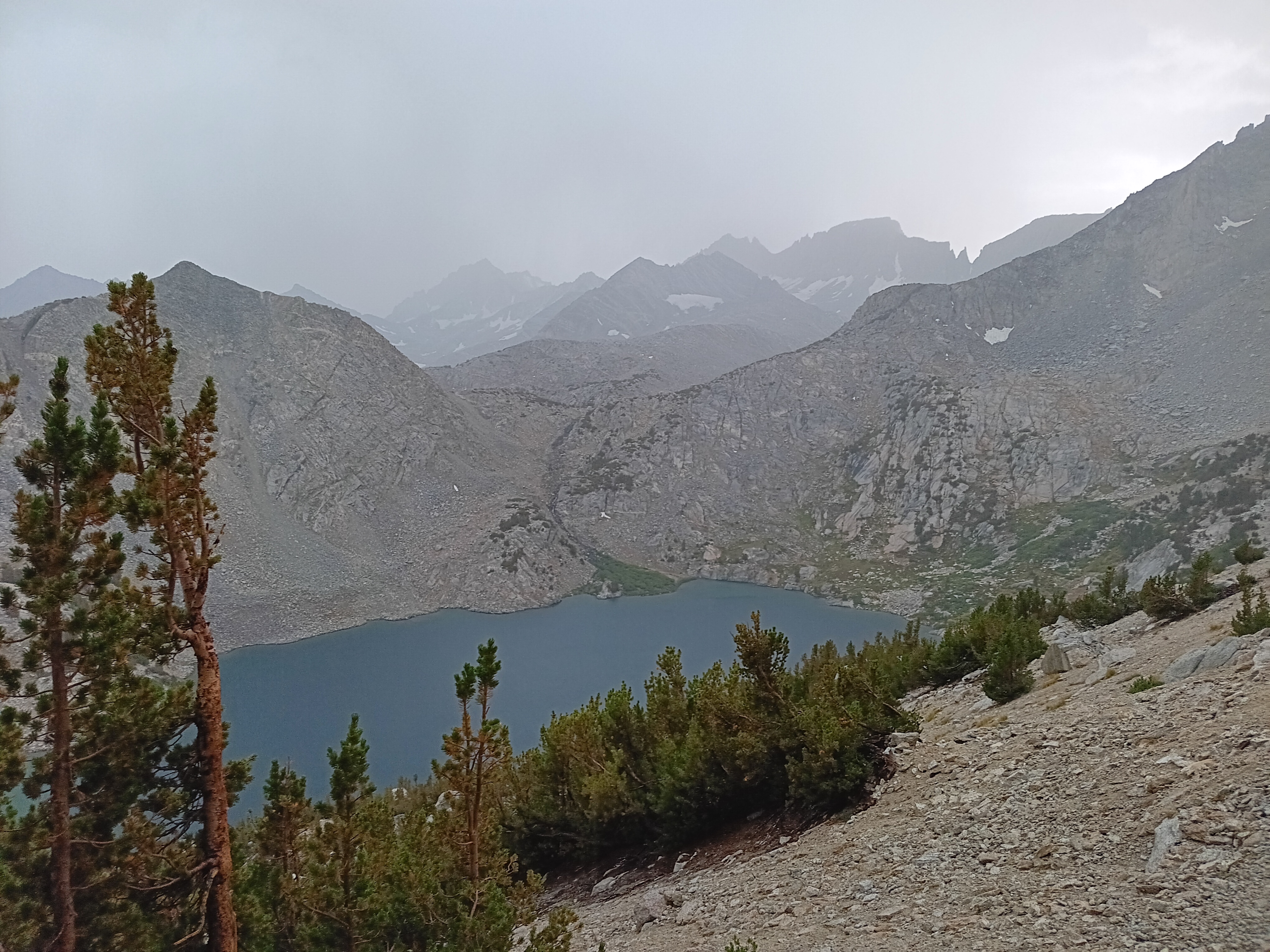
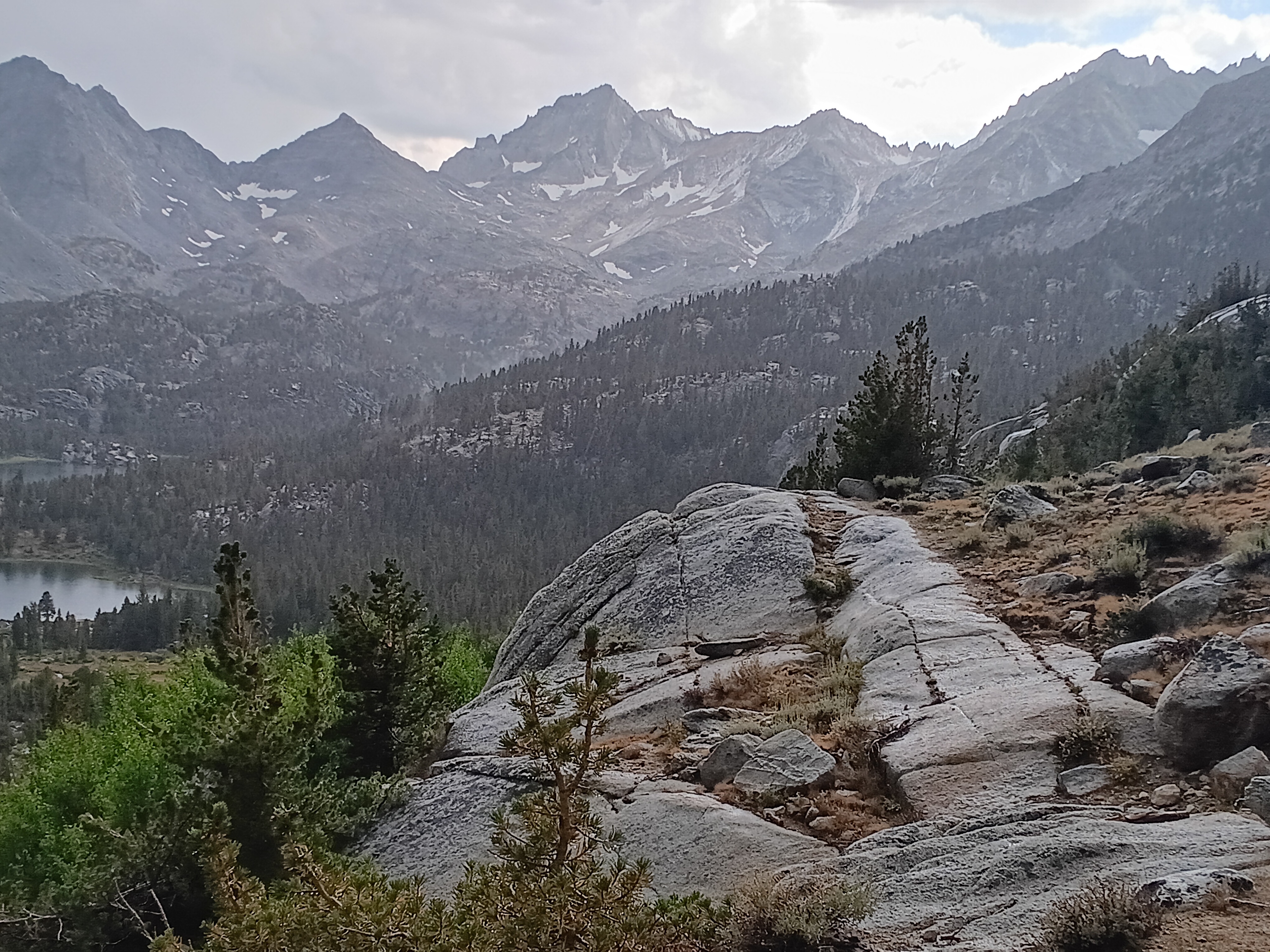
P.S.: My 14-day hike covered about 120 miles (190 km), so I comfortably saunter about 10 miles/day with about 40-45 lbs on my back. If pressed, such as by thunder and lightning and rain that hit me the last day at 12,000′ high Mono Pass, I got enough reserves to do an additional 5-7 miles at the end of the day to get down Mono Pass (top left) with Abbot and Dale Mountains in the dark clouds above Ruby Lake. No swimming there … this year.

Faith, Freedom, and War: German Summer School in Ukraine

The Ukrainian Catholic University in Lviv invited me to teach at their Summer Language School. Until last week I worked with ~50 Ukrainian students from about 10 in the morning to 5 in the evening monday through saturday. We met daily in classrooms, on the lawn outside, and in pubs over food and beer. The main purpose of the Summer School for the 17-21 year old students was to learn German as their second, third, or fourth foreign language. Their Ukrainian teachers knew every rule of German grammar, spoke perfect German, and half of them had PhDs in German literature, linguistics, education, and/or language theory.

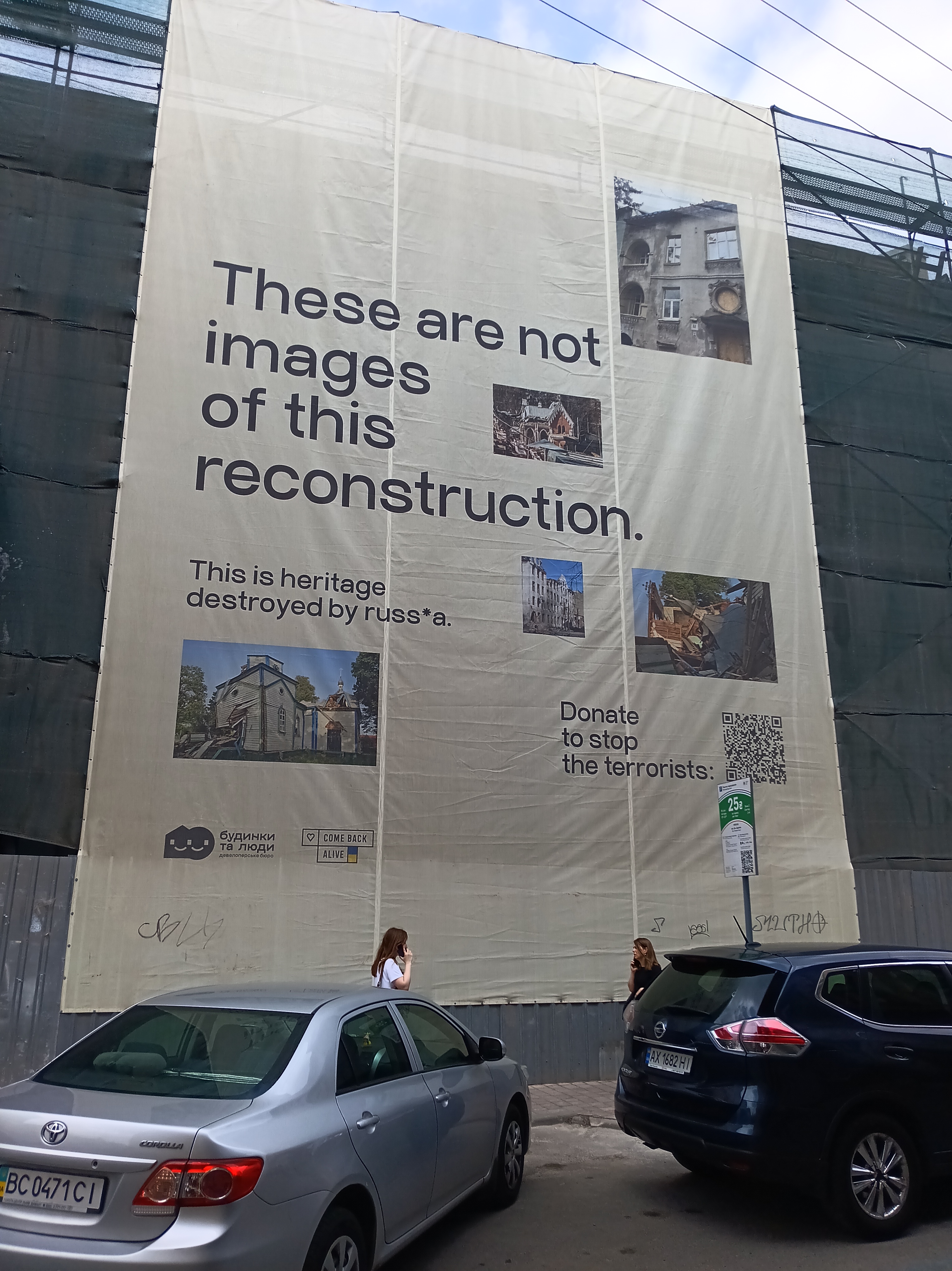
Students and teachers alike love their country, their faith, and their freedom deeply. All hate the war that Russia wages on them personally: Every day Russia tries to kill them by drones and missiles, tries to erase their history, tries to pillage their resources, and tries to exterminate their language, culture, and freedom. Russia’s war is present in Ukraine at every location for every person at all times. Nevertheless, I went to open-air concerts, bars, restaurants, and churches filled with joyous young and old people with and without small children. This very public life serves as a defiant and powerful act of resistance to Russia’s war as does vibrant street art and music.

The people of Ukraine need our weapons to protect their freedom to be human and to be free from the violence, terror, and oppression imposed by Russia on them. Never have I seen a people believing in God as strongly as the Ukrainian students and teachers whom I met last 3 weeks. Furthermore, Lviv centers many overlapping faiths with churches of the Greek Catholic, Roman Catholic, Armenian Catholic, Ukrainian Orthodox, Russian Orthodox, and even a small Jewish community. Furthermore, I met both atheist and agnostic students studying at the Ukrainian Catholic University. This rich and diverse tapestry of believes exists in overlapping circles of ancient history, song, prayers, and common purpose. All are united and opposed to Russia’s terror of random death by drone or missile. People are tired, yes, tired and exhaused by 3.5 years of war, but people are united for the noble purpose to be free, to be at peace with their neighbors, and to be part of a liberal and democratic Europe. Russia responded to these desires with war, because Russia perceives a free, creative, and productive Ukraine as a threat to its own sclerotic, decadent, and corrupt society.

Unlike Russia, Ukraine values individual life and liberty, but Russia has 4 soldiers for every one Ukraine has. How can I best help my Ukrainian friends in their just defence to protect their freedom and to be part of a peaceful Europe? They need air defence radars and missile systems, they need artillery shells and cannons, they need tanks, helicopters, and fighter jets, they need drones and electronic jamming gear. I struggle with this question, write and call my U.S. senators and Congresswoman in Delaware to support Ukraine, and talk to friends and family about my travels to Ukraine, but it all seems puny and I am frustrated and impatient. In those moments I recall the wise words passed on to me 2 weeks ago by an older man of Irish-Catholic faith:

Act like the world depends on you,
but pray it depends on God.

Ignatius of Antioch (~100 AD)
Ignatius of Antioch

Walking Lviv, Ukraine: Art, Life, War, and History

An air raid alarm interupted my first night’s sleep near Rynok Square in Lviv, Ukraine at 2:30 am on June-12, 2024 after 22 hours on a train the day prior. Sirens outside, mobile loud-speakers on the streets, and my cell phone all blared the message “Attention. Air Raid Alert. Proceed to the nearest shelter. Don’t be careless. Your overconfidence is your weakness.” Unsure on what to do, I listened, if there was any commotion outside my AirBnB in the stairways of the 3-story appartment building with residents moving whom I could follow. As there was no such noise, I did nothing, and quickly fell back asleep. At 5 am I woke again, got up to check e-mail when yet another such alarm started. This time I decided to go outside to see what the city does during an air-raid alarm at 6 am. All I saw were a few men my age cleaning the sidewalks and joggers passing me in a forested park:

My plan for the day was to find the 250-year old Lychakiv Cemetery that was established 1787 when the Habsburg Empire of Austria-Hungary controlled Lviv and Galicia as a result of the the First Partition of Poland in 1772. The cemetery is a large wooded park in a hilly area near the Botanical Gardens to the East of the city. Today it is a “State History and Culture Museeum” of Ukraine that Polish and Ukrainian volunteers have restored, both lovingly and at times illegally, for the last 50 years. Prominent Lviv citizens of culture, science, and politics as well as soldiers and victims of war and oppression both past and present are buried here. Meandering paths lead through lush vegetation with old trees and artful sculptures, grave stones, and icons.

I spent well over 3 hours wandering along wide and narrow pathways up and down the hillsides to marvel at artful displays to remember those who walked the streets of Lviv the last 250 years. The style of letters, mosaics, sculptures, and vegitation changed from section to section all added over the centuries when different countries ruled Lviv from the Austria-Hungarian empire (1792-1918), the newly establish Poland (1918-39), the Soviet Union (1939-41), Nazi Germany (1941-44), the Soviet Union (1944-91) until it finally became part of independent Ukraine in 1991.

My favorite memorial is that of a person on a boat crossing a wavy river. The copper-colored boat even as an eye at its forward head just above the water line. The river appears to come down from the wooded hill behind it, but the boat floats above the the water bridging the river perhaps indicating another “spiritual” dimension. It all merges in a harmoneous way in multiple directions indicating both time and space. The river falls down at the edge, however, the river also falls farther towards graves of soldiers from both past (1918-19) and present (2014-present) wars. Three Americans aviators such as Edmund Pike Graves are burried here also. More than 100 years ago they supported Polish troops flying early bi-planes against Ukrainian nationalists.

Among the many graves is that of the Polish mathematician Stefan Banach (1892-1945) who did pioneering work in the 1930ies when he was teaching at Lviv University. His fundamental work on vector spaces (“Functional Analysis” in English or “Funktionen Theorie” in German) applies to how I analyze climate data from the waters, ice, and glaciers around Greenland. Learning about Banach and the Lwow School of Mathematics, I discovered that the scientists living and working in Lwow/Lviv until 1939 also contributed to the Manhattan Project and the Nuclear Age. On my subsequent visit to Krakow in Poland 200 miles to the West, I found a bench in a park with a sculpture of Dr. Banach and some of his work:

A young Dr. Banach sits on the right in a conversation during his school years in Krakow. He left to teach mathematics in Lviv in 1918 where he lived until lung cancer killed him at age 53 in 1945. He is burried near the entrance of the cementary.

Figure: Polish Military Cemetery 1918-20 (“Eaglets Cemetery”) in Lviv, Ukraine of the 1918-20 war between Poland and Ukrainian Army of Galicia (bottom) adjacent to the memorial to the Ukrainian Galician Army (top left). Three U.S. American aviators are burried here also (top right).

The last burial field I visited only from a distance, because it is here where Lviv buries her current war dead. Almost every day new graves are dug and filled. From the distance it looks like an ocean of flags both of the blue and yellow of Ukraine and a range of battle and historical flags of different military units. I noticed that the people who enter this section first checked a large board near the entrance to see where in this section their loved-ones are buried. The long list of names and grave locations includes the dates of birth (1962-2005) and death (2022-present).

The war and terror forced by Russia onto Ukraine presents itself on main squares in central Lviv as well. One prominent public space that I passed every day included about 16 poster boards of 25-year old combat medic Iryna Tsybukh whom Russian invaders killed near Kharkiv the week before my arrival in Lviv. And every days I saw school children, shoppers, workers, and tourists passing this place dedicated to a brave local women. A year before her burial at Lychakiv Cemetery she wrote to her younger brother describing her wishes in case of her death

I don’t like seeing you mourn, but time and this despair will pass, and we’ll have to continue living life. So don’t waste time suffering; live on.

Iryna Tsybukh (1998-2024)

An equally eloquent obiturary appeared in the New York Times on Aug.-22, 2024. I took the photo of a poster board in Lviv bottom right, the other photos are from her Instagram page and public sources.

This was my only my second of four day as a tourist in Lviv, but here and then I decided to extend my stay. The public life I saw, the people I met, the food I ate, the art I admired, and the history I smelled at every corner made me extend my stay for another 4 days. There was a concert at the Opera and a Ukrainian Wine Festival on the weekend I did not want to miss. Furthermore, I will travel to Lviv again this summer, but this time I will stay for 2-3 weeks as part of a summer language program of the Ukrainian Catholic University. I met one of its mentors on the bus from Lviv to Krakow in Poland as we both returned from there by train to Germany. I am very excited to meet, converse, eat, and live with young Ukrainian students for 2-3 weeks.

References:

Mick, C., 2011: Incompatible Experiences: Poles, Ukrainians and Jews in lviv under Soviet and German Occupation, 1939-44, Journal of Contemporary History, 46 (2), 336-363.

Snyder, T., 2003a: The causes of the Ukrainian-Polish Ethnic Cleansing 1943, Past & Present, 179, 197-234.

Snyder, T., 2003b: The Reconstruction of Nations – Poland Ukraine, Lithuania, Belarus 1569-1999. Yale University Press, New Haven, CT, 367 pp.

Snyder, T., 2010: Bloodlands – Europe between Hitler and Stalin, Basic Books, New York, NY, 524 pp.

Zhurzhhenko, T., 2013: The border as Pain and Memory – Commemorating the Polish-Ukrainian Conflict of 1918-1919 in Lviv and Przemysl, Nationalities Papers: The Journal of Nationalism and Ethnicity, DOI:10.1080/00905992.2013.801416.