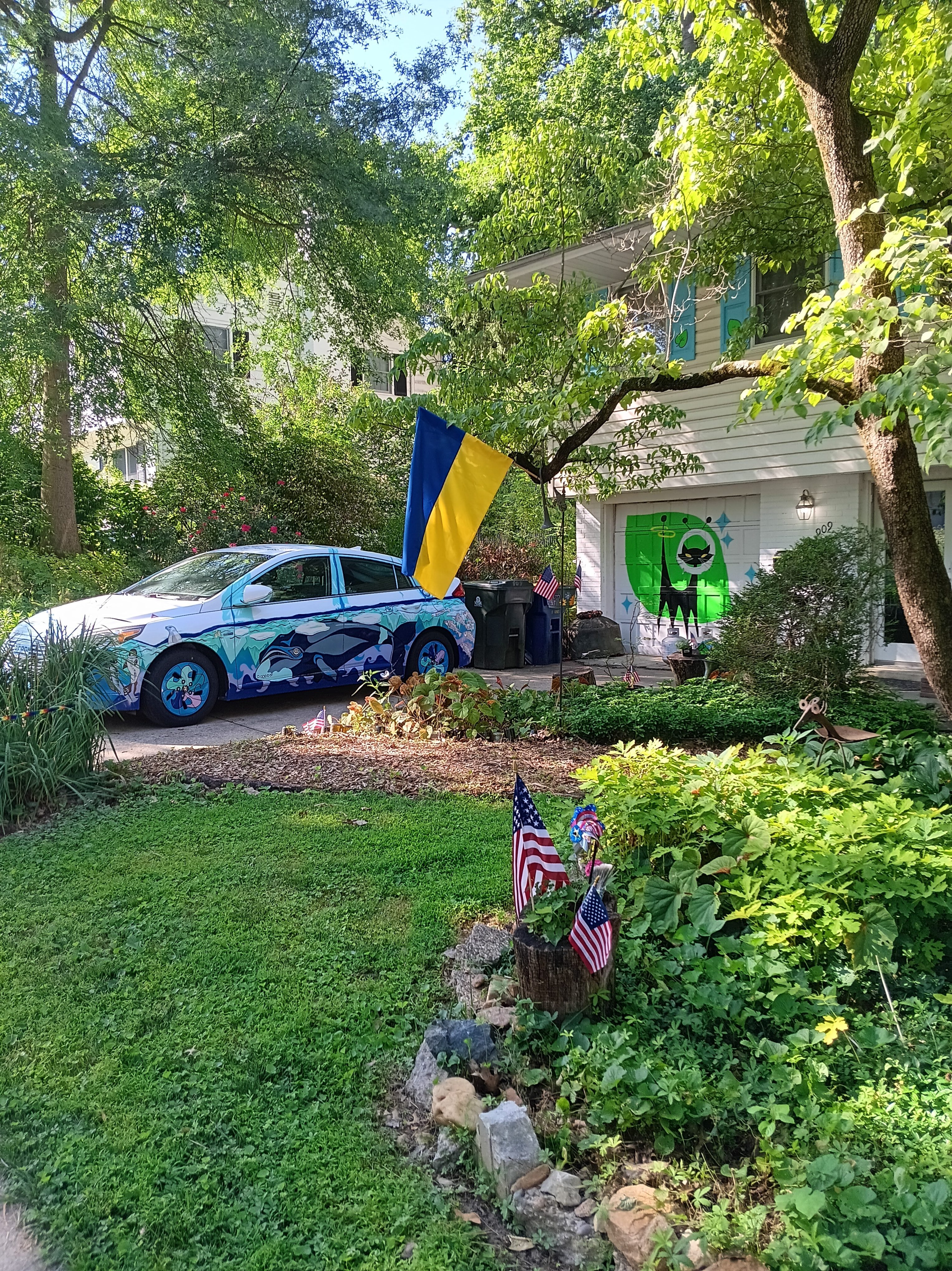
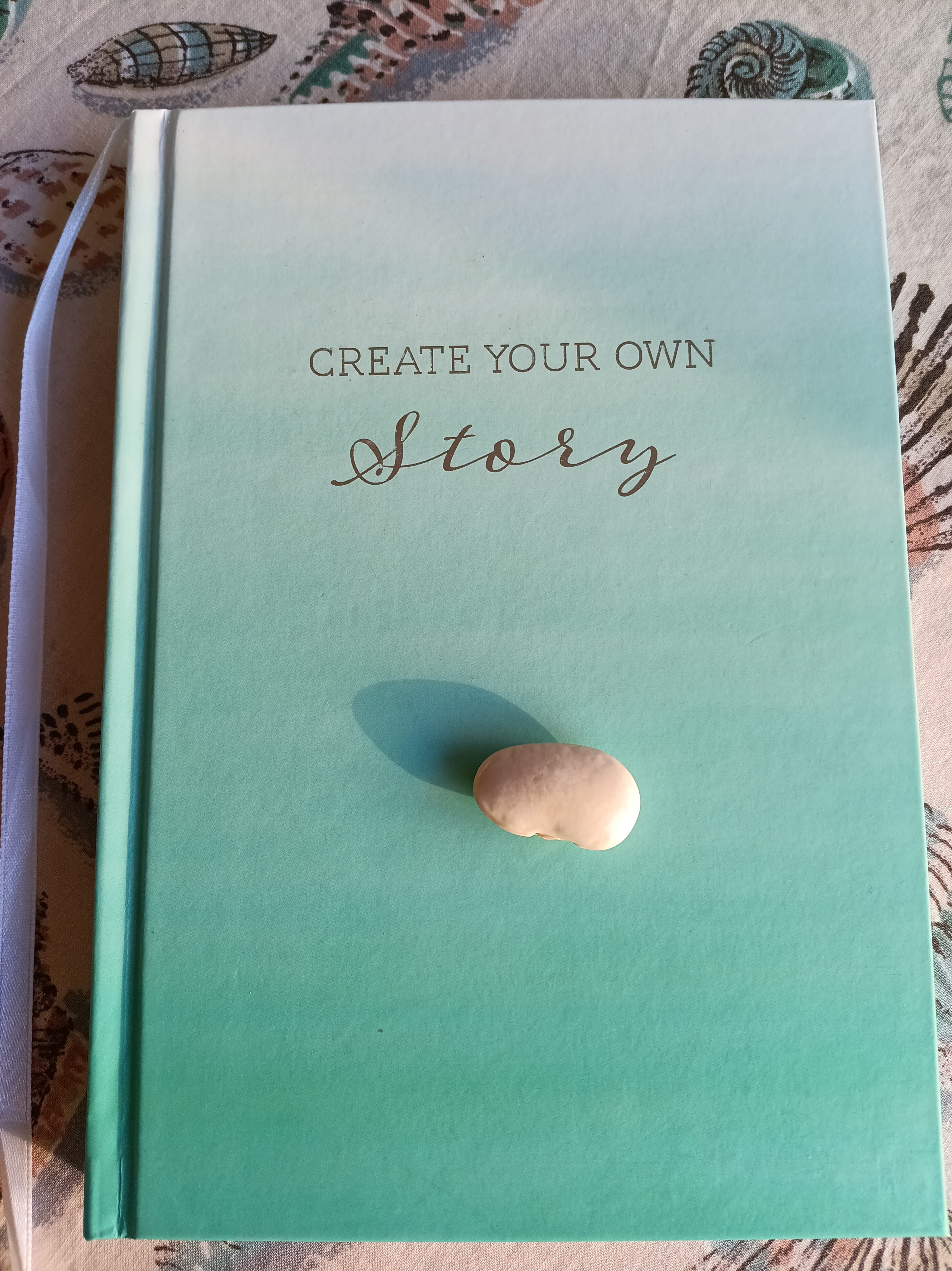
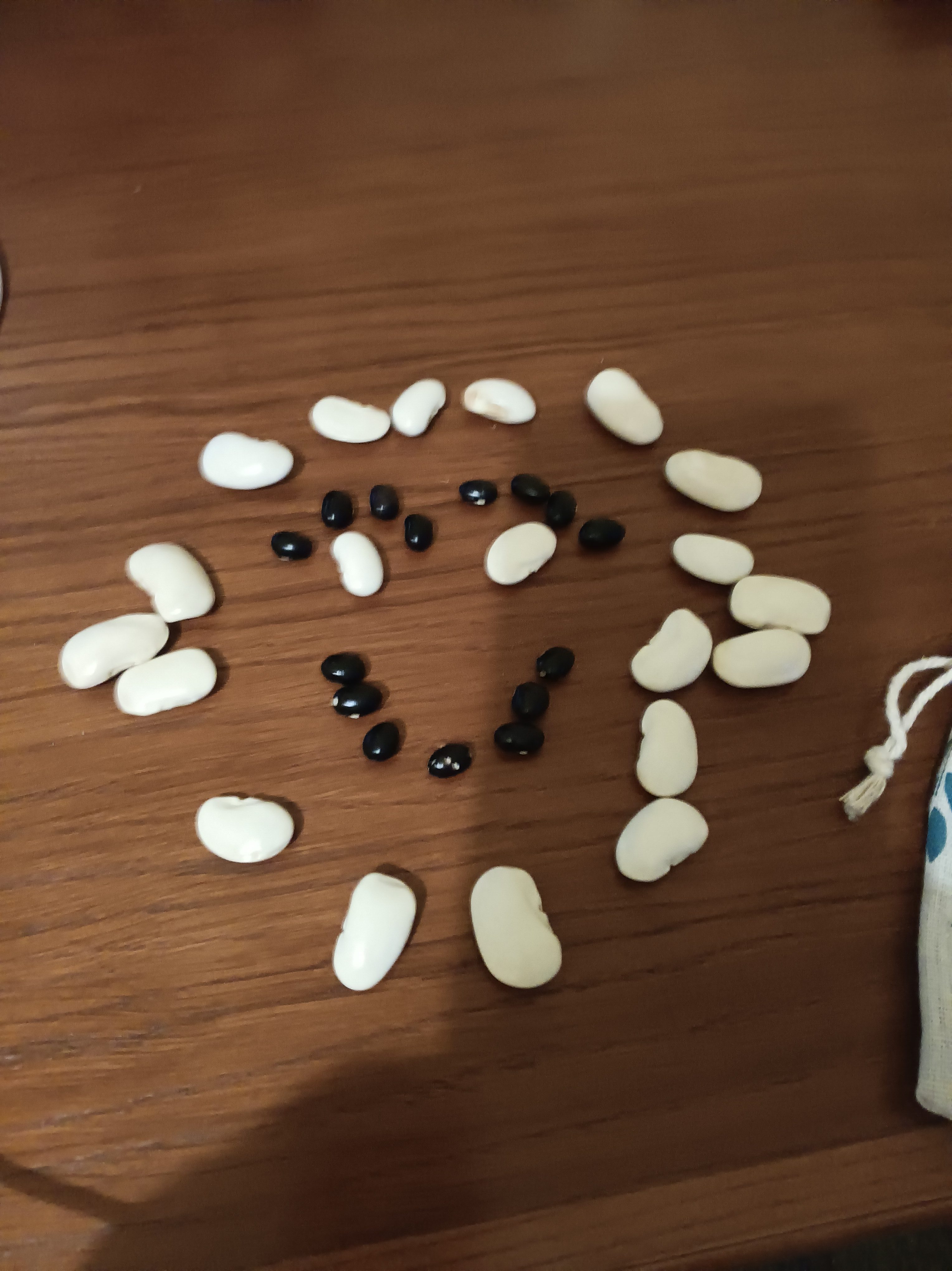
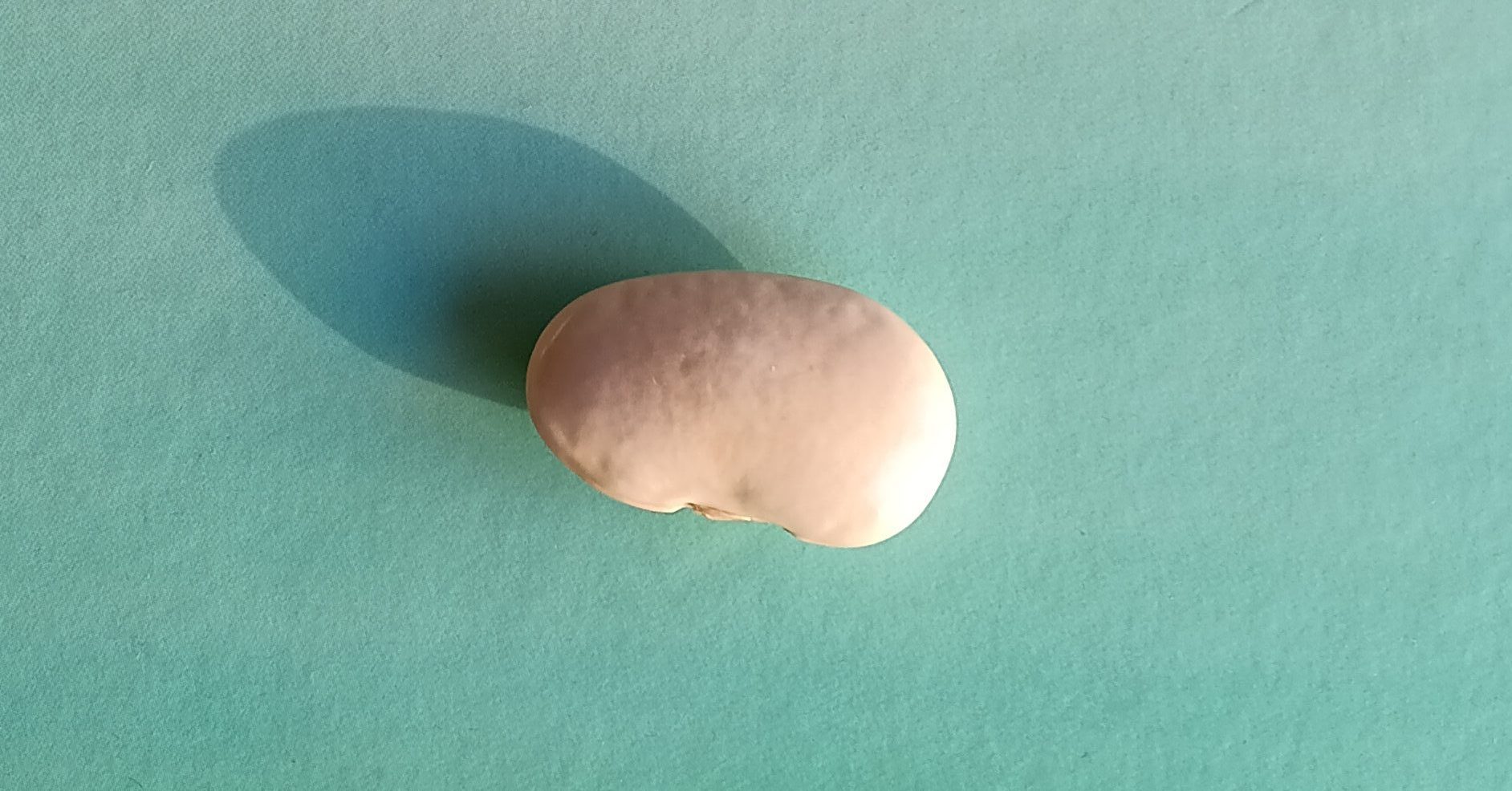
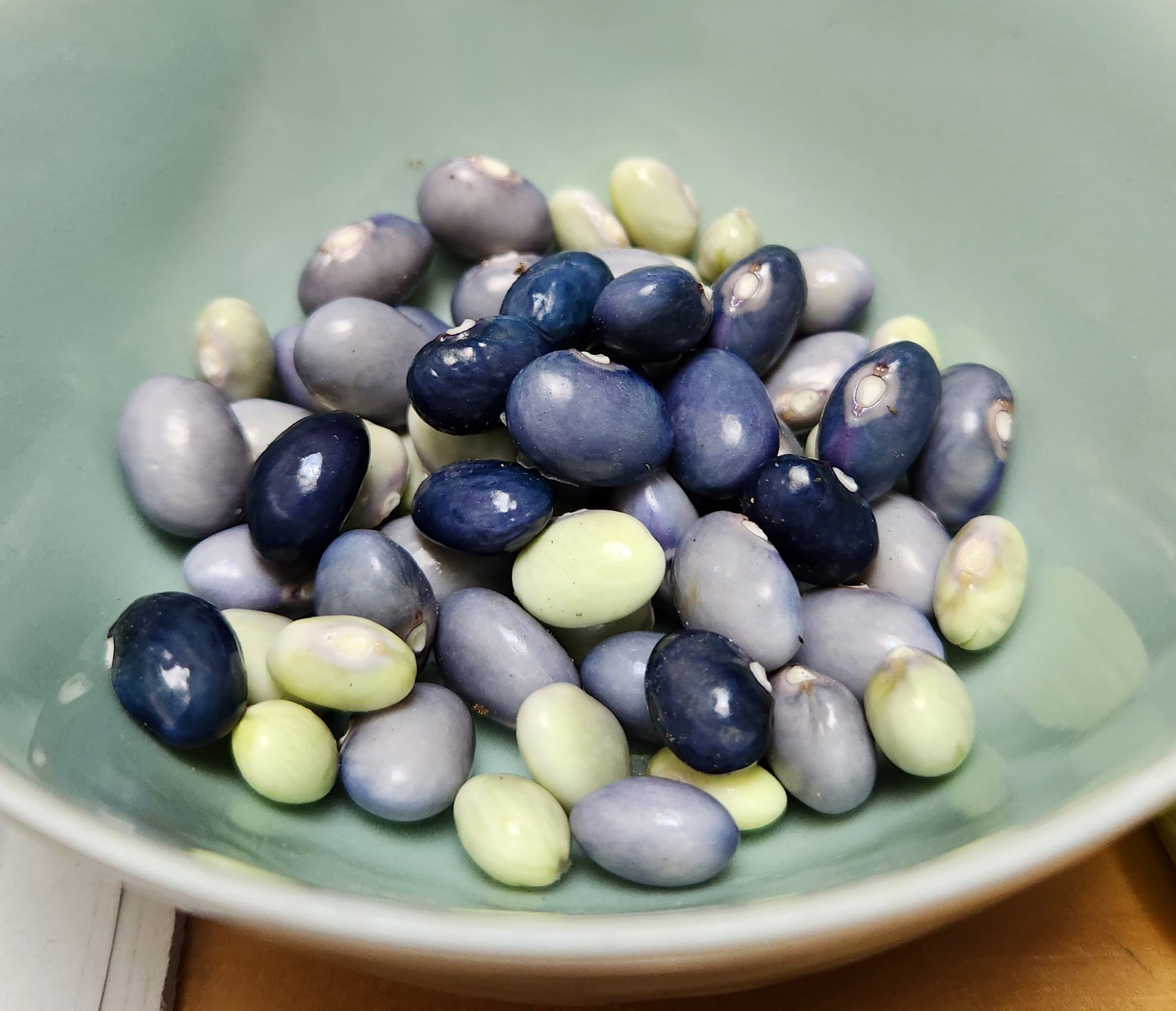
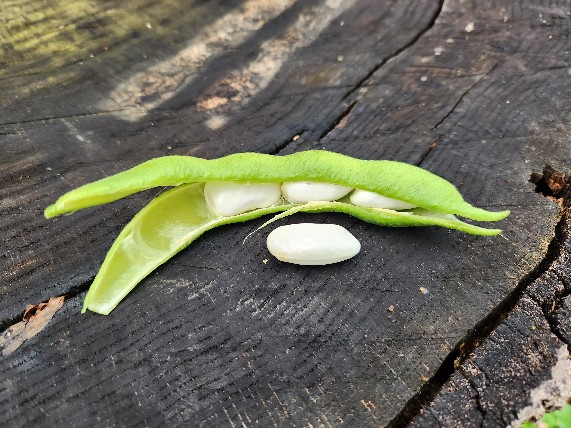
Marta presented me with a living family heirloom during my 2025 visit to Lviv, Ukraine: The small satchel she gave me contained the 15 small black and 21 large white beans shown below. The seeds came to me with a 100-year old story, they left Ukraine with me via Germany to be smuggled to the USA, and they will create new stories in my future gardens where I live. These special heirlooms from a special place and hard time are about food and gardening, about soil and home, and anout cycles of life, hope, and survival. Below on the left are the beans in 2025 in Lviv, the single white one sits next to me right now in Bremerhaven, Germany, and the bowl in bottom right is my first harvest from a first planting of a single black and white seed in my American garden.
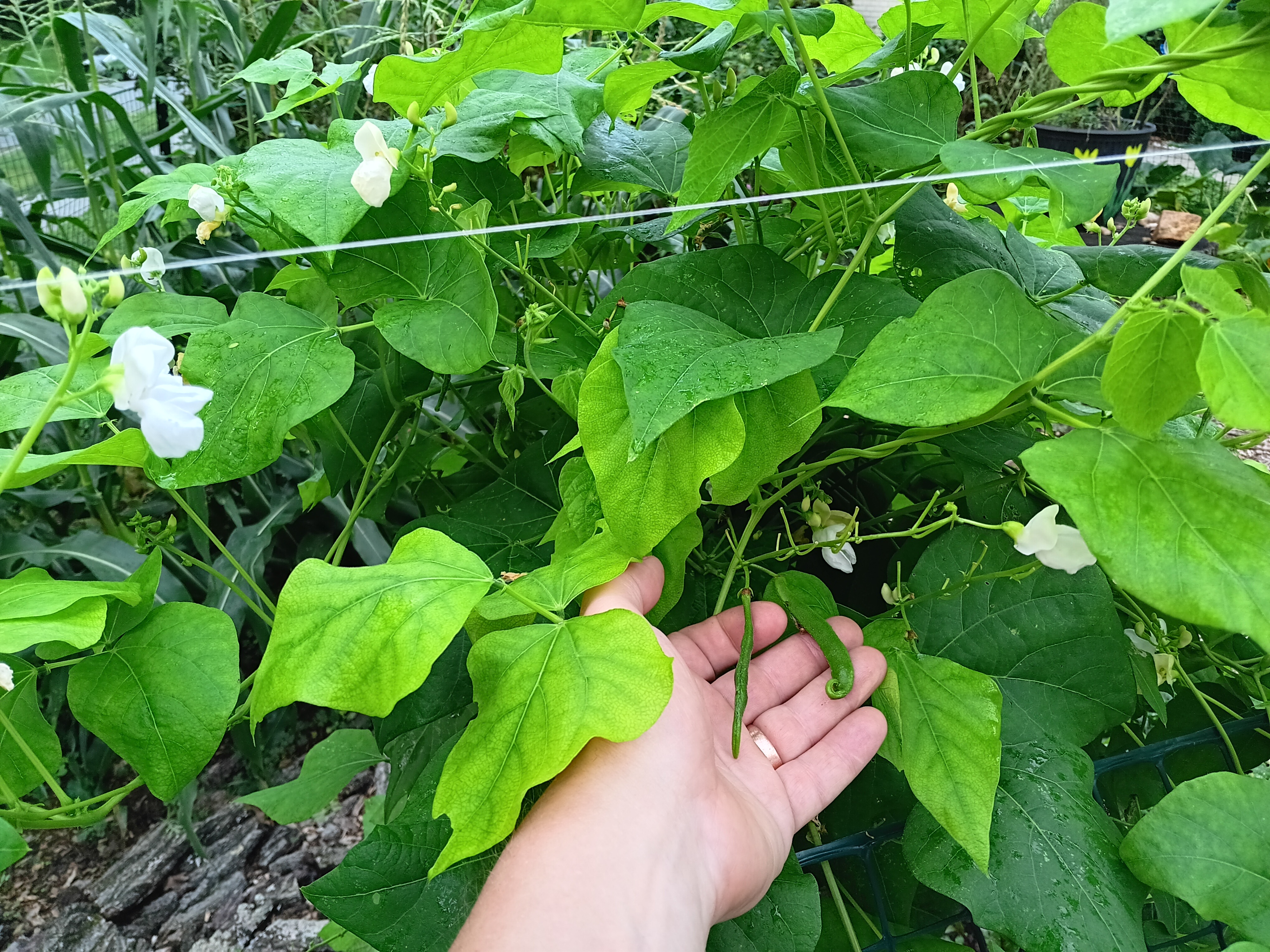
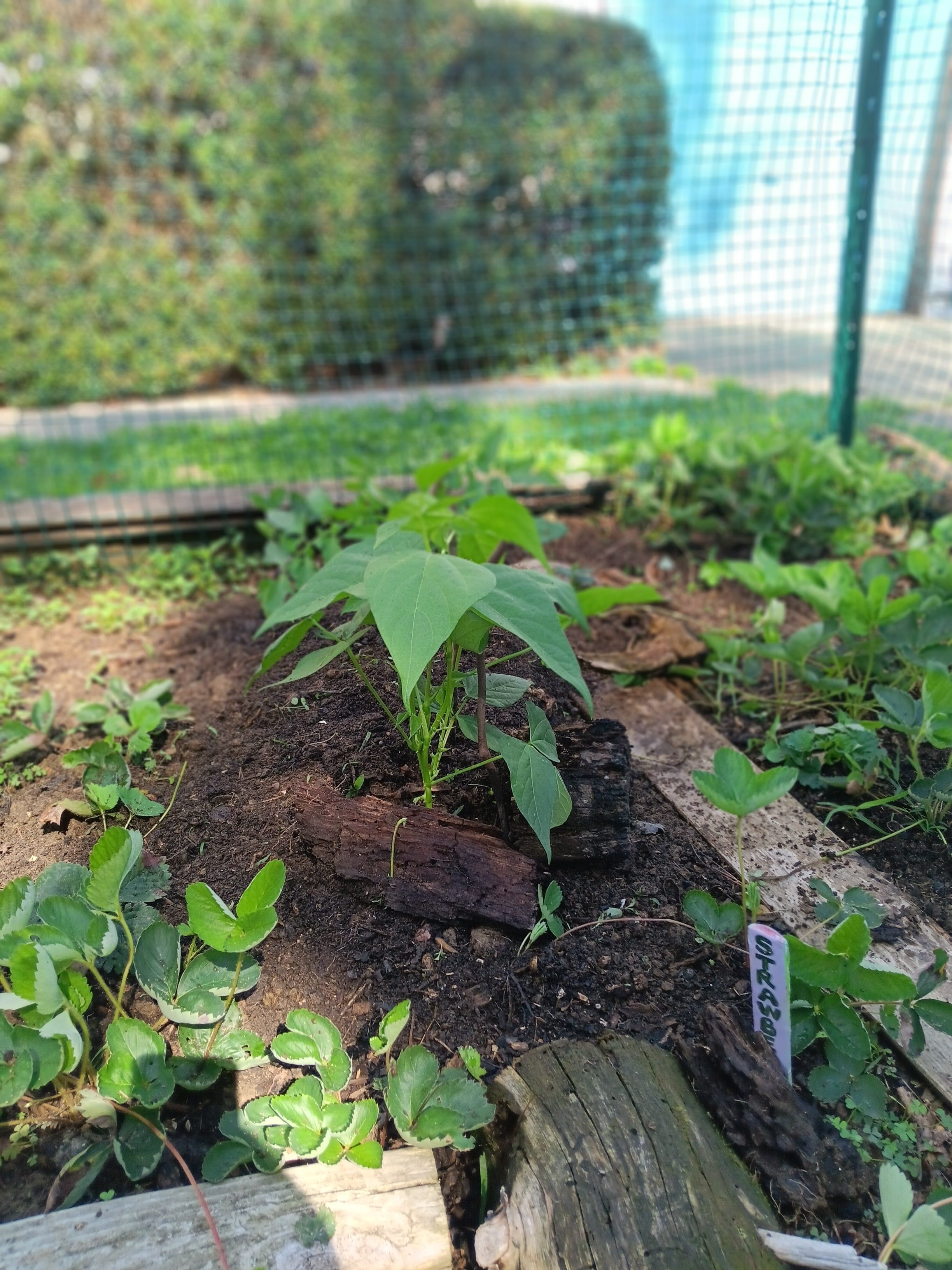
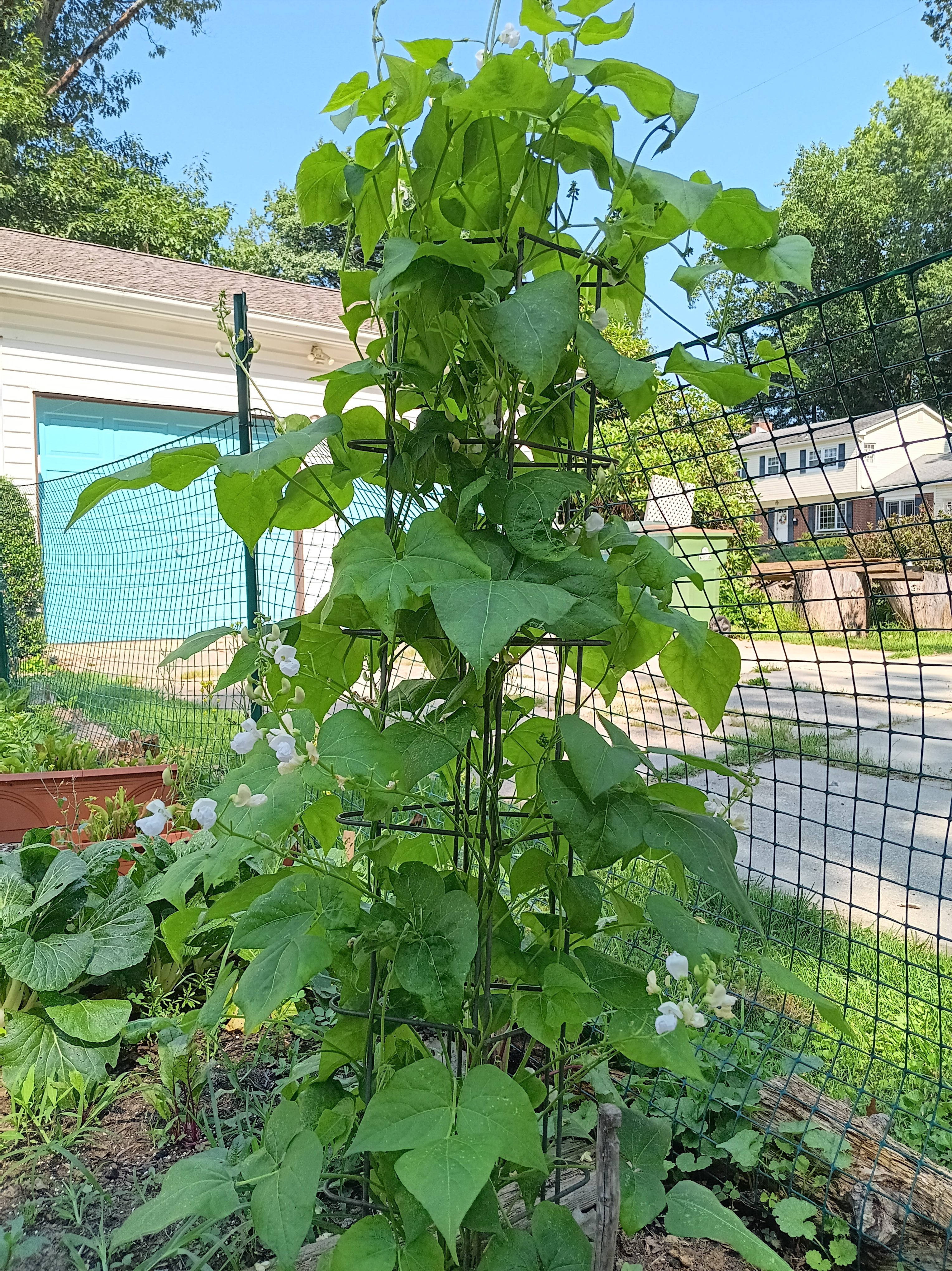
Marta gave the seeds as a good-bye present. She told me that they came from the garden of her grandmother who still tends it in a village near Lviv. Family histories say that her great-grandfather started the garden in the 1920ies. It was a time when the Ukrainian language was spoken in the rural areas while in Lviv Polish was the official language, because Lviv then part of Galicia transfered from the Austrian-Hungarian Empire to Poland after Germany and Austria lost the First World War 1914-18. Areas farther to the East such as Kyiv or Odesa or Dnipro were occupied by the Red Army of Russia after they had won the Russian Civil War 1917-22 against many different factions all opposed to Bolshevik rule. And after these times of war and destruction Marta’s Great-Grandfather planted a garden to nourish his family with beans that were planted year after year with seeds saved for the next year for 100 years until today. Shown below is what came of the seeds when planted two in my garden at home in the USA in July of 2026. Yes, the smaller plant of black beans I put within a bed of strawberries while the larger white bean plant lives peacefully with corn and tomatoes.
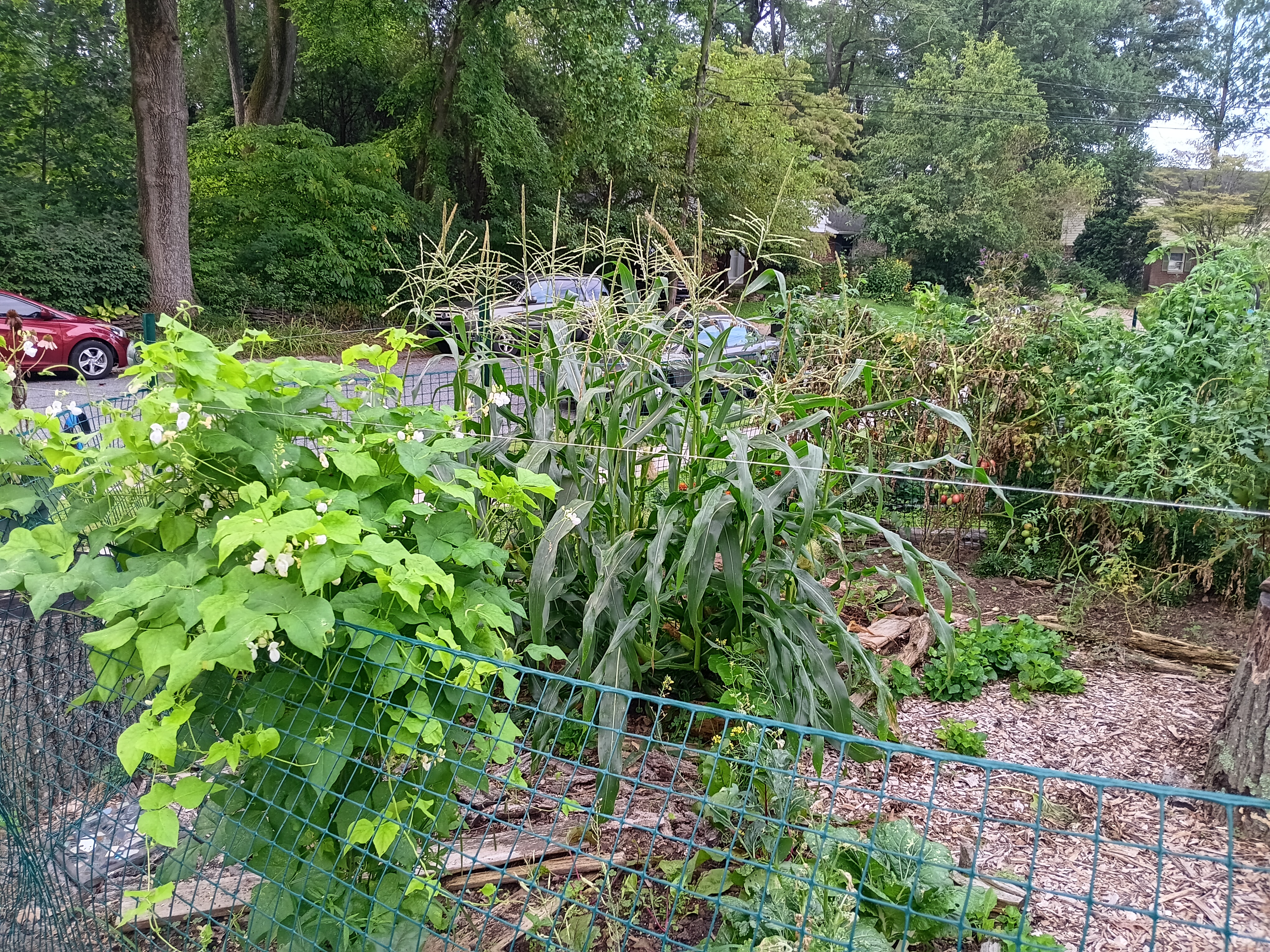
The beans were feeding Marta’s family in the then Polish part of Ukraine while several million peasants living in the the Russian part of Ukraine were systematically starved to death in the 1930ies. This so-called “Holodomor” was a planned, man-made genocide to break the independence of Ukrainian peasants working the land. State-ordered mass murder depopulated the country-side where peasants had been growing food for centuries. The goal of this “collectivization” was complete state-control and subsequent industrialization of agriculture. Lew Kopelev born 1912 in Kyiv participated in this mass murder by starvation as a 18-year old firebrand bolshevist as he described it as a Soviet dissident living in Germany in his 1977 memoir “Education of a True Believer.” A more complete historical accounting and analysis is the work of Roger Conquest from 1986 called “Harvest of Sorrow: Soviet Collectivization and the Terror-Famine.” Living in the then Polish part of Ukraine, Marta’s great-grandfather survived this famine as neither secret police nor state-sponsored communist thugs took his seeds.
Yet a decade later, Nazi-Germany and Soviet-Russia together invaded Poland in 1939 thus starting the Second World War. Only 2 years later in 1941 did Hitler’s Germany invaded its former ally that was Stalin’s Russia. As a skilled, productive, and respected individual gardener and citizen Marta’s great-grandfather became instanteneous a target to the new Russian occupation. His home was looted, his house burnt, and Soviet authorities arrested him as an “Enemy of the People.” Deporting him with his family to Siberia, they shot him to death. His wife and child survived to eventually return to the garden outside Lviv where the beans kept growing to this day.
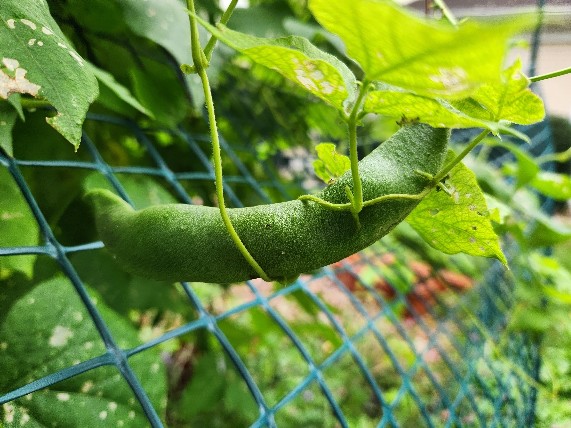
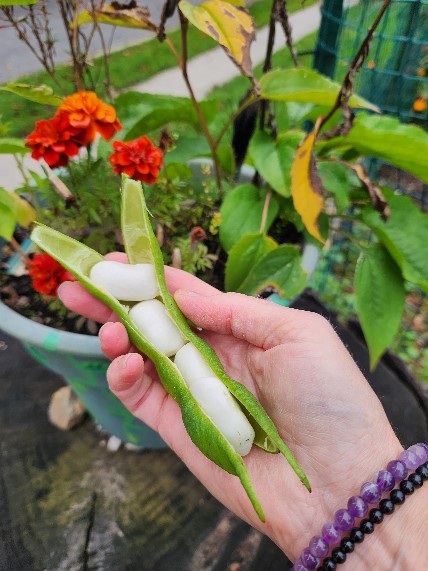
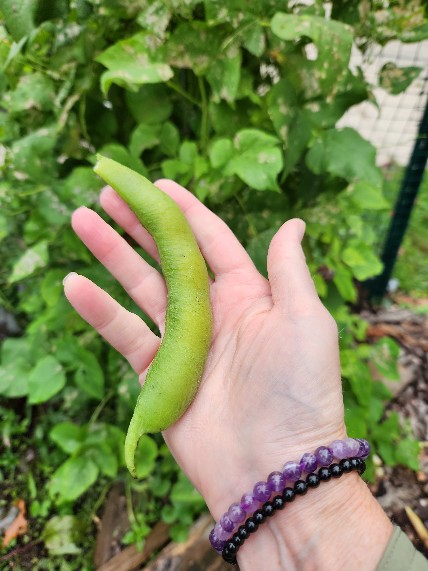
I learnt this story 5 weeks ago when I emailed Marta’s about my beans. During my daily garden walks I observed that the black beans turned purple flowers into fruit while the white bean with white flowers did not … or so it appeared. Marta in Lviv checked with her aunt and cousin who had no such problems with seeds grown in Ukraine from the same stock. As it turned out, my white beans did turn fruit also, albeit at a much slower pace than the black beans. Both were planted the same day in late June and the smaller black beans mature about 10-14 days earlier than the larger white ones. And as I moved back to Germany in early September my wife Dragonfly harvested the first beans shown, perhaps a little early, but we are still experimenting and learning. This 2026 planting was a first trial to see what Dragonfly and I could learn about growing these heirloom beans.
Now, what will happen to that single seed left in my small studio appartment 500 m from the North Sea in Bremerhaven, Germany? Well, last weekend I discovered an Urban Gardening Project called “Der Zolli.” It is a community project to care for a small city park and it includes a large number of small raised bed, fruit trees, well-kept paths, a compost pile, as well as utility building, water tank, tools of the gardening trade, and socializing sitting areas.
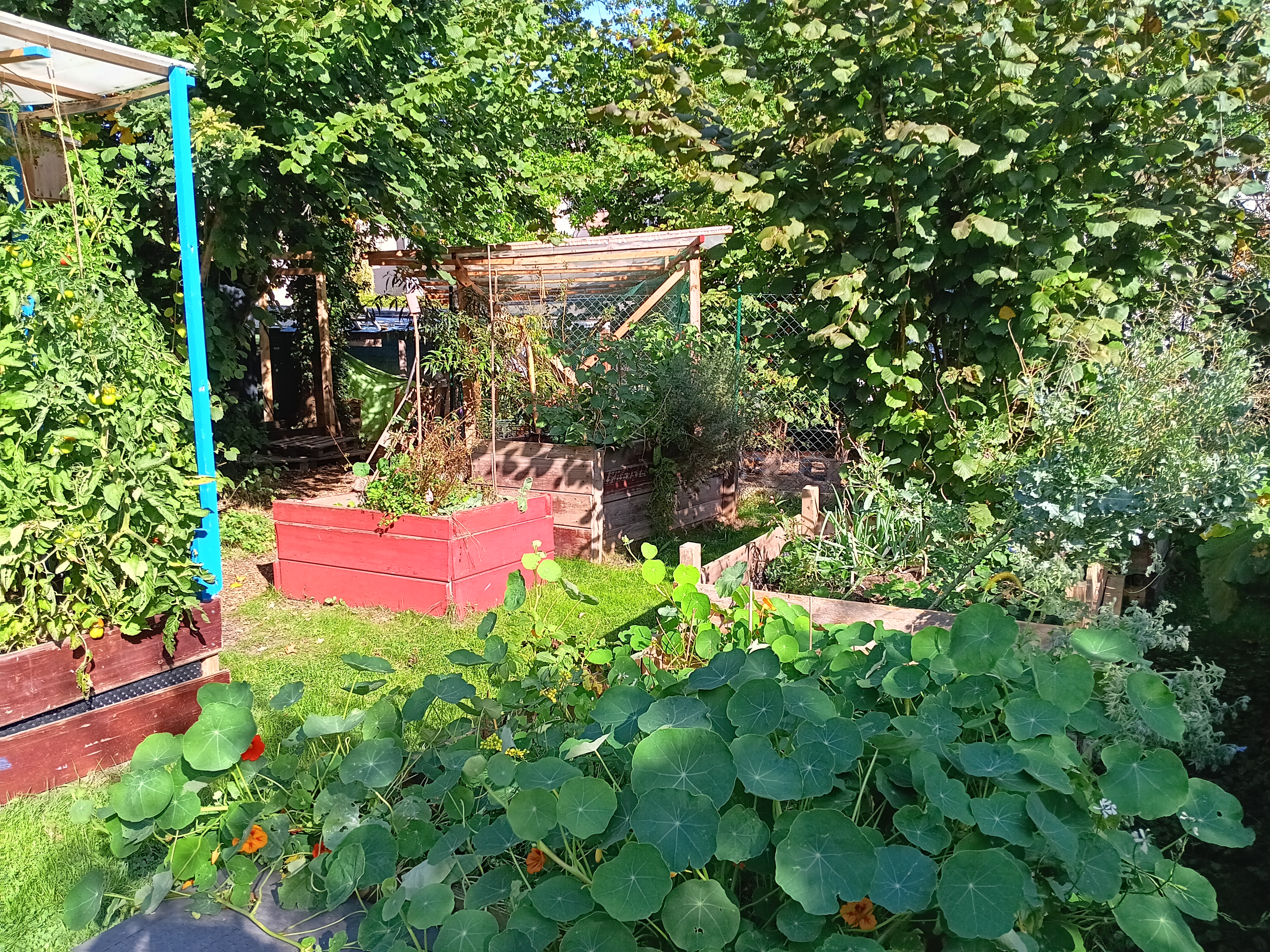
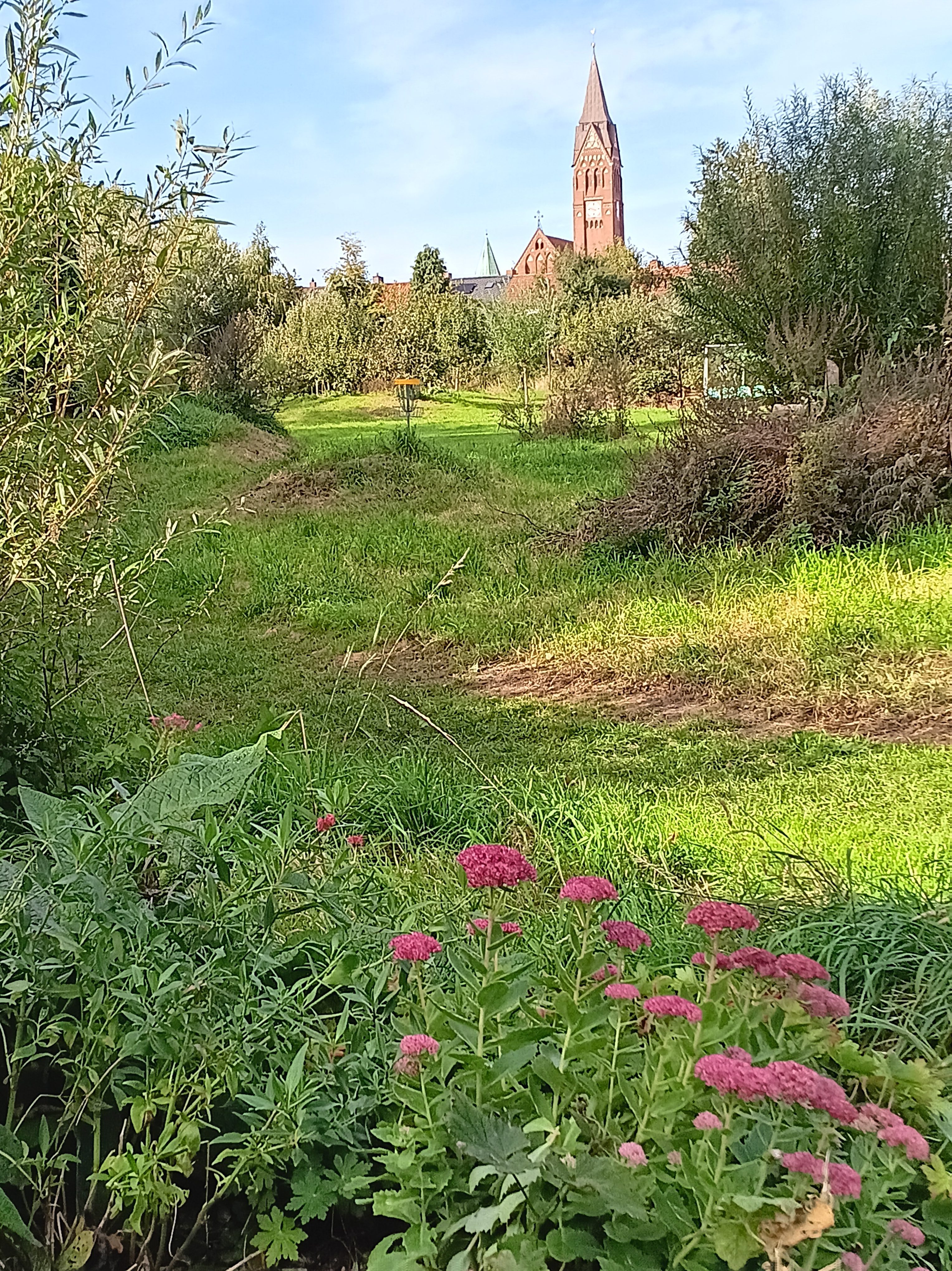
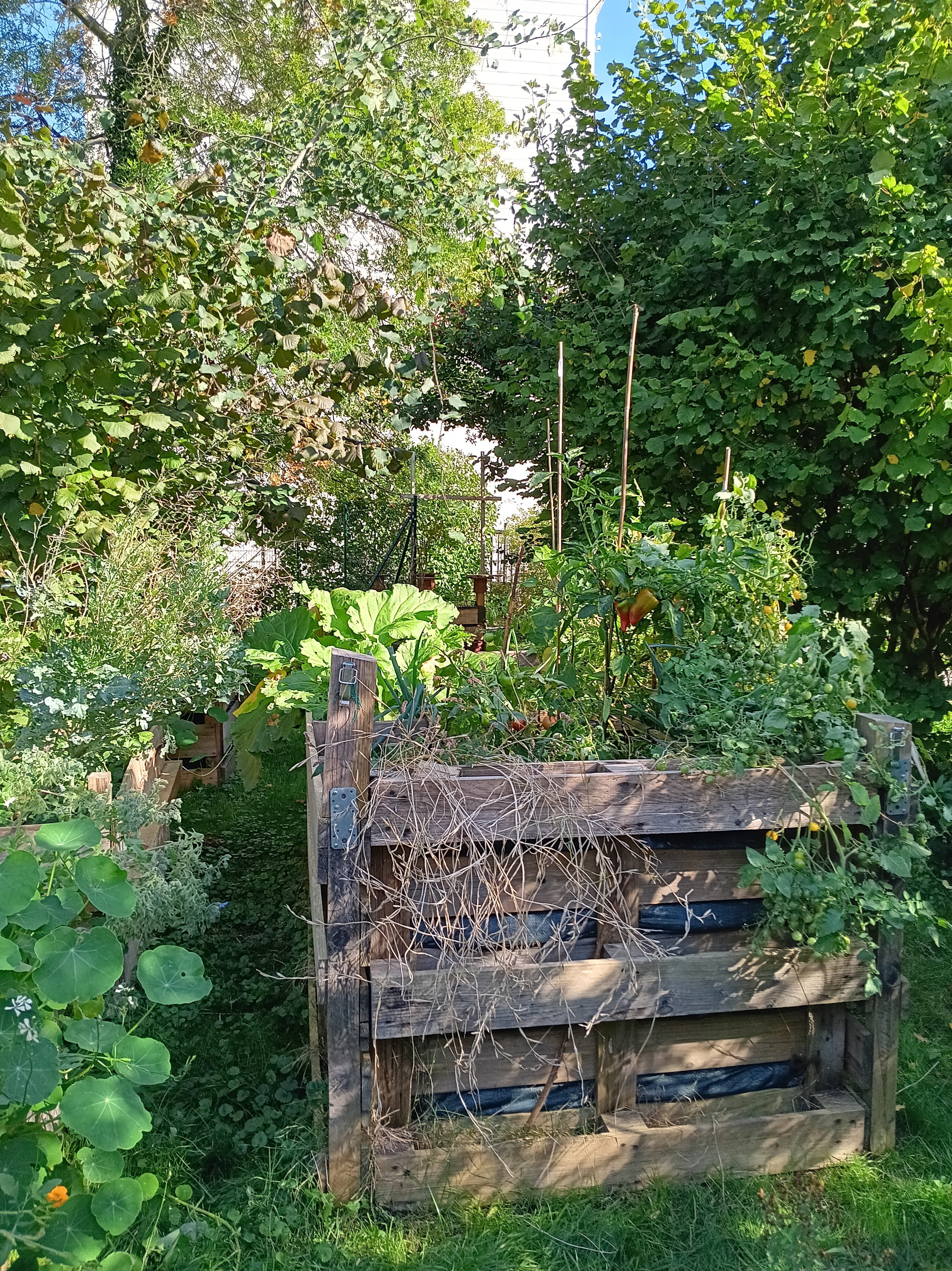
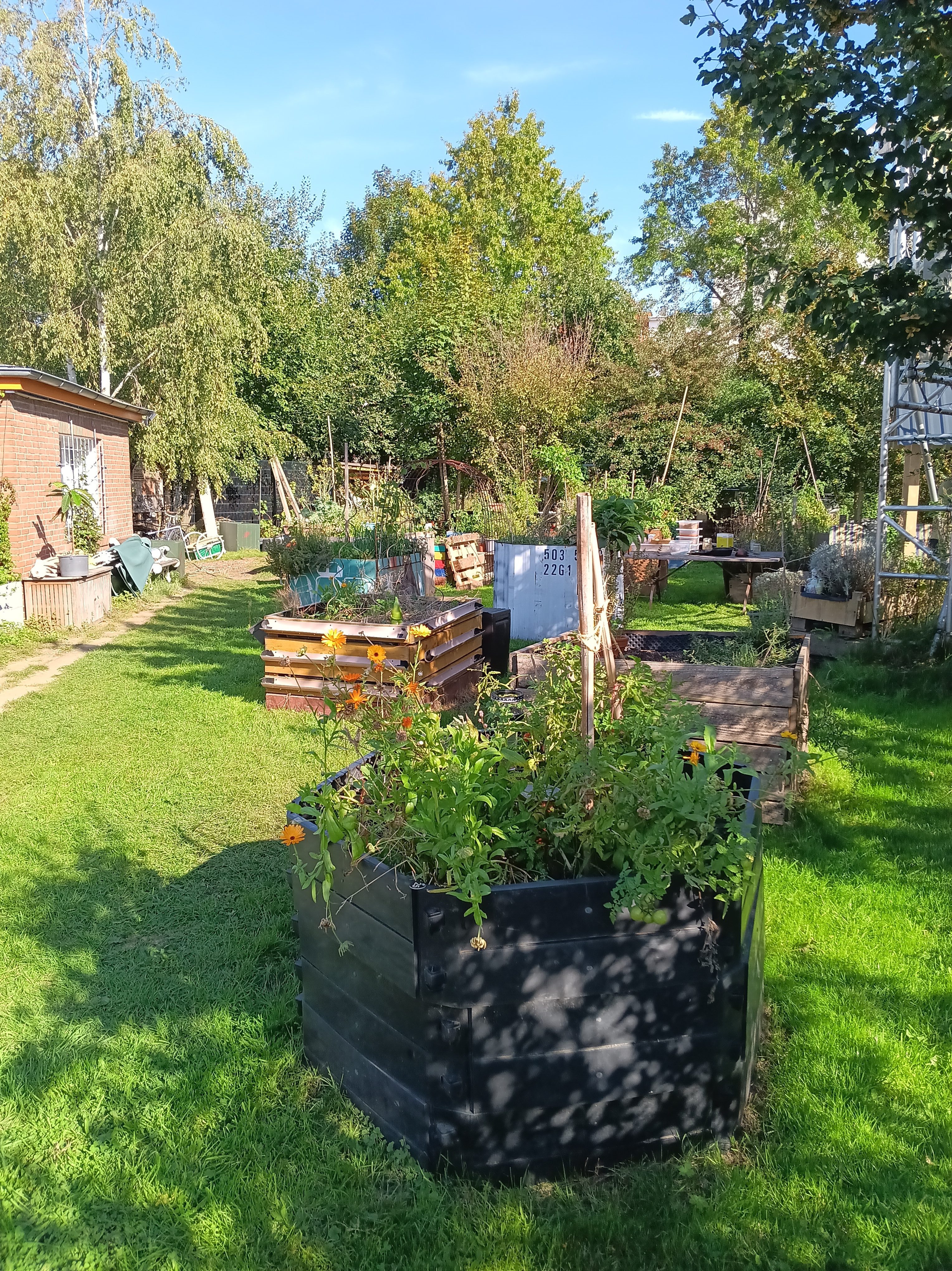
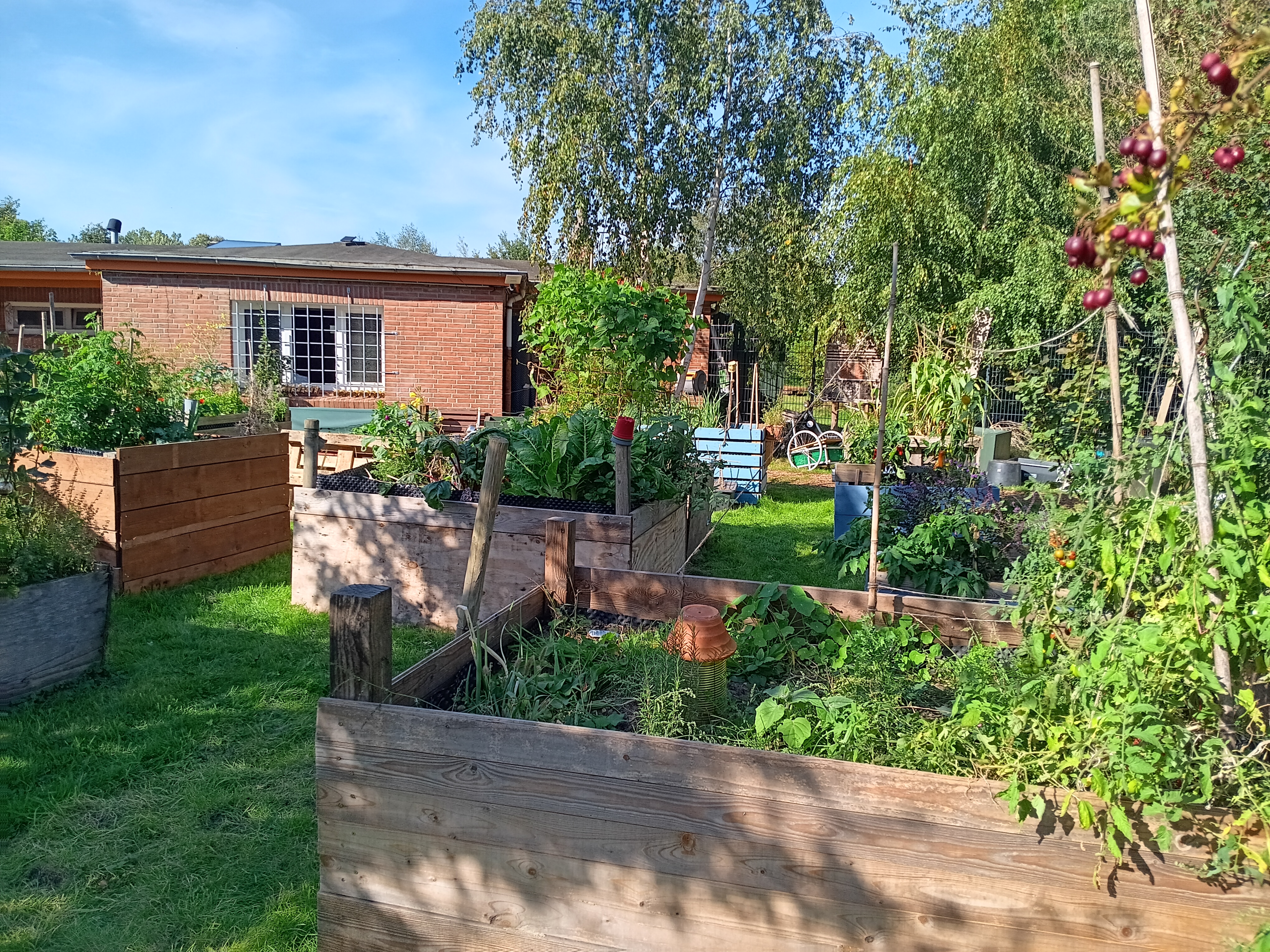
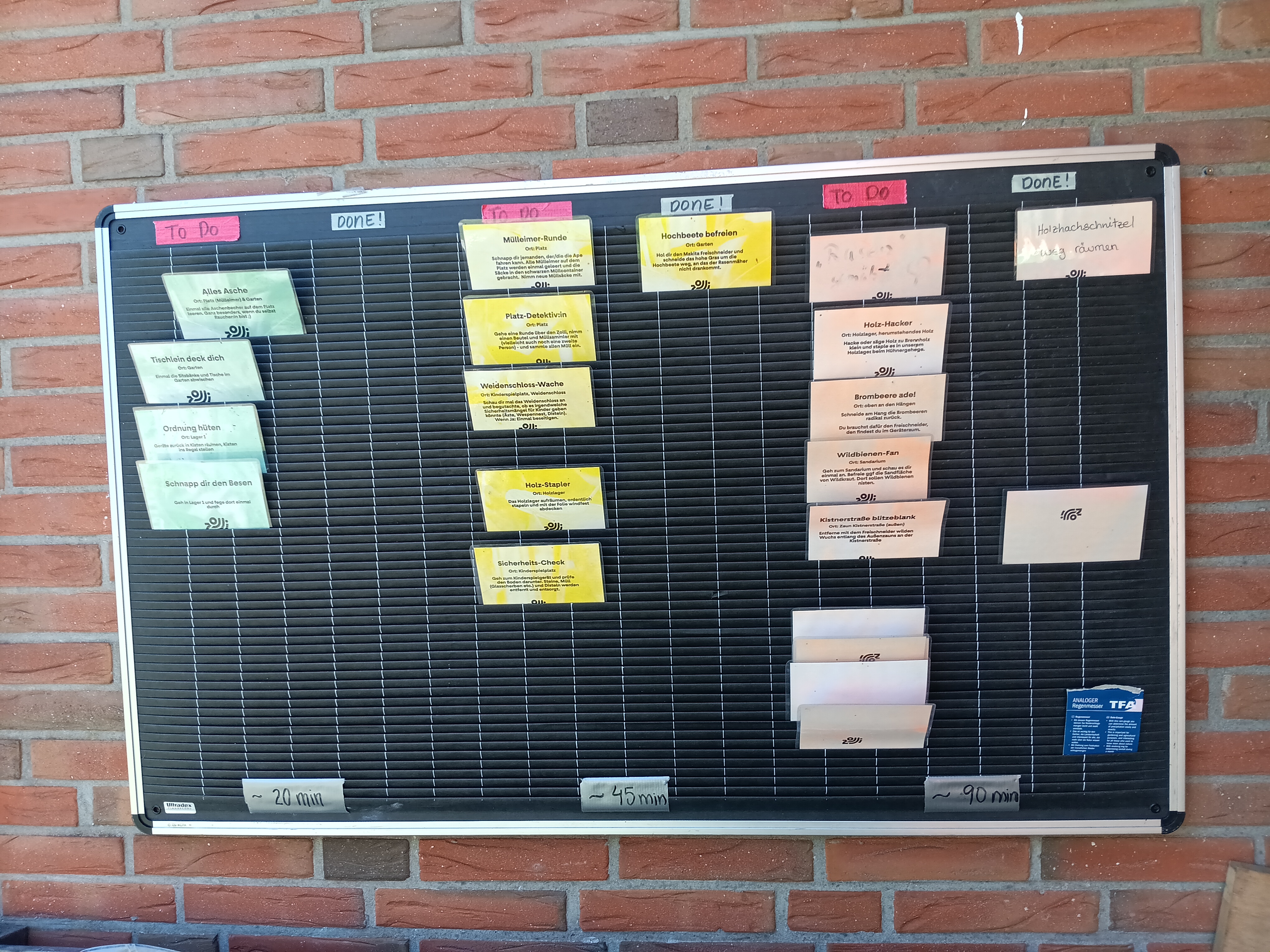
The place combines German organization, chaos, and whimsy. There is a board that explains what community tasks need doing, which tasks are already done, and how long each task may take. There is a place for the water canisters, there is a place for the wheel-barrows, and there is a place for the beer cases. A small shipping container has been converted to a cafe which even serves alkohol. Recall that this is a public place. A stage for art, music, or other events is there as are children playing areas. It is all so civilized with lots of creature comforts and socialization.
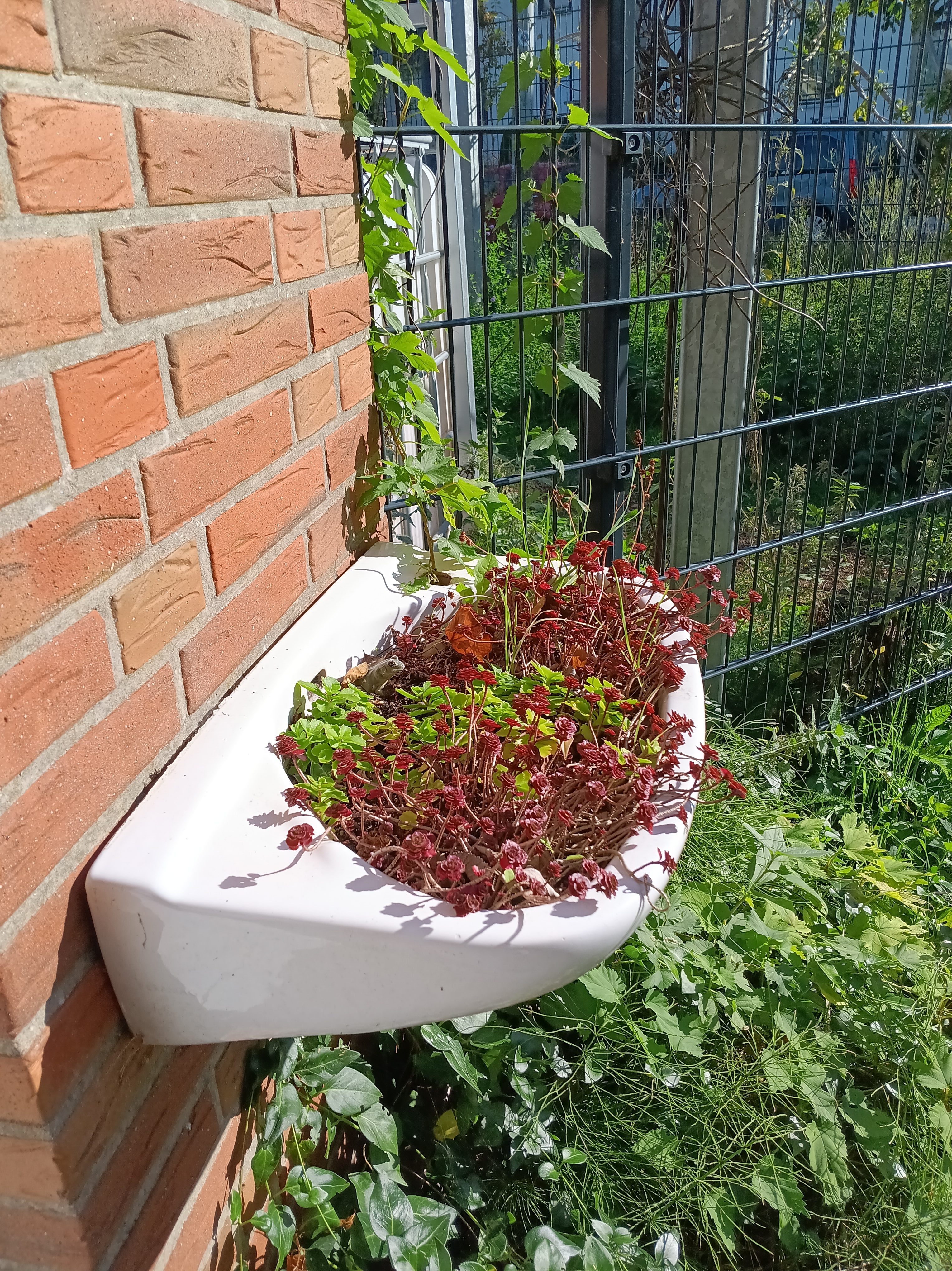
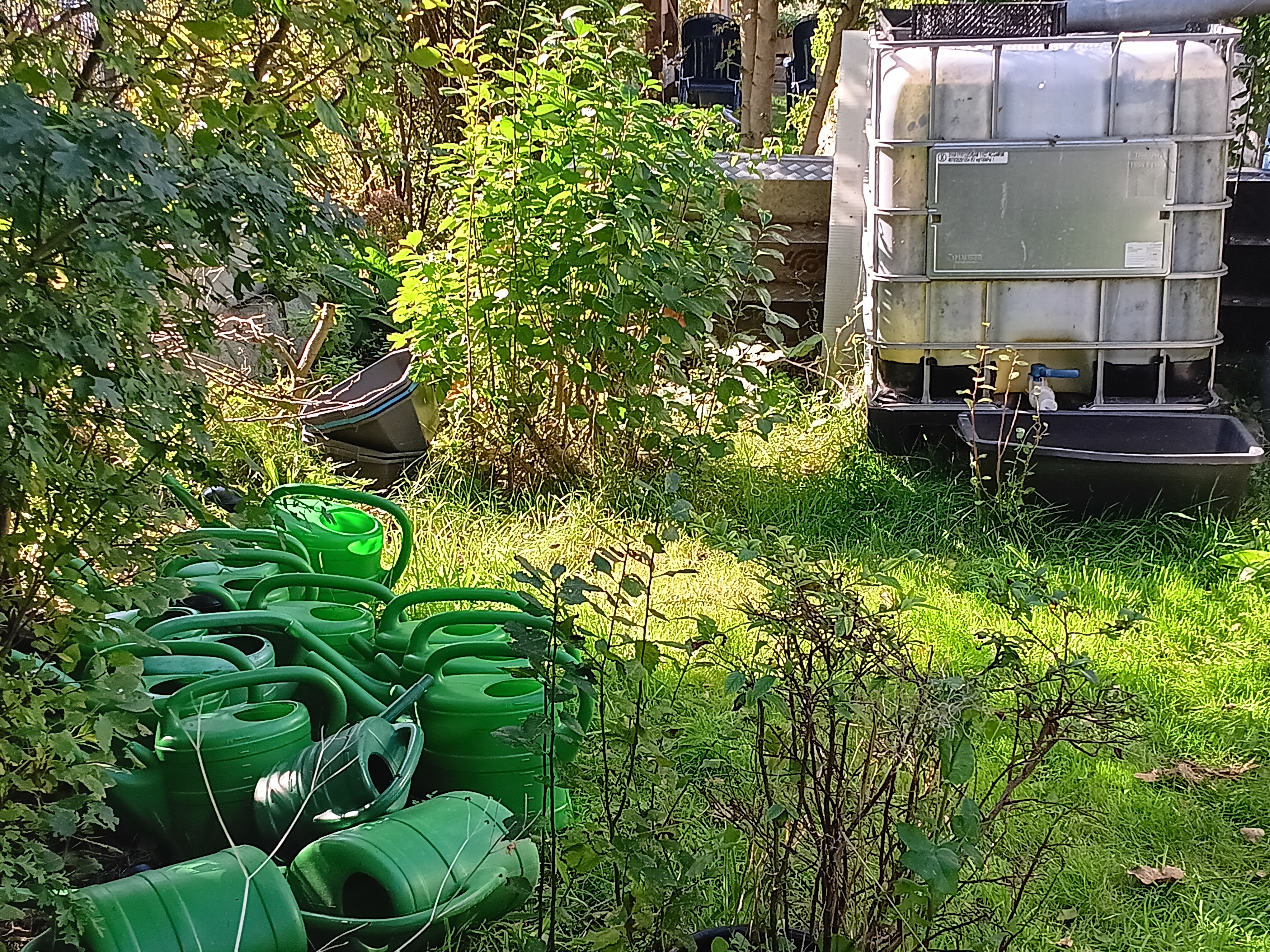
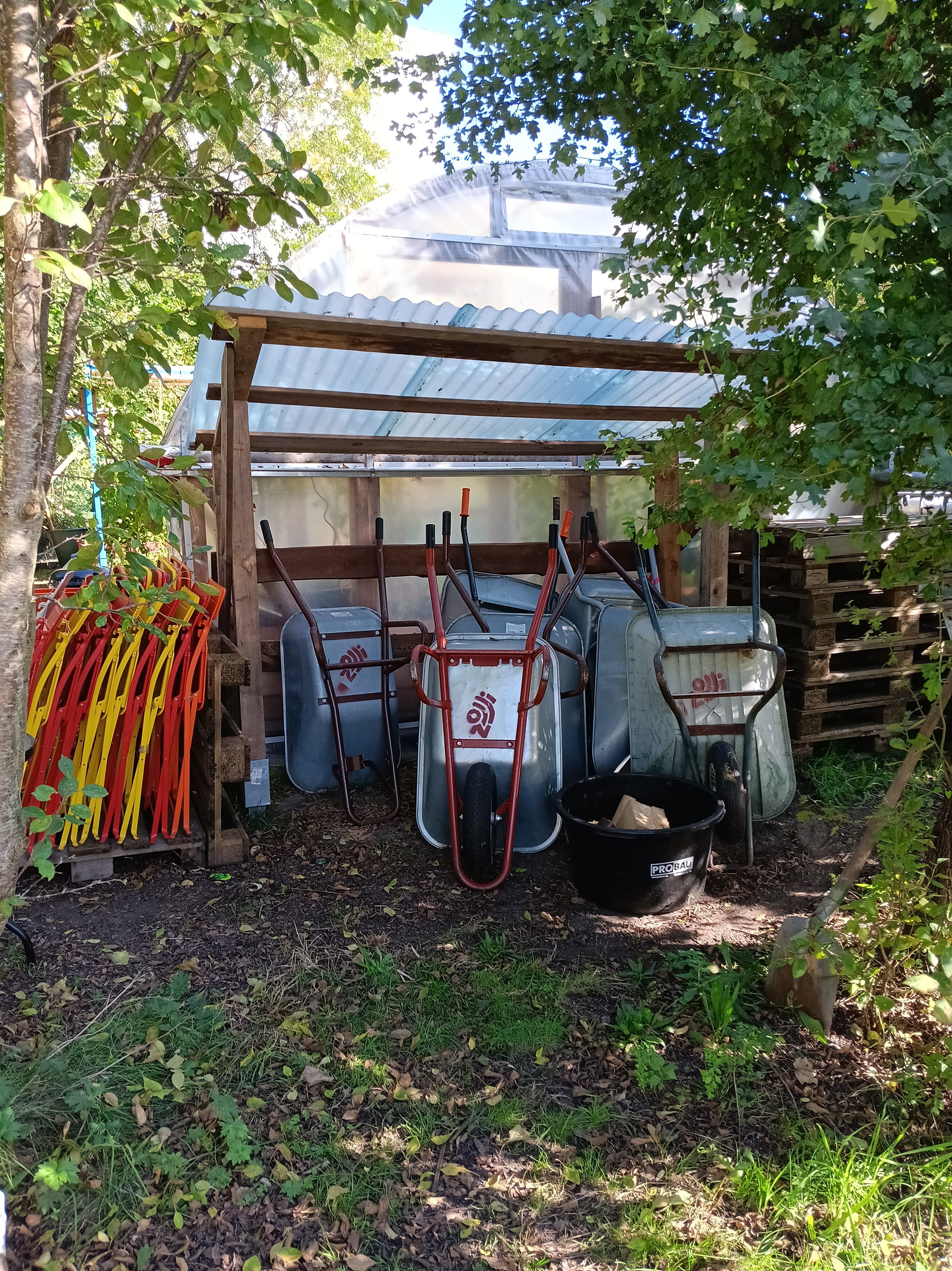
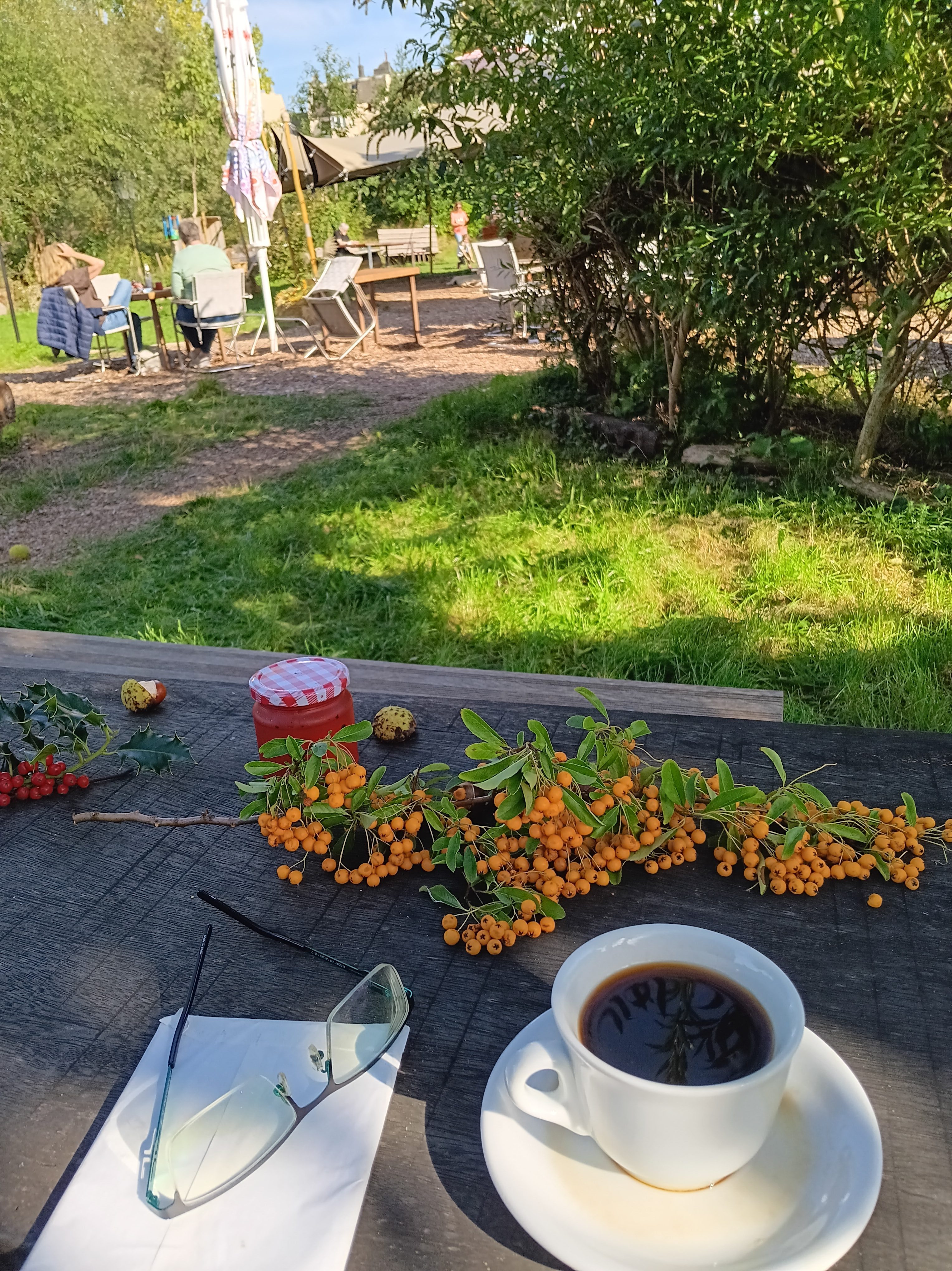
Once a month the club has an “Action Day” where people meet to work the gardens and newcomers like myself are welcome to help and explore. And as this is the end of the garden season, it is, I feel, a good start to prepare for gardening in 2027. Hence my goal is the either build a new raised bed, or inherit a vacated bed, or edge out a new ground bed. Wood, tools, and well composted soil is all there as well.
Perhaps this is a future home of my single Ukrainian bean? The heirloom bean from Marta’s great-grandfather from Ukraine can thus find yet a place in North Germany to give life and nourishment in a never ending cycle.