Tag Archives: Bremerhaven

What’s in a Ukrainian Bean?

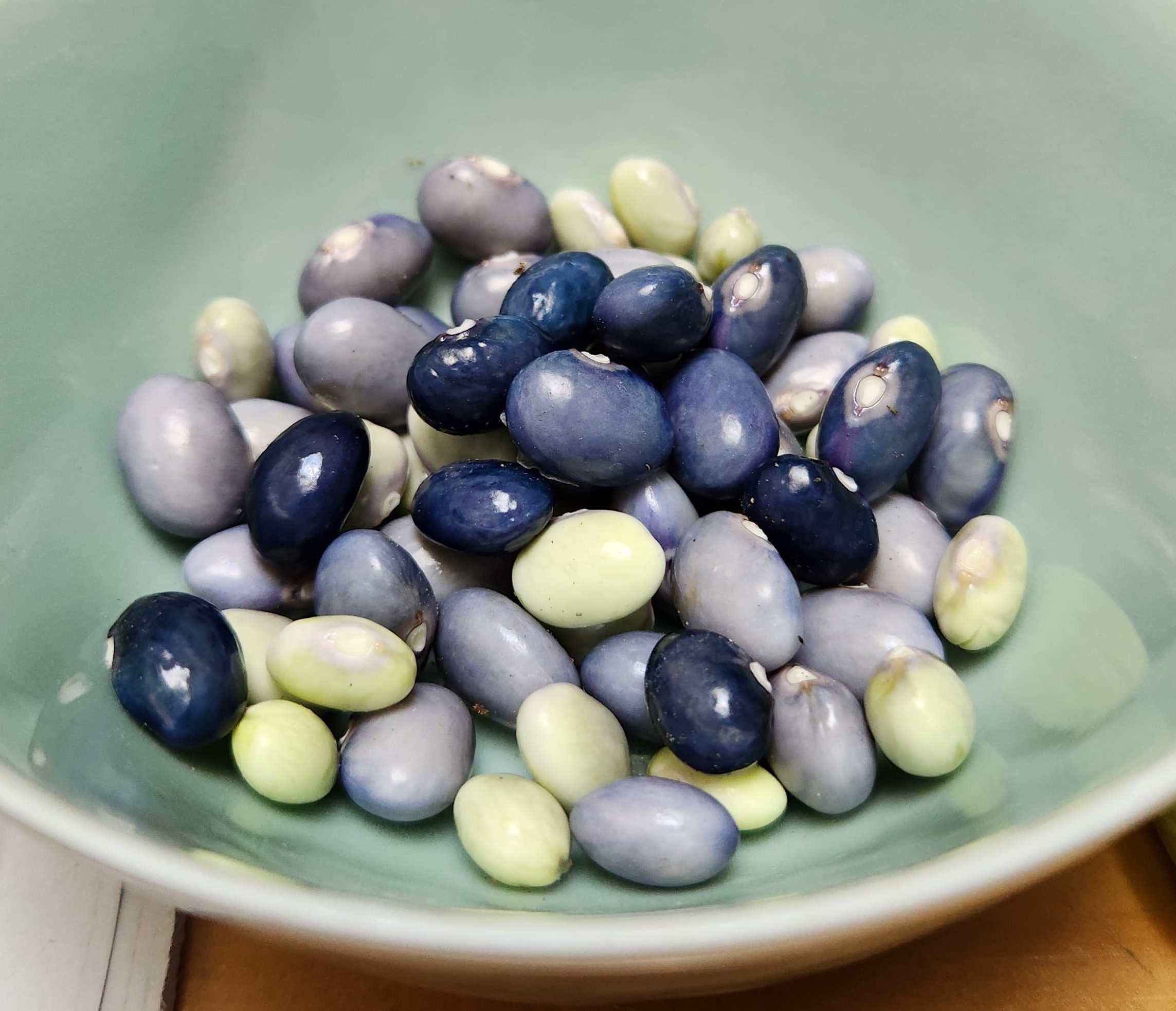
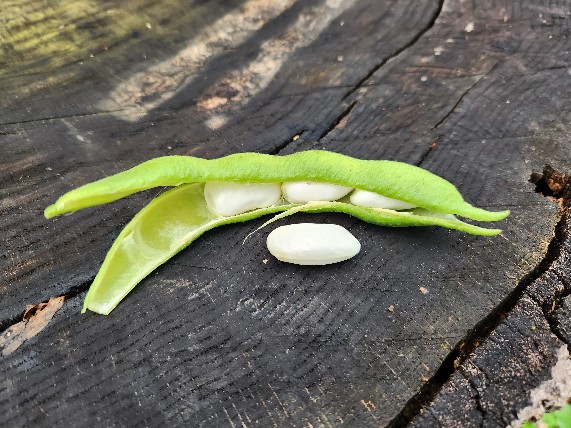
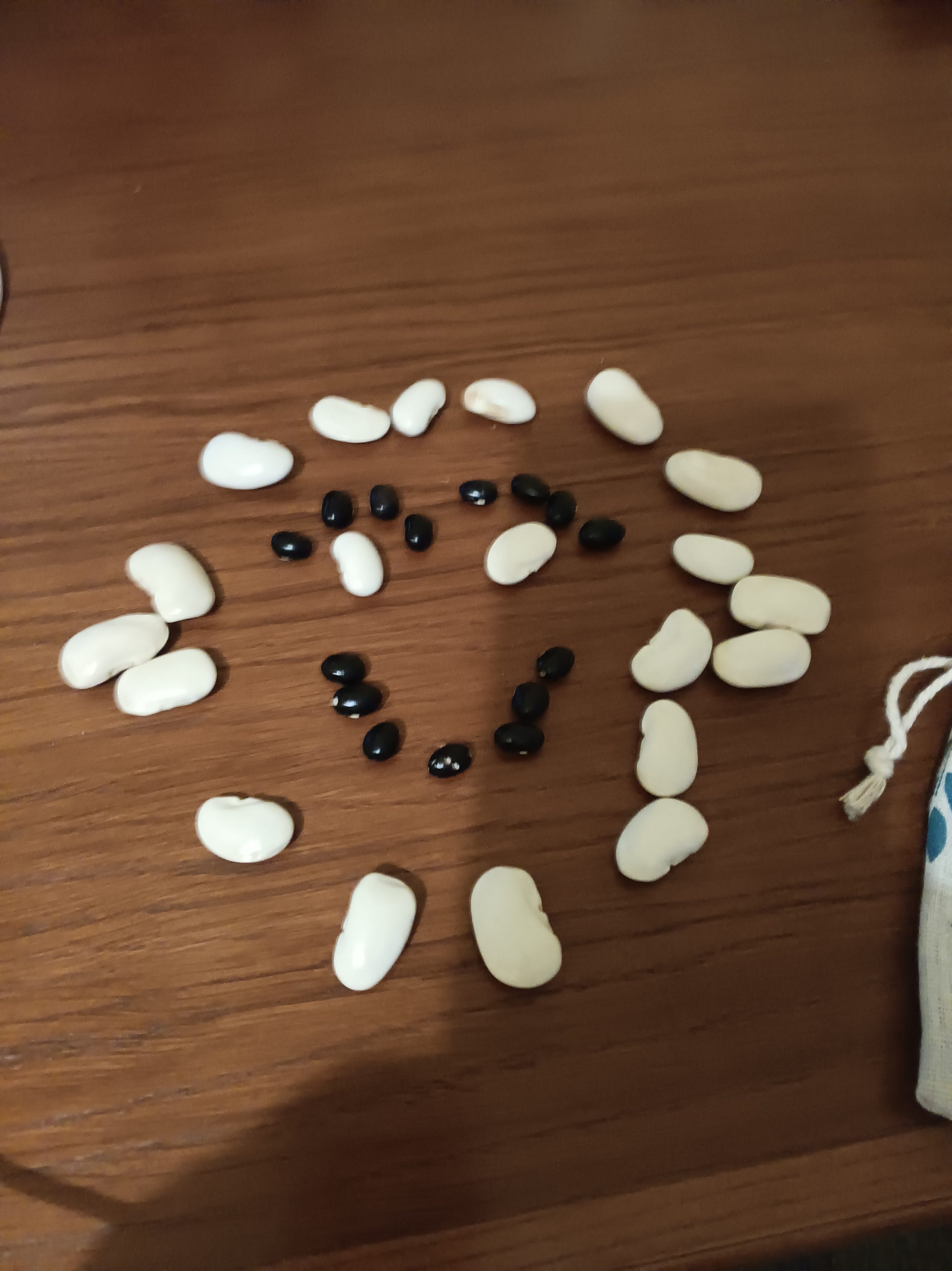
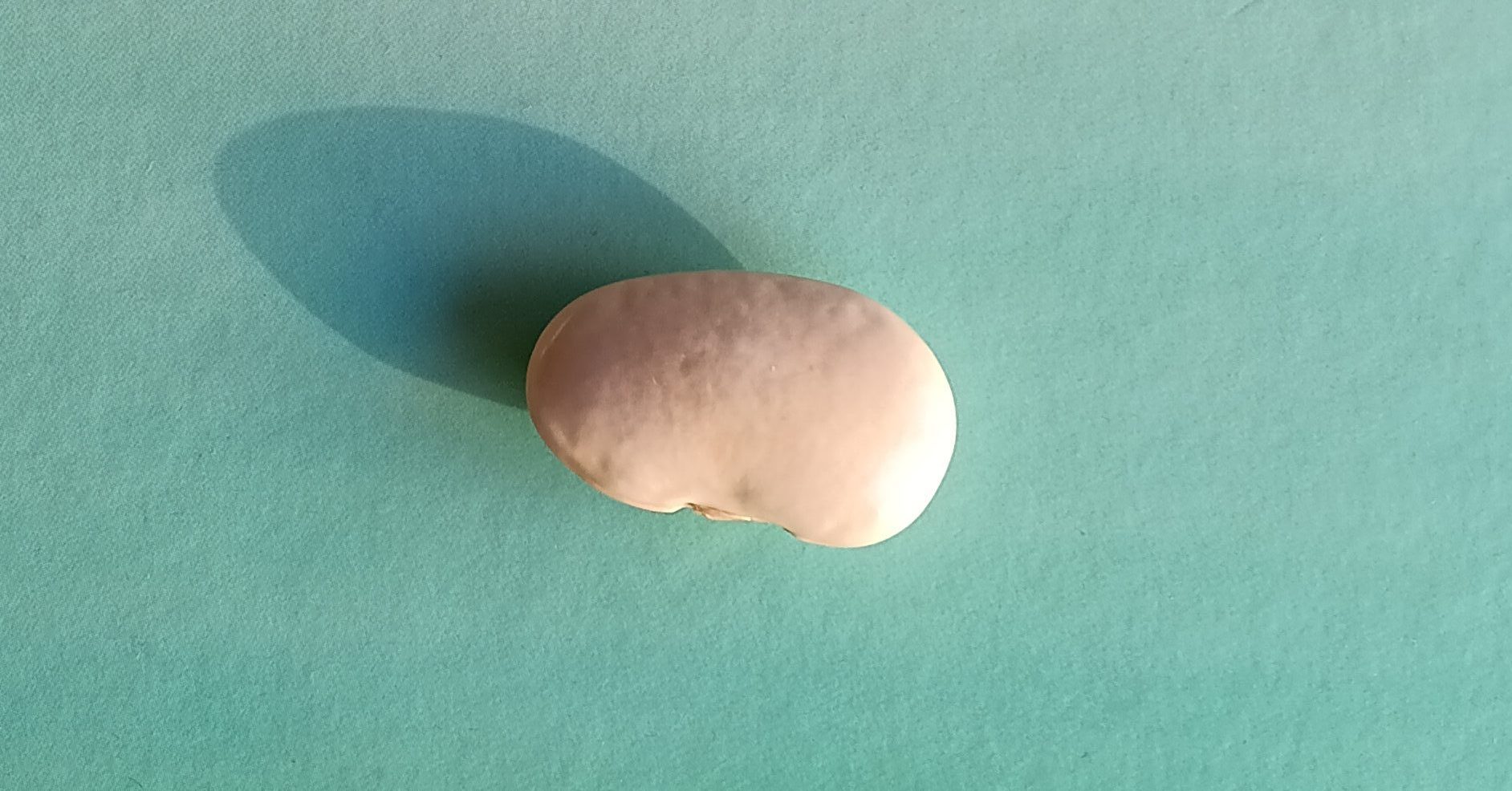
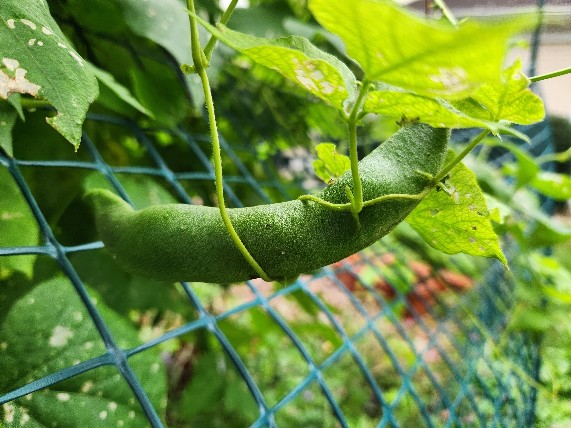
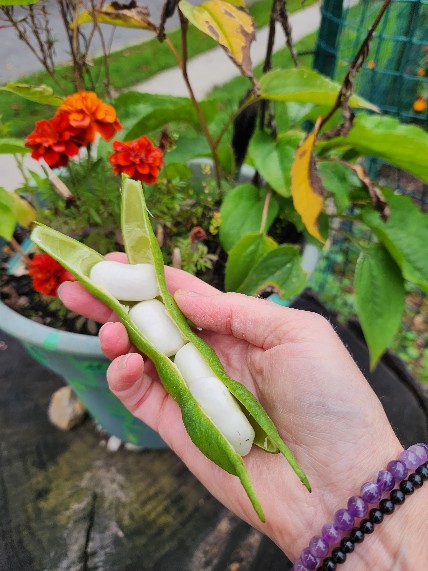
Marta presented me with a living family heirloom during my 2025 visit to Lviv, Ukraine: The small satchel she gave me contained the 15 small black and 21 large white beans shown below. The seeds came to me with a 100-year old story, they left Ukraine with me via Germany to be smuggled to the USA, and they will create new stories in my future gardens where I live. These special heirlooms from a special place and hard time are about food and gardening, about soil and home, and anout cycles of life, hope, and survival. Below on the left are the beans in 2025 in Lviv, the single white one sits next to me right now in Bremerhaven, Germany, and the bowl in bottom right is my first harvest from a first planting of a single black and white seed in my American garden.
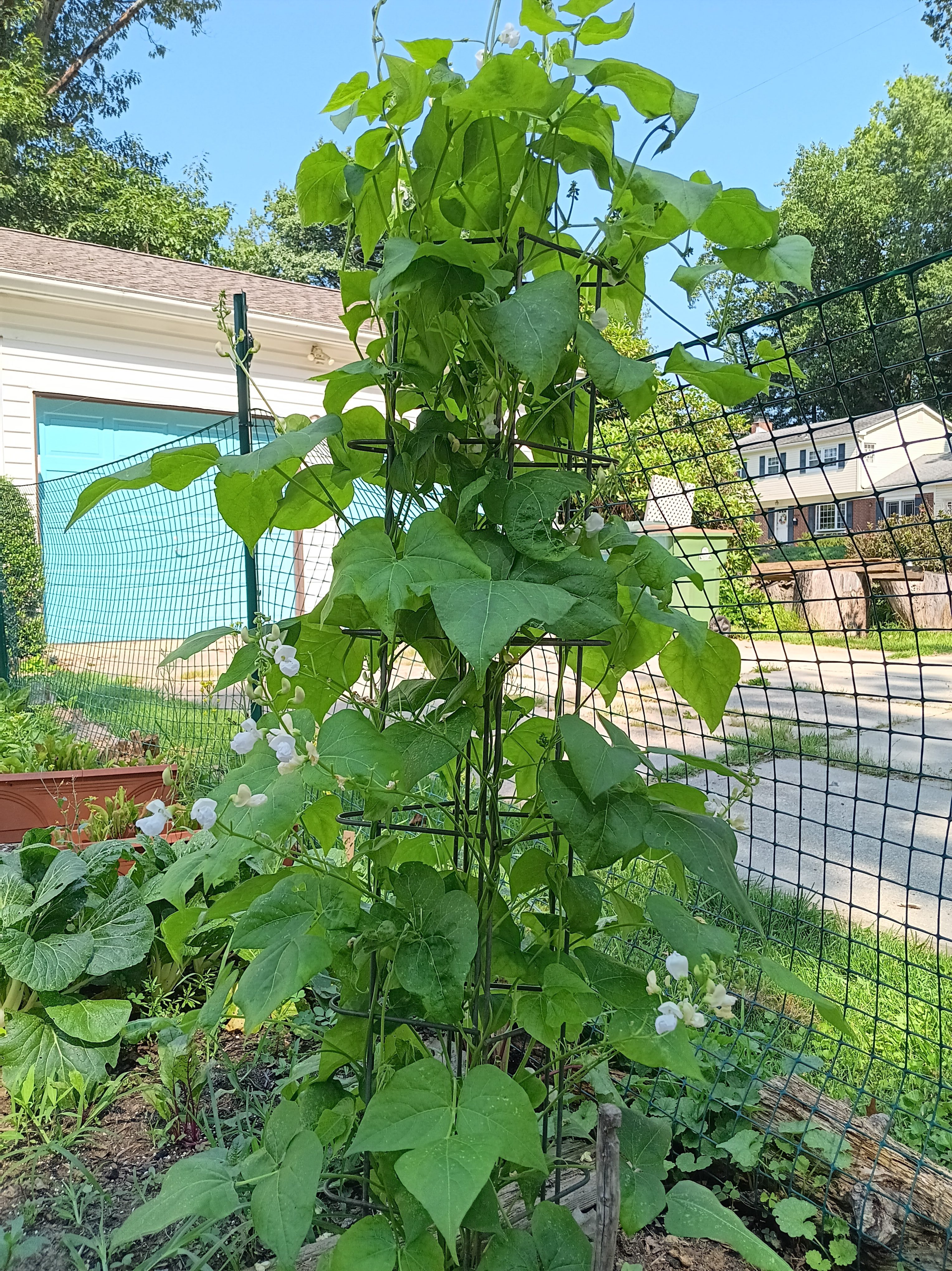
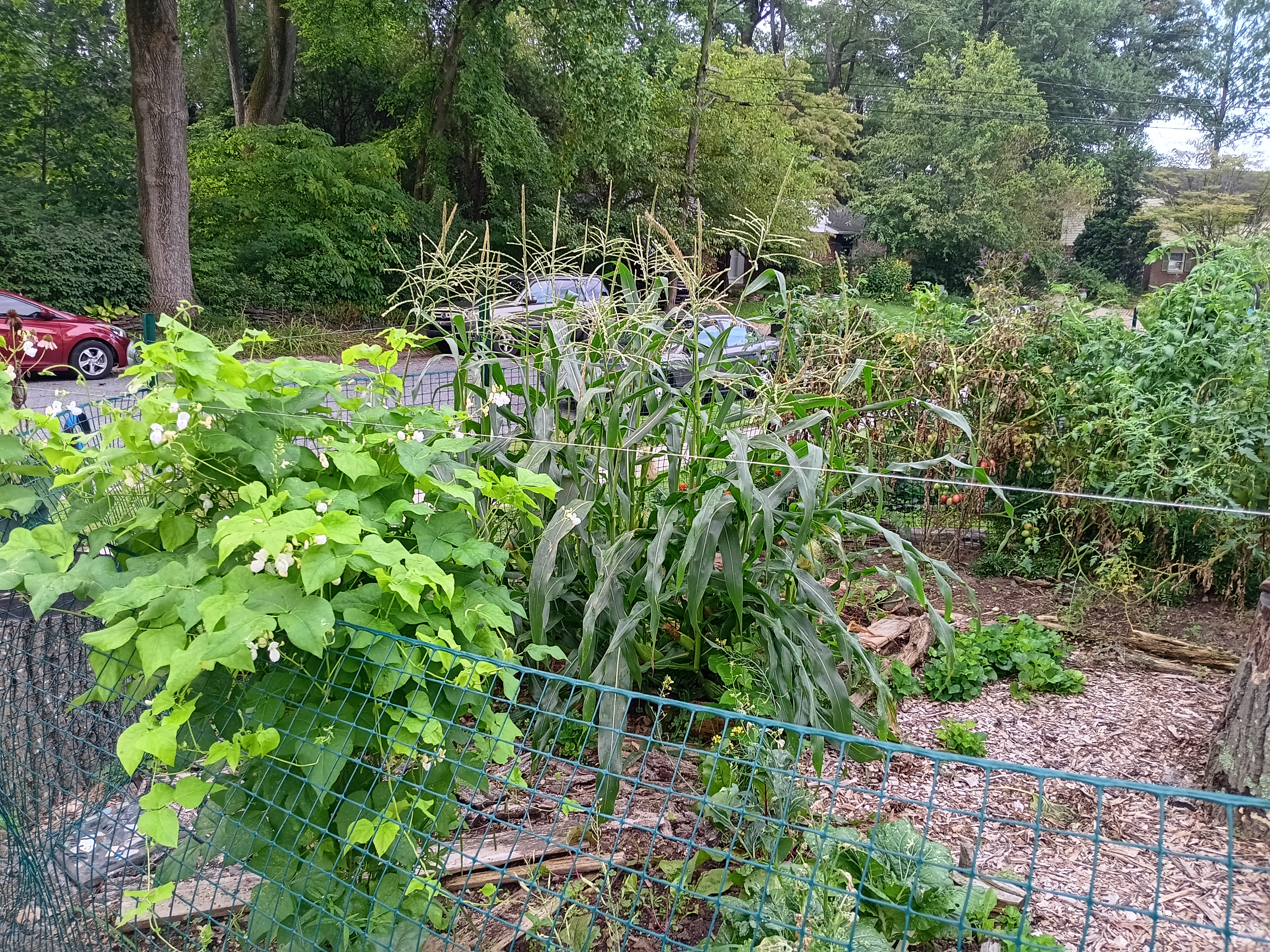
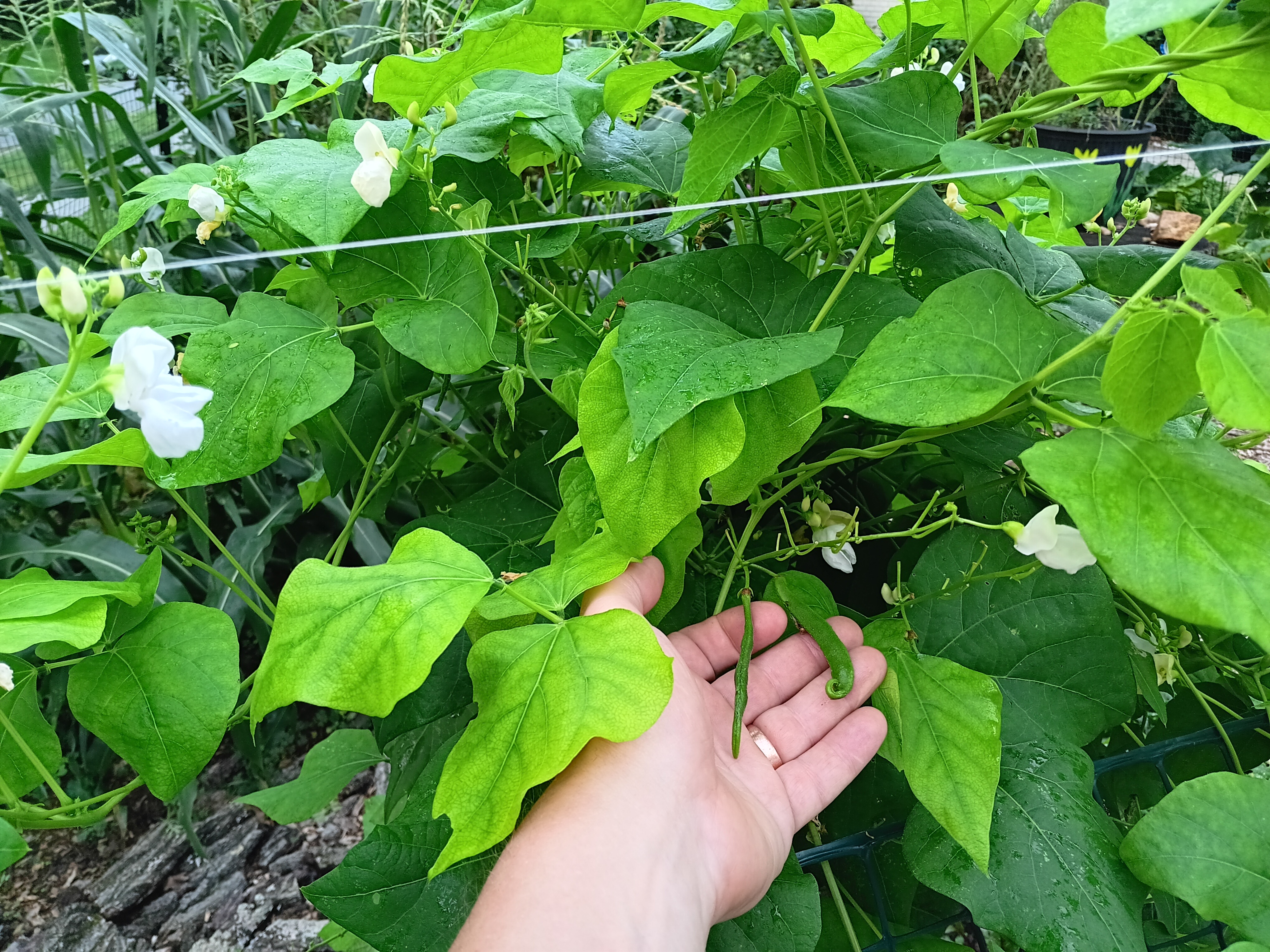
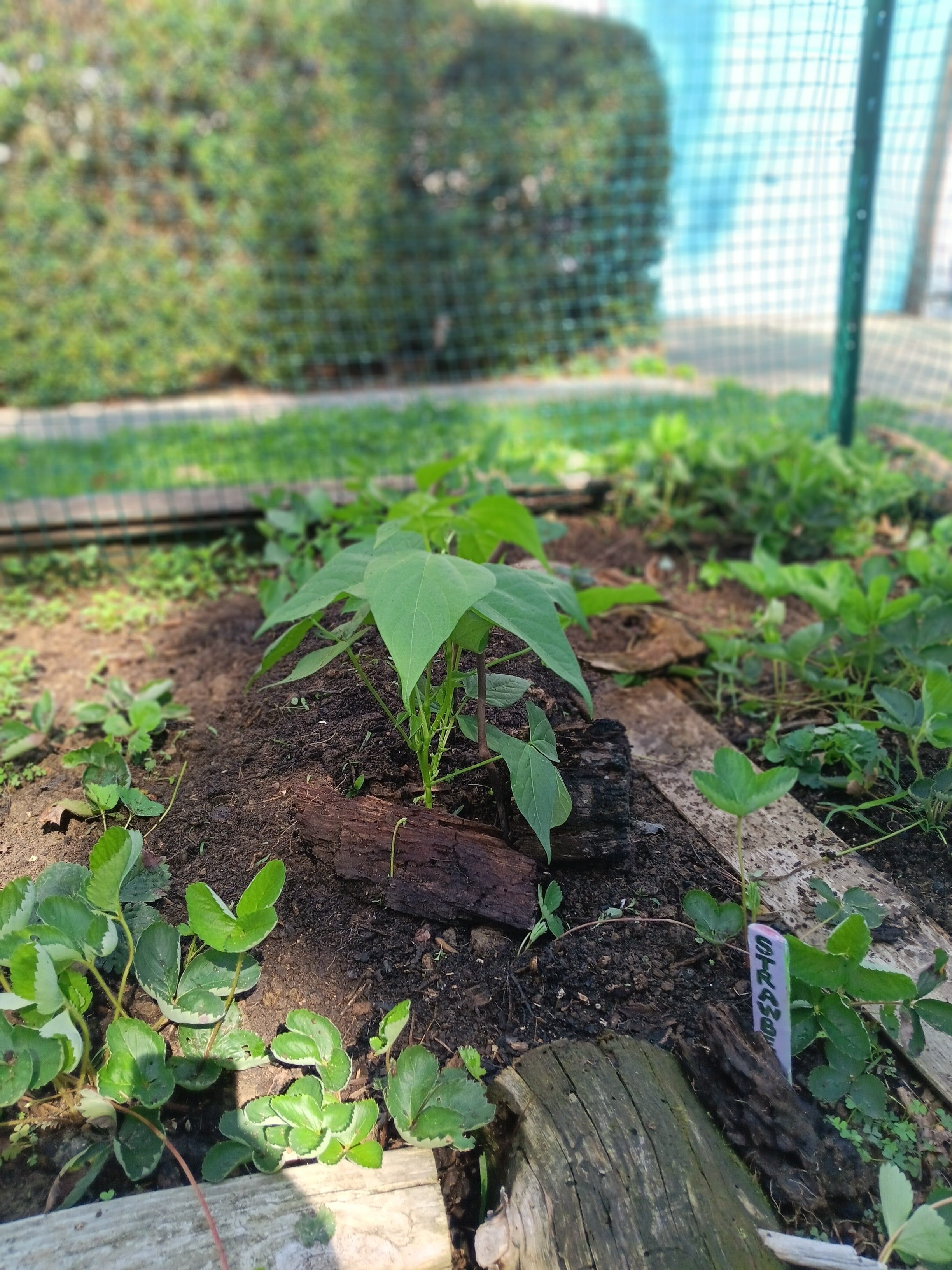
Marta gave the seeds as a good-bye present. She told me that they came from the garden of her grandmother who still tends it in a village near Lviv. Family histories say that her great-grandfather started the garden in the 1920ies. It was a time when the Ukrainian language was spoken in the rural areas while in Lviv Polish was the official language, because Lviv then part of Galicia transfered from the Austrian-Hungarian Empire to Poland after Germany and Austria lost the First World War 1914-18. Areas farther to the East such as Kyiv or Odesa or Dnipro were occupied by the Red Army of Russia after they had won the Russian Civil War 1917-22 against many different factions all opposed to Bolshevik rule. And after these times of war and destruction Marta’s Great-Grandfather planted a garden to nourish his family with beans that were planted year after year with seeds saved for the next year for 100 years until today. Shown below is what came of the seeds when planted two in my garden at home in the USA in July of 2026. Yes, the smaller plant of black beans I put within a bed of strawberries while the larger white bean plant lives peacefully with corn and tomatoes.
The beans were feeding Marta’s family in the then Polish part of Ukraine while several million peasants living in the the Russian part of Ukraine were systematically starved to death in the 1930ies. This so-called “Holodomor” was a planned, man-made genocide to break the independence of Ukrainian peasants working the land. State-ordered mass murder depopulated the country-side where peasants had been growing food for centuries. The goal of this “collectivization” was complete state-control and subsequent industrialization of agriculture. Lew Kopelev born 1912 in Kyiv participated in this mass murder by starvation as a 18-year old firebrand bolshevist as he described it as a Soviet dissident living in Germany in his 1977 memoir “Education of a True Believer.” A more complete historical accounting and analysis is the work of Roger Conquest from 1986 called “Harvest of Sorrow: Soviet Collectivization and the Terror-Famine.” Living in the then Polish part of Ukraine, Marta’s great-grandfather survived this famine as neither secret police nor state-sponsored communist thugs took his seeds.

Yet a decade later, Nazi-Germany and Soviet-Russia together invaded Poland in 1939 thus starting the Second World War. Only 2 years later in 1941 did Hitler’s Germany invaded its former ally that was Stalin’s Russia. As a skilled, productive, and respected individual gardener and citizen Marta’s great-grandfather became instanteneous a target to the new Russian occupation. His home was looted, his house burnt, and Soviet authorities arrested him as an “Enemy of the People.” Deporting him with his family to Siberia, they shot him to death. His wife and child survived to eventually return to the garden outside Lviv where the beans kept growing to this day.

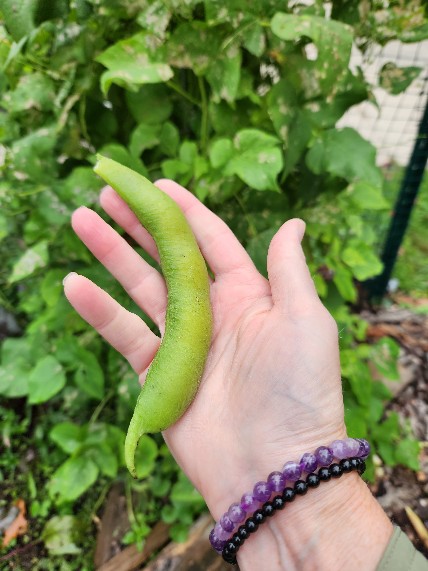
I learnt this story 5 weeks ago when I emailed Marta’s about my beans. During my daily garden walks I observed that the black beans turned purple flowers into fruit while the white bean with white flowers did not … or so it appeared. Marta in Lviv checked with her aunt and cousin who had no such problems with seeds grown in Ukraine from the same stock. As it turned out, my white beans did turn fruit also, albeit at a much slower pace than the black beans. Both were planted the same day in late June and the smaller black beans mature about 10-14 days earlier than the larger white ones. And as I moved back to Germany in early September my wife Dragonfly harvested the first beans shown, perhaps a little early, but we are still experimenting and learning. This 2026 planting was a first trial to see what Dragonfly and I could learn about growing these heirloom beans.
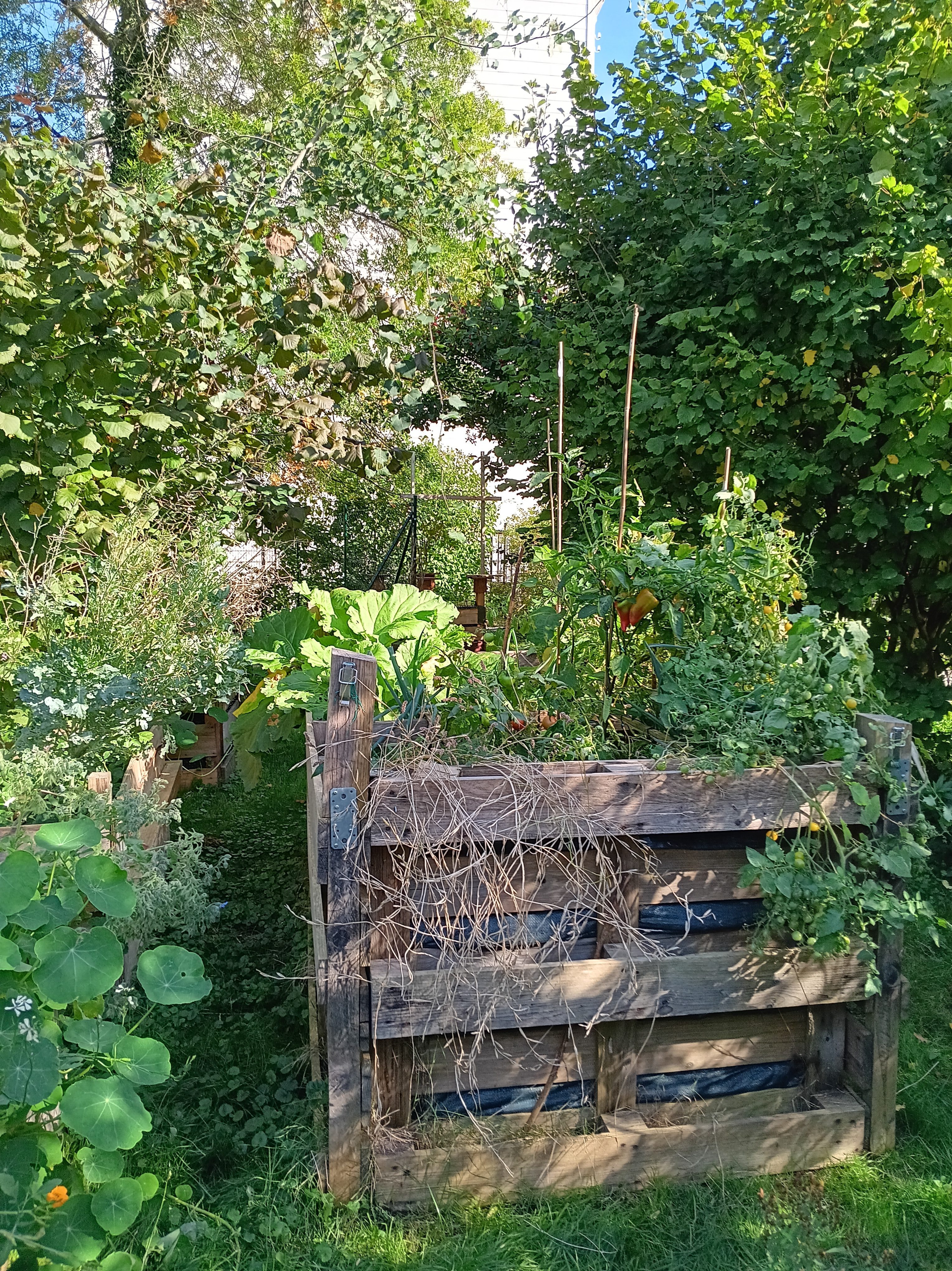
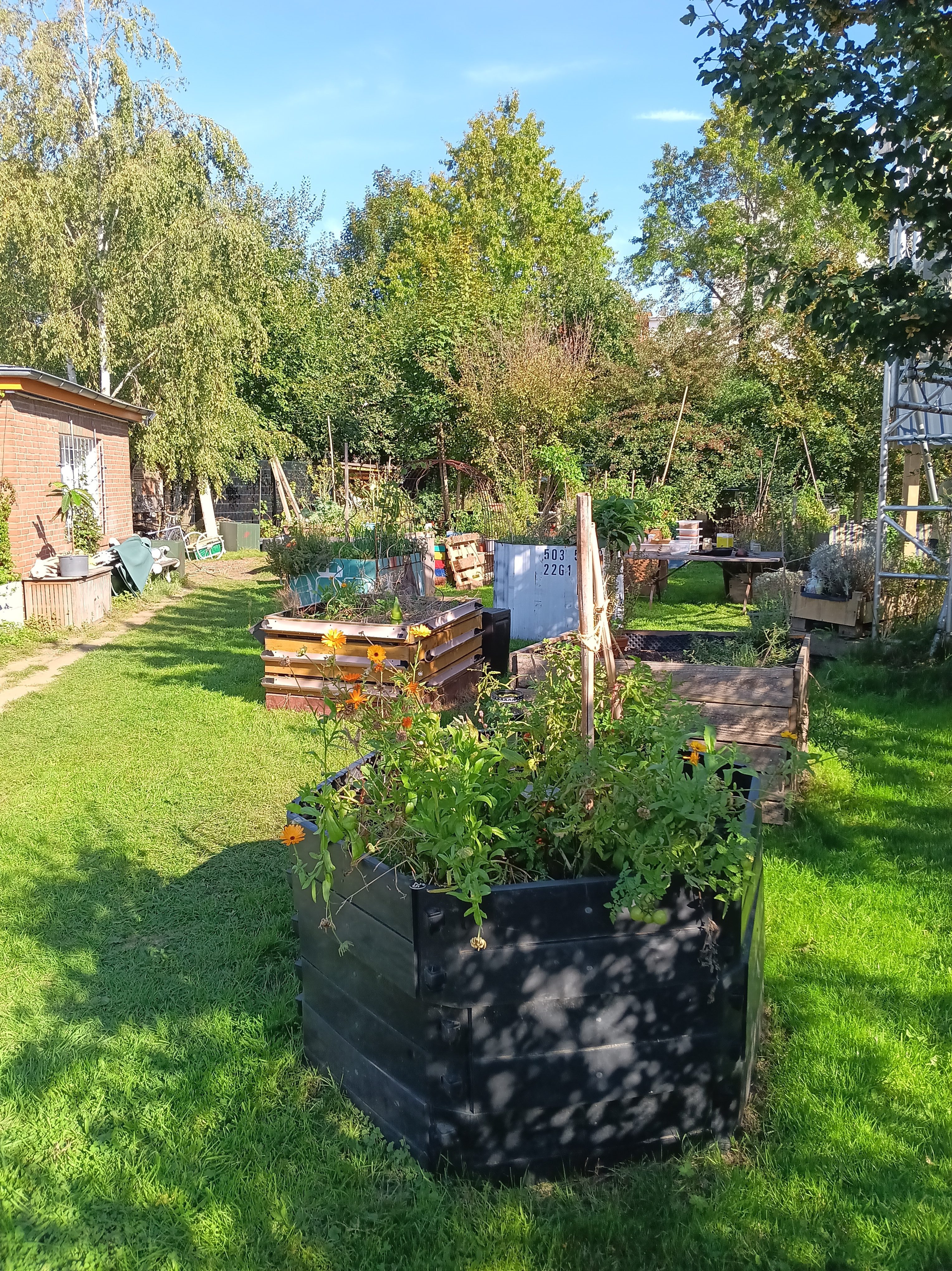
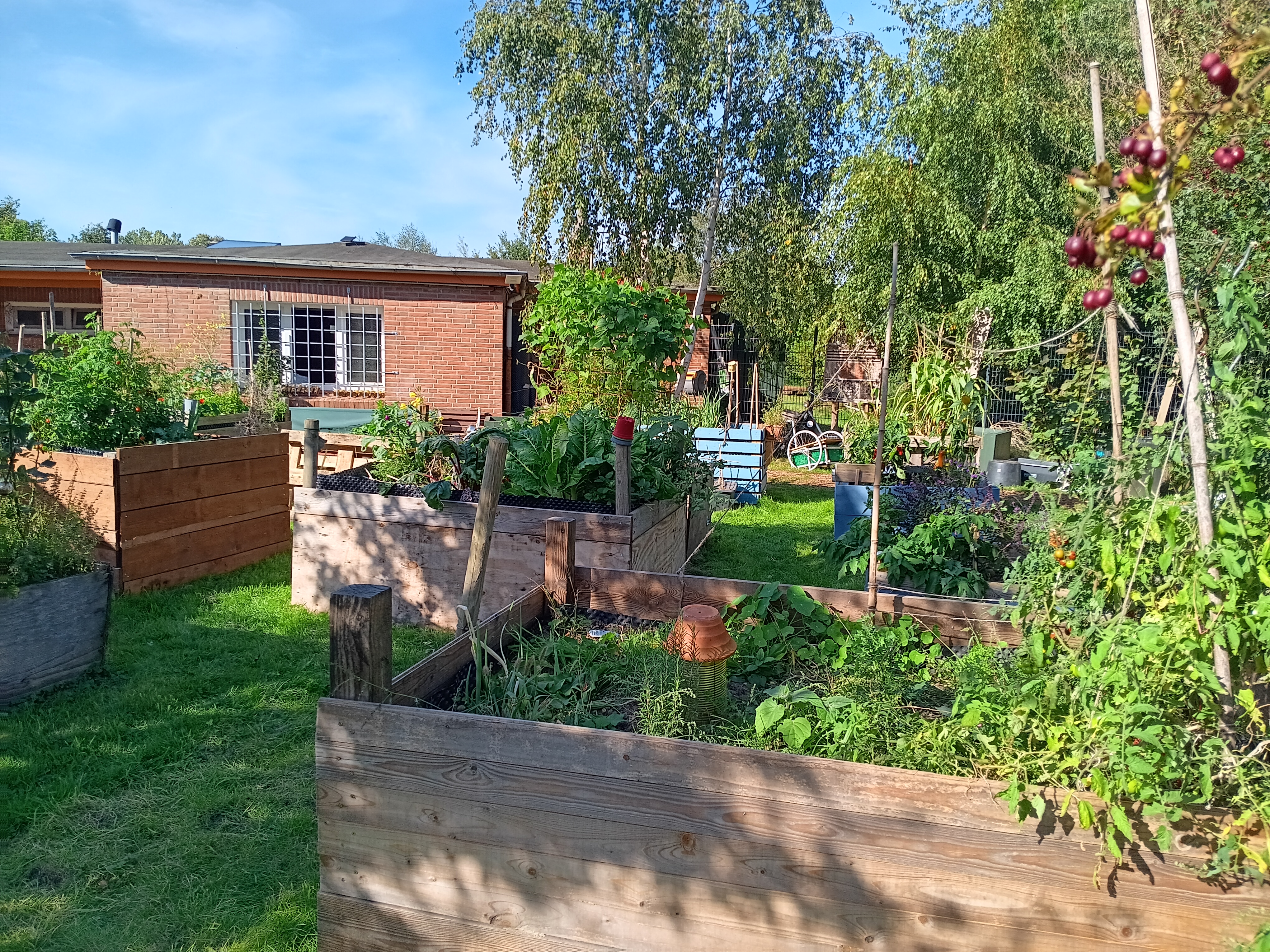
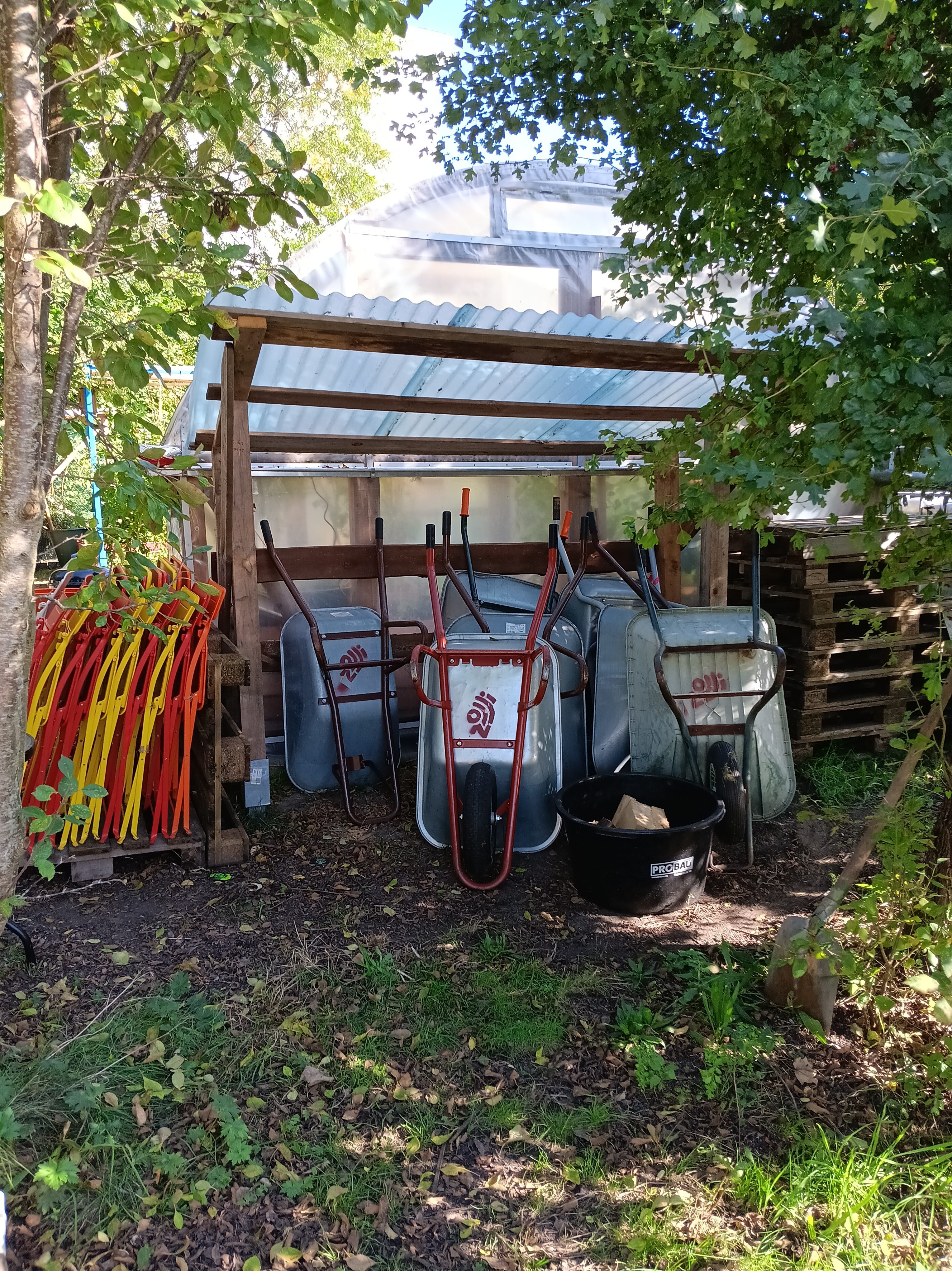
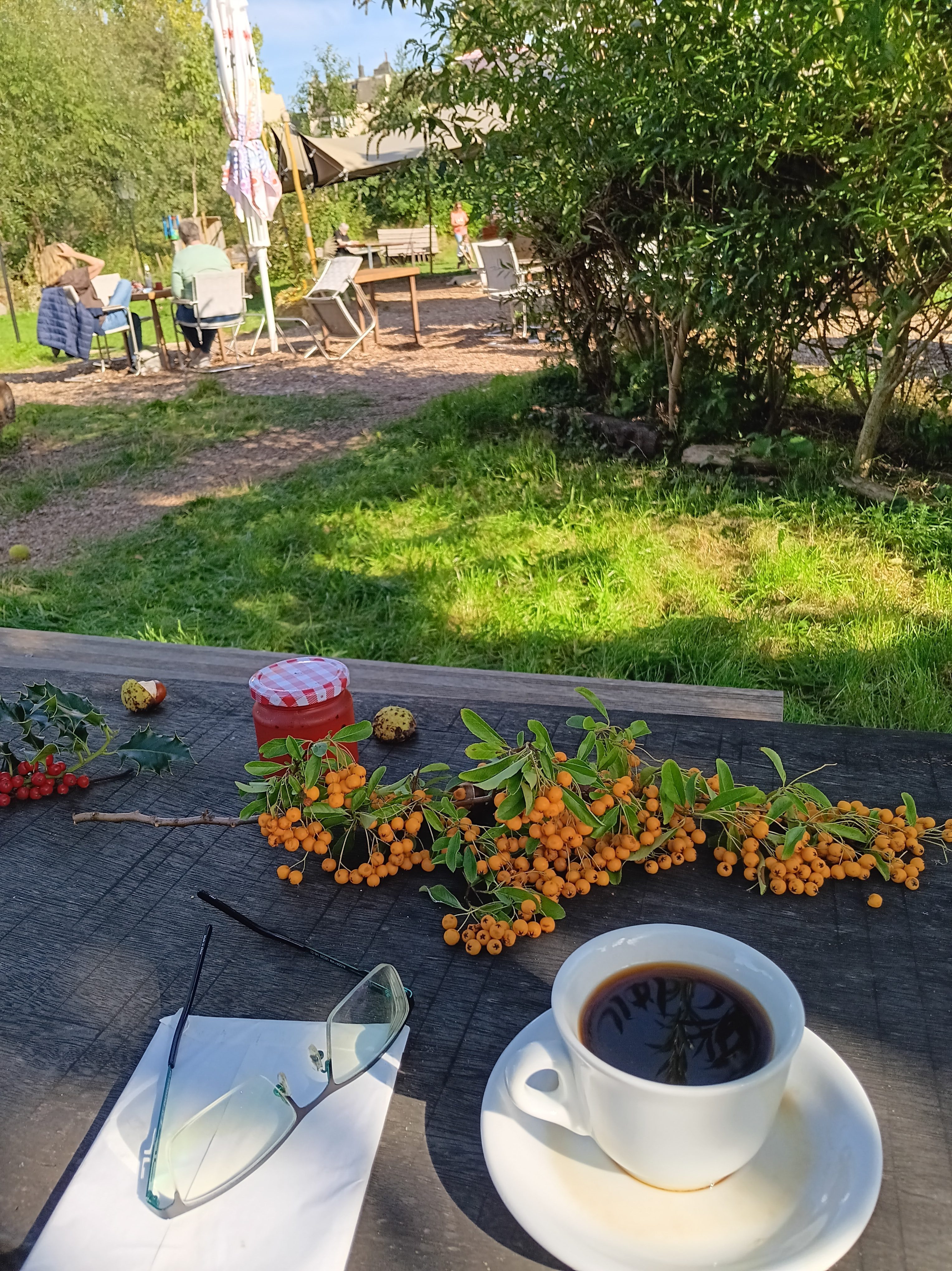
Now, what will happen to that single seed left in my small studio appartment 500 m from the North Sea in Bremerhaven, Germany? Well, last weekend I discovered an Urban Gardening Project called “Der Zolli.” It is a community project to care for a small city park and it includes a large number of small raised bed, fruit trees, well-kept paths, a compost pile, as well as utility building, water tank, tools of the gardening trade, and socializing sitting areas.
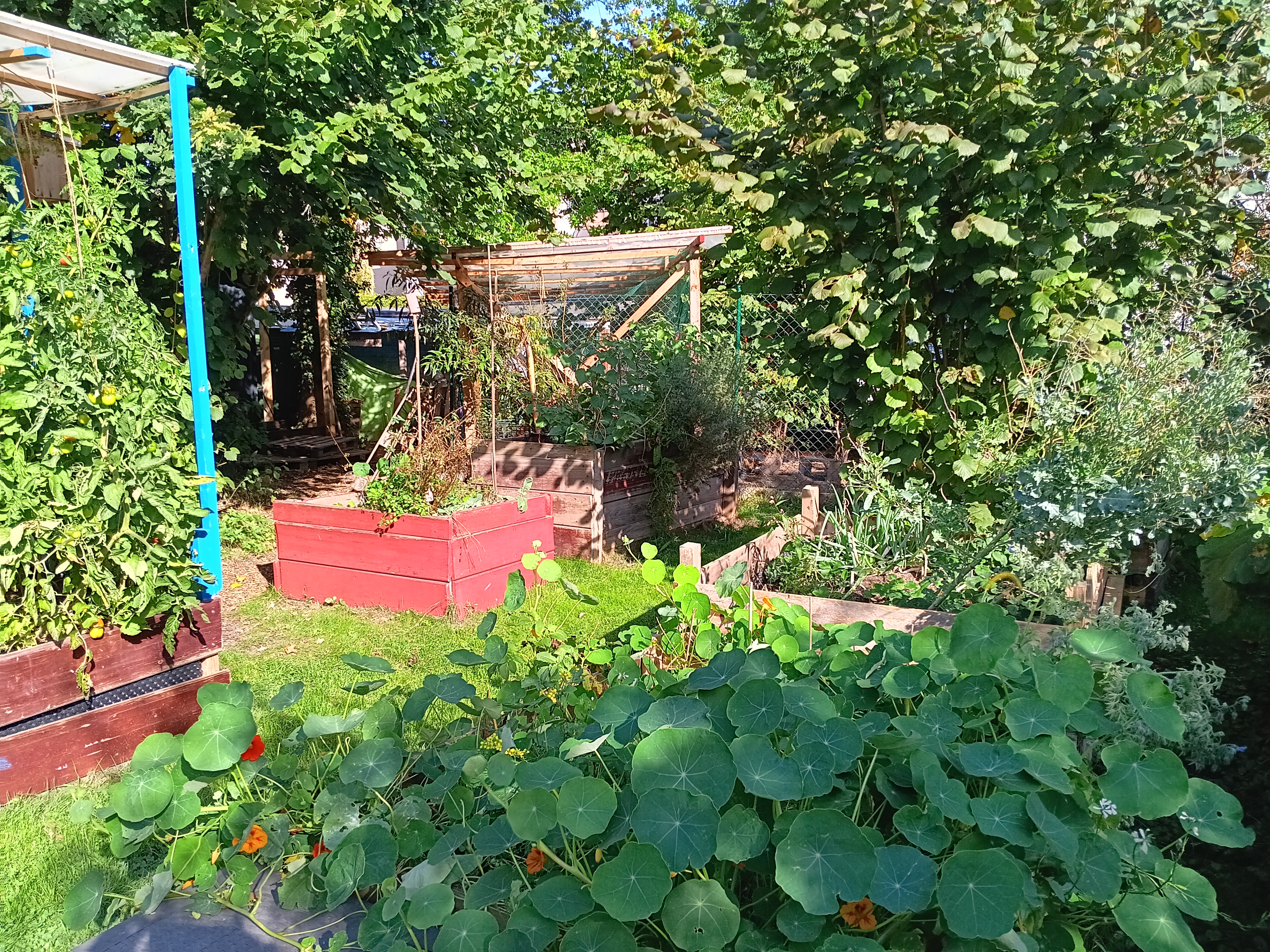
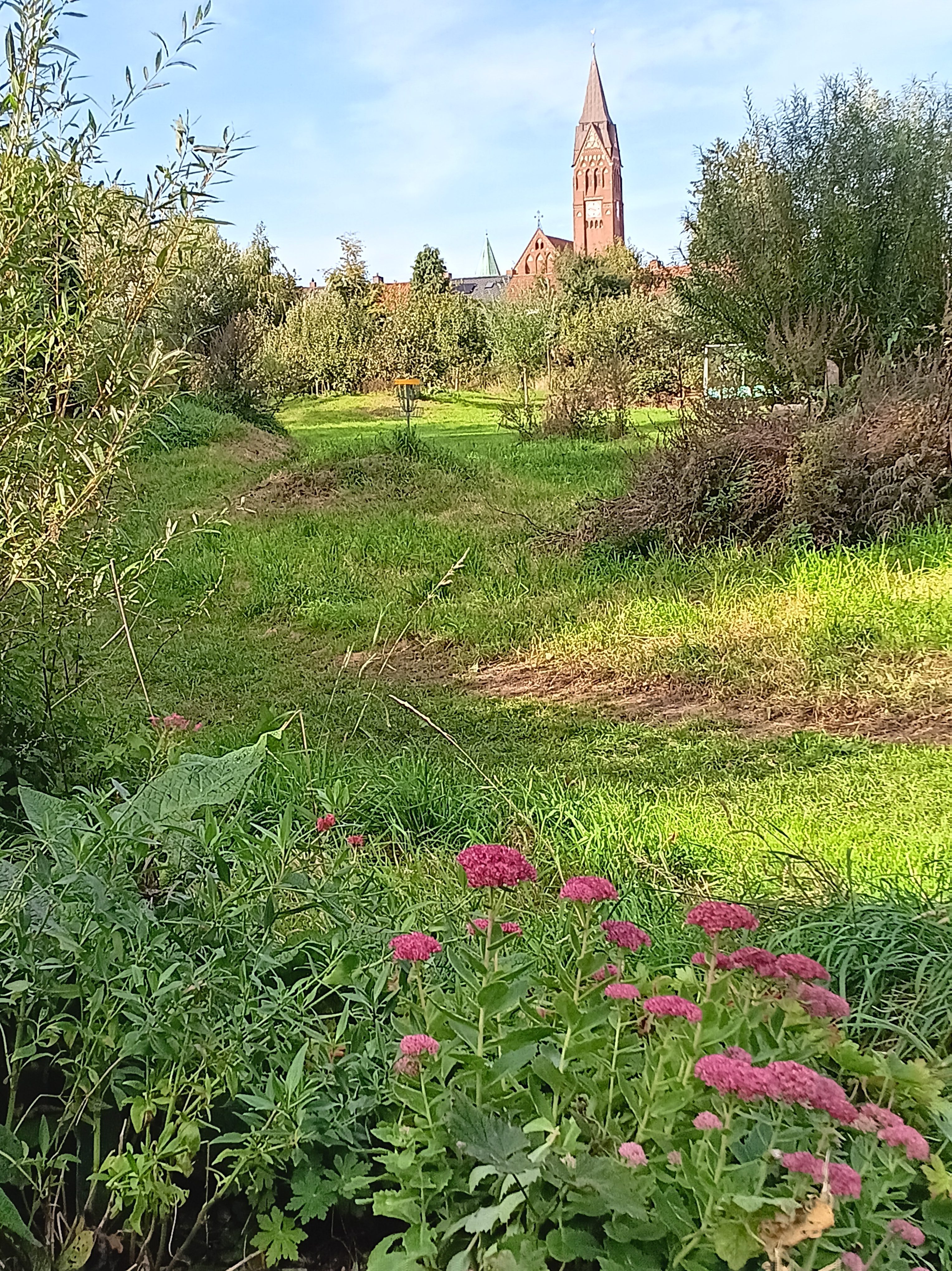
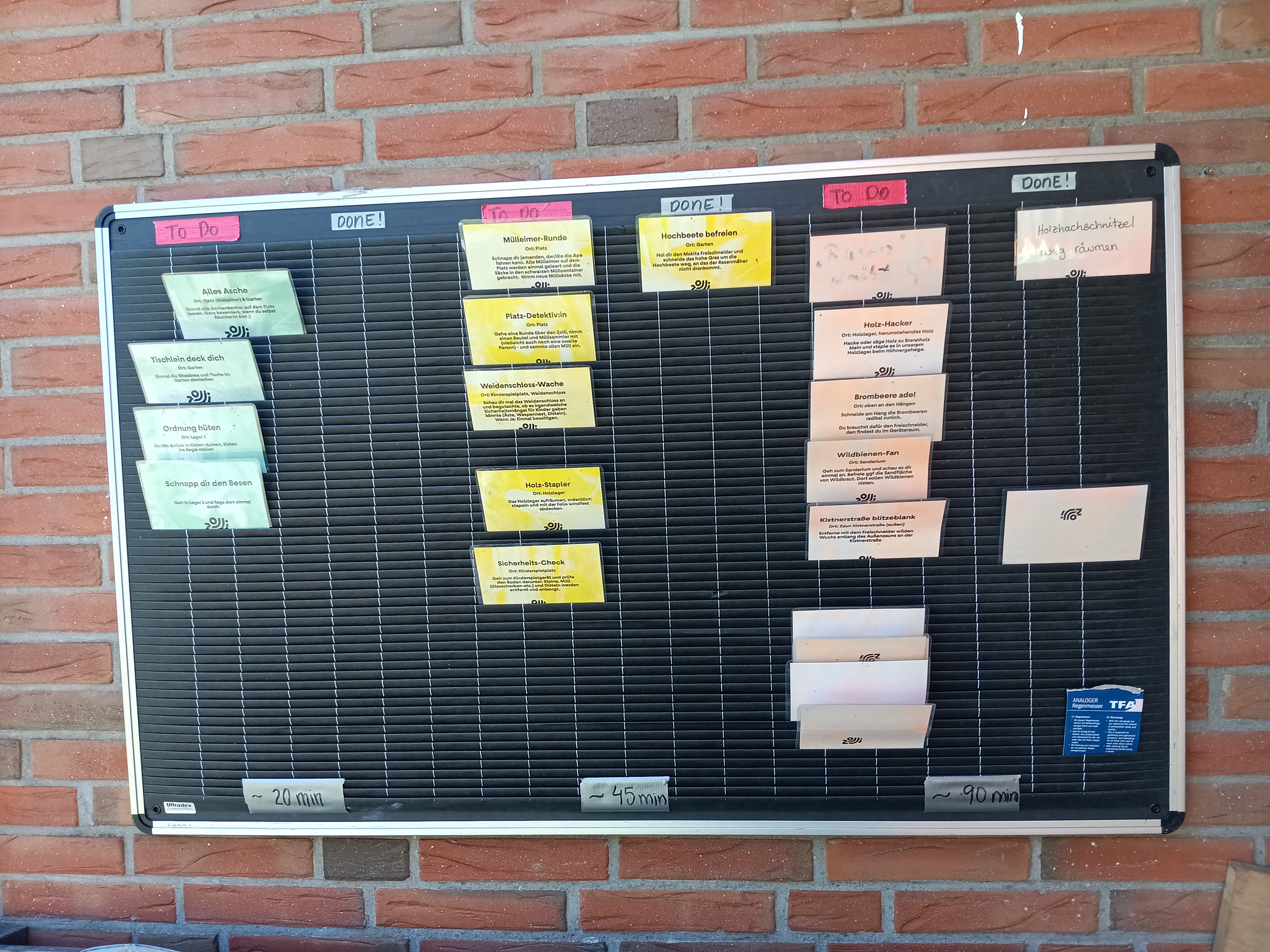
The place combines German organization, chaos, and whimsy. There is a board that explains what community tasks need doing, which tasks are already done, and how long each task may take. There is a place for the water canisters, there is a place for the wheel-barrows, and there is a place for the beer cases. A small shipping container has been converted to a cafe which even serves alkohol. Recall that this is a public place. A stage for art, music, or other events is there as are children playing areas. It is all so civilized with lots of creature comforts and socialization.
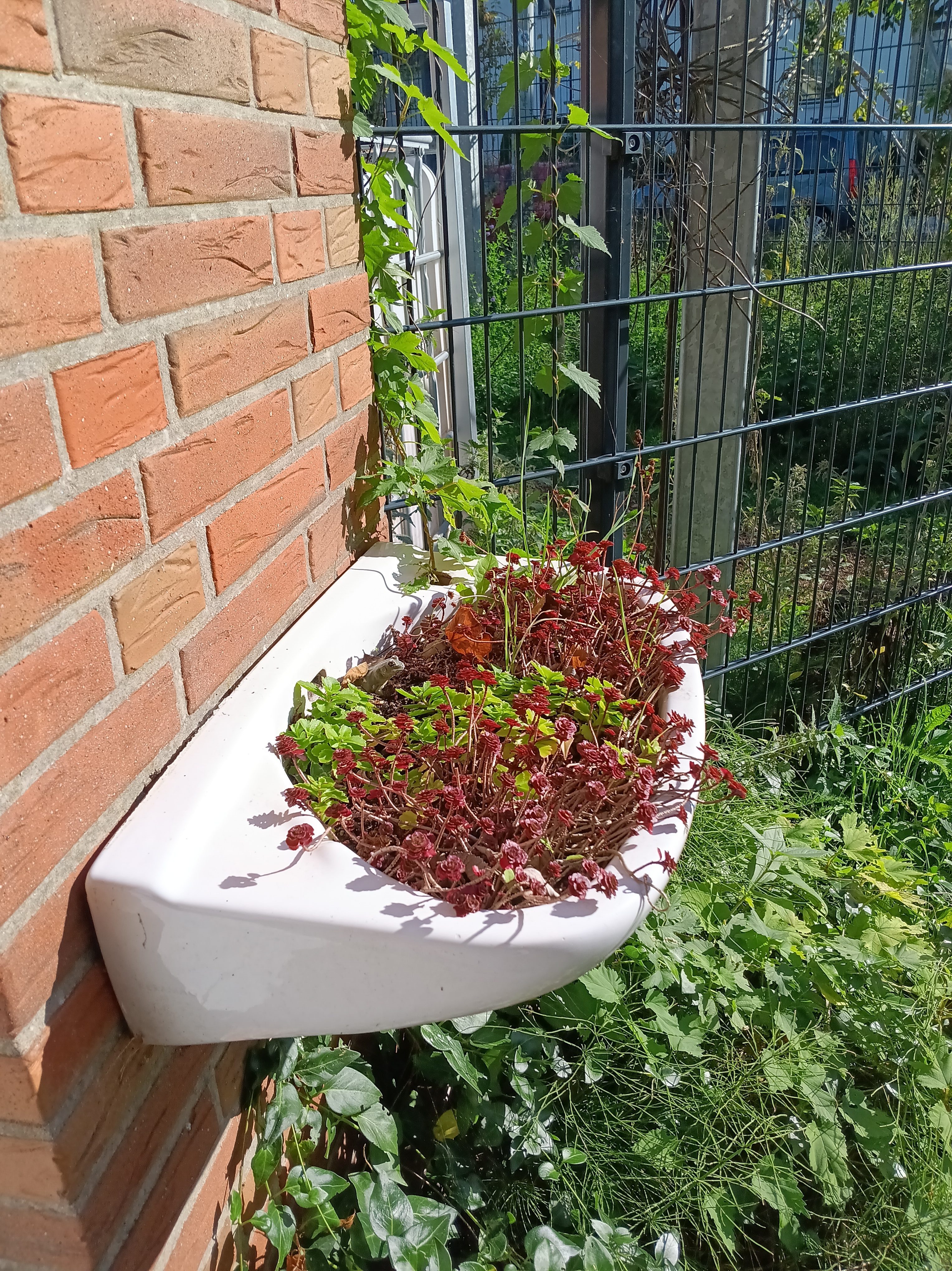
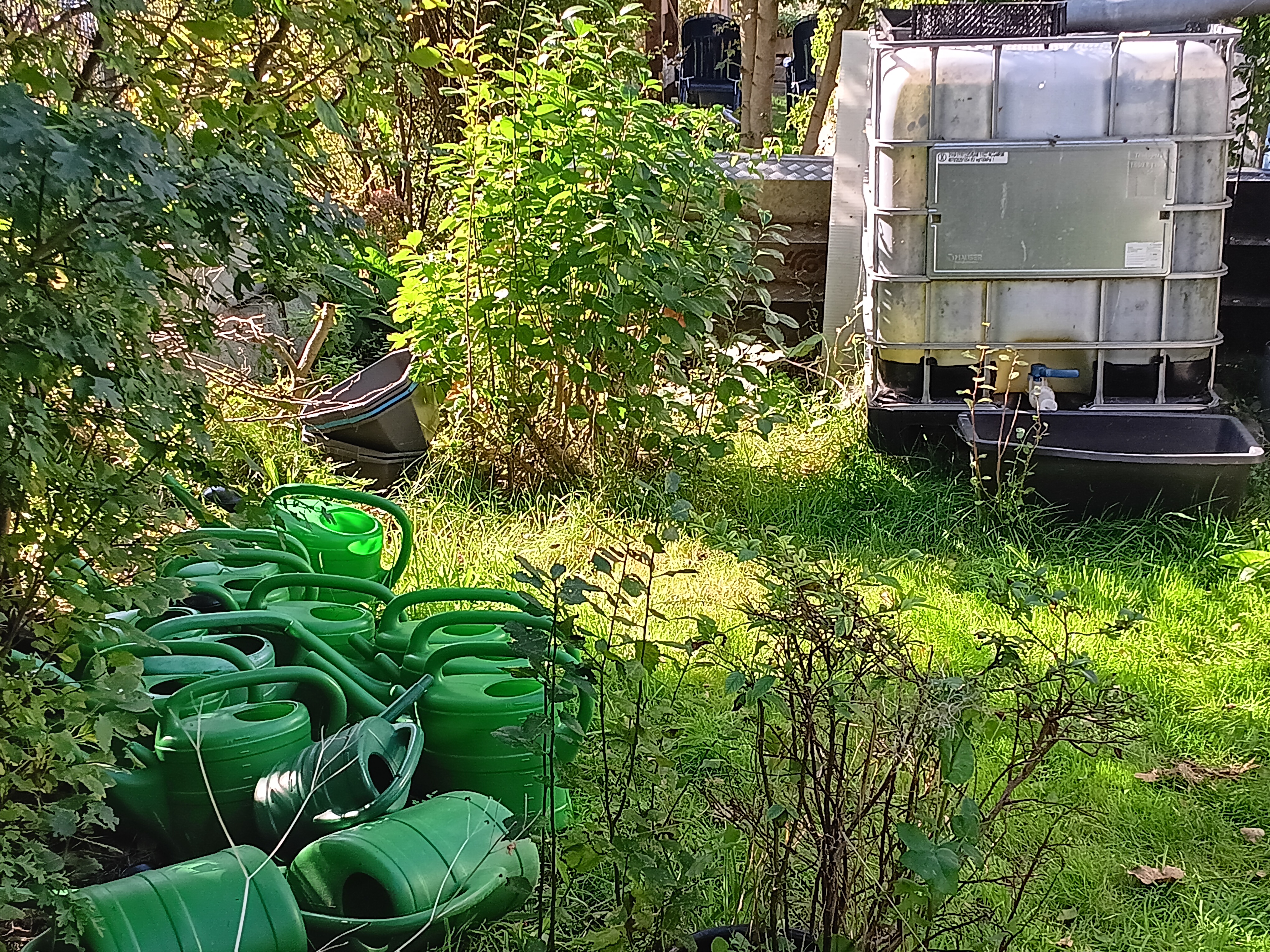
Once a month the club has an “Action Day” where people meet to work the gardens and newcomers like myself are welcome to help and explore. And as this is the end of the garden season, it is, I feel, a good start to prepare for gardening in 2027. Hence my goal is the either build a new raised bed, or inherit a vacated bed, or edge out a new ground bed. Wood, tools, and well composted soil is all there as well.

Perhaps this is a future home of my single Ukrainian bean? The heirloom bean from Marta’s great-grandfather from Ukraine can thus find yet a place in North Germany to give life and nourishment in a never ending cycle.

Navigating Health and Community in Germany as a Returned Immigrant: Trains, Sport, and Food

I emigrated in 1987 to the United States of America leaving Germany in 1985 to study oceanography in the United Kingdom. After graduate school, marriage, kids, U.S. citizenship, career, and finally retirement I arrived again in Germany, again as an immigrant, but now to the country where I was born. Renting a 2-bedroom appartment in the port city of Bremerhaven near the North Sea, I just received a 2-year residence permit. My status is that of a “former German” who speaks the language. With it came a work permit and a clear path to regain my long lost German citizenship.

Arriving in Bremerhaven from Greenland in Oct. 2025.

My first action in my new/old country was to take an 8-hour train ride to my 44-year High School reunion in Gross-Gerau. It felt good to re-connect with 5-6 people (out of ~200) with whom I shared classes and interests in motorcycles, history, politics, and travel. Oh, the price of the train ticket was about $60 return. Furthermore, this “Deutschland-Ticket” allows me to use ALL local trains, subways, and buses in ALL of Germany for an entire month. It was subsequently used to visit my parents 4 hours away and even friends and collegues in Denmark 6 hours away. Keep in mind, though, that while trains in Germany no longer run on time, they still go on at least an hourly schedule between 6 am and midnight on almost all routes. So, should you miss a train somewhere, well, relax a little, have a bite to eat or drink, chat with people, and take the next train at the always busy train stations.

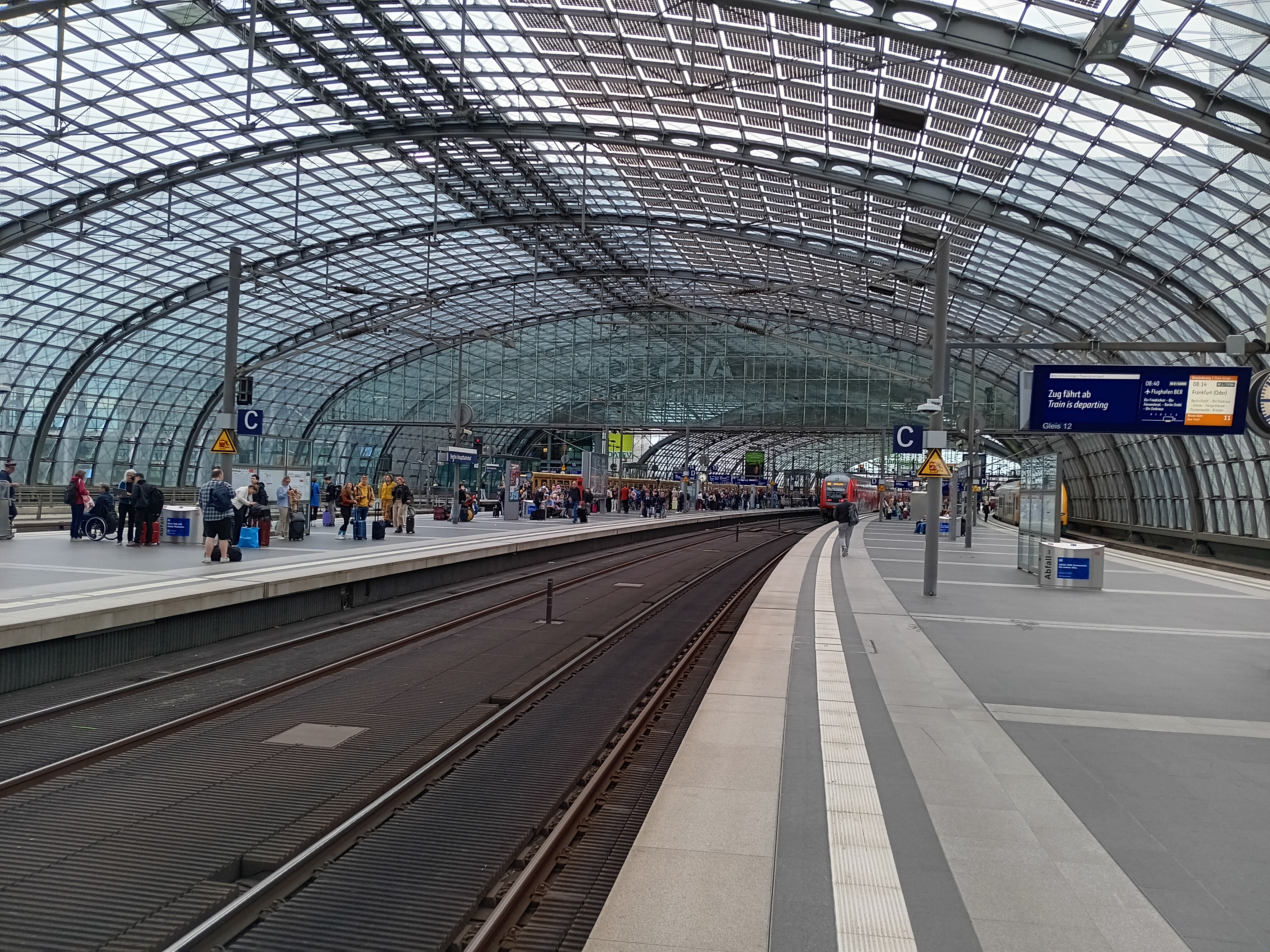
Train travel in Germany: Berlin, Bremerhaven, and along the Rhine Valley near Koblenz in 2025.

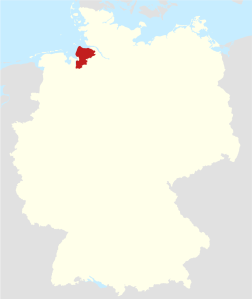
Next, I joined a local tabletennis club, the Geestemünder TV for $15/month. It takes less than 10 minutes on a bicycle to reach each of the 2 public schools where our club uses the gym in the evenings to practice. Many members have keys to open on mondays, tuesdays, wednesdays, and thursdays. It was supposed to run fridays also, but nobody shows up then. Communication happens via WhatsApp in diverse groups of friends, teams, or the entire club. Our club is surrounded by perhaps 50 similar clubs located to the north, east, and south by the rural County of Cuxhaven:

Location of Cuxhaven and Bremerhaven (red area), Germany. The blue areas in the north are the Baltic Sea (top-right) and North Sea (top-left). Hamburg is the largest city about 2 train hours east. I was born in Lübeck on the Baltic Sea and raised close to Denmark 8 miles from the North Sea. [Source].

Within a week I was added to a competitive travel team. You can watch my competitive prowness in the 3rd county league online at www.mytischtennis.de. There are about 16 different county leagues, each league has about 10 teams, and each team has at least 4 players. That comes to about 640 active and competitive players for a small rural county where 200,000 people live plus the 110,000 people who live in Bremerhaven. Leagues are sorted by skill level (scored daily after each play). Above the county leagues there also exist several regional, state, and national leagues up to the professional “Bundesliga.” Here average salaries are $30,000 to $50,000 per year, so, it is not a get-rich-quick scheme. For comparison, a full-time city bus-driver in Bremerhaven makes about $40,000 per year before taxes.

It is these sport clubs (“Sportvereine” in German) that hold Germany together socially and mix up its populations. The people on my team range from 16 to 69 years of age. I train with people aged 12 as well as people aged 78 as well as teenagers from Ukraine, Russia, and Syria. I play with people who have lived and worked the port, construction, government, or academia for the last 40 years. After each competitive match a social gathering of who played follows over beer or juice as well as snacks that range from a warm sausage to fruit and sandwiches. Stories of games, people, life, and adventures follow before everyone heads home. Oh, people no longer smoke during these indoor socials, but people frequently disappear outside for a cigarette even between games. So not everyone does this for healthy living …

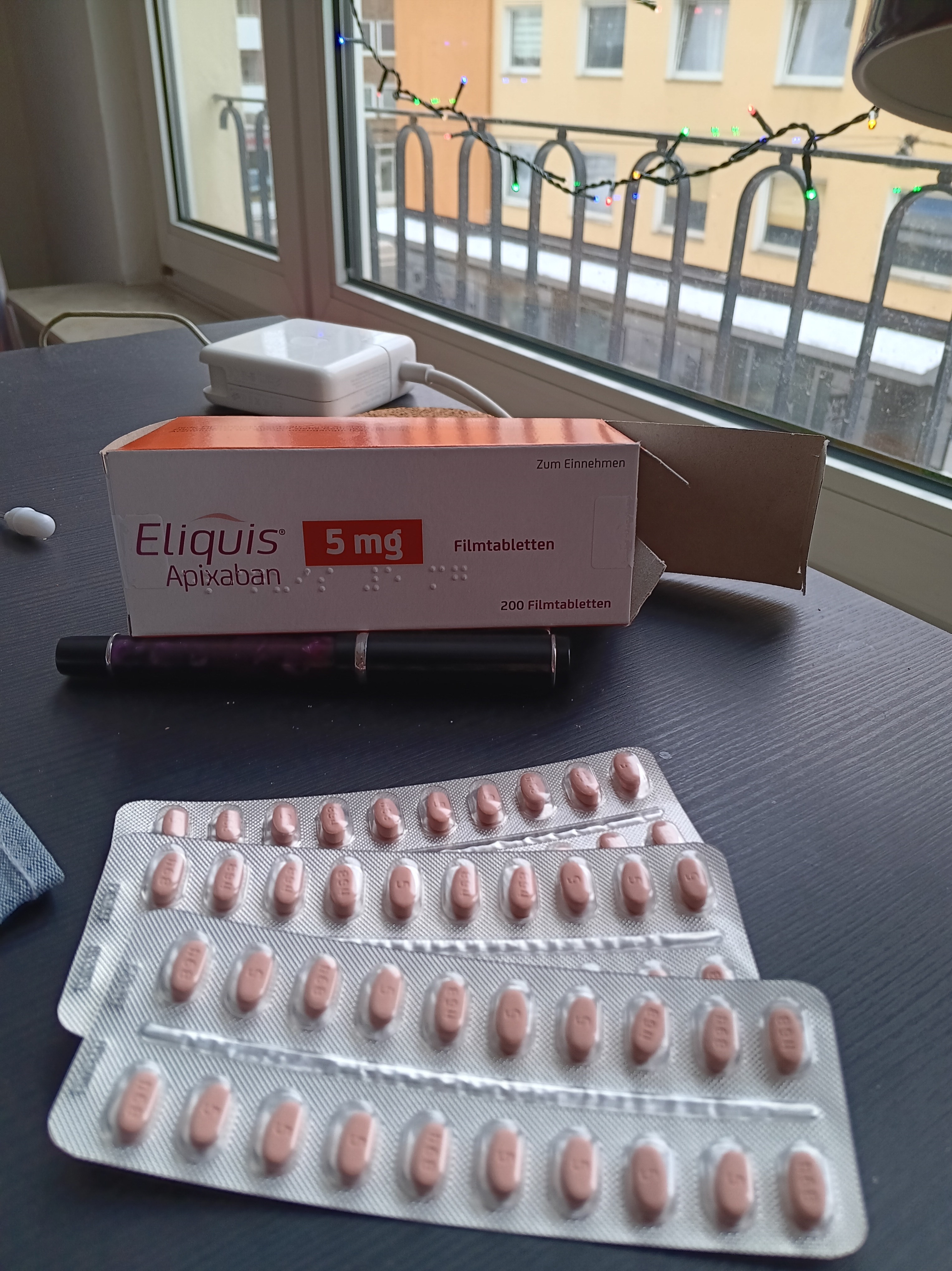
Stepping off the ship back last fall, I noticed difficulty breathing while bicycling, playing table tennis, or even climbing the stairs to my 3rd floor apartment. I visited a doctors office 5 minutes on foot from my home without an appointment. Within an hour a doctor interviewed me, initiated a blood test, and gave me referals. When the blood indicated the possibility of a blood clot in my lung (pulmonary embolism) in the evening of the same day, the doctor called me back to her office to pick up the prescription of a blood thinner. With 10 minutes to spare before closing time of the pharmacy I picked up a 90-day supply (200 tablets of 5 mg) of Eliquis for about $280. It removed the embolism within a week. The charge for the doctor’s visit and blood test was $140. My doctor also prescribed an inconclusive chest x-ray ($60) and a very conclusive Cat-Scan of my lung after a tracer was injected into my veins to map the flow of blood through my lungs ($520).

So, within 4 weeks I had both a solid diagnosis and successful treatment of a serious health issue. The total cost came to under $1000. In the USA the medication alone would cost $1153 AFTER 40% discount that Bristol-Myers Squibb and Pfizer offer to those who buy Eliquis directly from them bypassing pharmacies. This “reduction” was triggered by pressure from the U.S. Government as reported by CNBC.

Every legal resident of Germany must have health insurance. That is the Law in Germany. Neither visa nor residence permit is issued without proof of health insurance. The market for short-term (1-6 months) health insurance is competitive and tailors to immigrants, expats, and long-term travelers. Within a week of arrival, I had purchased such insurance for $58/month for 6 months. As I do have excellent health insurance in the USA (at ~$2300/month for my family; I pay 20% or $500/month and my former employer the rest), I here went with the absolute bare minimum required by German Law, so it will be interesting to see what it will cover. I just submitted the bills for reimburstment and expect very little, but I may be surprised, as I was, when I paid the low cost of the outstanding health care that I received in one of the poorest cities in Germany.

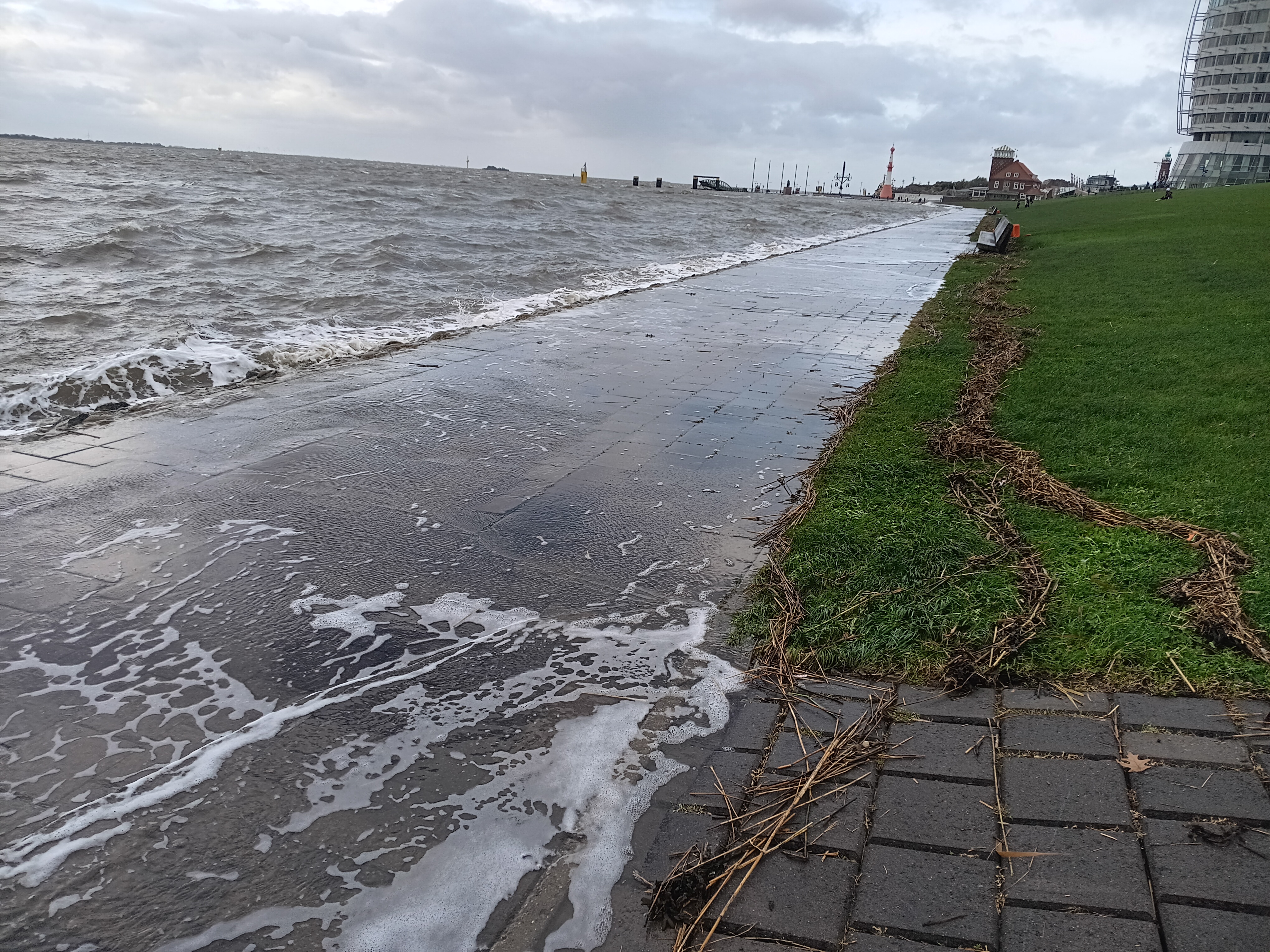
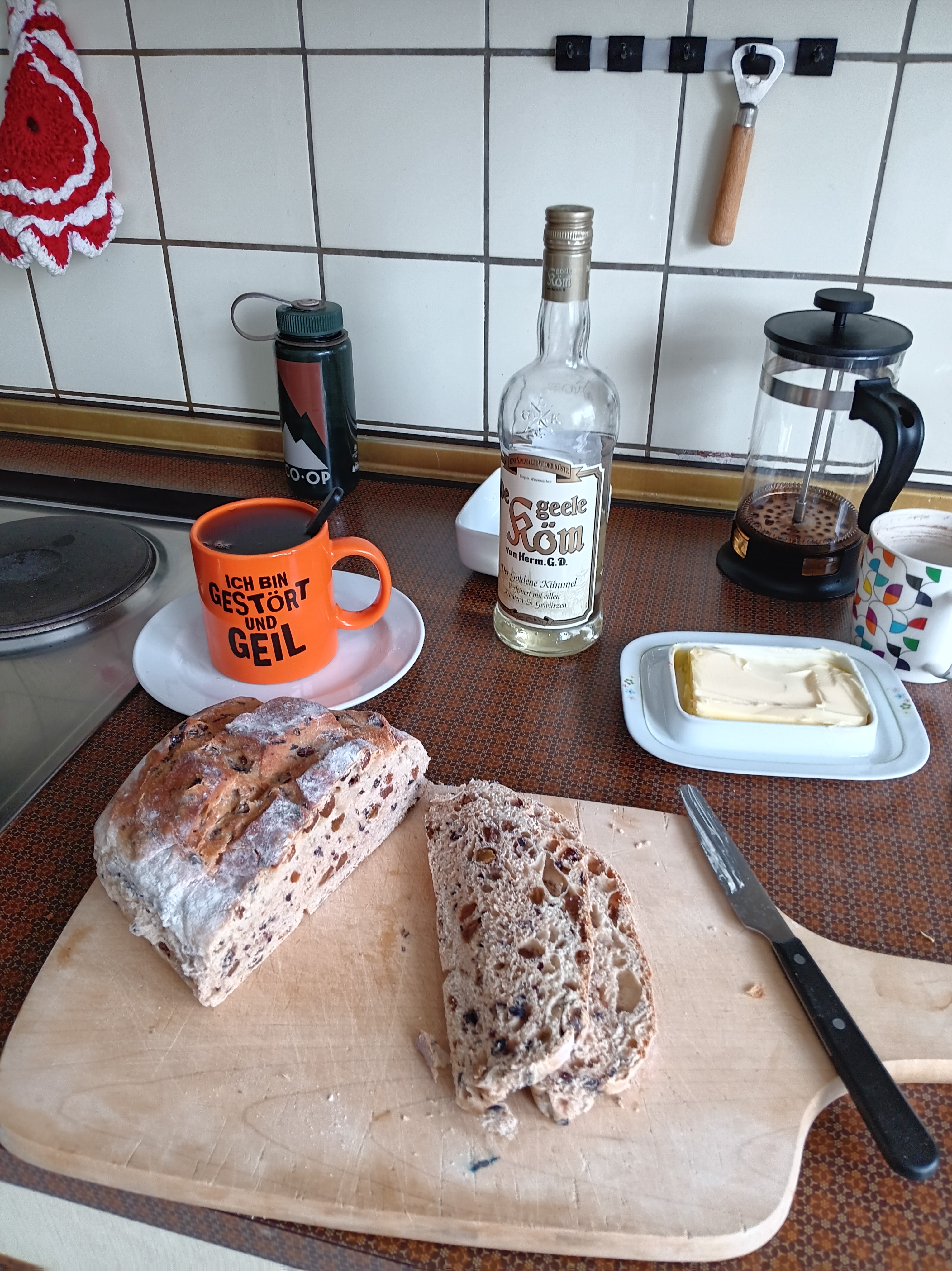
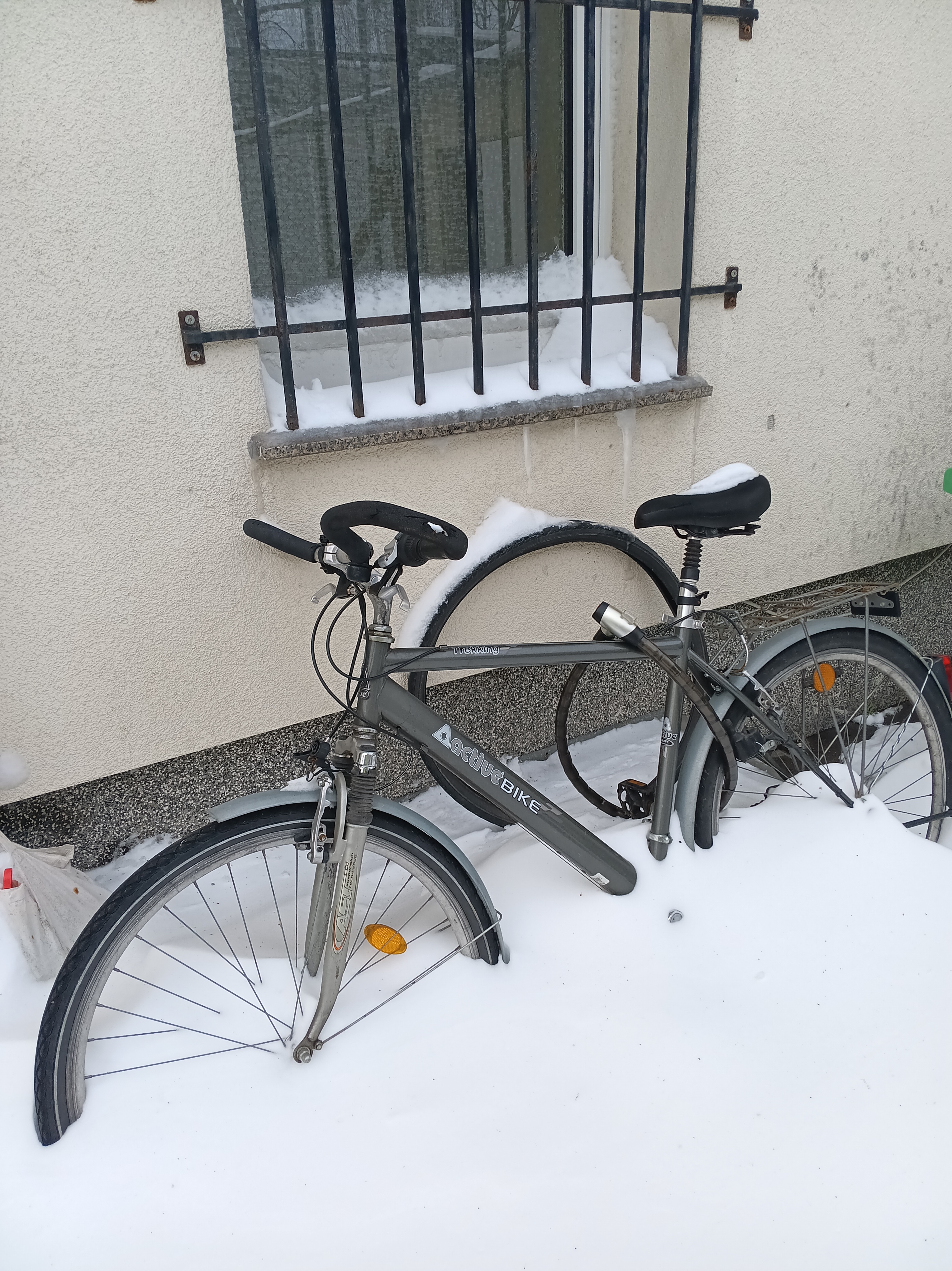
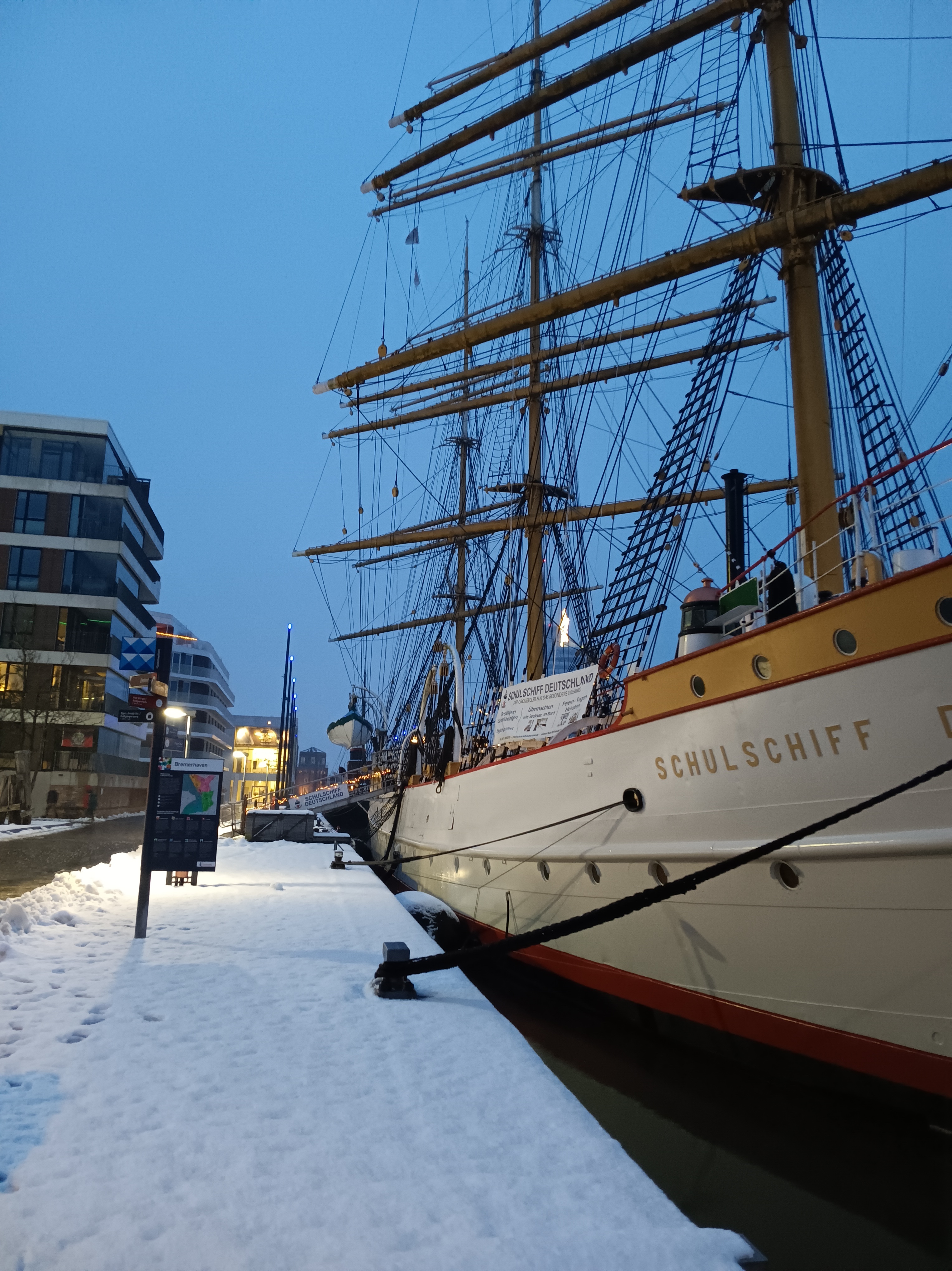
In the meantime, an unusual snowstorm called “Ellie” hit northern Germany yesterday. Schools were closed, trains were canceled, and people were asked to stay home … which I did. Today, however, I was back on my bicycle to head to the farmers market to buy my bread, eggs, vegetables, and meats. Only my favorite cheese stand was not there today. Here are a few photos of my kitchen and living room today as well as my parked bicycle and some scenery during an afternoon walk around the block along the water:

Germany 1985 to 2018

I left my native Germany in 1985 to study oceanography in North Wales. I returned in 2018 as an American Professor of polar oceanography.  

  Much has changed in 33 years. For one, the divided country that I left is no more. The largely peaceful unification of Germany and Europe removed barbed wires, concrete walls, and shoot-to-kill orders along a violent border. The Cold War was over, I saw the scenes of joy on TV in a bar in Newark, Delaware more than 4100 miles (5600 km) away:

https://abcnews.go.com/Archives/video/nov-10-1989-celebration-berlin-wall-8980622

I experienced the “new” Germany for the first time when sailing aboard Germany’s icebreaker R/V Polarstern in 2014 to deploy ocean moorings. At the time I counted four distinct German cultures.  

  Today is a national holiday that celebrates the “Tag der Deutschen Einheit” or “Day of German Unity.” It is very much work in progress as Germany is becoming more diverse with its over 10 Million people born in countries other than Germany. Turkey (1.5 Mil), Poland (0.9 Mil), and Syria (0.7 Mil) field the most foreign-born people as of 2017. From my American perspective Germany has become a more normal country with its recent politics, troubles, inconveniences, and strengths that these diverse backgrounds entail.

Dragonfly and I arrived in Bremerhaven three months ago to live and work here for at least a year. It took us two days to get bicycles and another two days to find a well-furnished apartment. My parents visited the second weekend and we became Bremerhaven tourists for two days. We purchased the required catastrophic health insurance from a credible company for about €550/year each, but after 3 months we are still waiting for the installation of an internet connection at our home, but we are hopeful that this may change soon.

Author aboard German research vessel F/S Maria S. Merian in port of Longyearbyen, Svalbard in the fall of 2018. [Photo by Dragonfly Leathrum.]

Author aboard German research vessel F/S Maria S. Merian in port of Longyearbyen, Svalbard in the fall of 2018. [Photo by Dragonfly Leathrum.]


Boarding an Ice Breaker by Bicycle and Immigration

I walked from the train station in Bremerhaven-Lehe to the FS Polarstern at the Kaiserdock almost 2 miles due west. This research icebreaker is still repaired in dry dock and we see her Continue reading →