An air raid alarm interupted my first night’s sleep near Rynok Square in Lviv, Ukraine at 2:30 am on June-12, 2024 after 22 hours on a train the day prior. Sirens outside, mobile loud-speakers on the streets, and my cell phone all blared the message “Attention. Air Raid Alert. Proceed to the nearest shelter. Don’t be careless. Your overconfidence is your weakness.” Unsure on what to do, I listened, if there was any commotion outside my AirBnB in the stairways of the 3-story appartment building with residents moving whom I could follow. As there was no such noise, I did nothing, and quickly fell back asleep. At 5 am I woke again, got up to check e-mail when yet another such alarm started. This time I decided to go outside to see what the city does during an air-raid alarm at 6 am. All I saw were a few men my age cleaning the sidewalks and joggers passing me in a forested park:
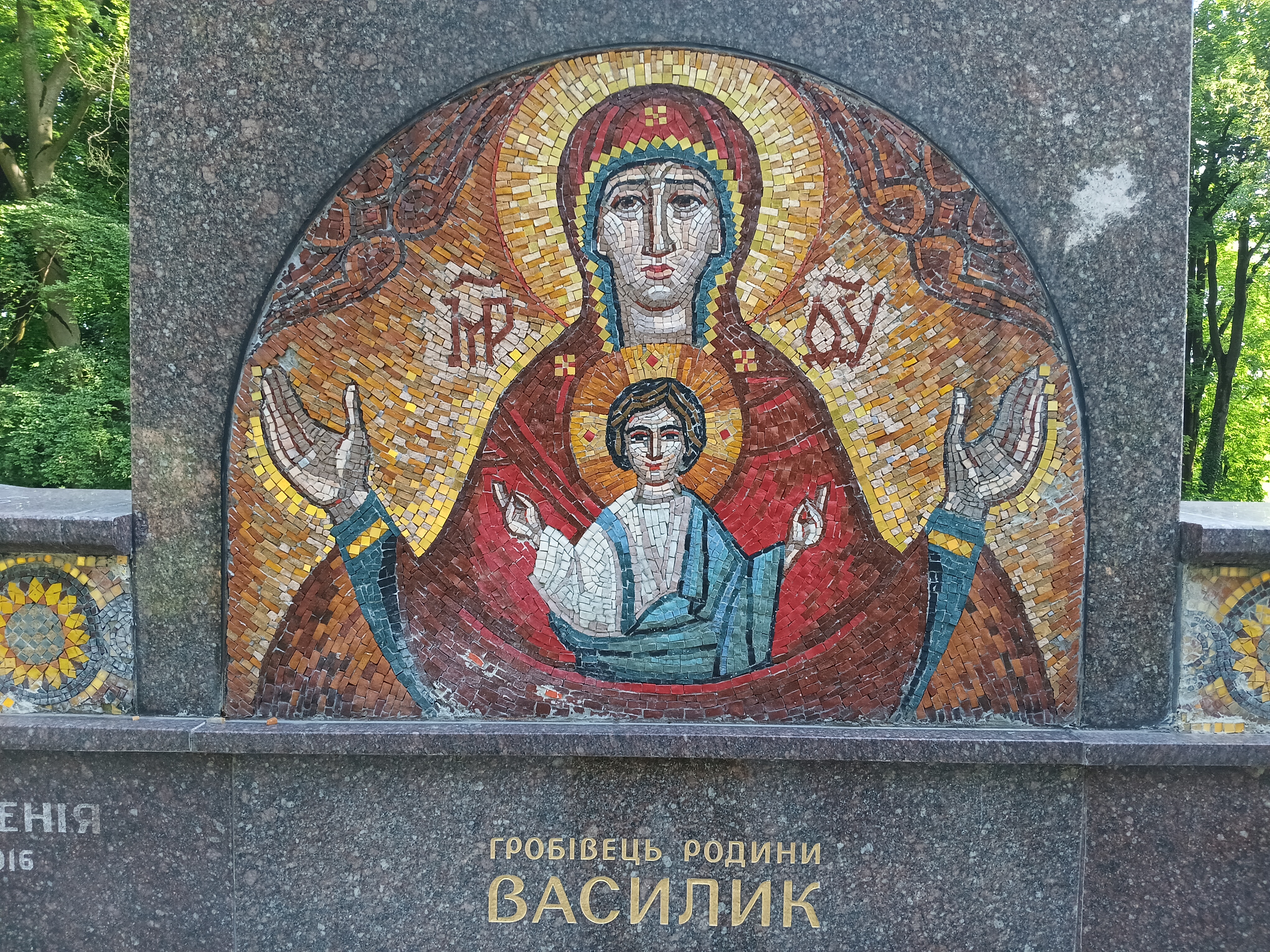
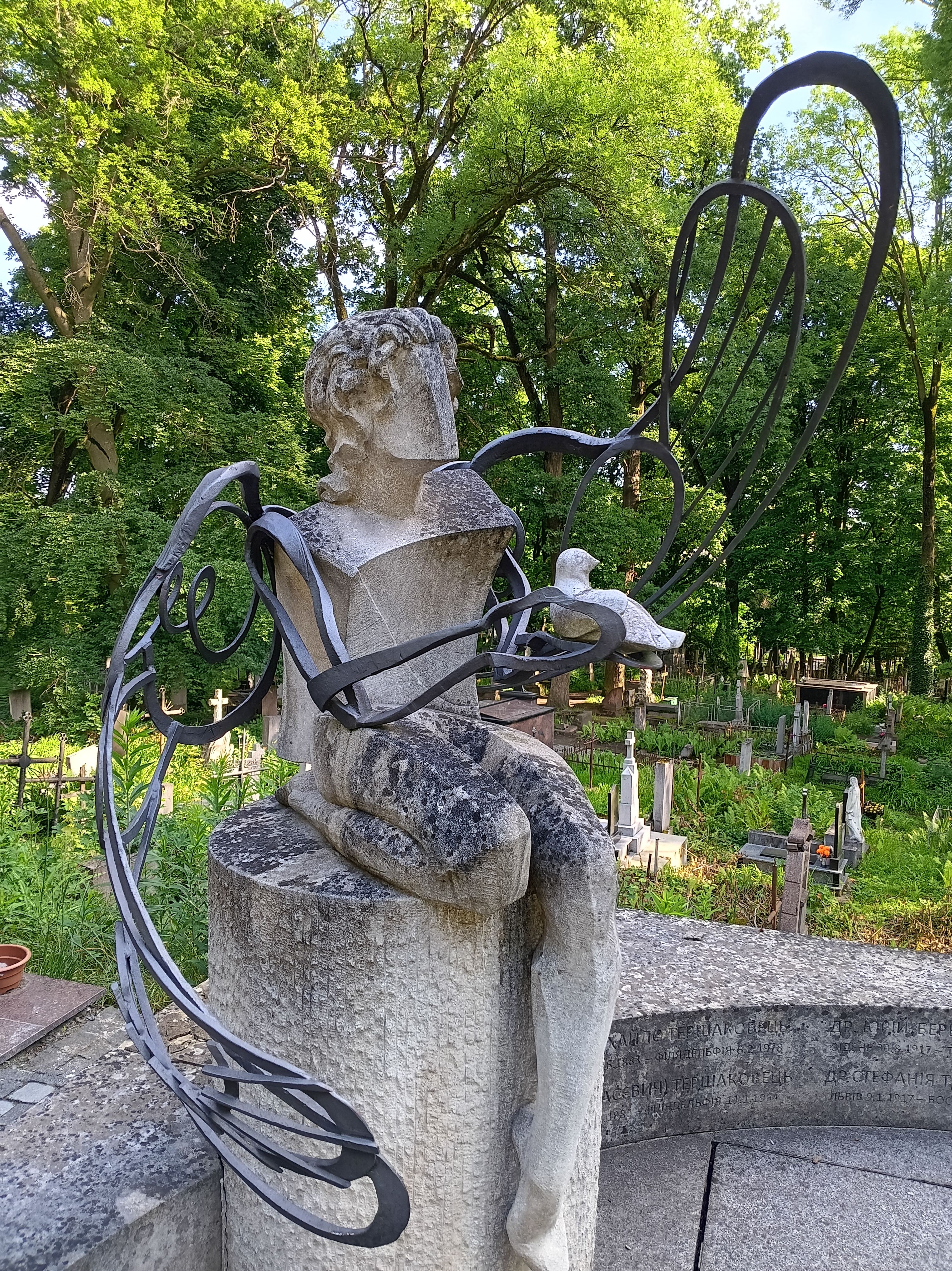
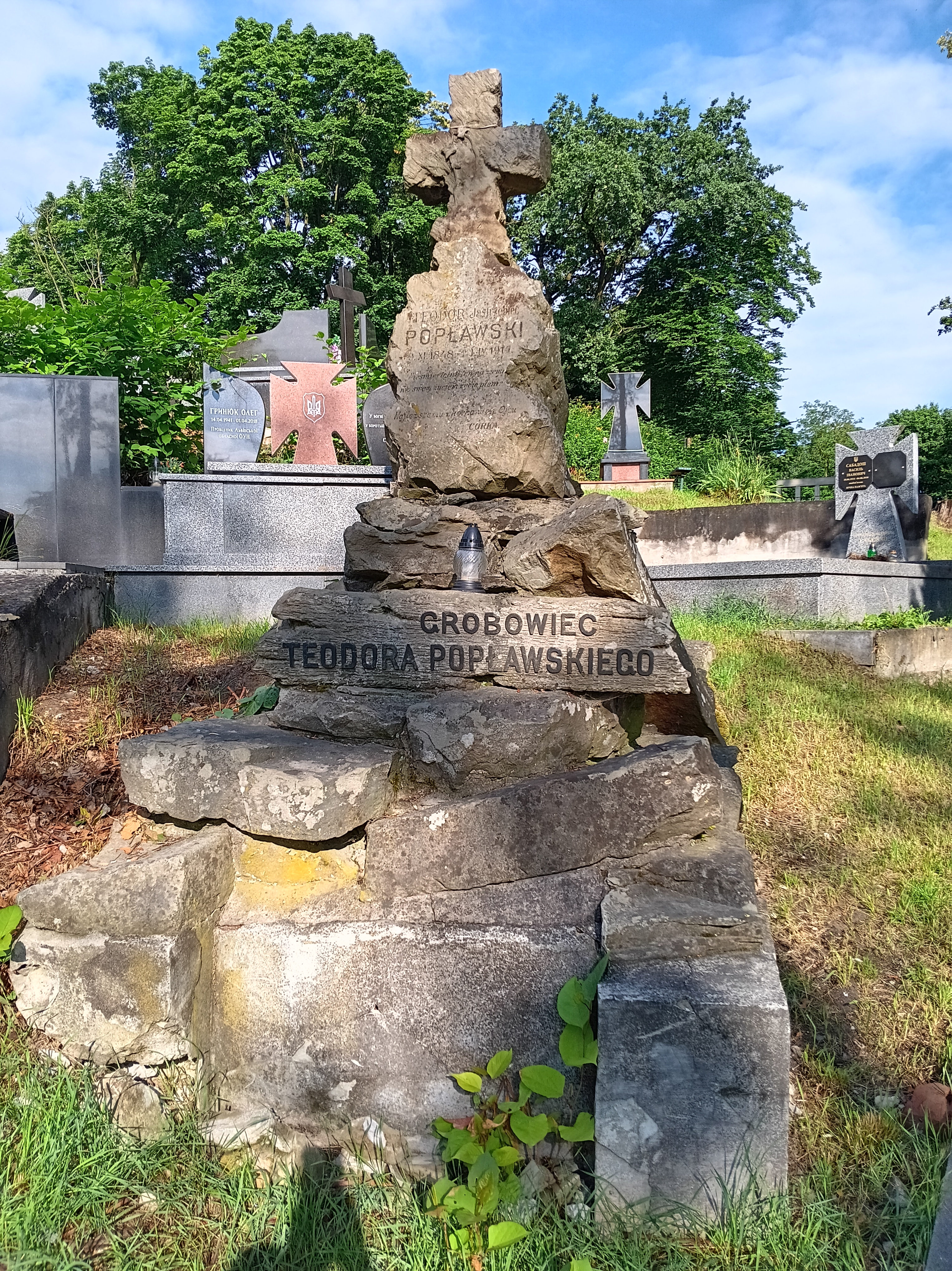
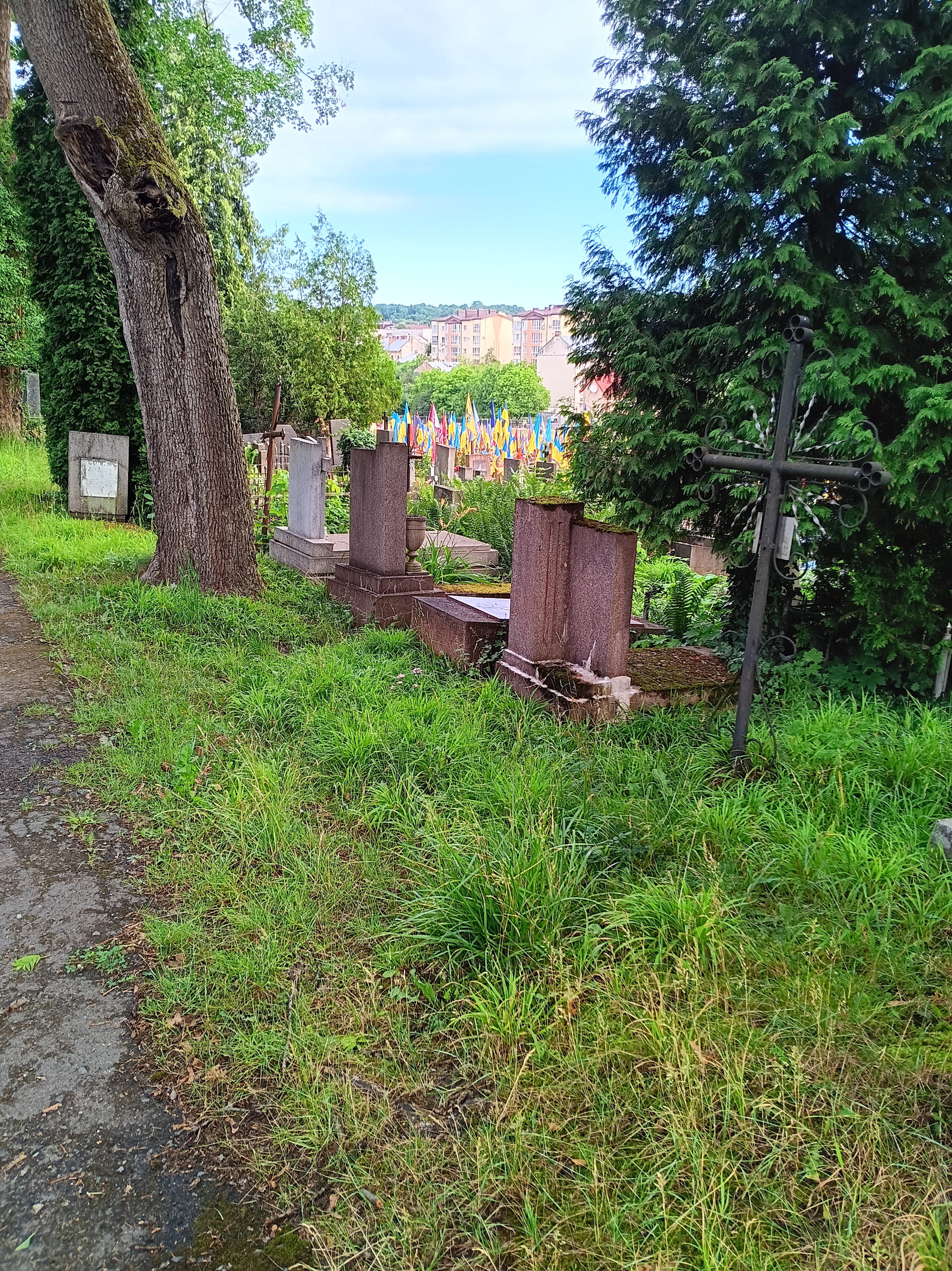
My plan for the day was to find the 250-year old Lychakiv Cemetery that was established 1787 when the Habsburg Empire of Austria-Hungary controlled Lviv and Galicia as a result of the the First Partition of Poland in 1772. The cemetery is a large wooded park in a hilly area near the Botanical Gardens to the East of the city. Today it is a “State History and Culture Museeum” of Ukraine that Polish and Ukrainian volunteers have restored, both lovingly and at times illegally, for the last 50 years. Prominent Lviv citizens of culture, science, and politics as well as soldiers and victims of war and oppression both past and present are buried here. Meandering paths lead through lush vegetation with old trees and artful sculptures, grave stones, and icons.
I spent well over 3 hours wandering along wide and narrow pathways up and down the hillsides to marvel at artful displays to remember those who walked the streets of Lviv the last 250 years. The style of letters, mosaics, sculptures, and vegitation changed from section to section all added over the centuries when different countries ruled Lviv from the Austria-Hungarian empire (1792-1918), the newly establish Poland (1918-39), the Soviet Union (1939-41), Nazi Germany (1941-44), the Soviet Union (1944-91) until it finally became part of independent Ukraine in 1991.
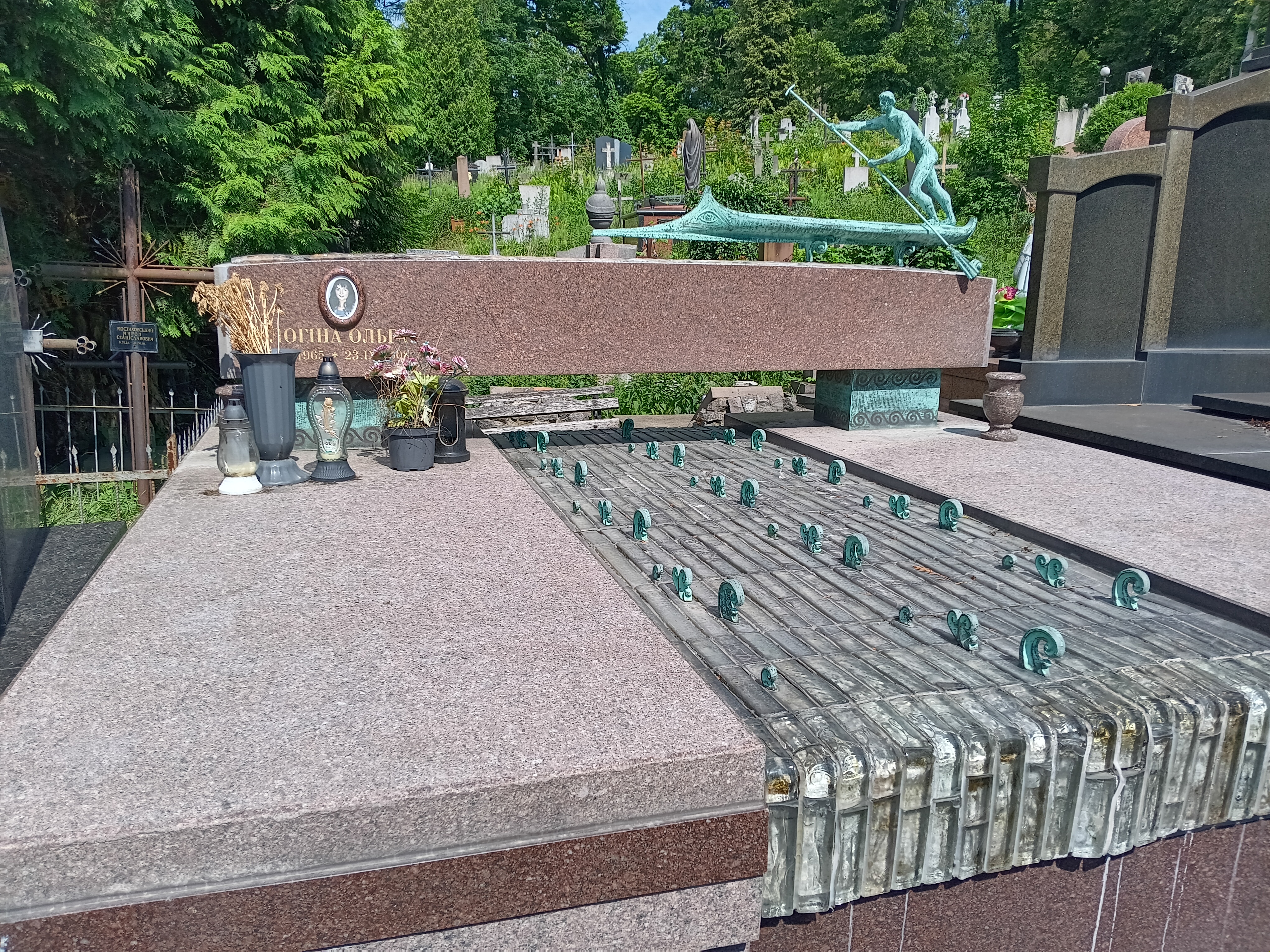
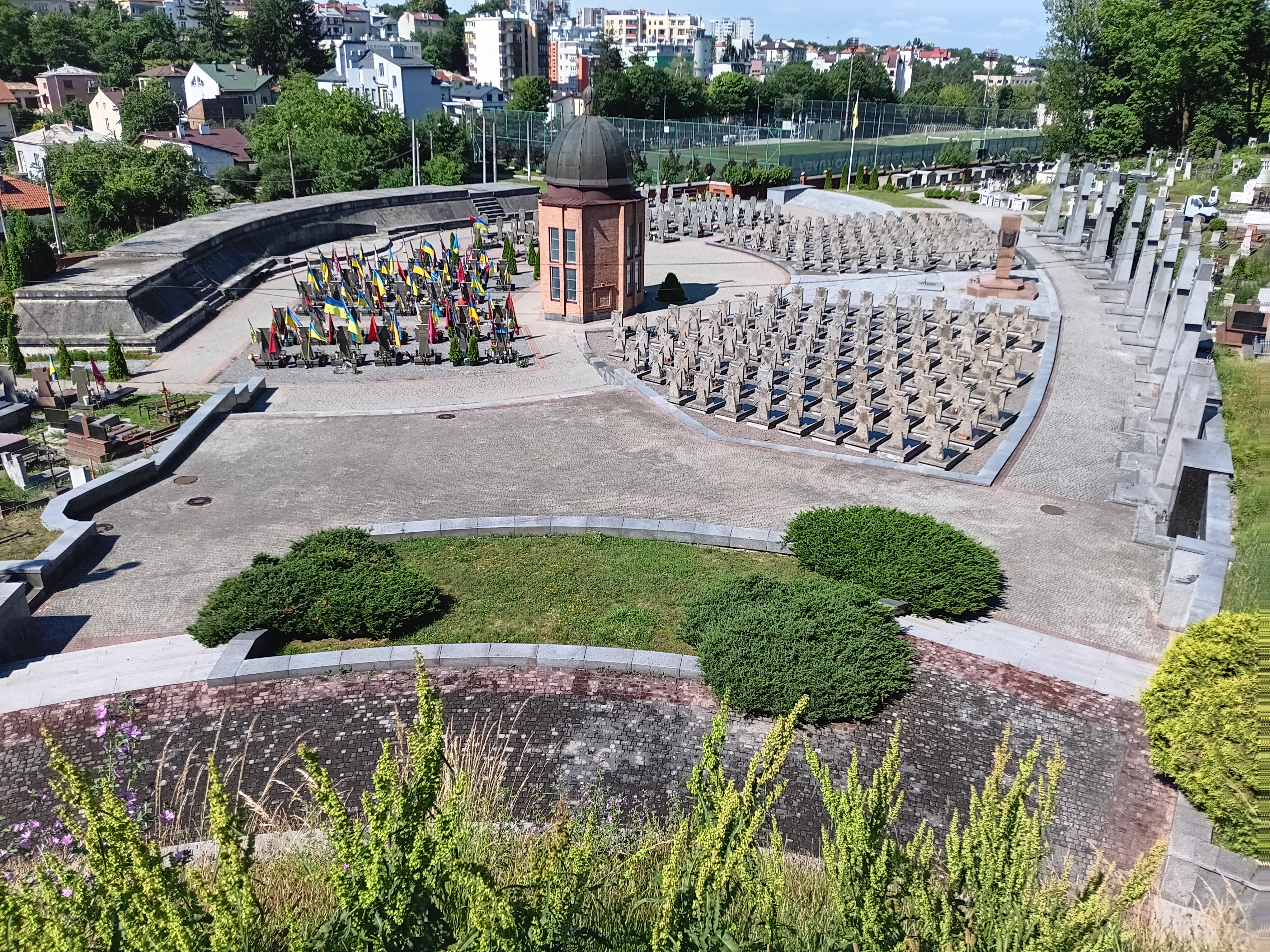
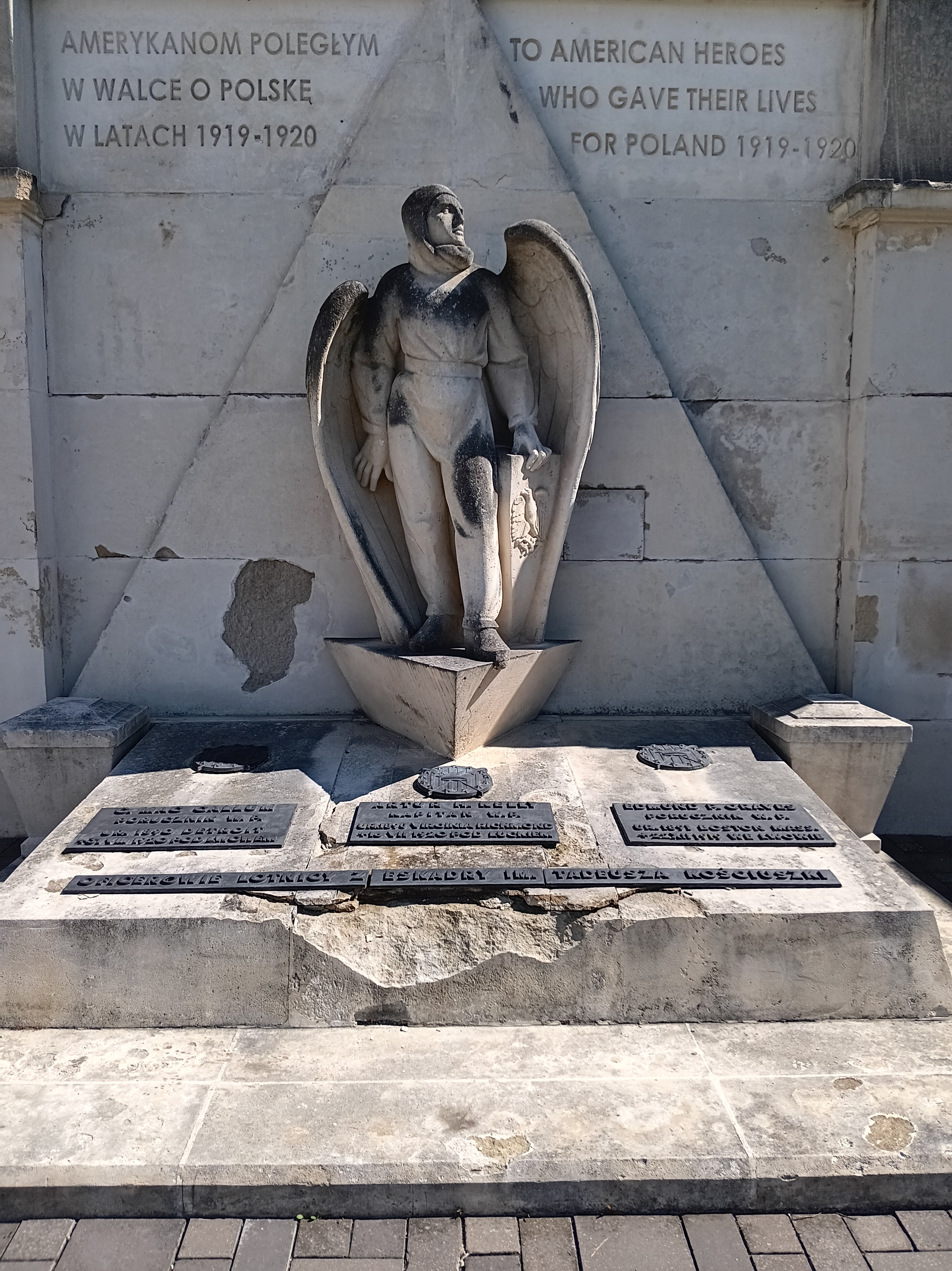
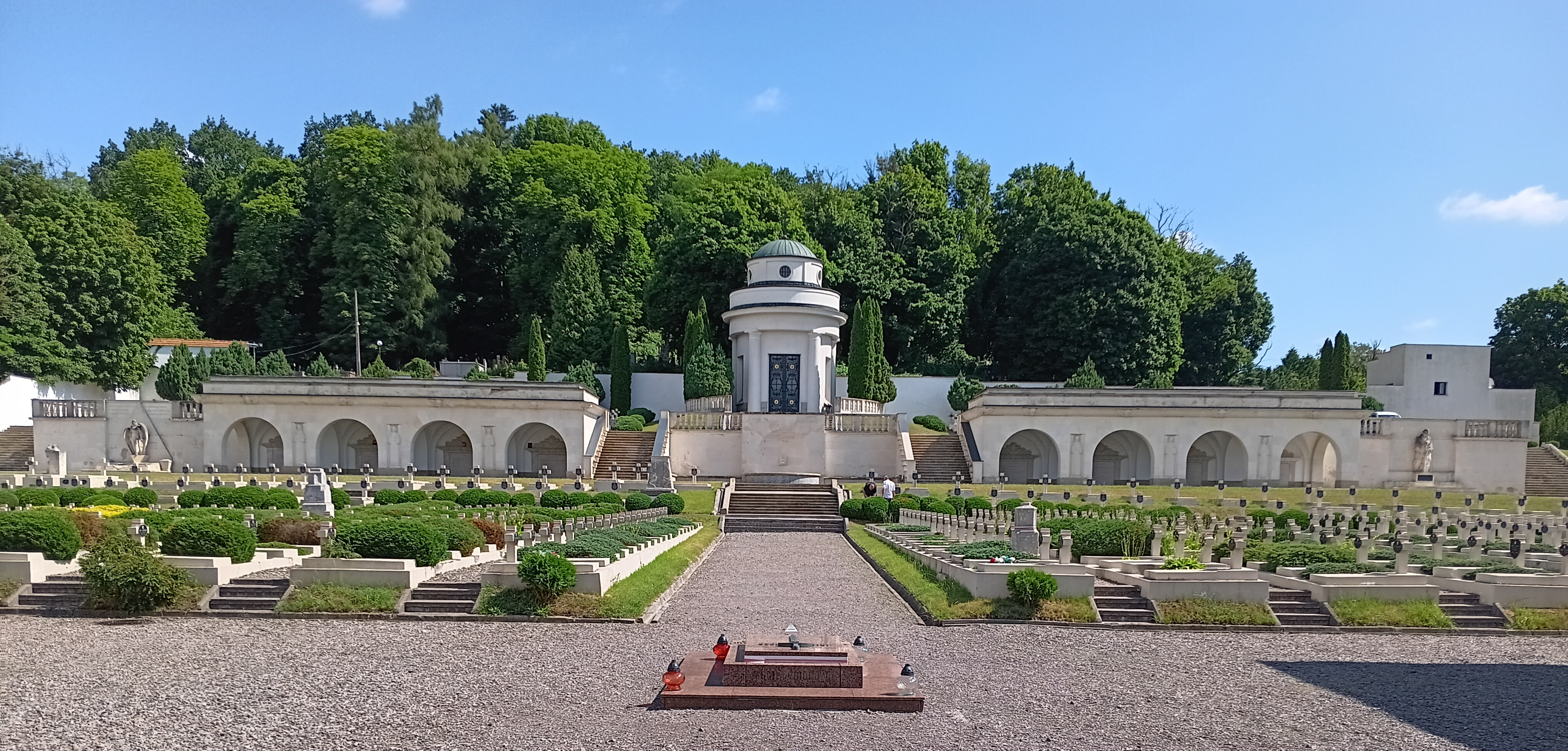
My favorite memorial is that of a person on a boat crossing a wavy river. The copper-colored boat even as an eye at its forward head just above the water line. The river appears to come down from the wooded hill behind it, but the boat floats above the the water bridging the river perhaps indicating another “spiritual” dimension. It all merges in a harmoneous way in multiple directions indicating both time and space. The river falls down at the edge, however, the river also falls farther towards graves of soldiers from both past (1918-19) and present (2014-present) wars. Three Americans aviators such as Edmund Pike Graves are burried here also. More than 100 years ago they supported Polish troops flying early bi-planes against Ukrainian nationalists.
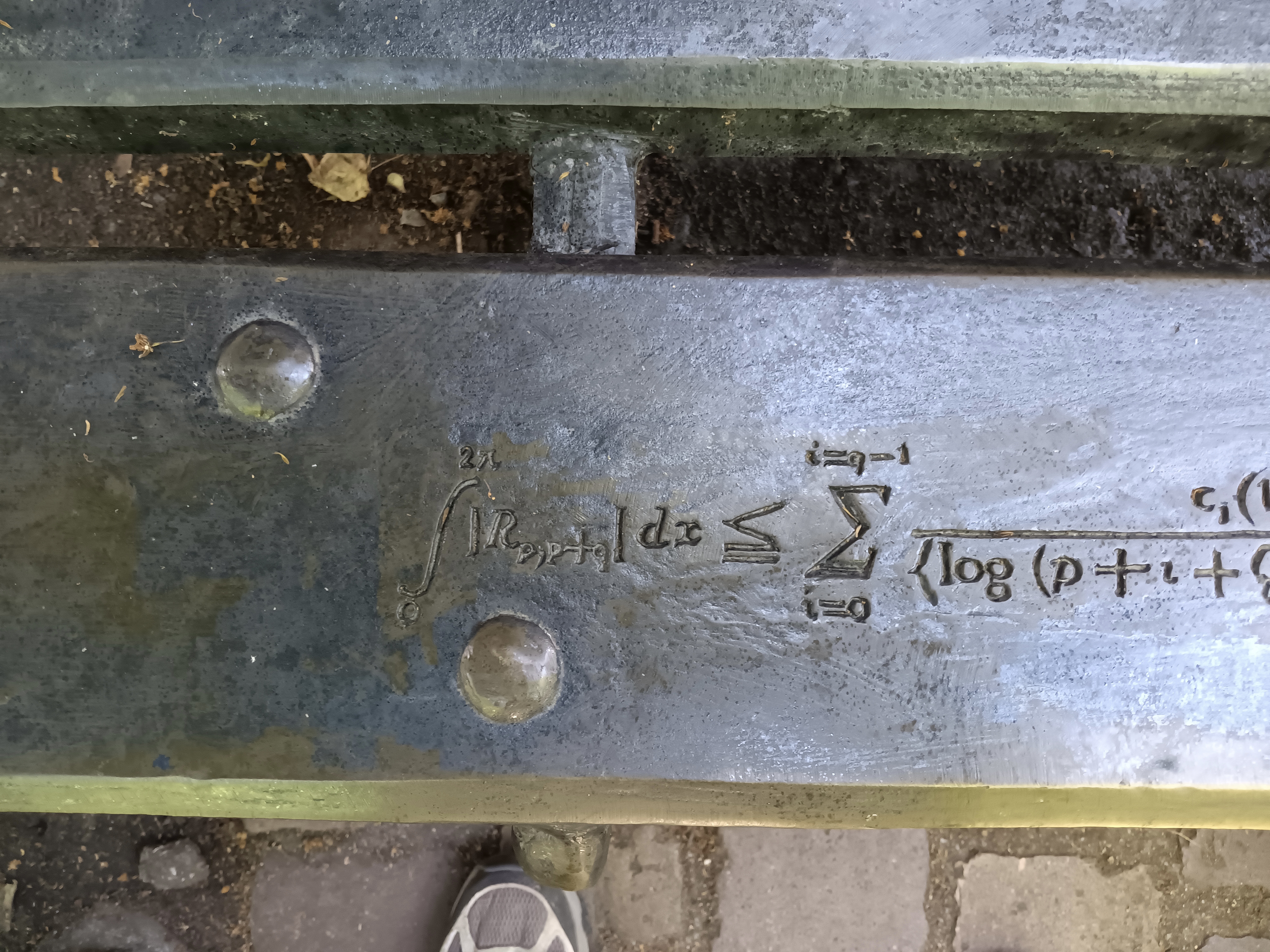
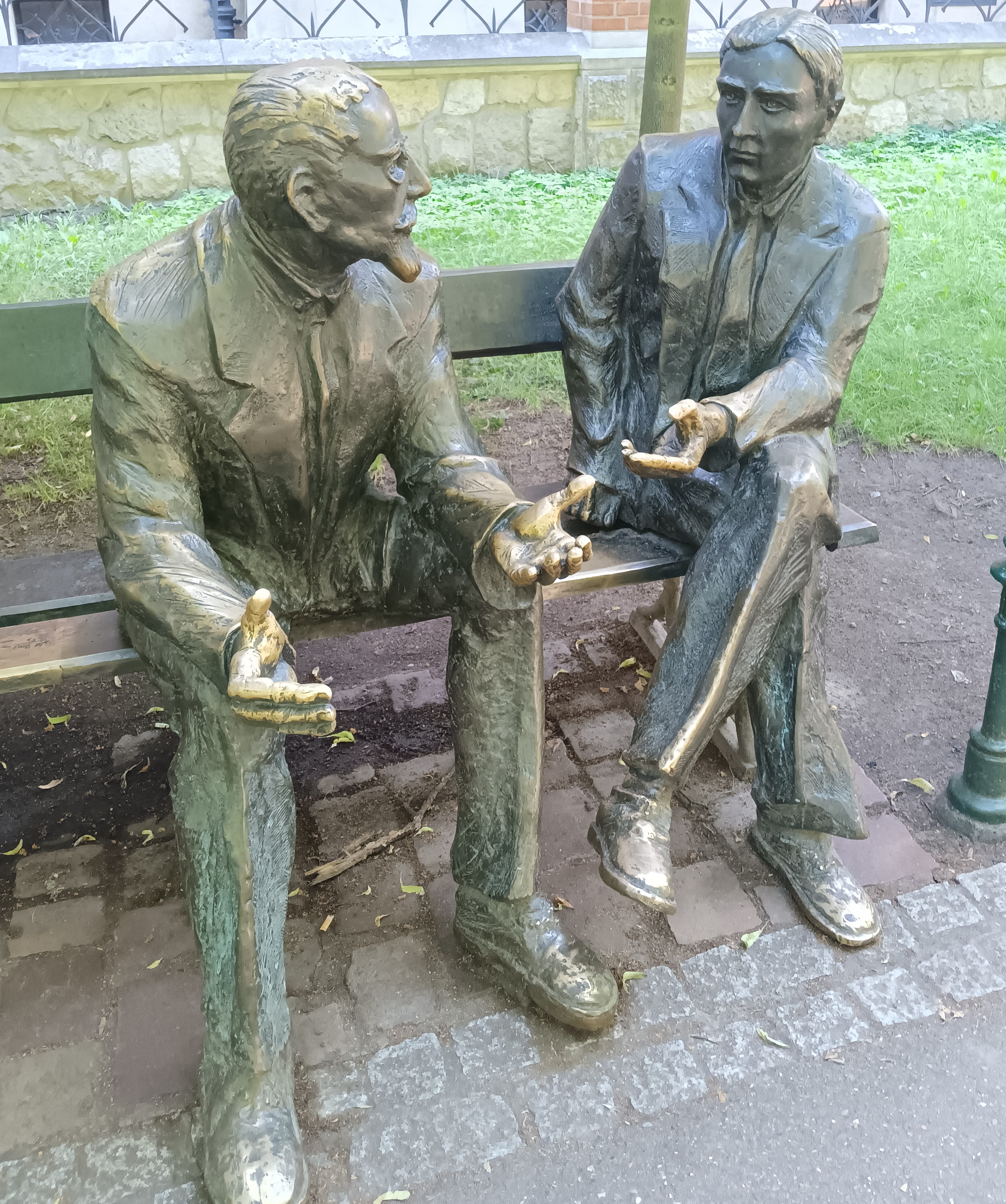
Among the many graves is that of the Polish mathematician Stefan Banach (1892-1945) who did pioneering work in the 1930ies when he was teaching at Lviv University. His fundamental work on vector spaces (“Functional Analysis” in English or “Funktionen Theorie” in German) applies to how I analyze climate data from the waters, ice, and glaciers around Greenland. Learning about Banach and the Lwow School of Mathematics, I discovered that the scientists living and working in Lwow/Lviv until 1939 also contributed to the Manhattan Project and the Nuclear Age. On my subsequent visit to Krakow in Poland 200 miles to the West, I found a bench in a park with a sculpture of Dr. Banach and some of his work:
A young Dr. Banach sits on the right in a conversation during his school years in Krakow. He left to teach mathematics in Lviv in 1918 where he lived until lung cancer killed him at age 53 in 1945. He is burried near the entrance of the cementary.
Figure: Polish Military Cemetery 1918-20 (“Eaglets Cemetery”) in Lviv, Ukraine of the 1918-20 war between Poland and Ukrainian Army of Galicia (bottom) adjacent to the memorial to the Ukrainian Galician Army (top left). Three U.S. American aviators are burried here also (top right).
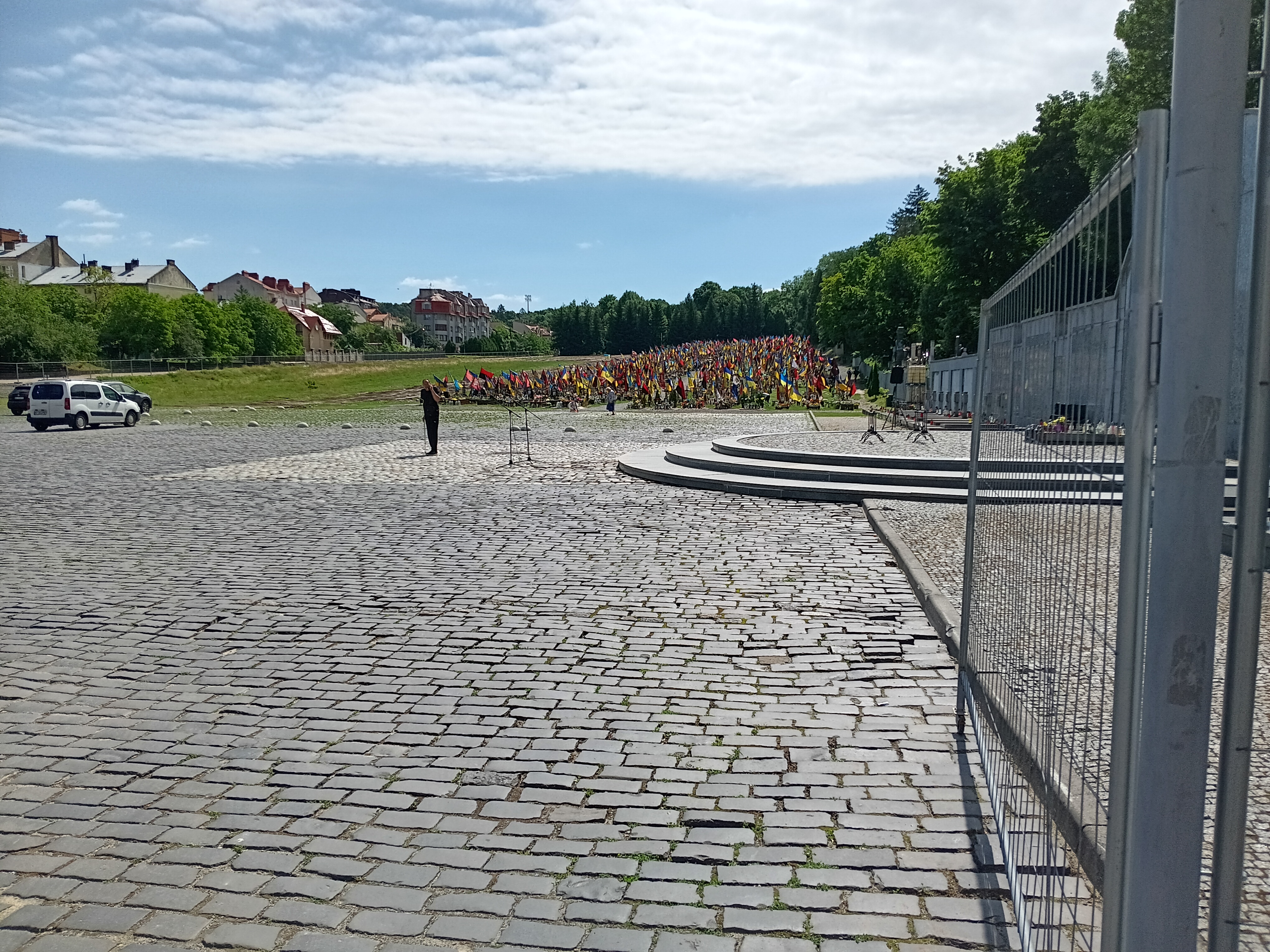
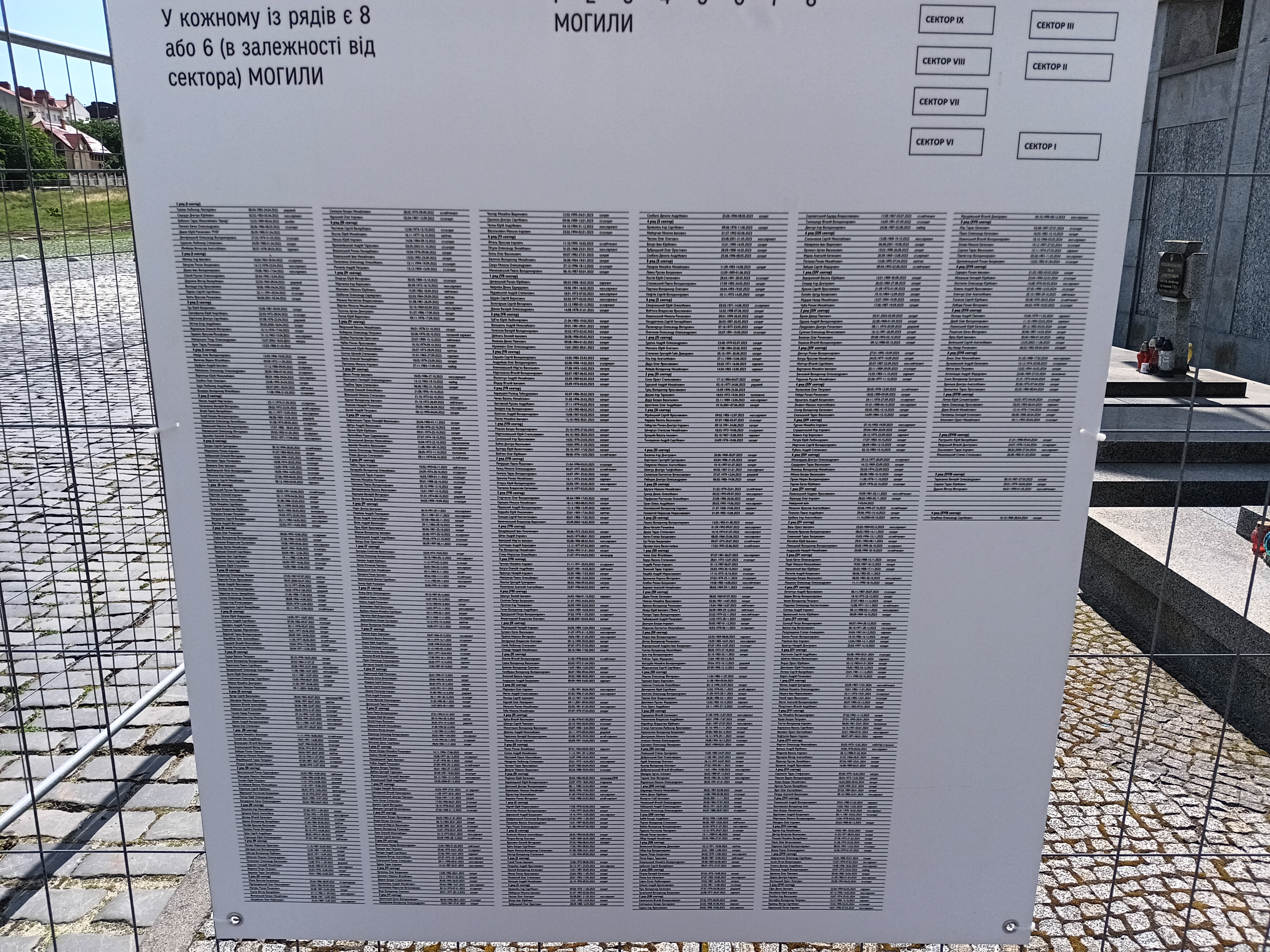
The last burial field I visited only from a distance, because it is here where Lviv buries her current war dead. Almost every day new graves are dug and filled. From the distance it looks like an ocean of flags both of the blue and yellow of Ukraine and a range of battle and historical flags of different military units. I noticed that the people who enter this section first checked a large board near the entrance to see where in this section their loved-ones are buried. The long list of names and grave locations includes the dates of birth (1962-2005) and death (2022-present).
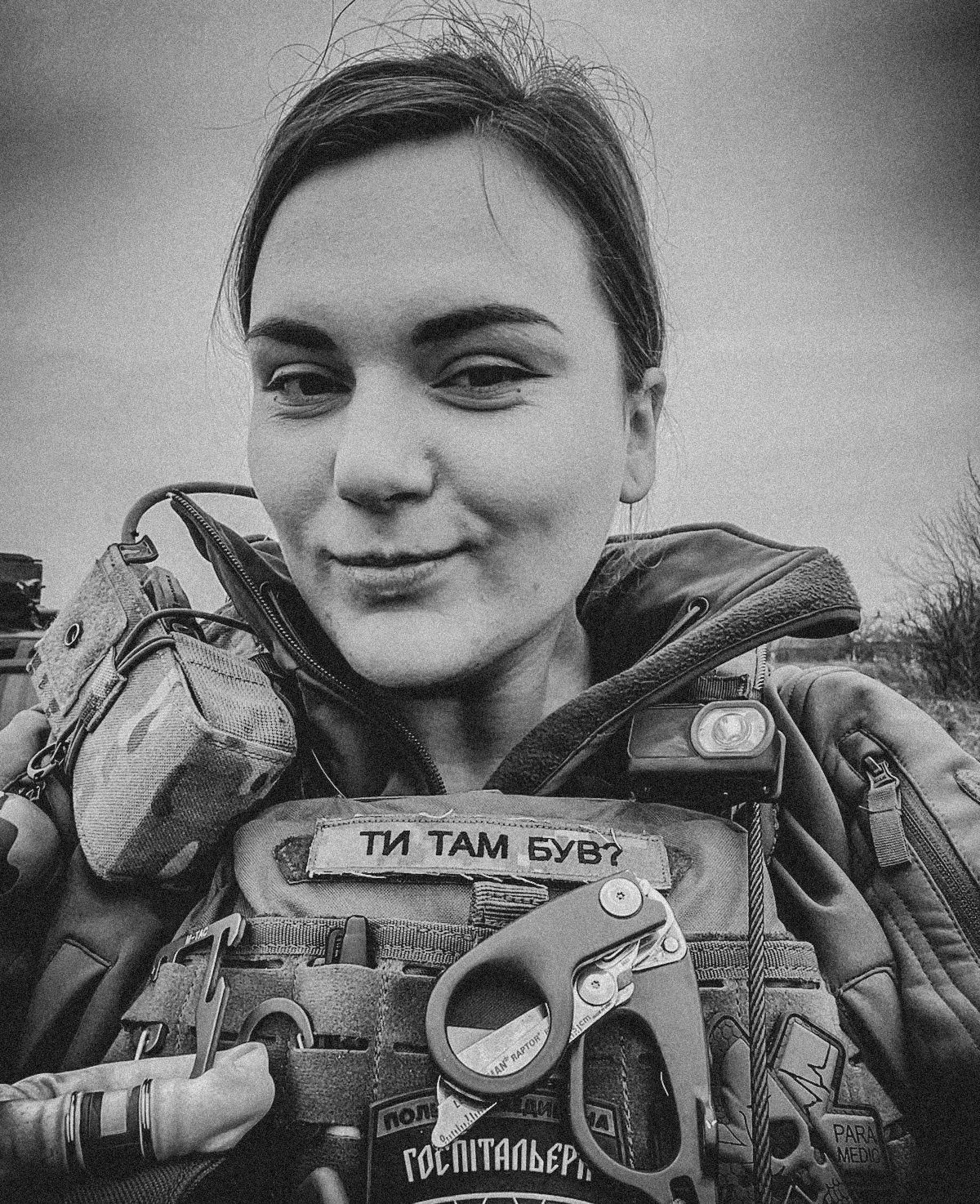
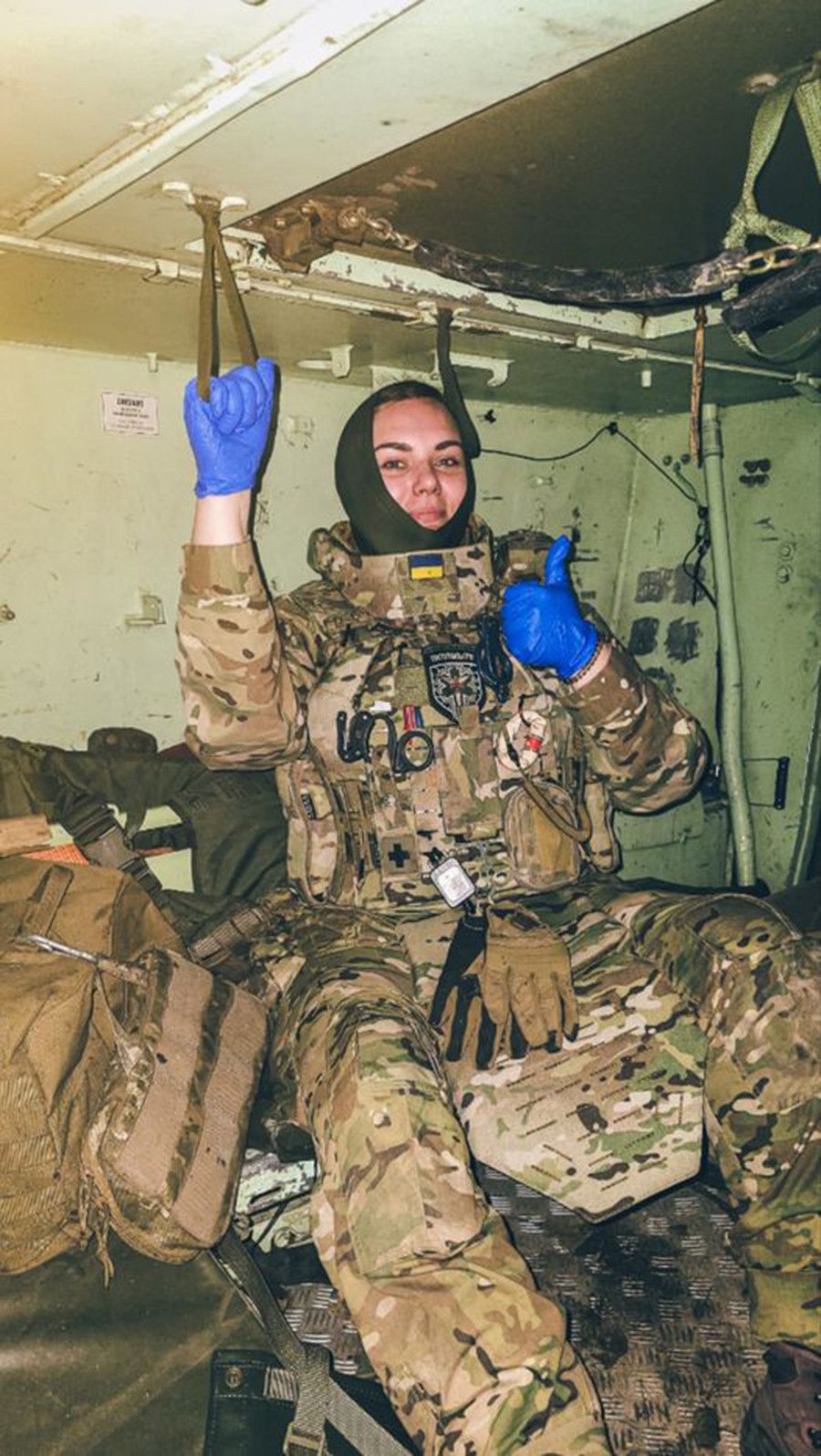
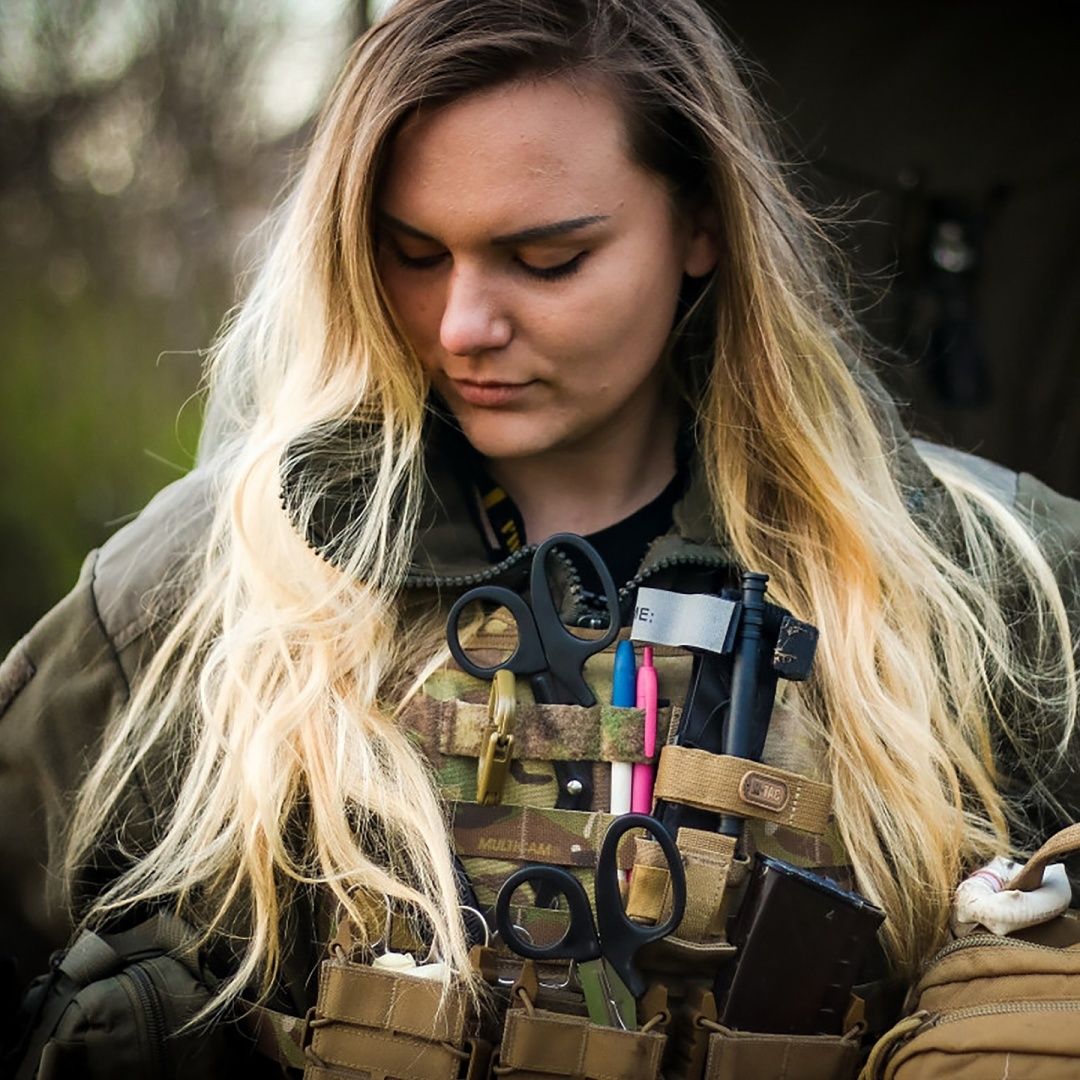
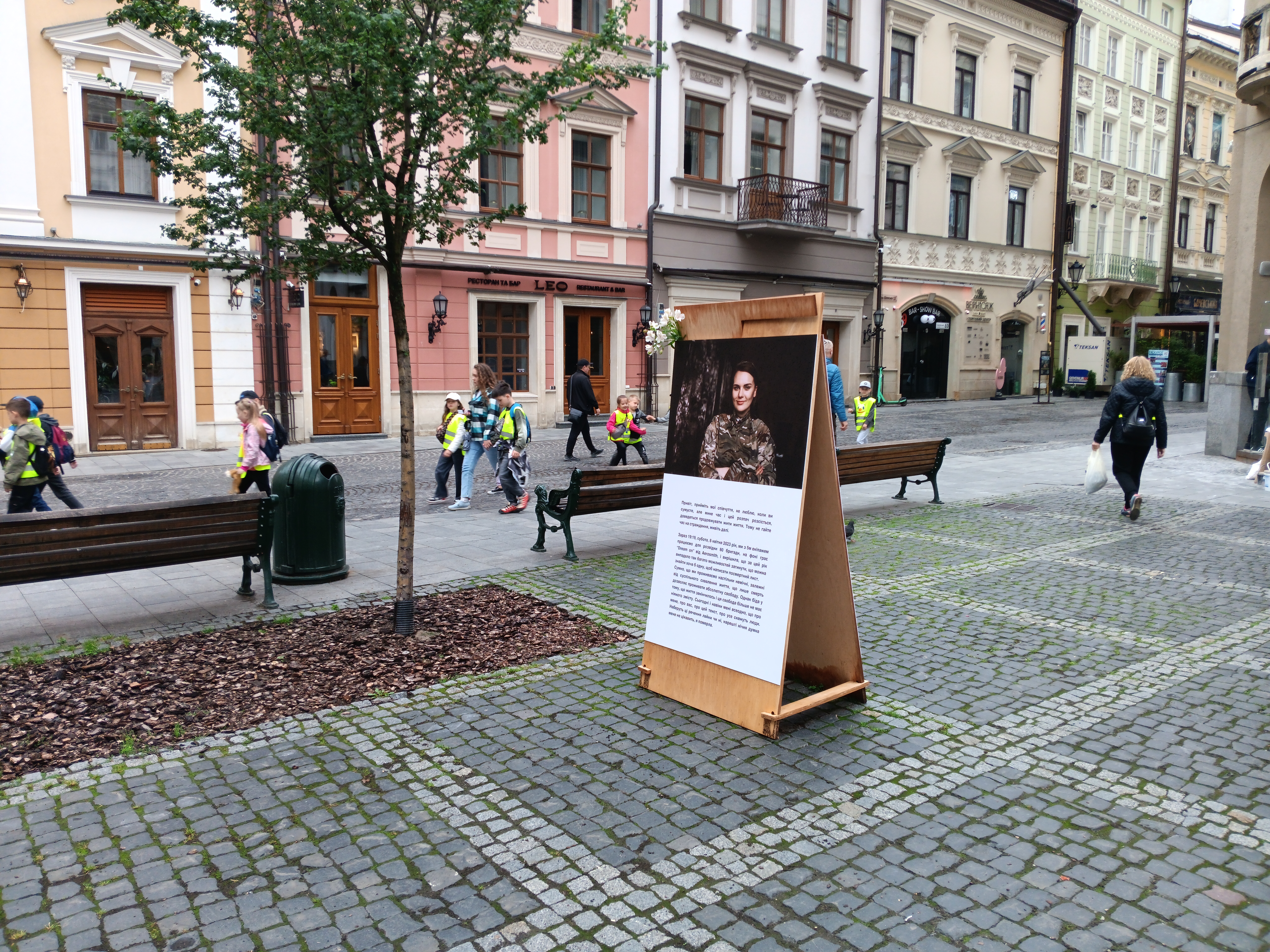
The war and terror forced by Russia onto Ukraine presents itself on main squares in central Lviv as well. One prominent public space that I passed every day included about 16 poster boards of 25-year old combat medic Iryna Tsybukh whom Russian invaders killed near Kharkiv the week before my arrival in Lviv. And every days I saw school children, shoppers, workers, and tourists passing this place dedicated to a brave local women. A year before her burial at Lychakiv Cemetery she wrote to her younger brother describing her wishes in case of her death
I don’t like seeing you mourn, but time and this despair will pass, and we’ll have to continue living life. So don’t waste time suffering; live on.
Iryna Tsybukh (1998-2024)
An equally eloquent obiturary appeared in the New York Times on Aug.-22, 2024. I took the photo of a poster board in Lviv bottom right, the other photos are from her Instagram page and public sources.
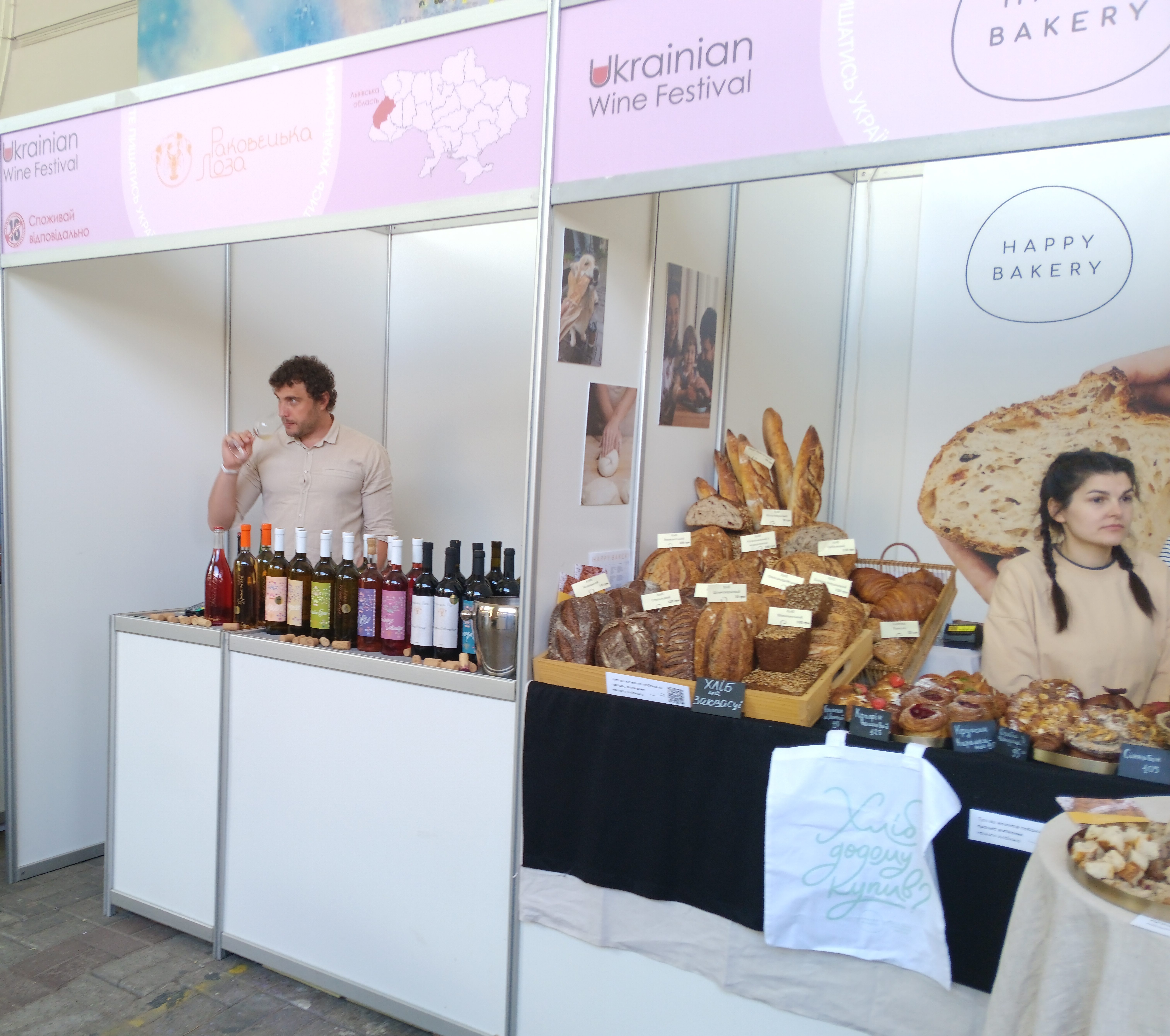
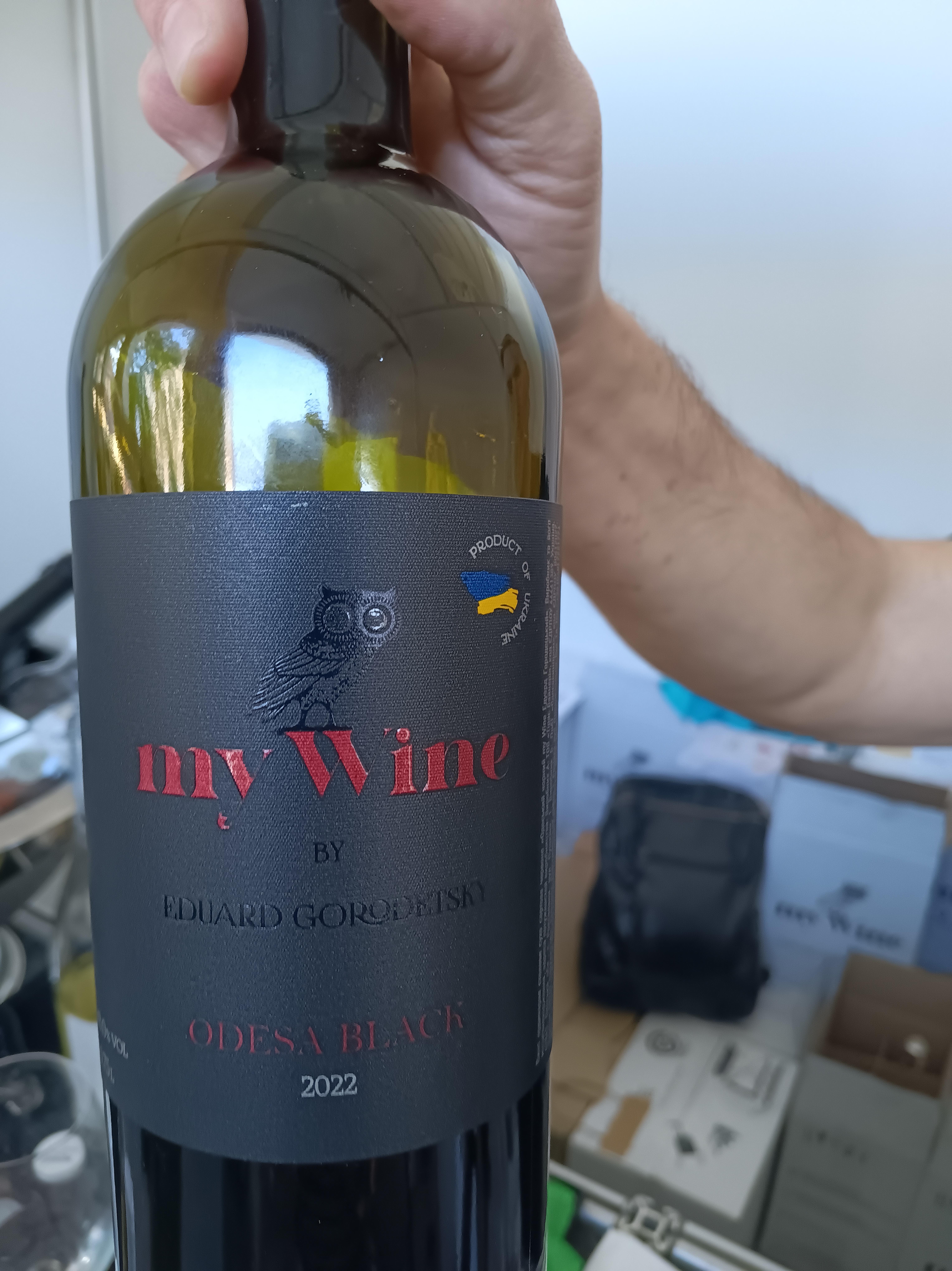
This was my only my second of four day as a tourist in Lviv, but here and then I decided to extend my stay. The public life I saw, the people I met, the food I ate, the art I admired, and the history I smelled at every corner made me extend my stay for another 4 days. There was a concert at the Opera and a Ukrainian Wine Festival on the weekend I did not want to miss. Furthermore, I will travel to Lviv again this summer, but this time I will stay for 2-3 weeks as part of a summer language program of the Ukrainian Catholic University. I met one of its mentors on the bus from Lviv to Krakow in Poland as we both returned from there by train to Germany. I am very excited to meet, converse, eat, and live with young Ukrainian students for 2-3 weeks.
References:
Mick, C., 2011: Incompatible Experiences: Poles, Ukrainians and Jews in lviv under Soviet and German Occupation, 1939-44, Journal of Contemporary History, 46 (2), 336-363.
Snyder, T., 2003a: The causes of the Ukrainian-Polish Ethnic Cleansing 1943, Past & Present, 179, 197-234.
Snyder, T., 2003b: The Reconstruction of Nations – Poland Ukraine, Lithuania, Belarus 1569-1999. Yale University Press, New Haven, CT, 367 pp.
Snyder, T., 2010: Bloodlands – Europe between Hitler and Stalin, Basic Books, New York, NY, 524 pp.
Zhurzhhenko, T., 2013: The border as Pain and Memory – Commemorating the Polish-Ukrainian Conflict of 1918-1919 in Lviv and Przemysl, Nationalities Papers: The Journal of Nationalism and Ethnicity, DOI:10.1080/00905992.2013.801416.
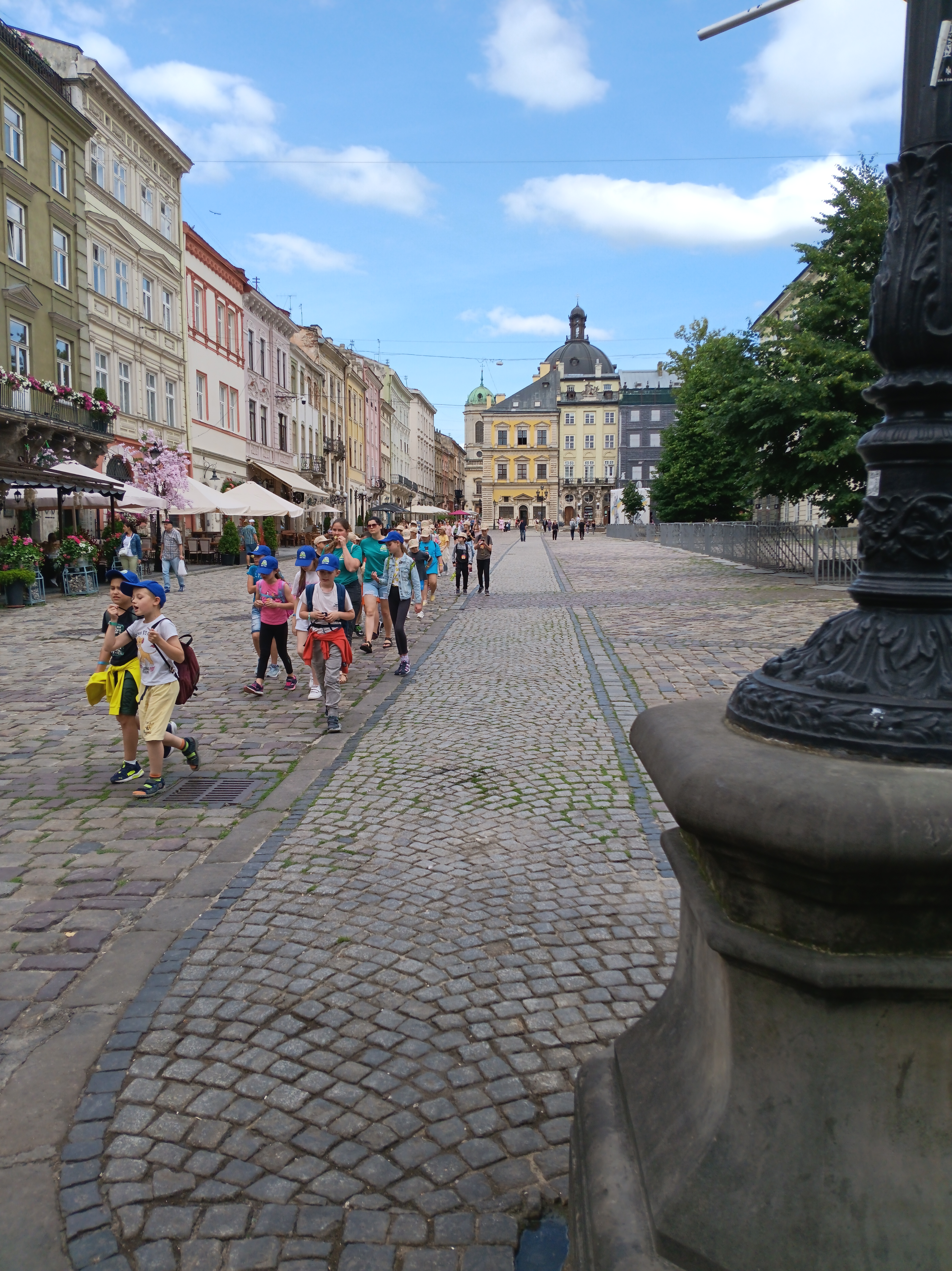
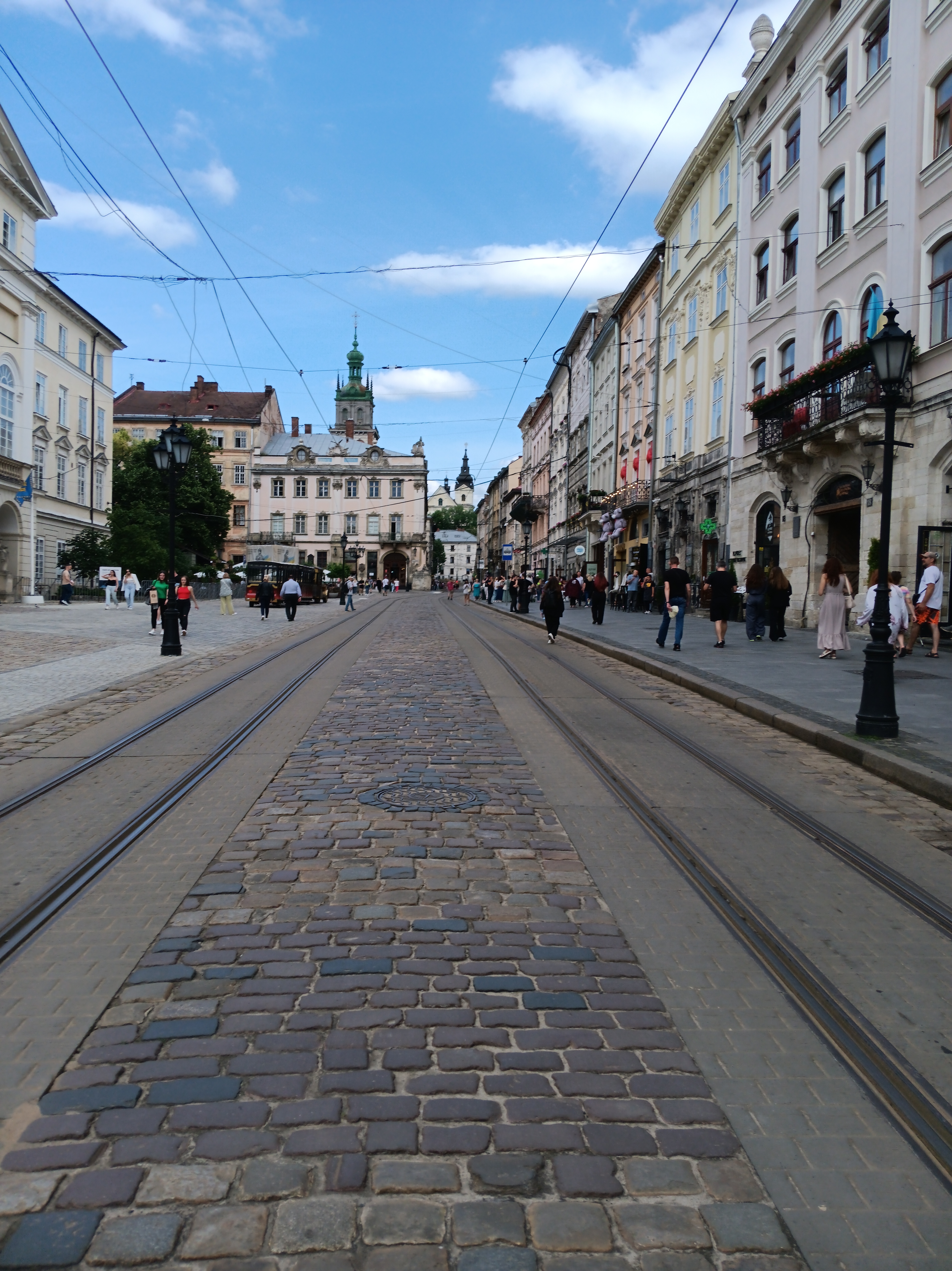
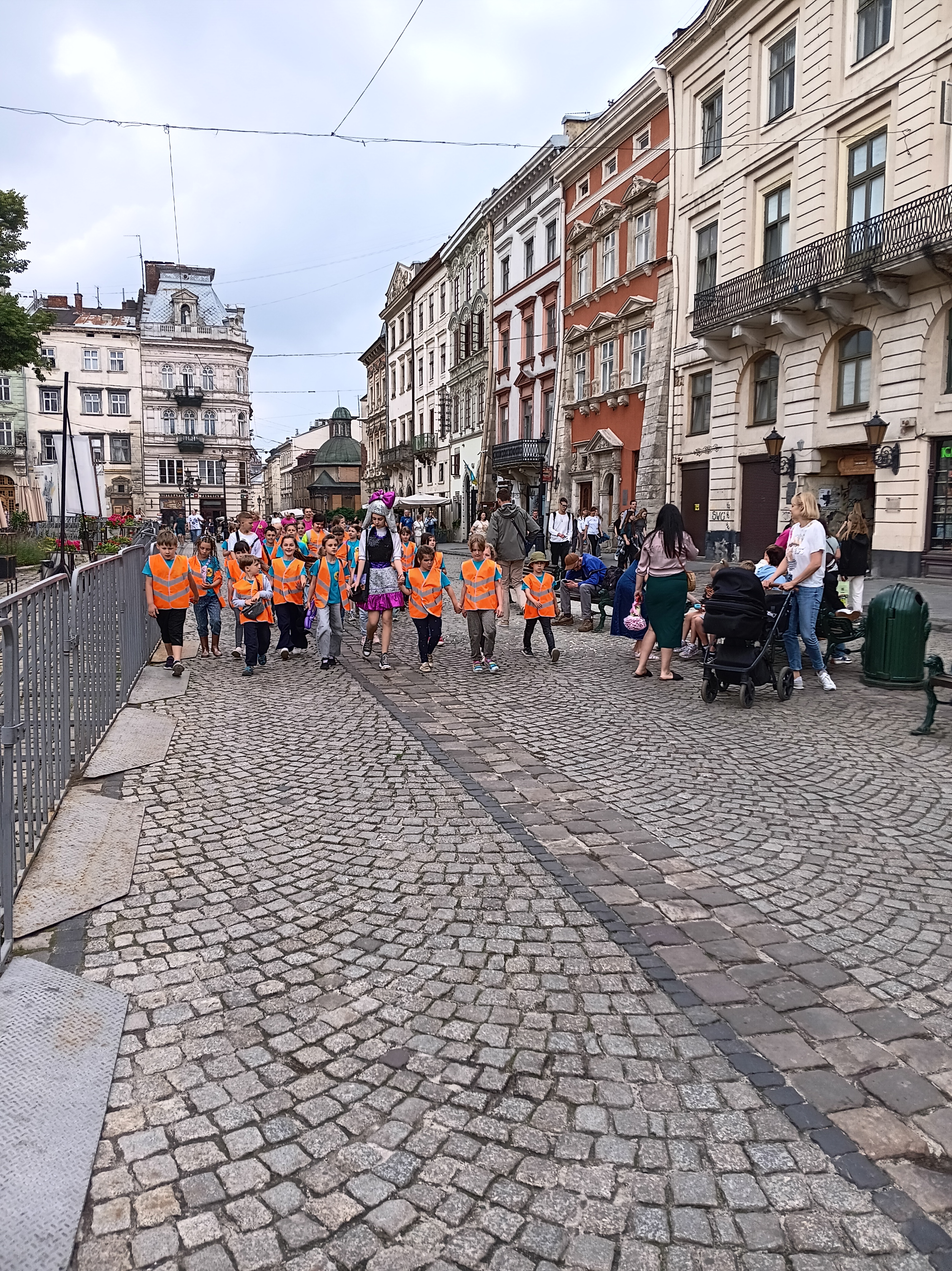
Cobble stones pave the streets of Lviv everywhere. The pedestrian Old Town merges sidewalks and streets with its center at Rynok Square. In Old Town restaurants, cafes, churches, museeums, and small shops all spill onto sidewalks in front of the 150-200 year old buildings. On the 2-3 floors up people live in appartments with 10 foot ceilings. My 1-room appartment was in one of these. Exiting the building and turning left, I reached Rynok Square within two minutes. Turning right, I entered Dominican Church within a minute. Along the short ways I pass several shops, cafes, and a small flea market. Electric trams but not cars zip across Old Town and for 20 Hryvnias ($0.50) one can hop on and go as far as the tram goes.
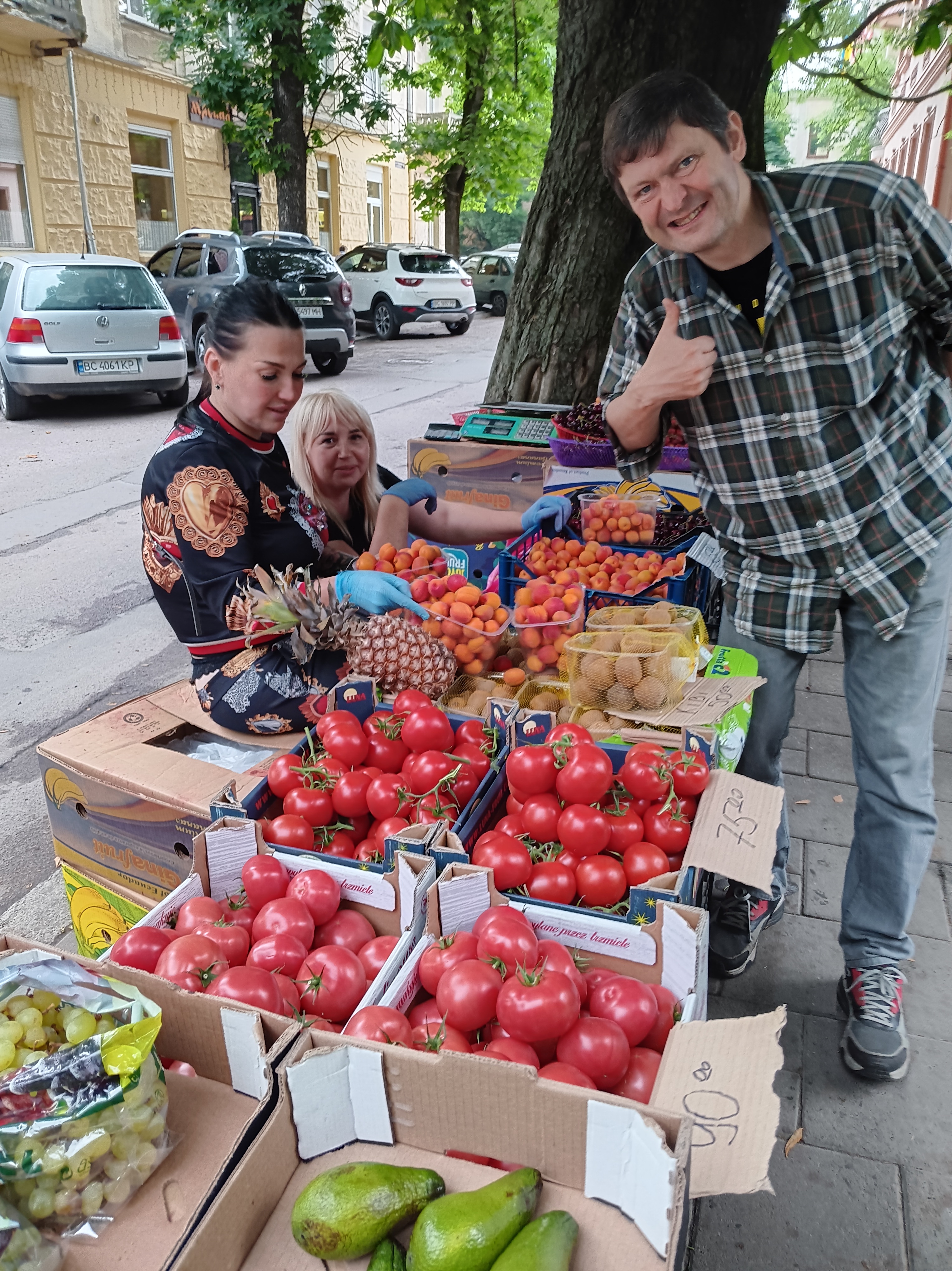
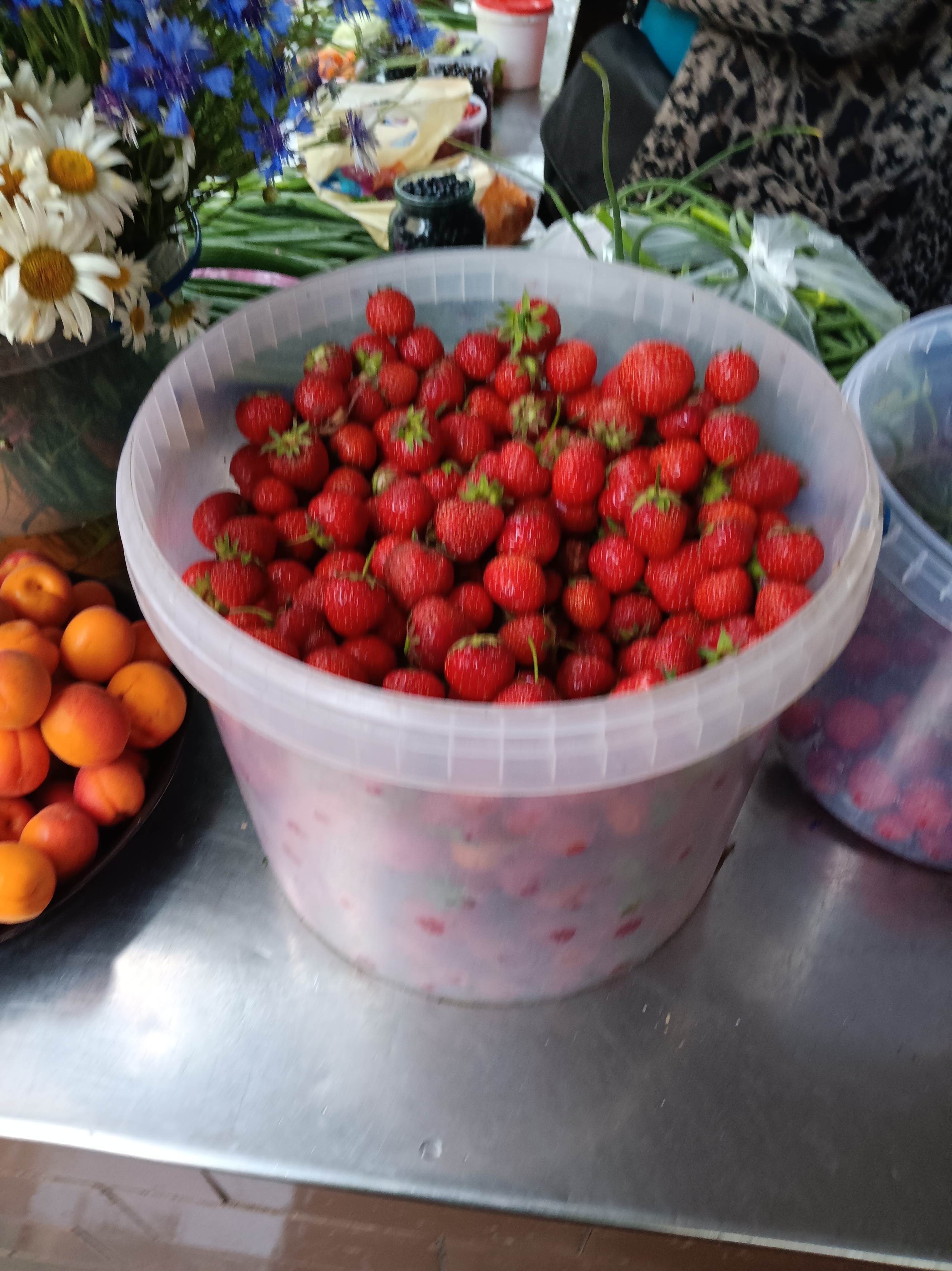
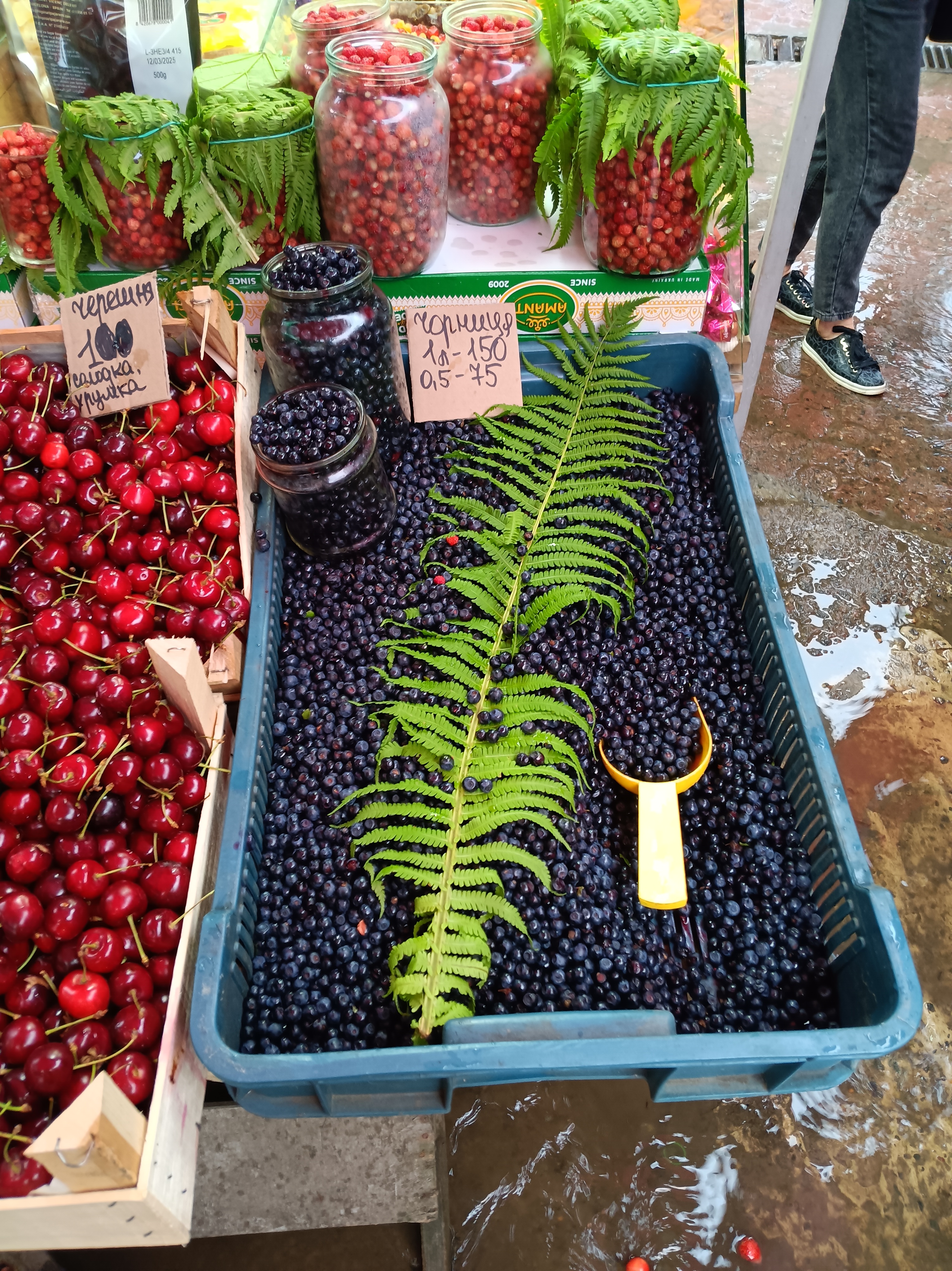
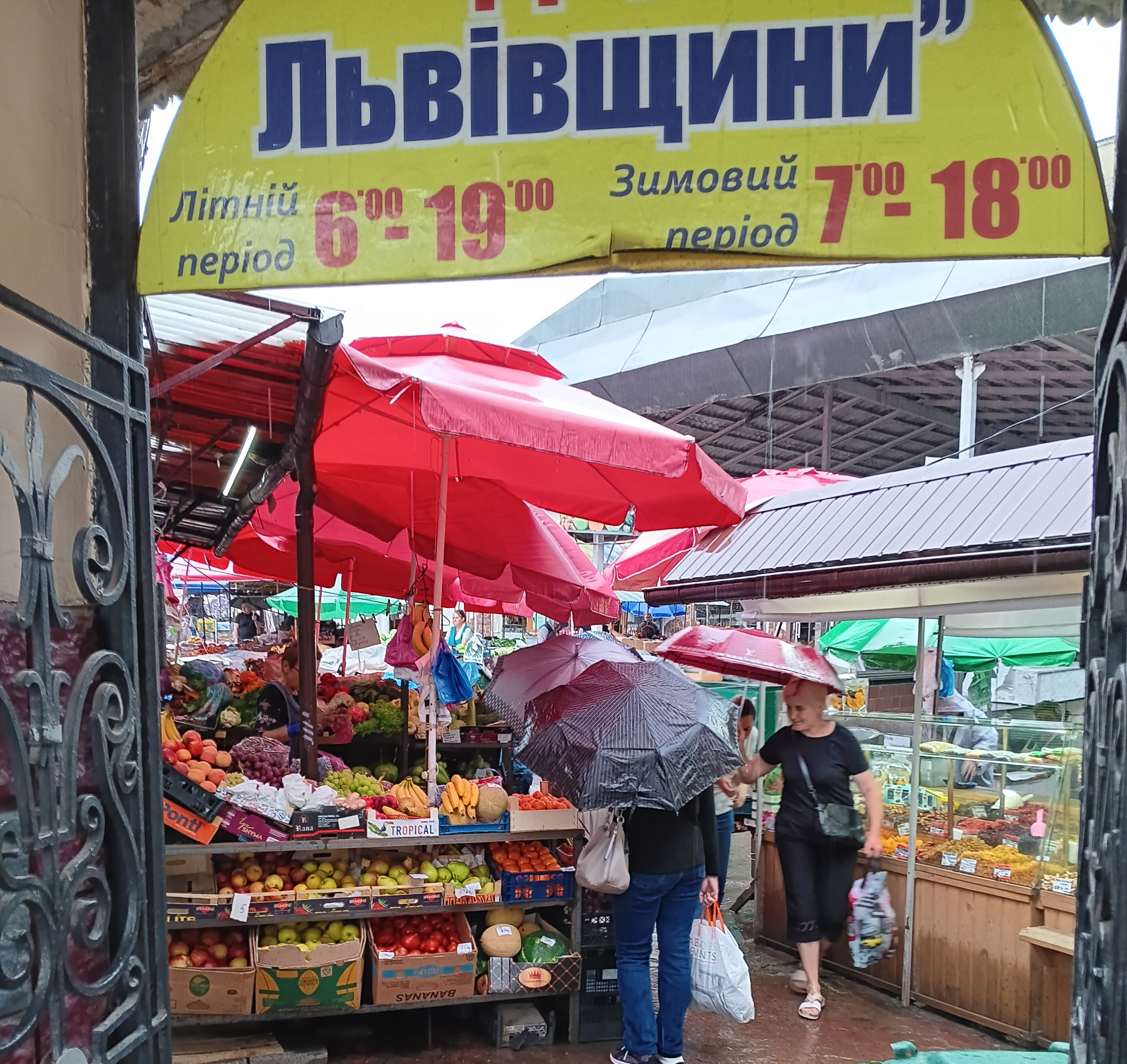
Walking past Old Town, I quickly found street vendors and a farmer’s market within a mile or so. Both local (currants, strawberries, cherries, gooseberries) and foreign fruit were sold. I bought half a pound of cherries and half a pound of “mirabellen” (small yellow plums) to eat during my first morning stroll through Lviv. Initially I spit the pits into the street, but I stopped when I noticed how clean both the streets and sidewalks were. This differs from all cities I have visited previously. Lviv expunges any and all litter in public places. So, my cherry pits went back into the bag.
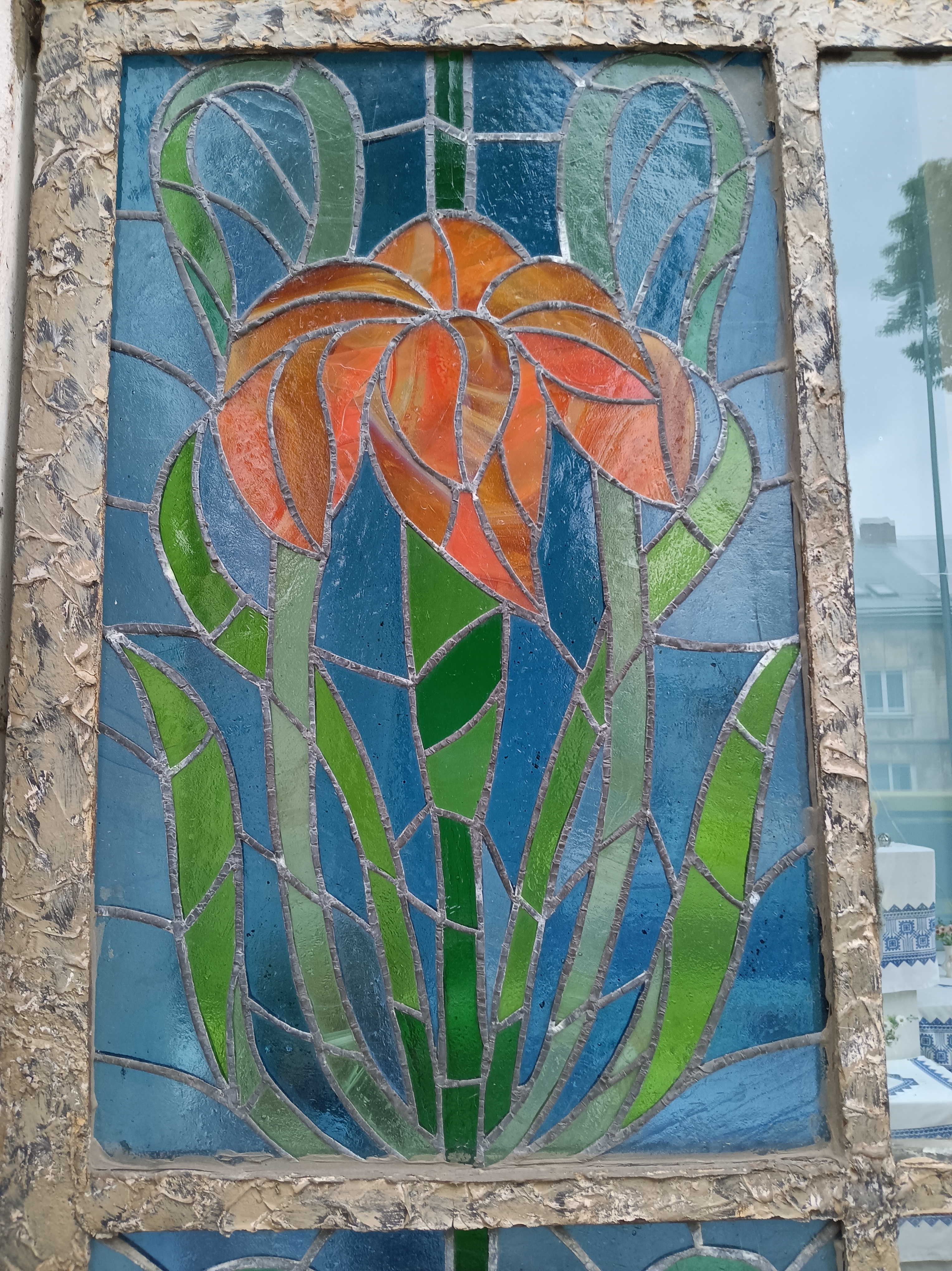
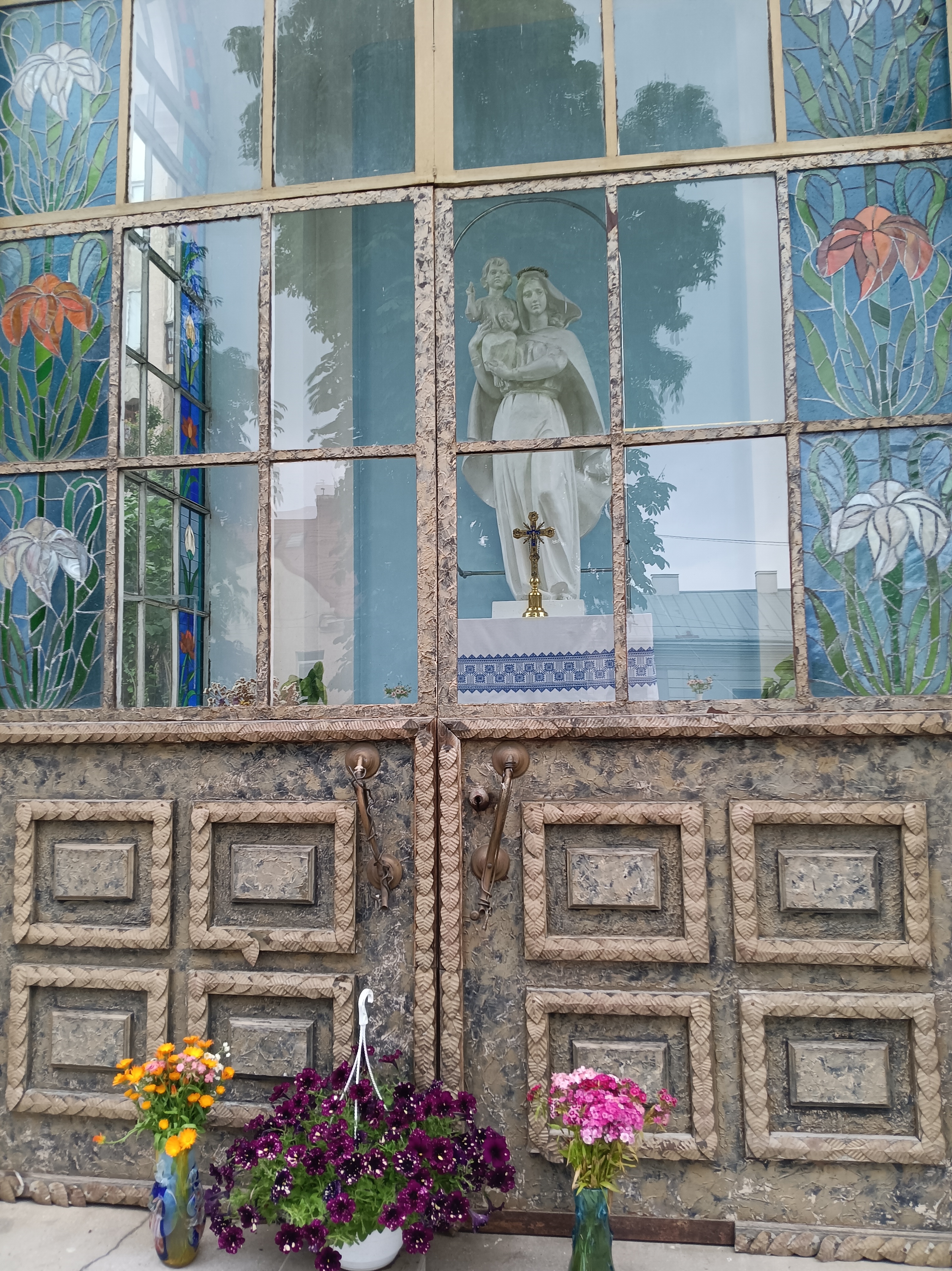
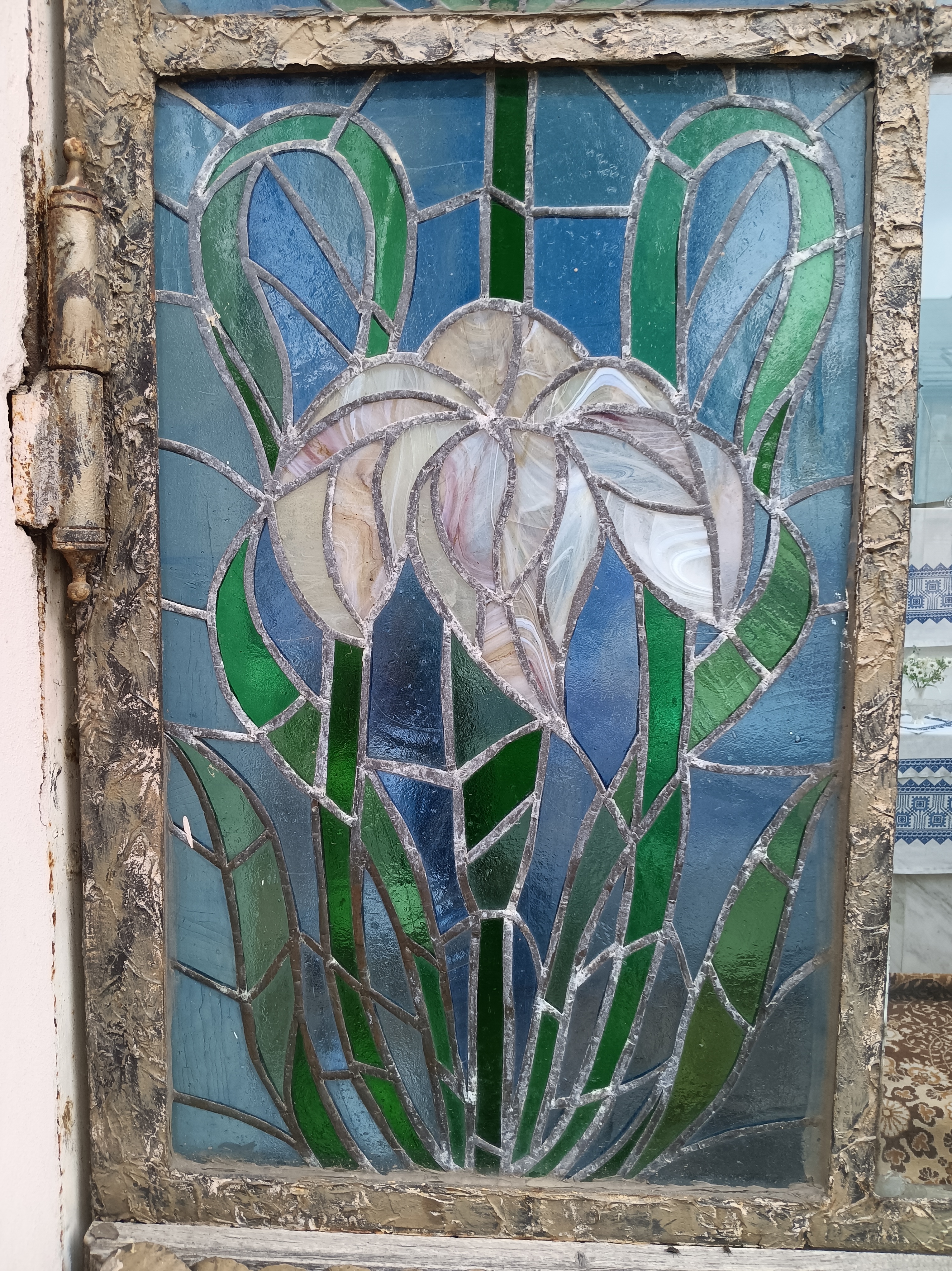
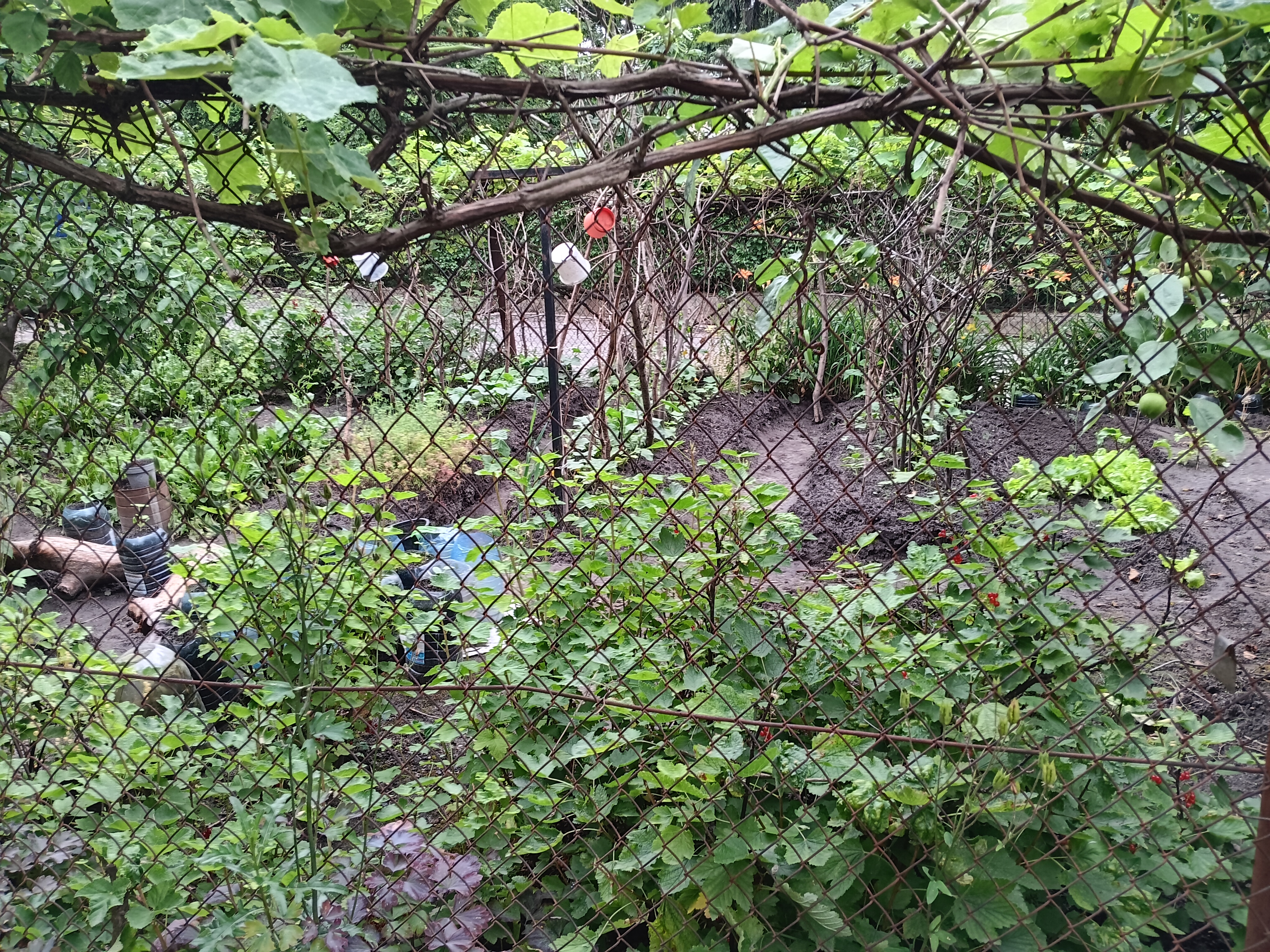
Later I discovered that fruit and vegetables are grown within city limits in small garden plots that people nurture. On half the space of my Delaware gardens they grow twice the fruit. The soil in the Lviv gardens is a dark and black. One such plot nestled in front of a large residential appartment complex adjacent to a religious shrine. Three sides of the shrine are framed with stained glass window pains similar to those my wife Dragonfly Leathrum makes. Looking closely, I discern identical designs of the flowers, however, the variation of the glass color and its arrangement is not. It is only now that I see the design and its symmetries, but I do recall the soothing and calming effect the shapes and colors had on me when I walked past it 15 days ago.
The tiny garden contained an apple tree, several Red Currants bushes, grapes growing up and along the fence, beans, carrots, beets, and cucumber. The stage of all these plants was similar to those that I grow in my own garden. A plastic bag of kitchen scraps for a compost was hanging over the door to enter the plot. It almost seems that neigbors left these for the owner to work into the soil. My sister Christina does the same for me when she visits sundays and leaves her kitchen scraps for my compost.
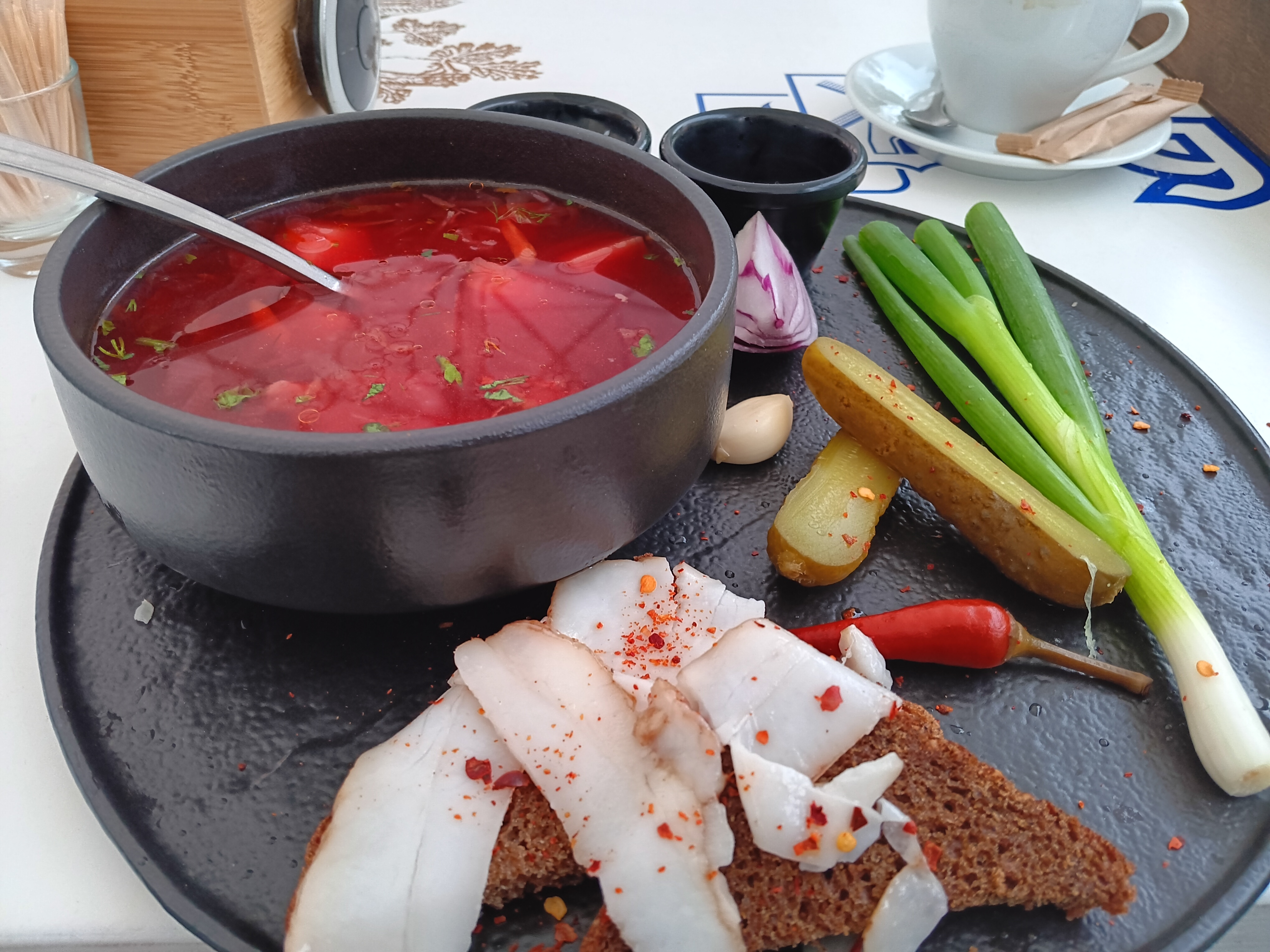
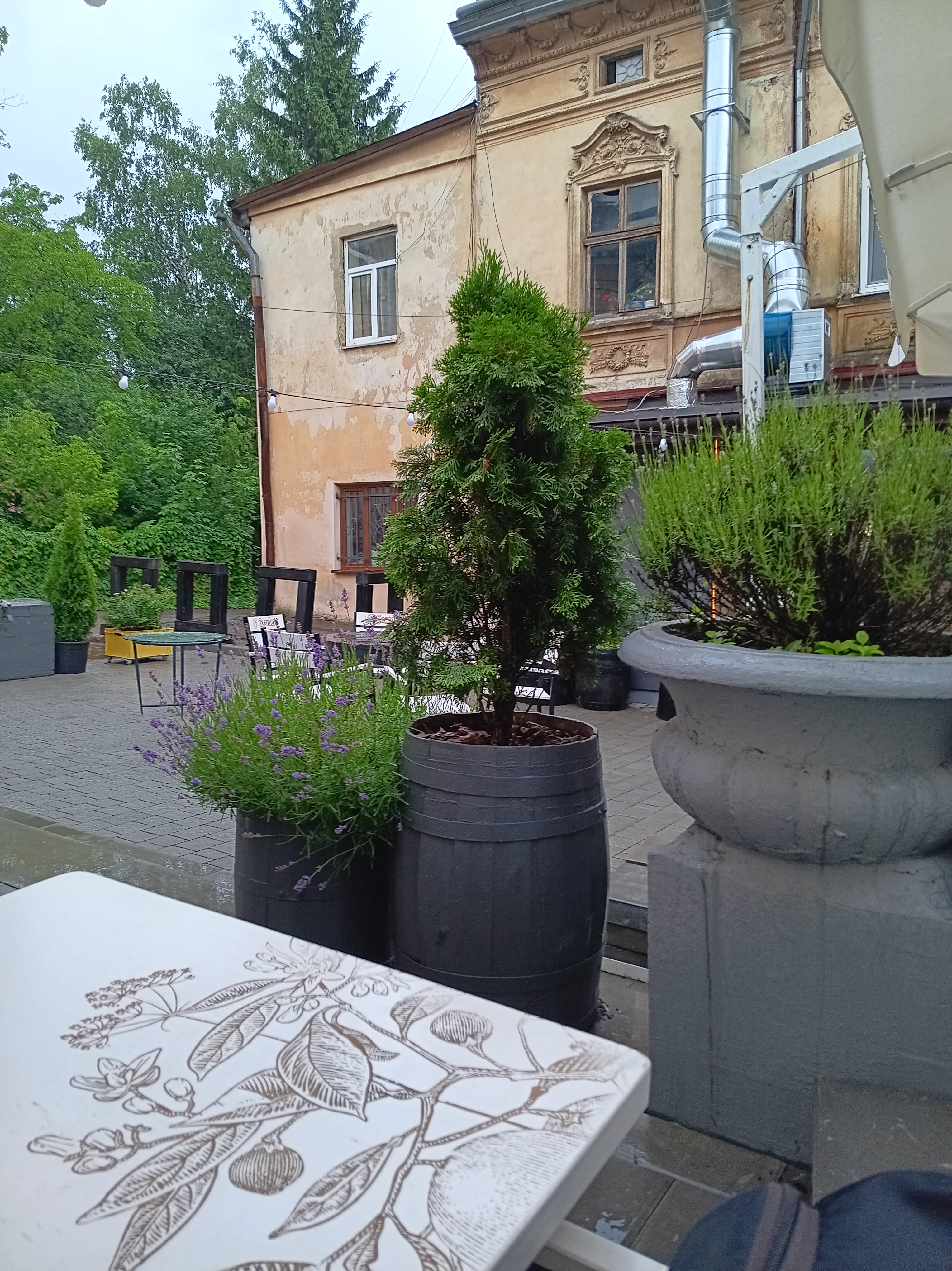
Rain moved me away from the shrine and its adjacent garden to seek shelter. I quickly found a restaurant with covered outdoor seating. My first meal since arriving in Ukraine was Borscht. Tiny rib bones with meat were in the soup, the pure white pork belly fat was on dark rye bread, and a shot of vodka came with it at the end. The presentation of the plate, too, reveals artful intent. The red onion, pepper, pickles, garlic, and scallion are all arranged carefully. Even the sprinkles of red chili flakes on the white fat are no accident and like a painting complement the red of the soup. The outstanding restaurant has a website, e.g., https://marinad-meat-bar.choiceqr.com/, as I just learnt 😉
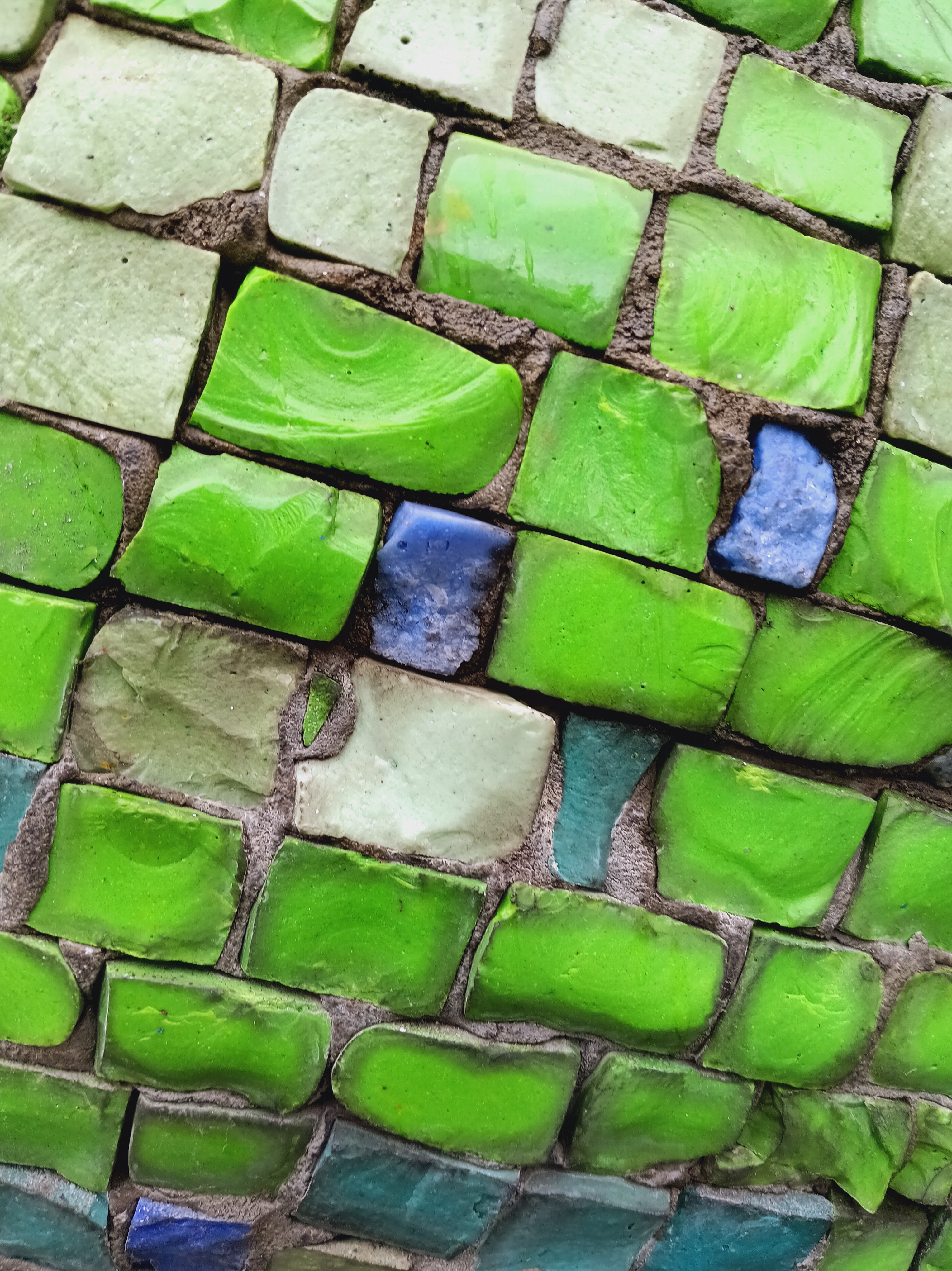
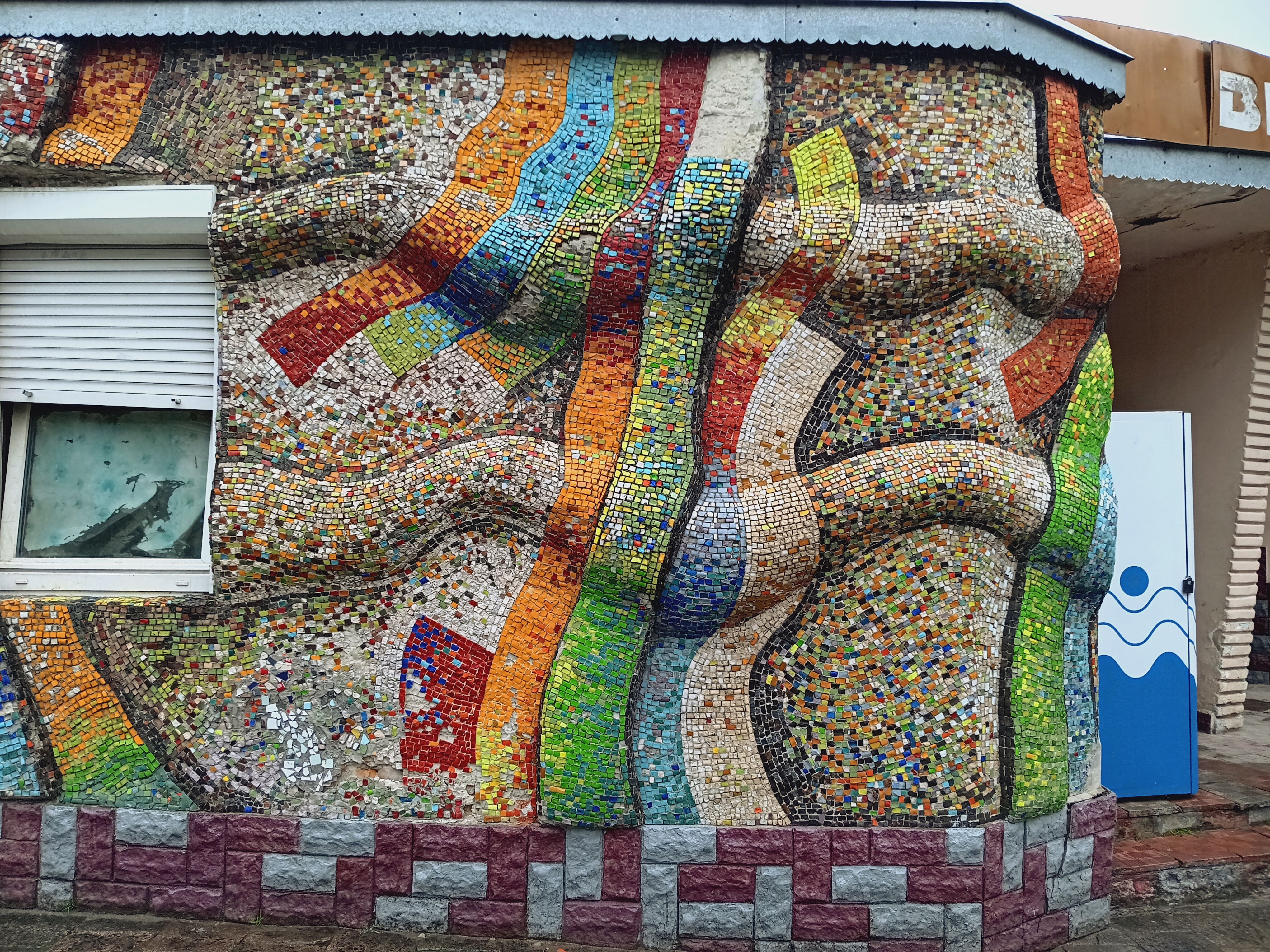
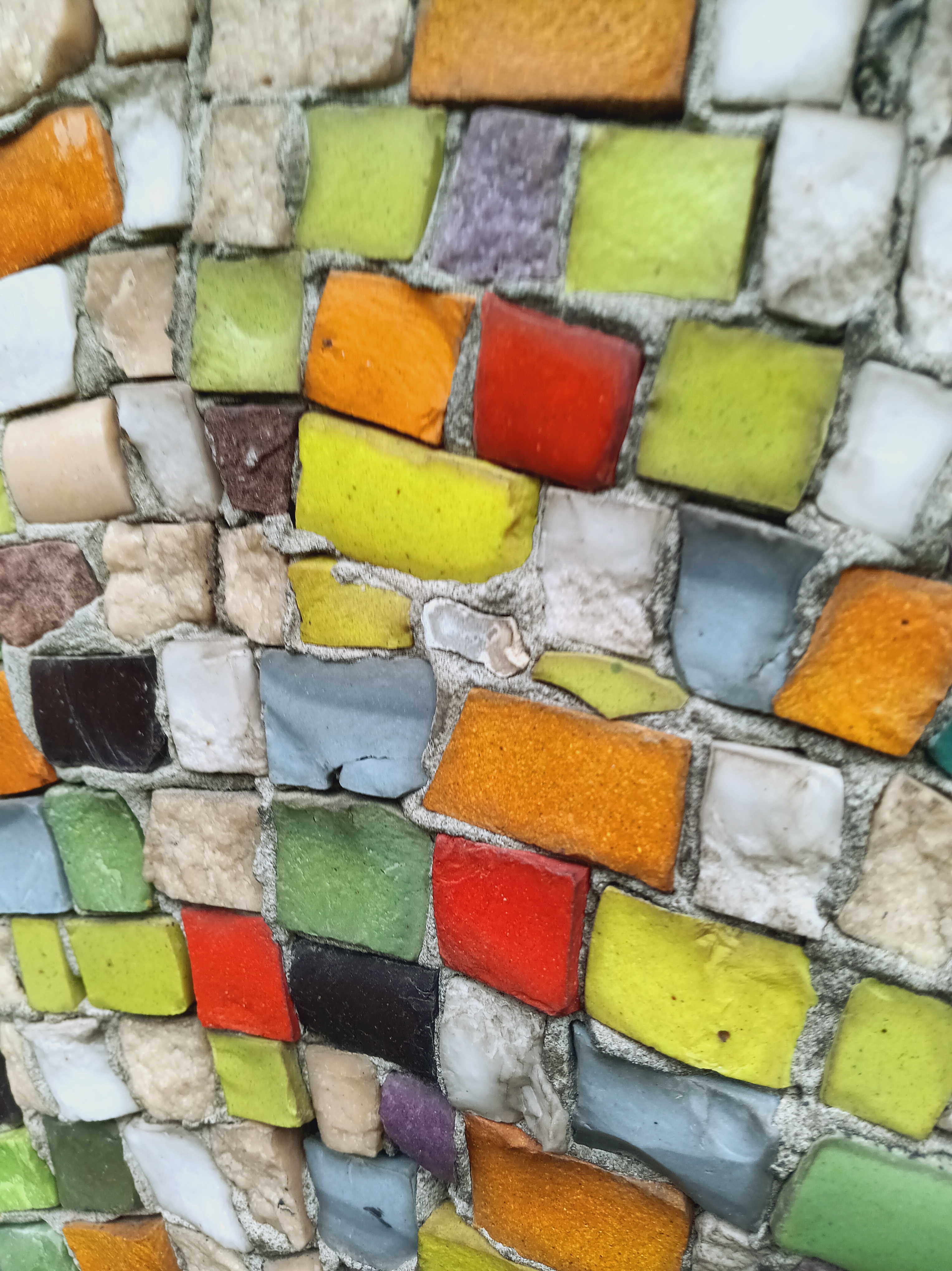
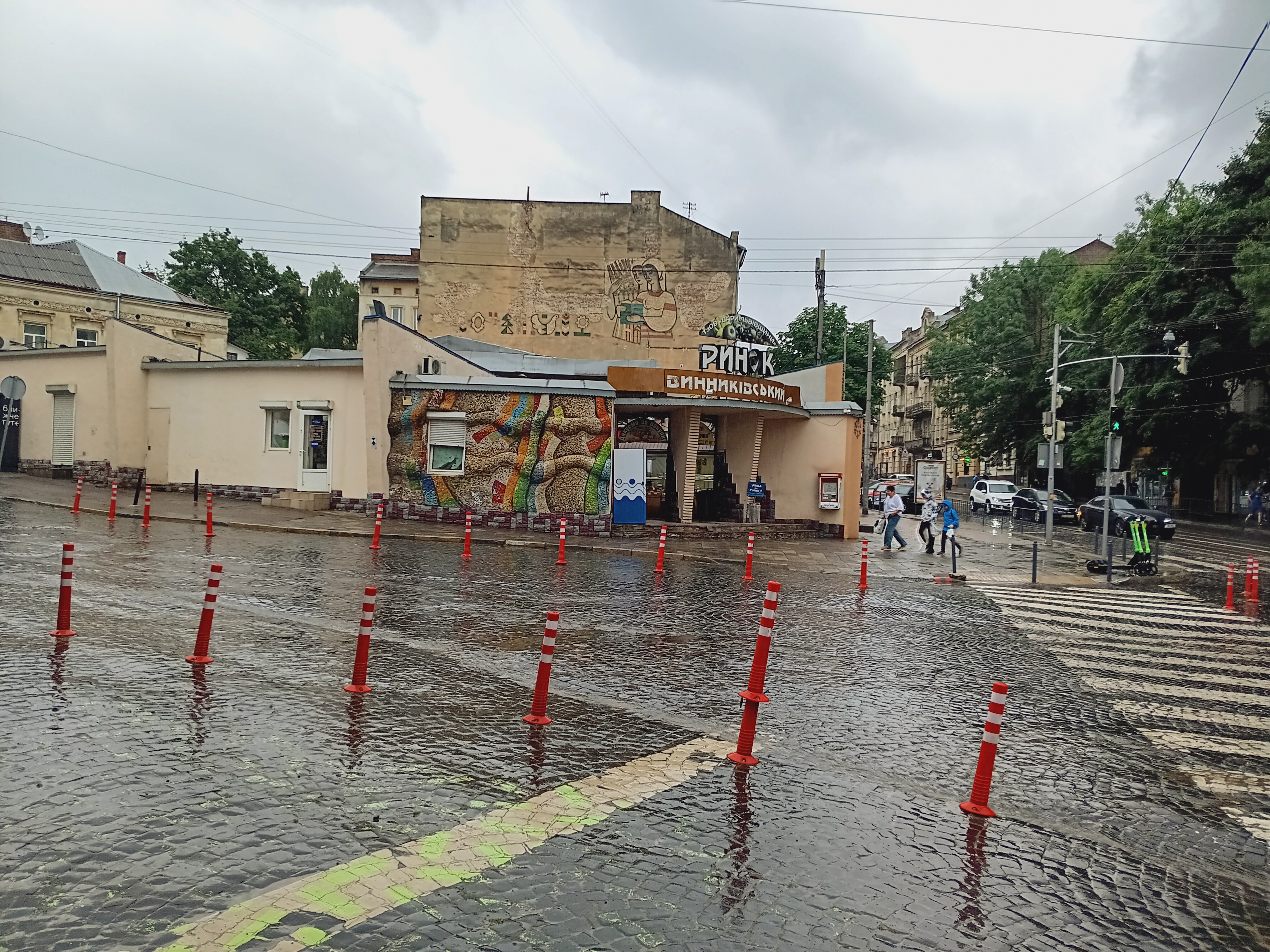
Talking about art in public places, I return to a mosaic sculpture at the farmer’s market. The market sits on a wide corner at the intersection of two large cobblestone streets. A tram line goes towards the shrine and the restaurant where I had my late lunch. A low wall encloses the fruit and vegetable stands inside and on one side this wall contains an exquisite mosaic of tiny colorful tiles. From afar colorful strands emerge that intersect and overlap smoothly without any color or strand dominating. Someone had to design this and someone had to put this together and I do not know who did this when, but I admire their love, care, and dedication to colorful and diverse cultures.
Notice also the mural on the wall above the market of the residential building. Two women tend to something and a line of symbols emerges along the base. Like most street art in Lviv, this one is not signed by the artist(s) either. I discern a peace dove and a sunflower … Again I only now notice this detail in the photo.
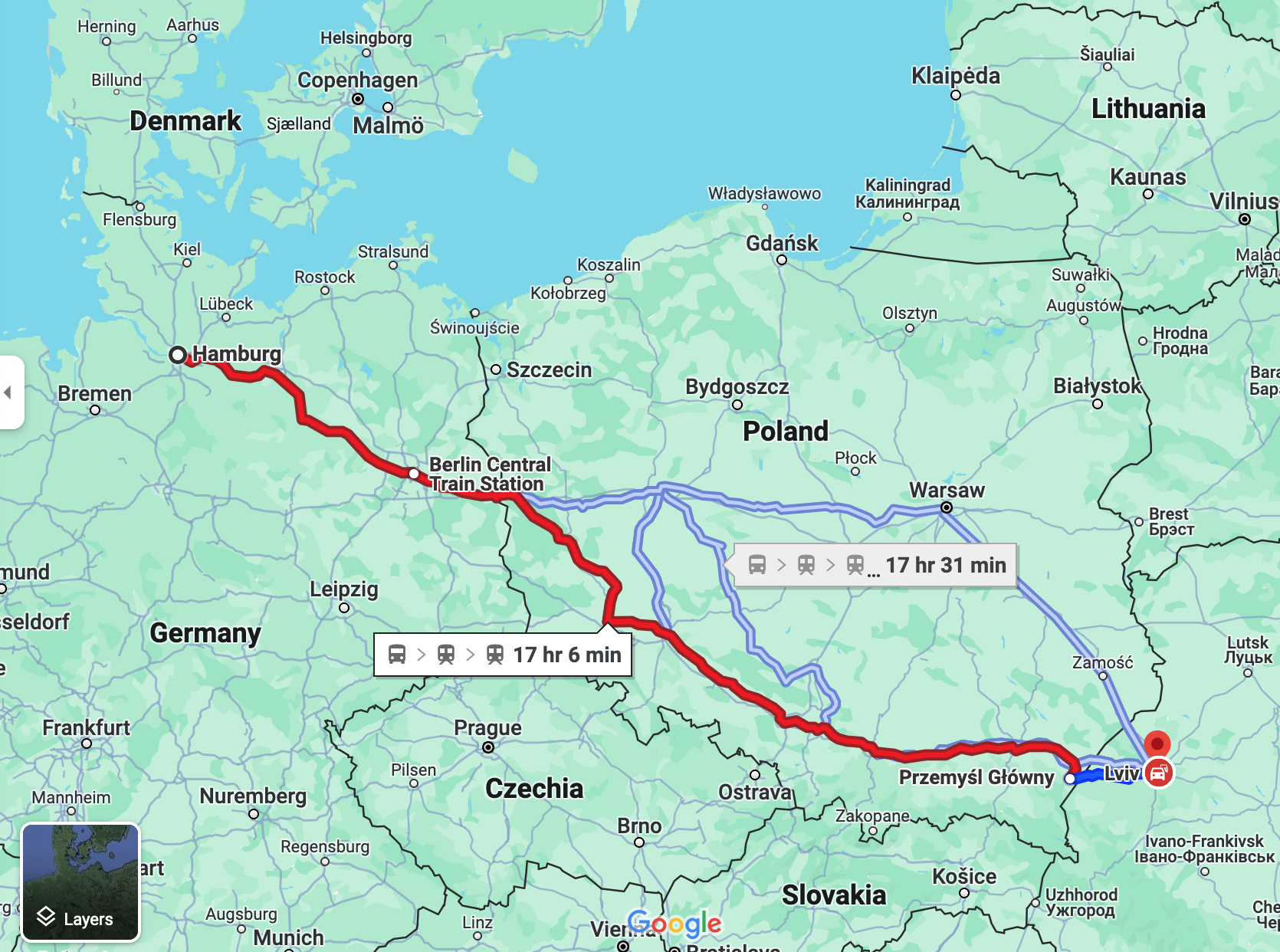
Lviv lies about 40 miles east of the Polish border in Ukraine. It is closer to peaceful Hamburg in Germany (1200 km) than it is to destroyed Mariupol in Ukraine (1250 km). Leaving Hamburg by train, I arrived 20 hours later in Lviv where I spent the next 7 days. As a scientist I planned to collect my own data to calibrate media reportings. I wanted to test second-hand opinions to perhaps revise them based on first-hand observations to better anticipate the future and my actions within it. How can I best support Ukraine in its current war with Russia?
The U.S. Department of State advises “Ukraine – Level 4: Do not travel” in dark red letters, because it is a country at war. I ignored this advice, but nevertheless registered details of my travel plans with the Smart Traveler Enrollment Program. I also followed my government’s advice on how to prepare for travel to high-risk areas such as making a notarized will and to communicate daily with my wife. I do the same when backpacking for 30 days in Yosemite, Adam Ansel, and John Muir Wilderness areas in California. Looking back, I believe that visiting Lviv is less dangerous than visiting Fordyce, Arkansas (population 3,400). Death by random shooting in this town is about 1 person killed for every 1000 residents as of yesterday. In Lviv death by random Russian missile is about 1 person killed for every 100,000 residents. The last Russian missile hit Lviv (population 700,000) a year ago and killed 7 people. Air defences, too, have improved the last 12 month thanks to Norwegian, U.S., and German systems.
My voyage to eastern and across central Europe brought me into spaces that were violently contested during the last 1000 years. Recall that the current border between Poland and Ukraine was drawn in 1939 when Adolf Hitler of Germany and Joseph Stalin of the Soviet Union divided Poland (as well as Finland, Estonia, Latvia, and Lithuania) a mere 10 days before World War Two. The Yale historian Timothy Snyder calls these lands “Bloodlands” where the totalitarian regimes of Germany and the Soviet Union killed between 10 and 20 Million women, children, and men from 1933 to 1945. My father was born 1934 and my family celebrated his 90th birthday the weekend before I left for Lviv.
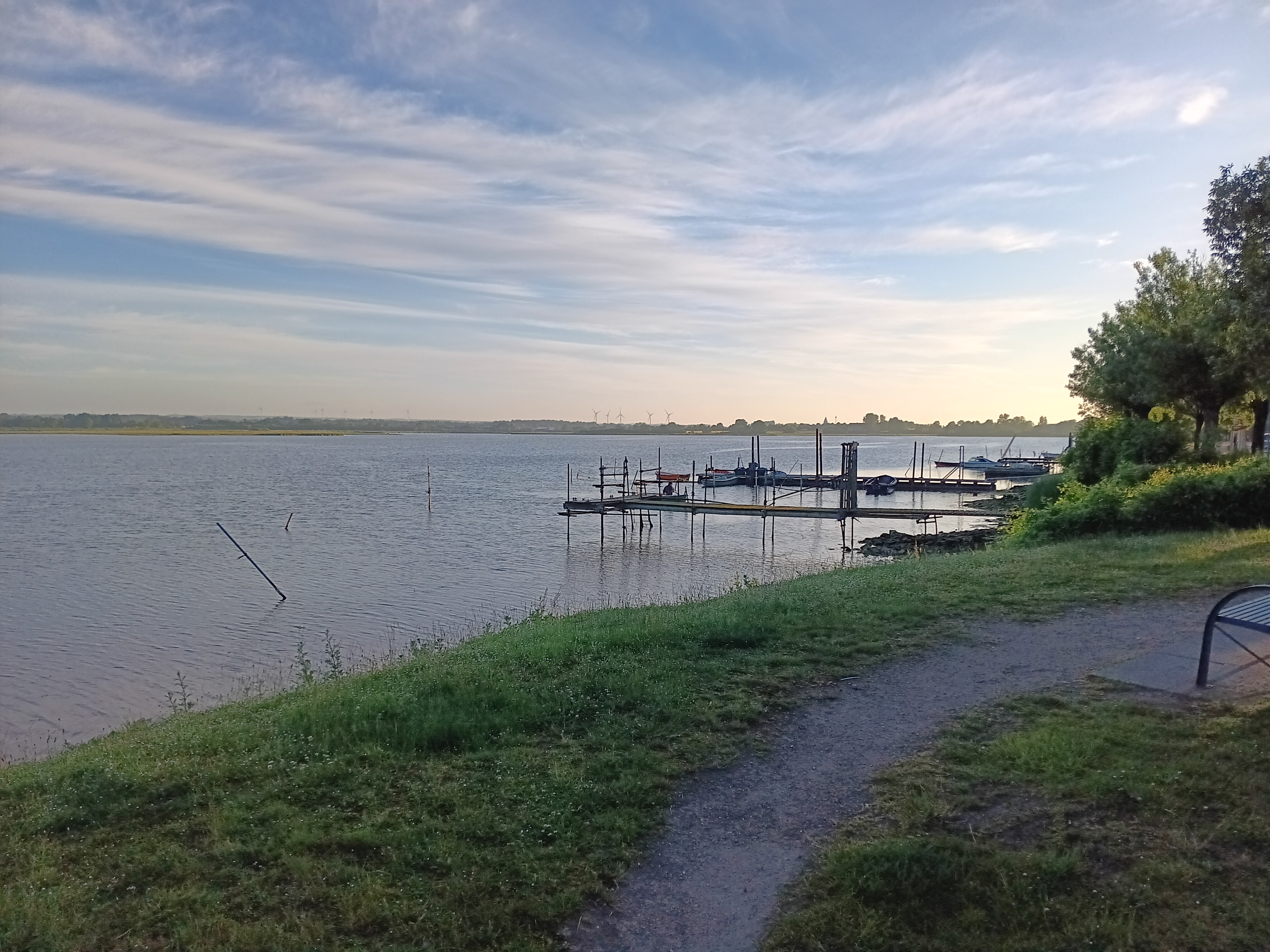
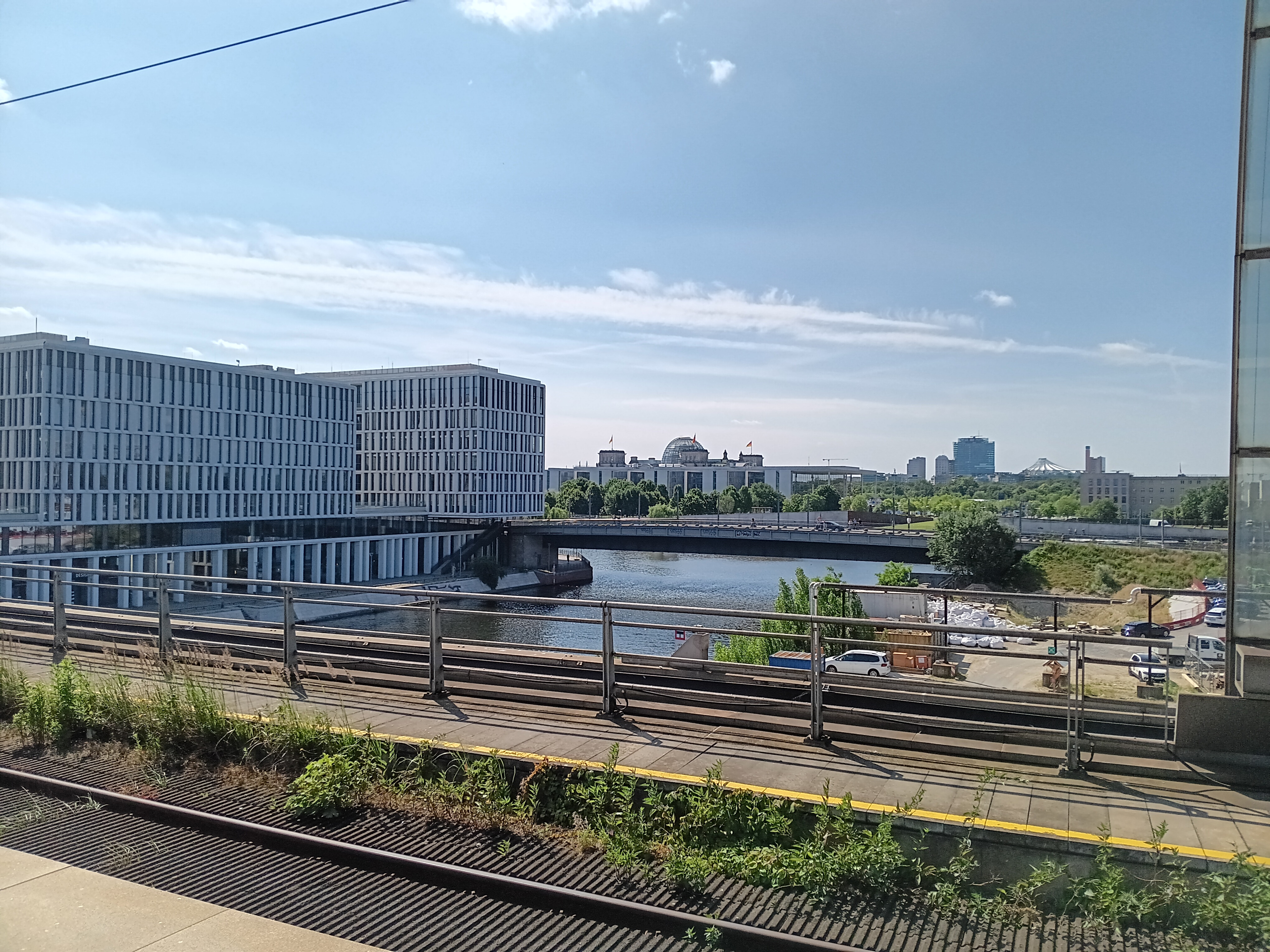
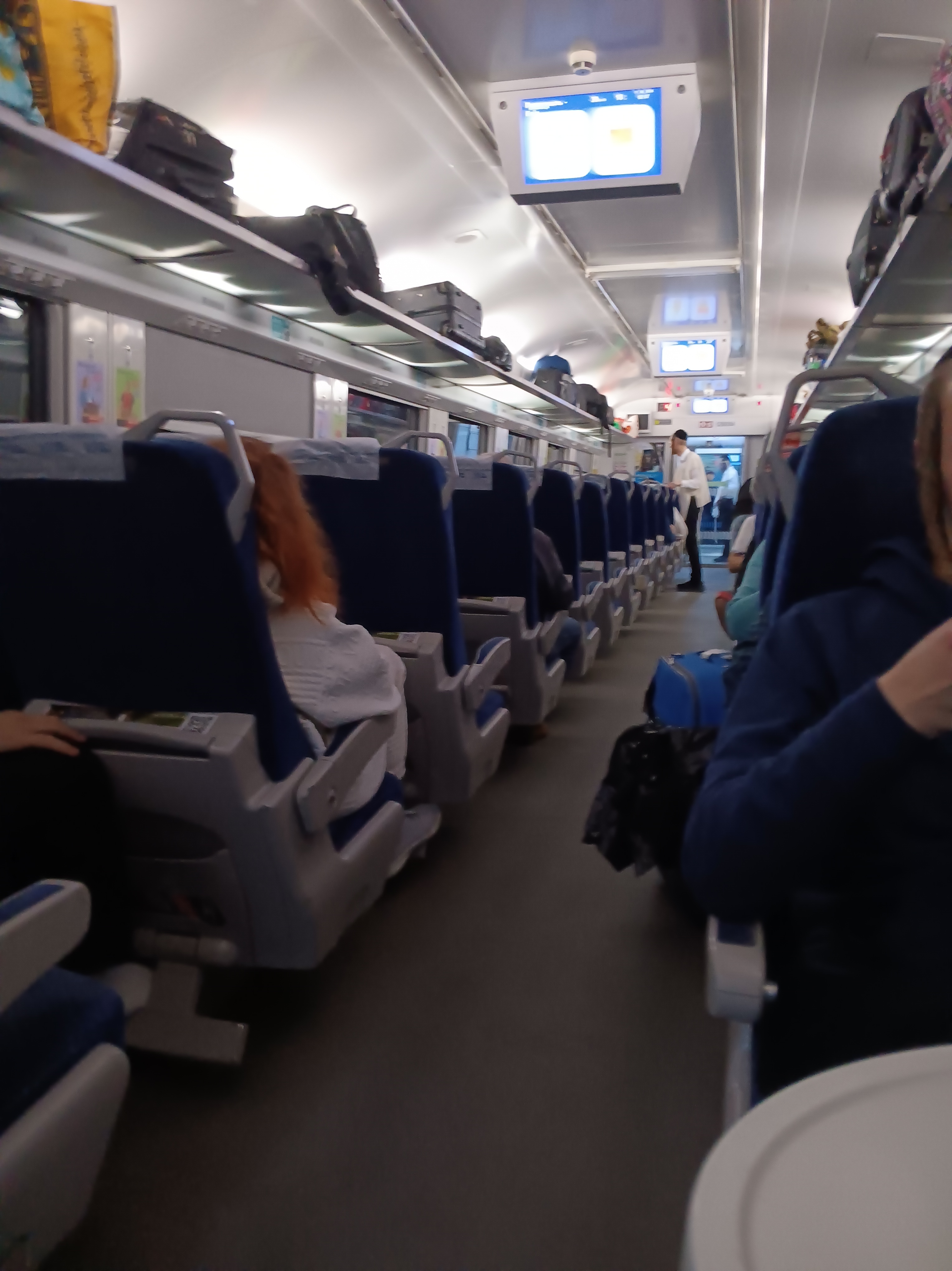
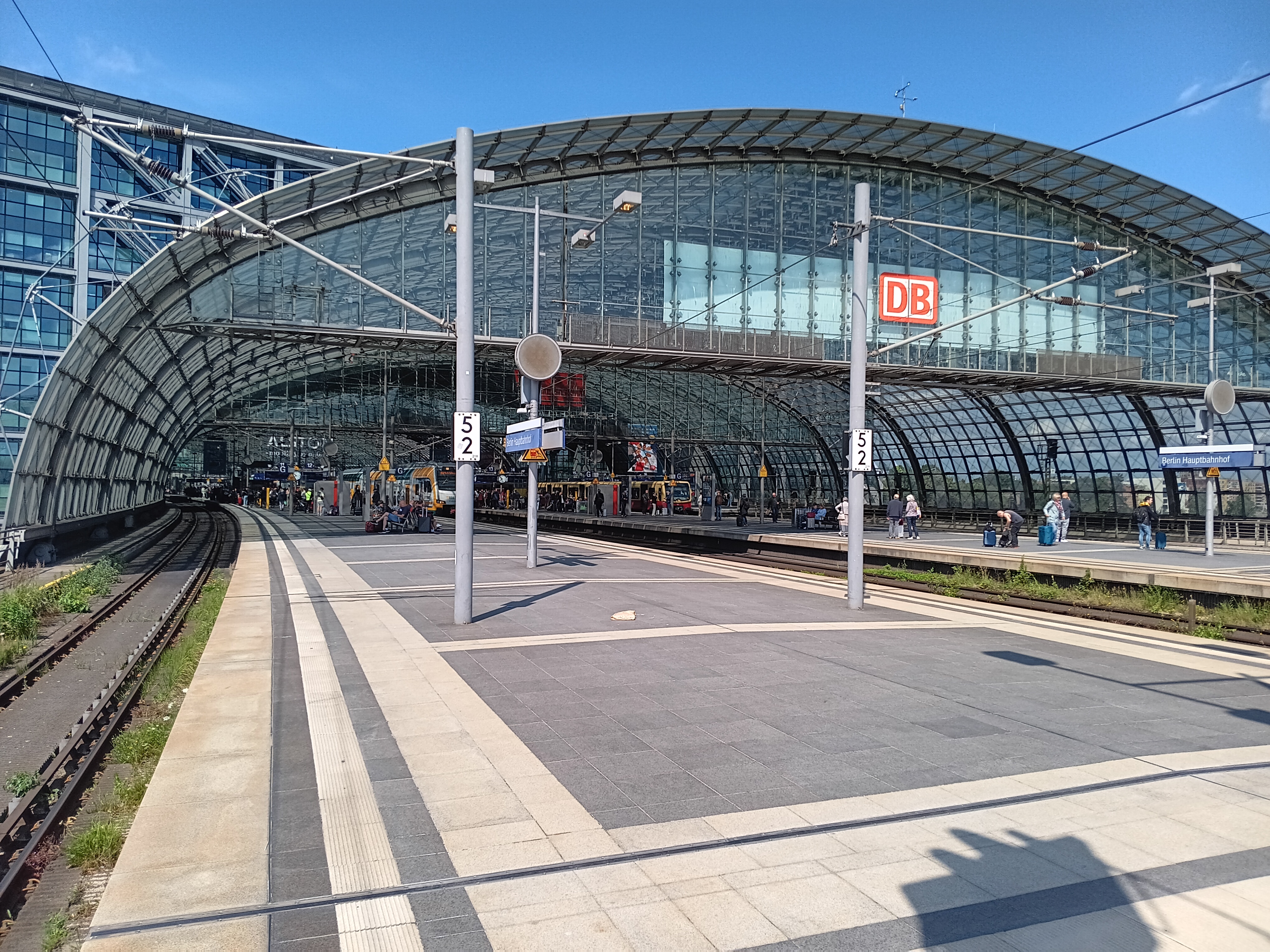
My voyage started at my parents home in Neustadt on the western edge of the Baltic Sea at 6 am. A first train got me to the old Hanseatic town of Luebeck, a second train to Hamburg, and a third train to Berlin. Here I bought the missing train ticket #5 from Przemysl in Poland to Lviv in Ukraine before boarding train #4 from Berlin to Przemysl. My reserved seat for the next 10 hours placed me opposite to a young Ukrainian artist traveling home to Kyiv. Along the way she introduced me to Lviv where she had lived in a prior life. Her pointers of Lviv places to visit, eat, and walk provided me with major initial reference points. As she had crossed the border into Ukraine many times before, we went for a evening stroll in Przemysl and found a busy beer-garden where we had a beer and gin tonic. Despite this “delay,” we still had to wait for 3 hours to be allowed on the next train that was 2 hours late. A large group of perhaps 20 Orthodox Jewish men with U.S. passports were waiting as well. I asked one of them what language they were speaking and he replied “Jiddish.” Bente Kahan’s music from her album “Farewell Cracow” was on my mind even more now than it was prior to this voyage. Once this last train left Poland just before midnight, the mood became somber.
Ukrainian border guards checked passports on the train while different heavily armed military personel counted the number of passengers at least 3 times independently of each other. It was pitch dark outside without any lights visible anywhere. The train, too, had lights dimmed. After a very short 45 minutes the train to Kyiv made its first stop in Lviv and I got off.
It was about 3:30 am local time and I had no idea how to get the 2 miles from the train station to my bed. During the general curfew from midnight to 5 am all public transportation stops. Nobody at Lviv’s station spoke English and I could not read the cyrillic signs. So I stumbled along dead tired hoping, first, that my GPS would lead the way and, second, police enforcing the curfew may be sympathetic towards a tired and lost American tourist.
Sun light came out when I arrived in my small appartment at 4 am. The Wifi worked flawlessly and I called my wife via WhatsApp. It was only 9 pm in Delaware and we talked for an hour on what had happened this long day. Then I let my Ukrainian AirBnB host, Olya, know that I had arrived:
Olya: Everything went well. A person found me at the train station. He did not speak English, but I had pen and paper prepared as well as lat/lon of your place on my GPS that I use for hiking in the woods. He followed my direction and got me within 200 m. The rest was easy including the hour-long WhatsApp phone call with my wife from inside your appartment using your Wifi. It “only” took me 22 hours total door-to-door, so I will now head for some sleep … which is hard, because it is light outside, curfew is over, and I already saw so many cool stuff in the dark that I want to head outside to explore more, but my wife told me to sleep a few hours and wise man is one who listens to his wife … or so i am told by wiser men than myself. ~Andreas
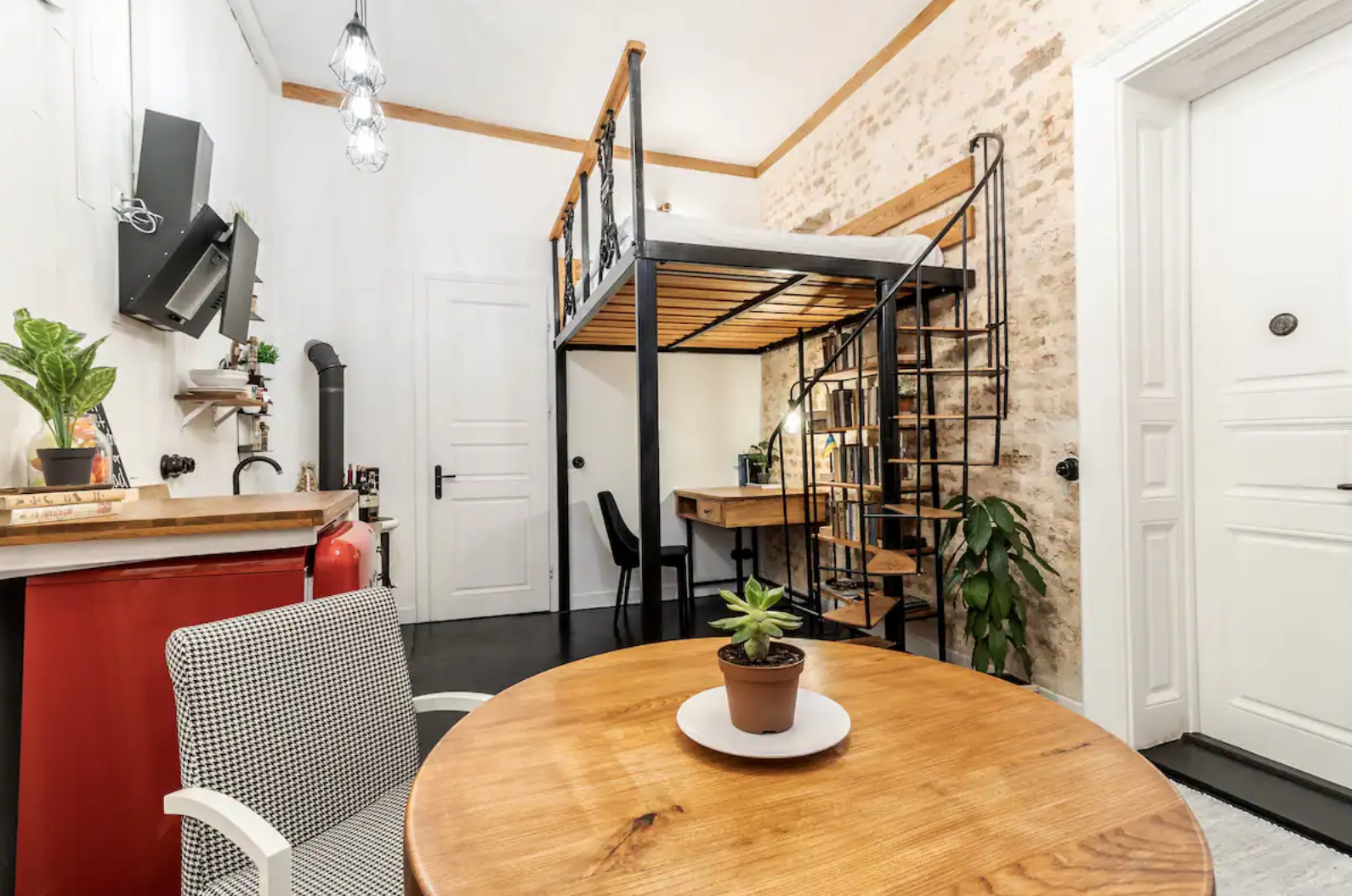
I was writing the above lines with this view of the bed, desk, fridge (red), and the door to the bathroom, shower, washing machine and dryer. The entrance is the door on the right. This was my home away from home for the next 7 days where I rested after long walks to explore Lviv, its culture, history, public life, and people. The internet speeds in Lviv were faster than those in either Germany or at home in Delaware.
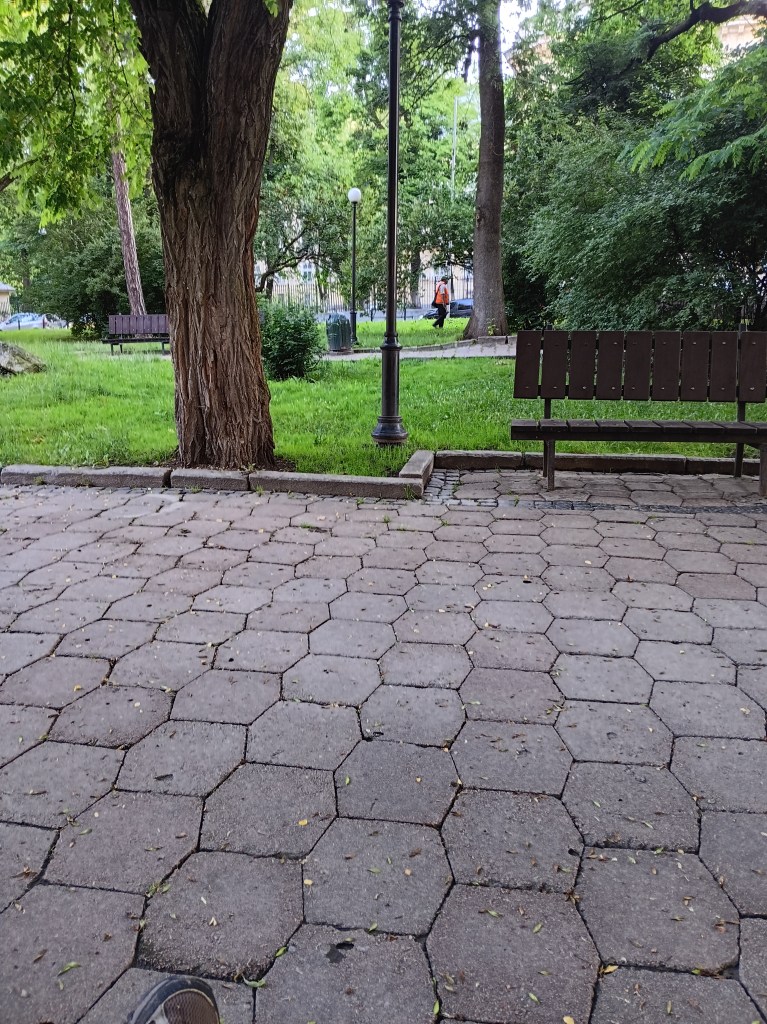
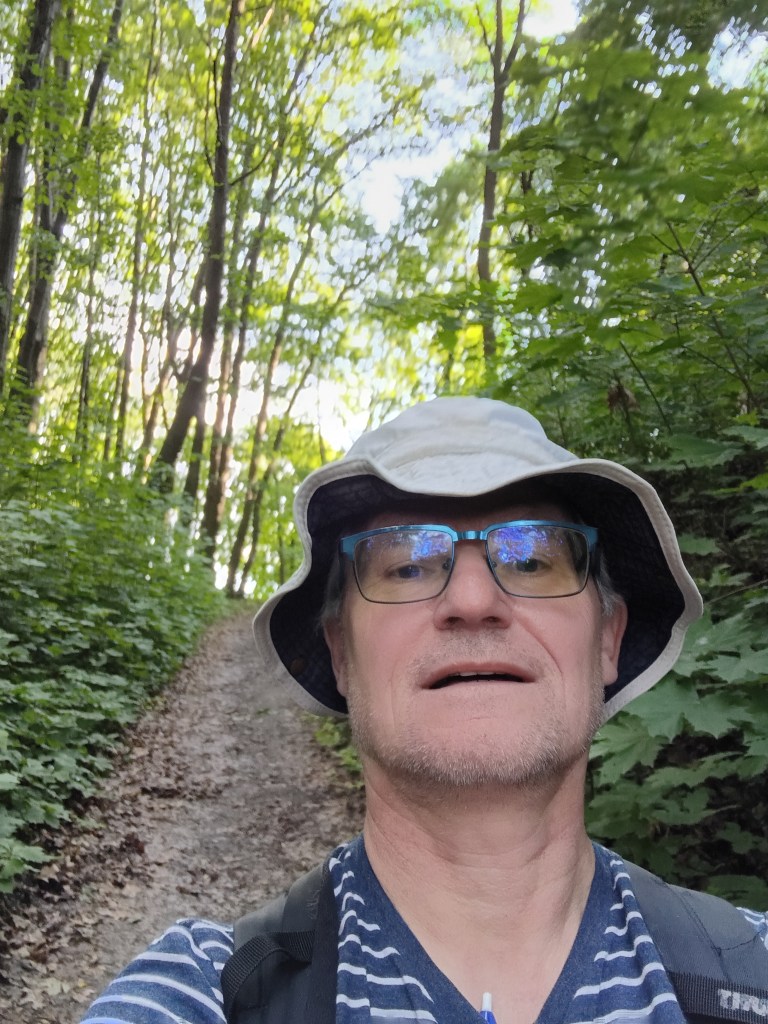
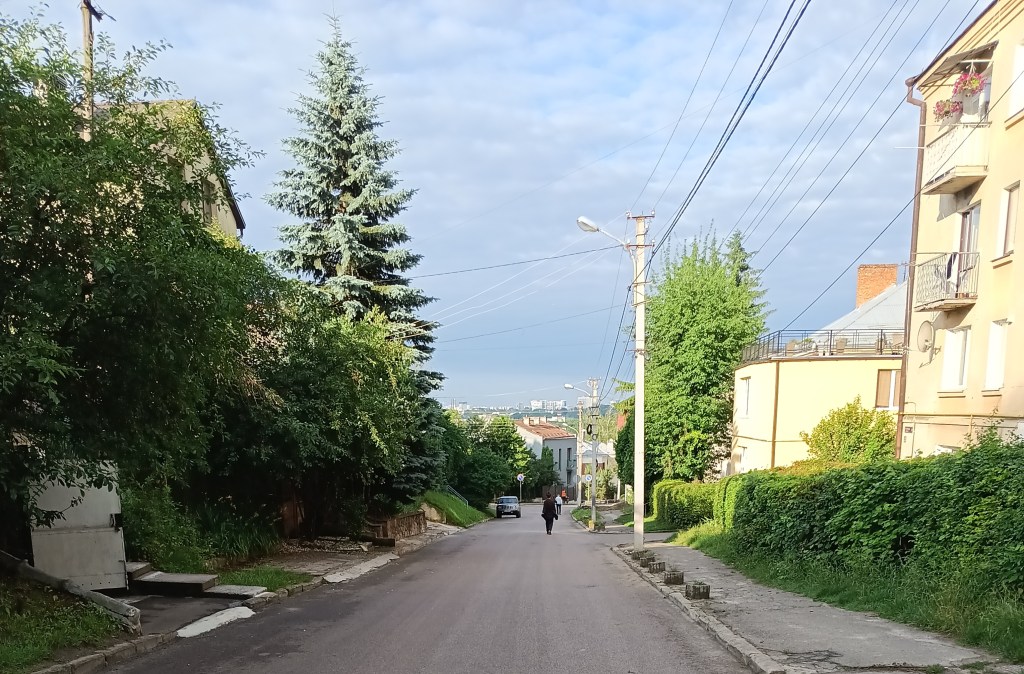
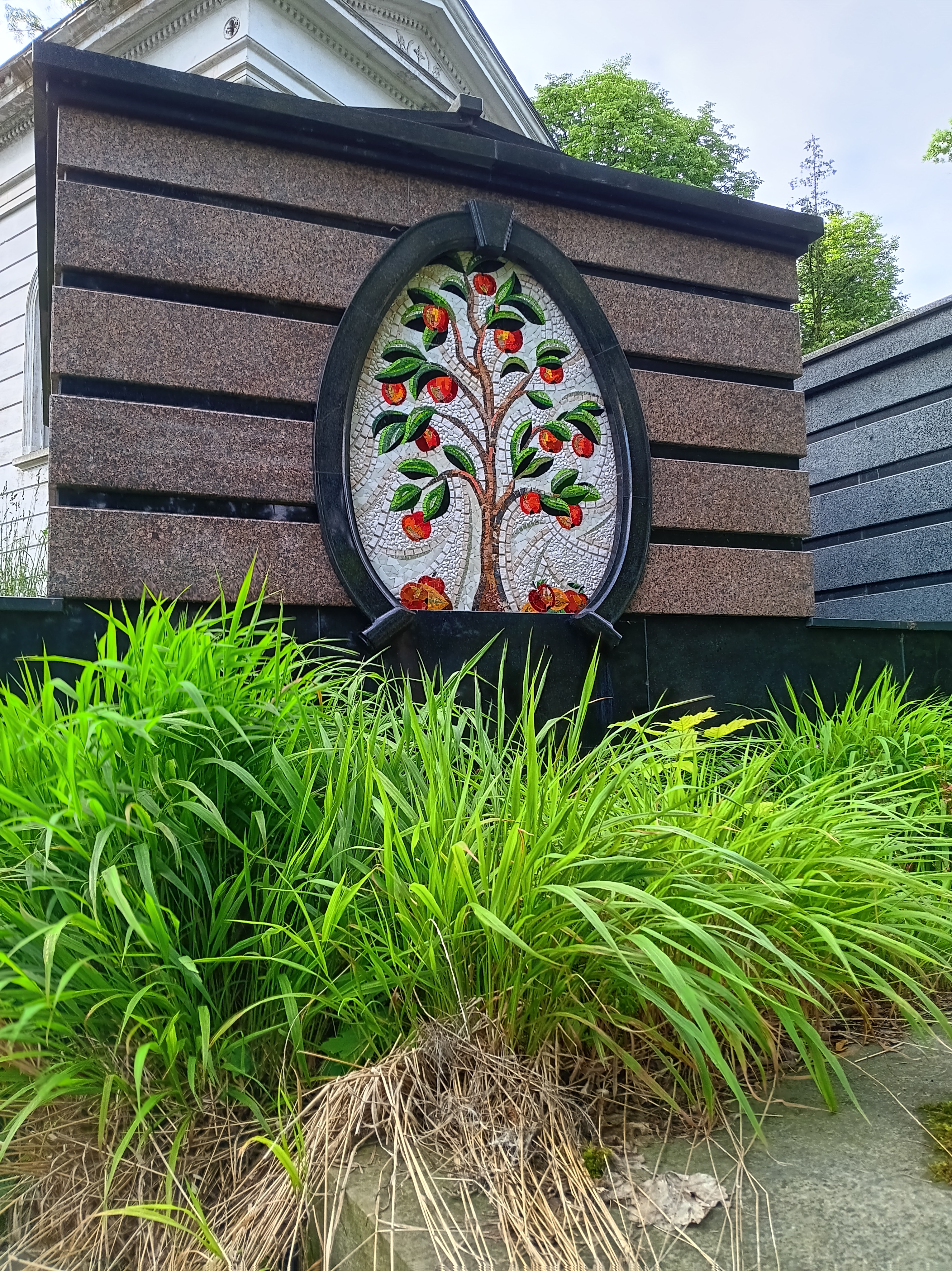
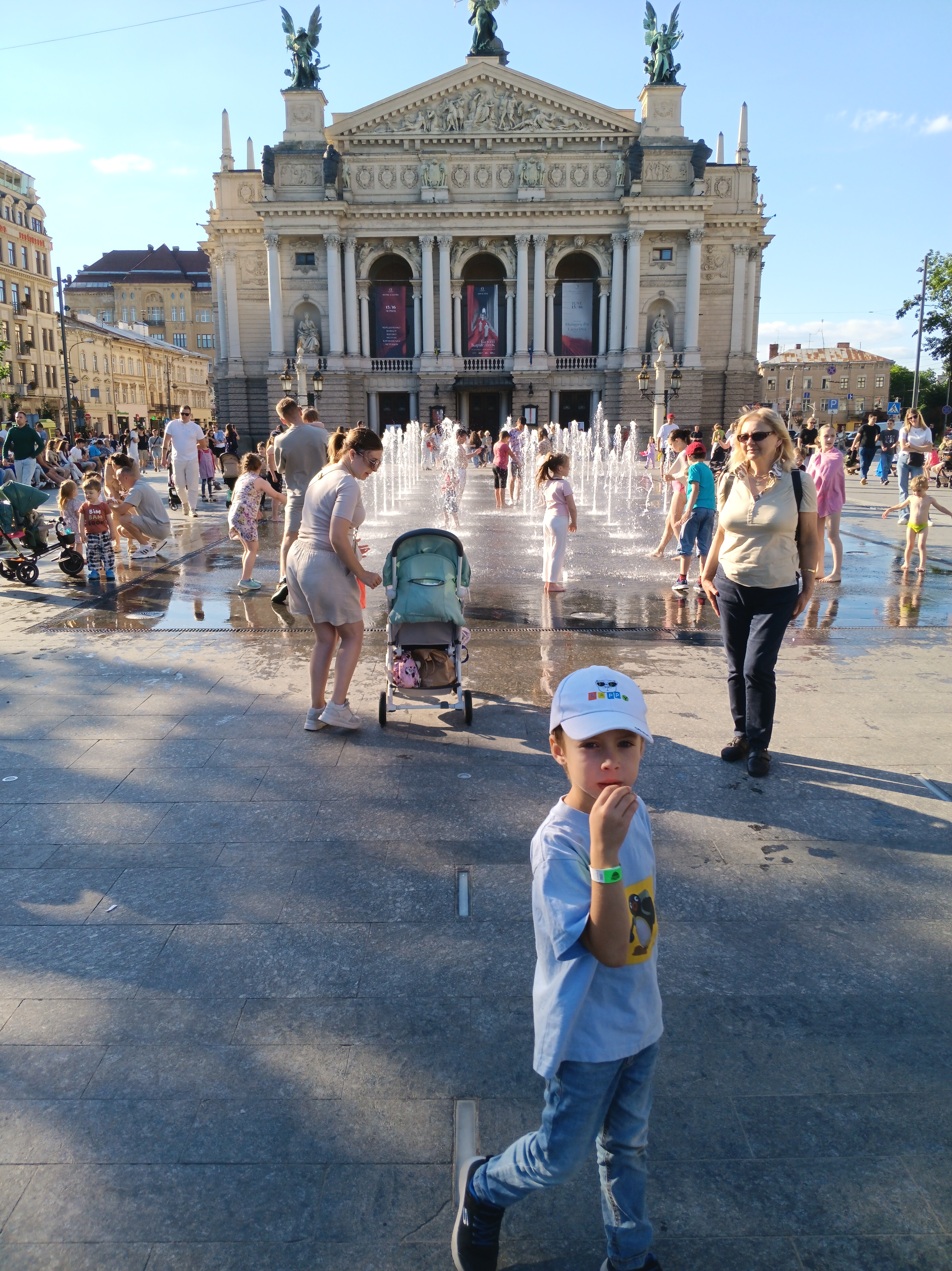
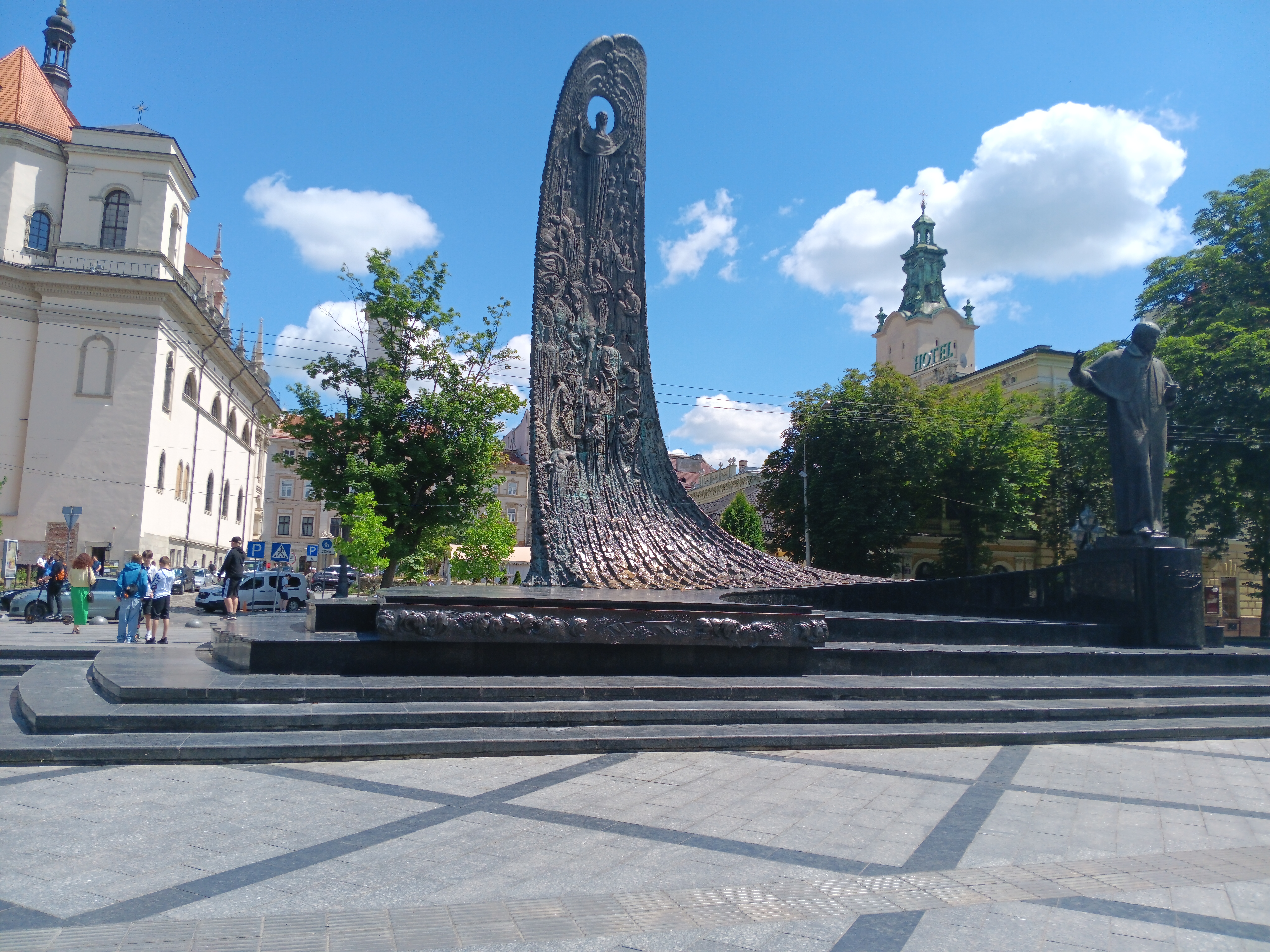
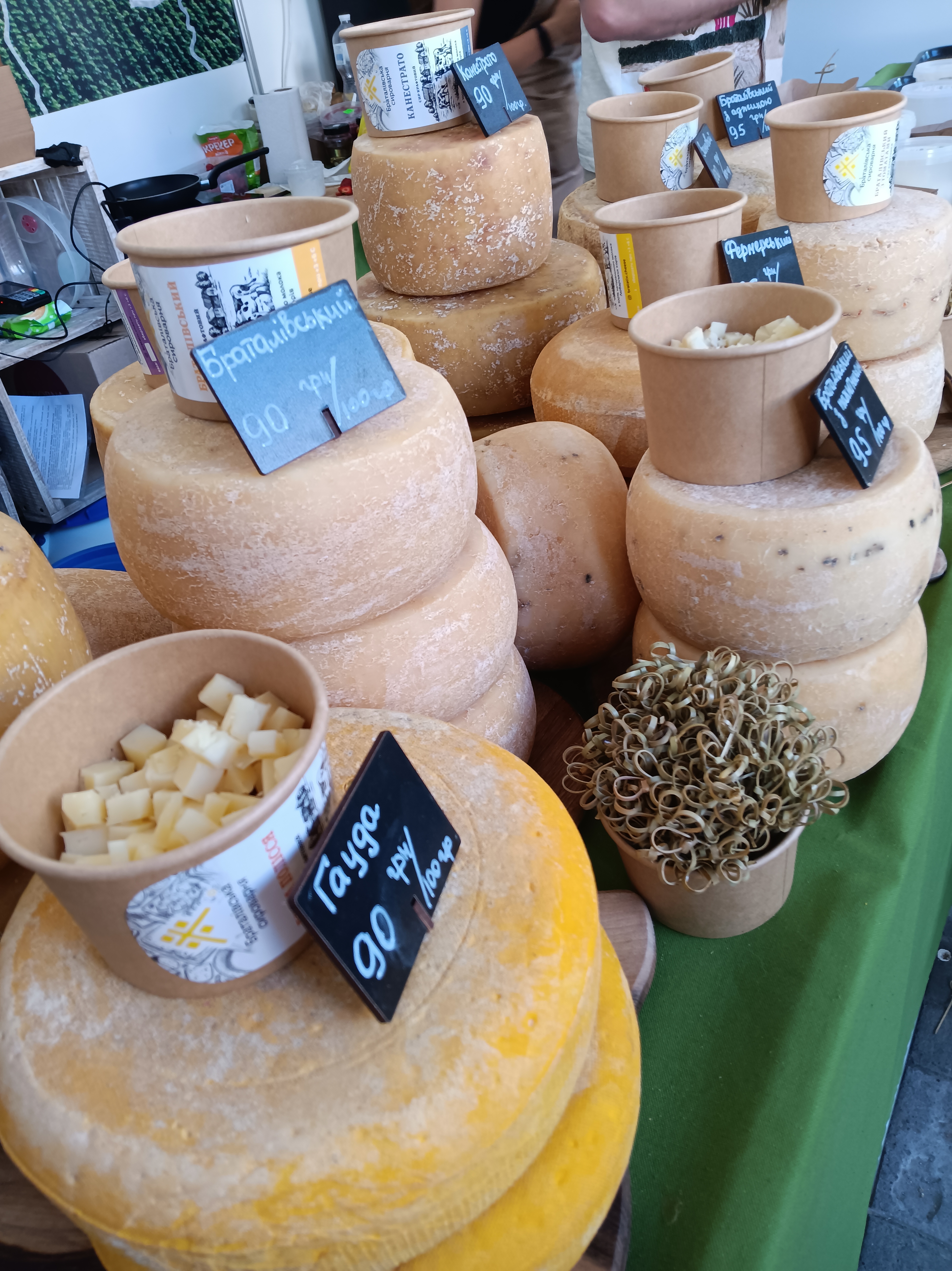
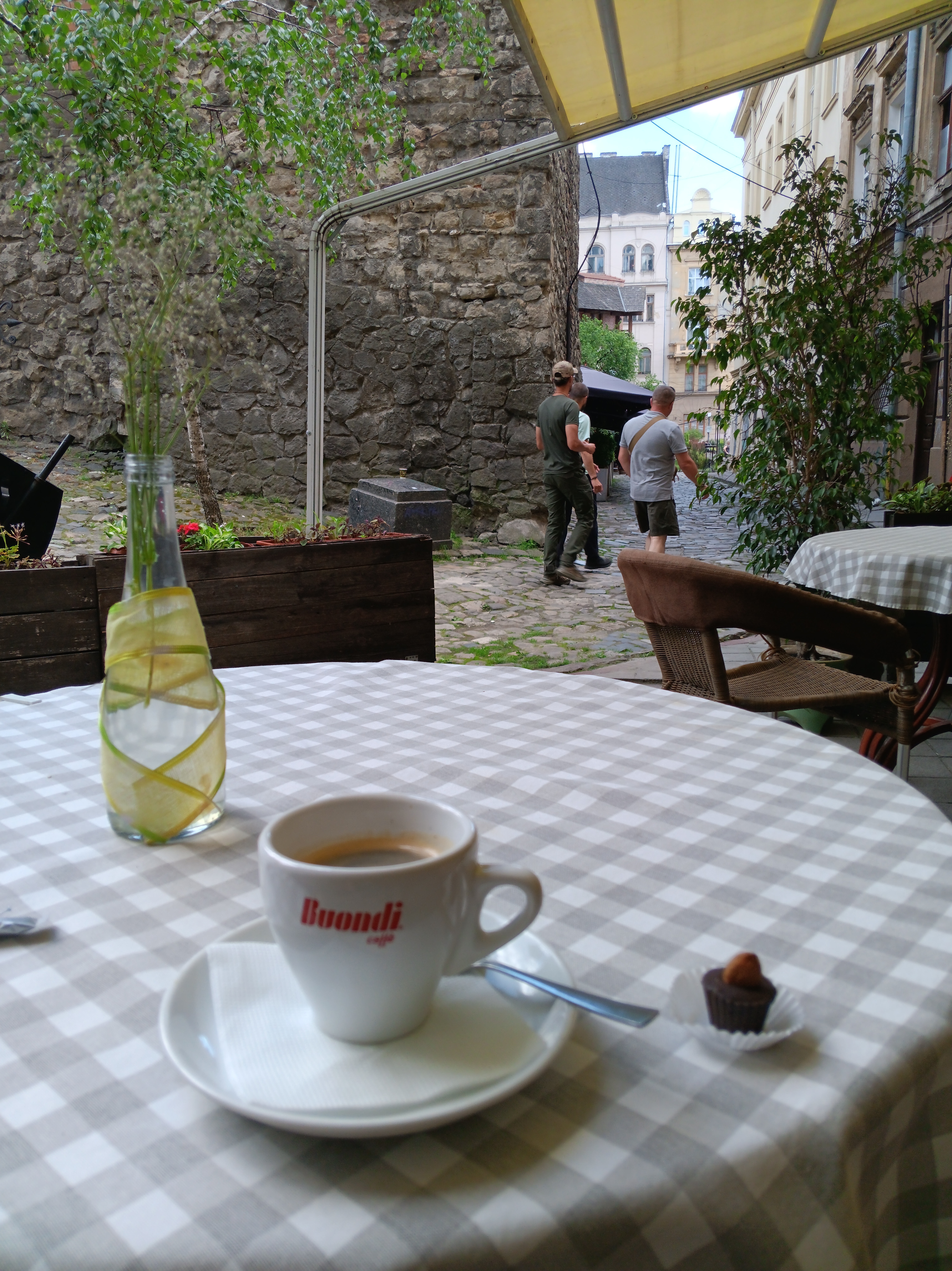
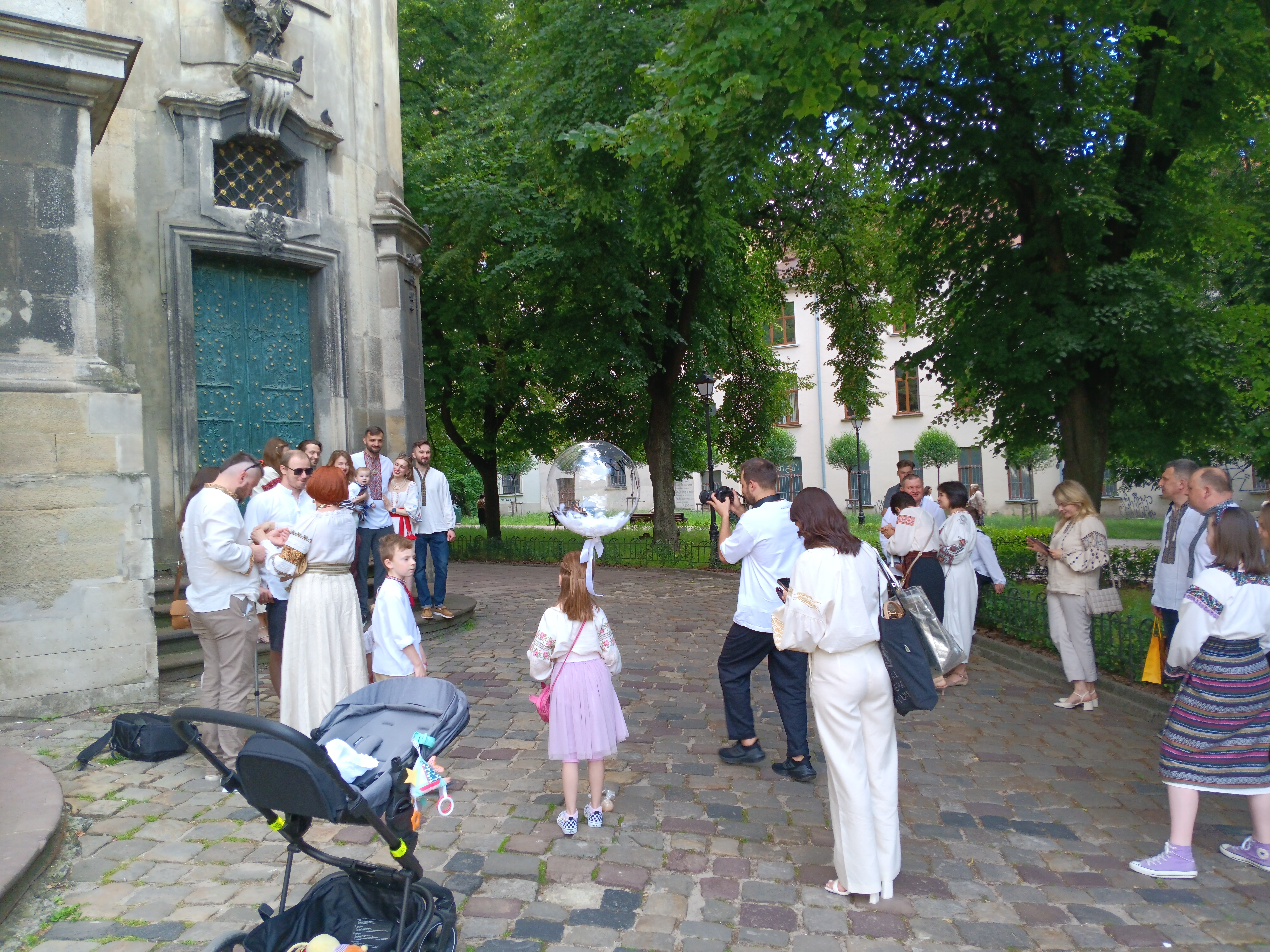
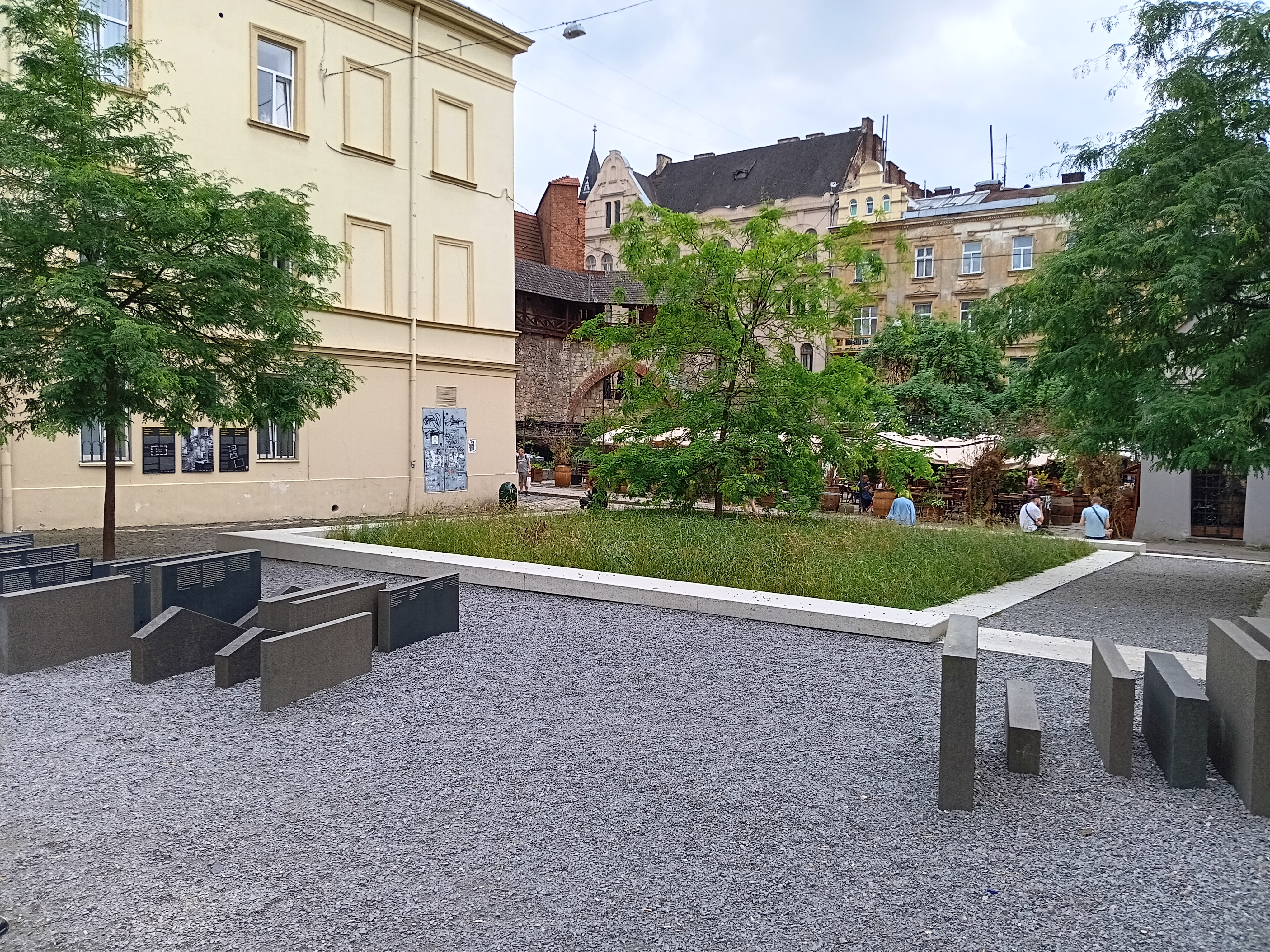
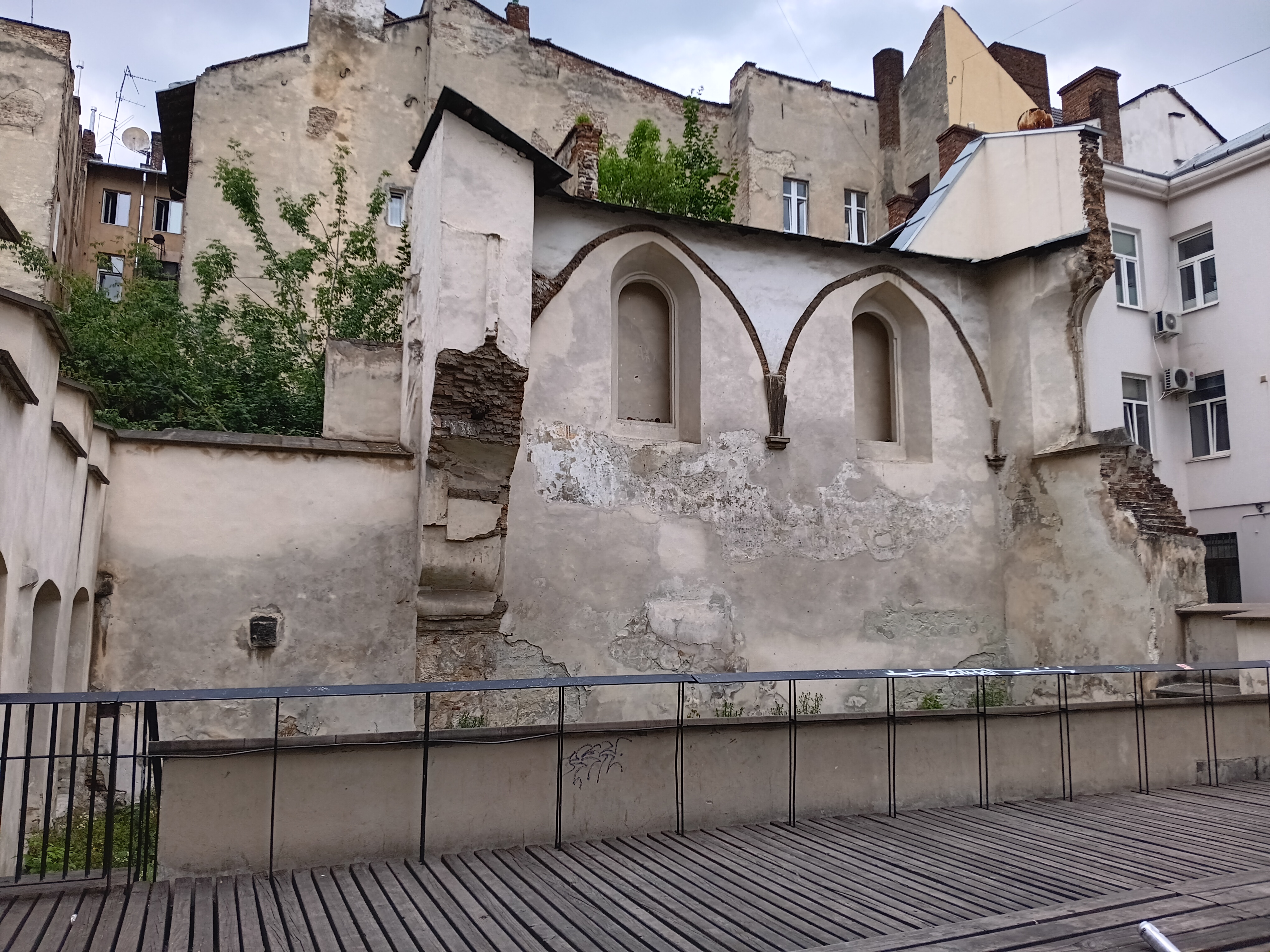
As a teaser for my next post I show the first three photos that I took the next morning after 4 hours of sleep within 5 minutes walking from my bed in Lviv.




 Icy Seas