
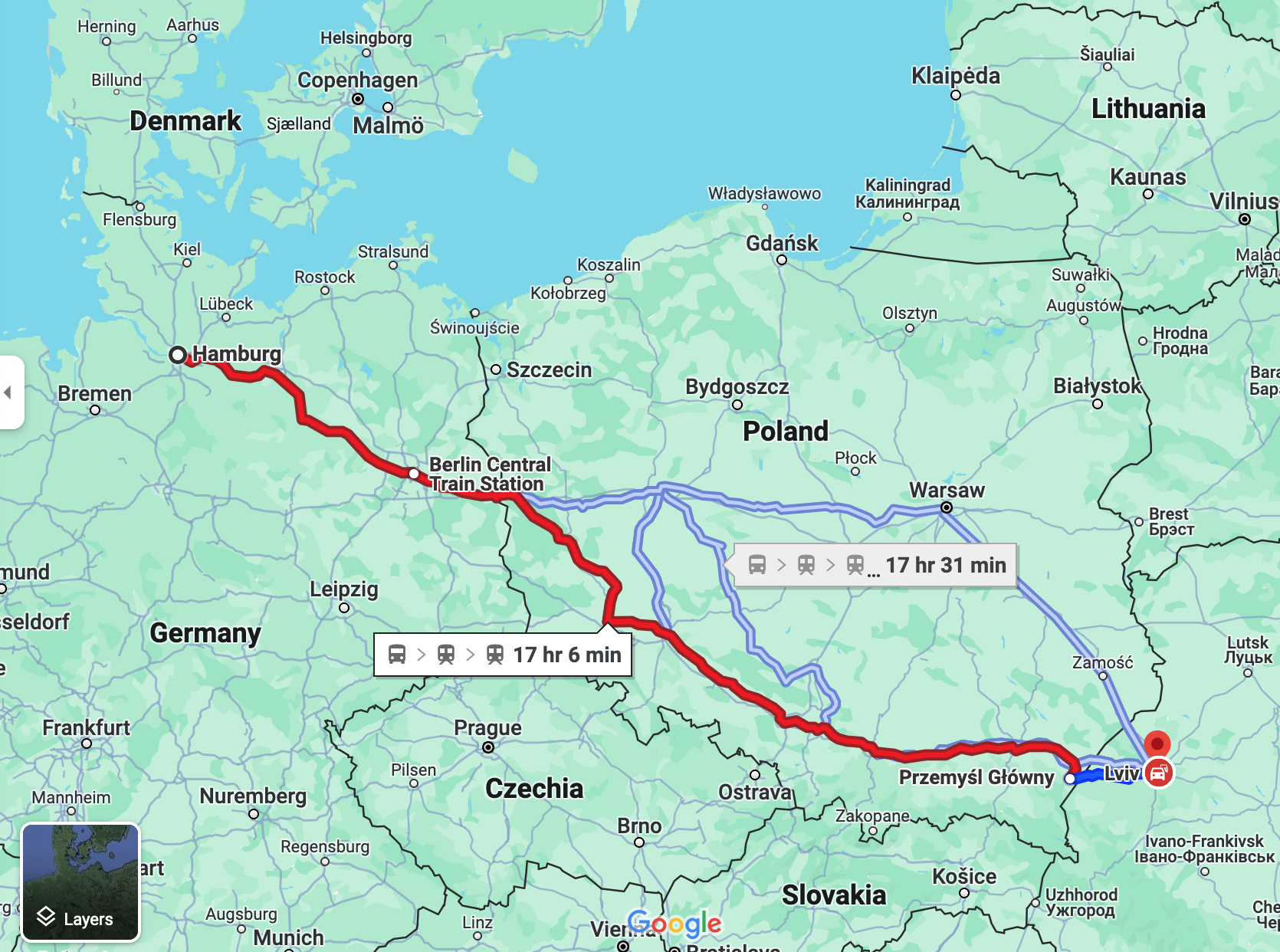
Lviv lies about 40 miles east of the Polish border in Ukraine. It is closer to peaceful Hamburg in Germany (1200 km) than it is to destroyed Mariupol in Ukraine (1250 km). Leaving Hamburg by train, I arrived 20 hours later in Lviv where I spent the next 7 days. As a scientist I planned to collect my own data to calibrate media reportings. I wanted to test second-hand opinions to perhaps revise them based on first-hand observations to better anticipate the future and my actions within it. How can I best support Ukraine in its current war with Russia?
The U.S. Department of State advises “Ukraine – Level 4: Do not travel” in dark red letters, because it is a country at war. I ignored this advice, but nevertheless registered details of my travel plans with the Smart Traveler Enrollment Program. I also followed my government’s advice on how to prepare for travel to high-risk areas such as making a notarized will and to communicate daily with my wife. I do the same when backpacking for 30 days in Yosemite, Adam Ansel, and John Muir Wilderness areas in California. Looking back, I believe that visiting Lviv is less dangerous than visiting Fordyce, Arkansas (population 3,400). Death by random shooting in this town is about 1 person killed for every 1000 residents as of yesterday. In Lviv death by random Russian missile is about 1 person killed for every 100,000 residents. The last Russian missile hit Lviv (population 700,000) a year ago and killed 7 people. Air defences, too, have improved the last 12 month thanks to Norwegian, U.S., and German systems.
My voyage to eastern and across central Europe brought me into spaces that were violently contested during the last 1000 years. Recall that the current border between Poland and Ukraine was drawn in 1939 when Adolf Hitler of Germany and Joseph Stalin of the Soviet Union divided Poland (as well as Finland, Estonia, Latvia, and Lithuania) a mere 10 days before World War Two. The Yale historian Timothy Snyder calls these lands “Bloodlands” where the totalitarian regimes of Germany and the Soviet Union killed between 10 and 20 Million women, children, and men from 1933 to 1945. My father was born 1934 and my family celebrated his 90th birthday the weekend before I left for Lviv.
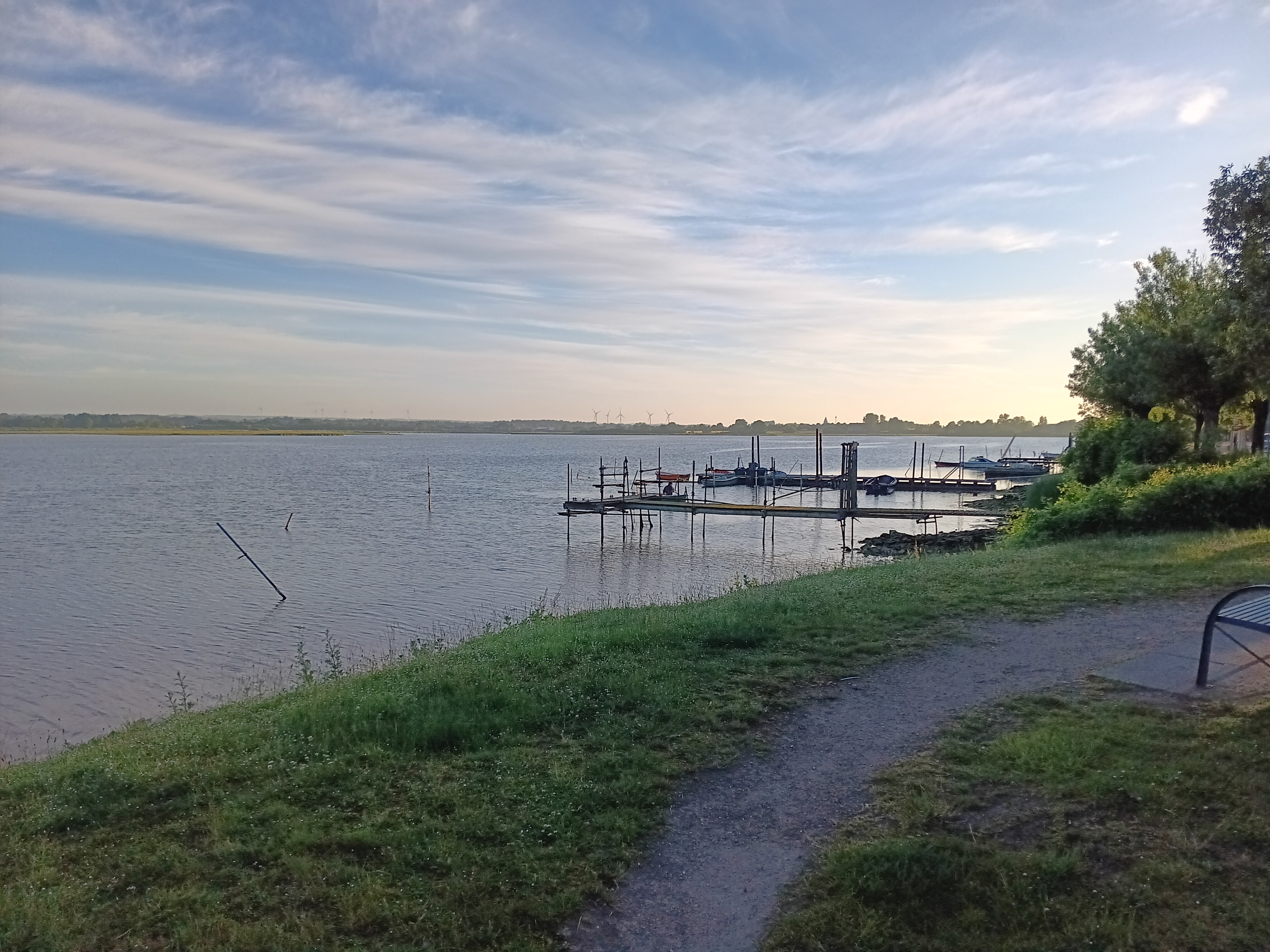
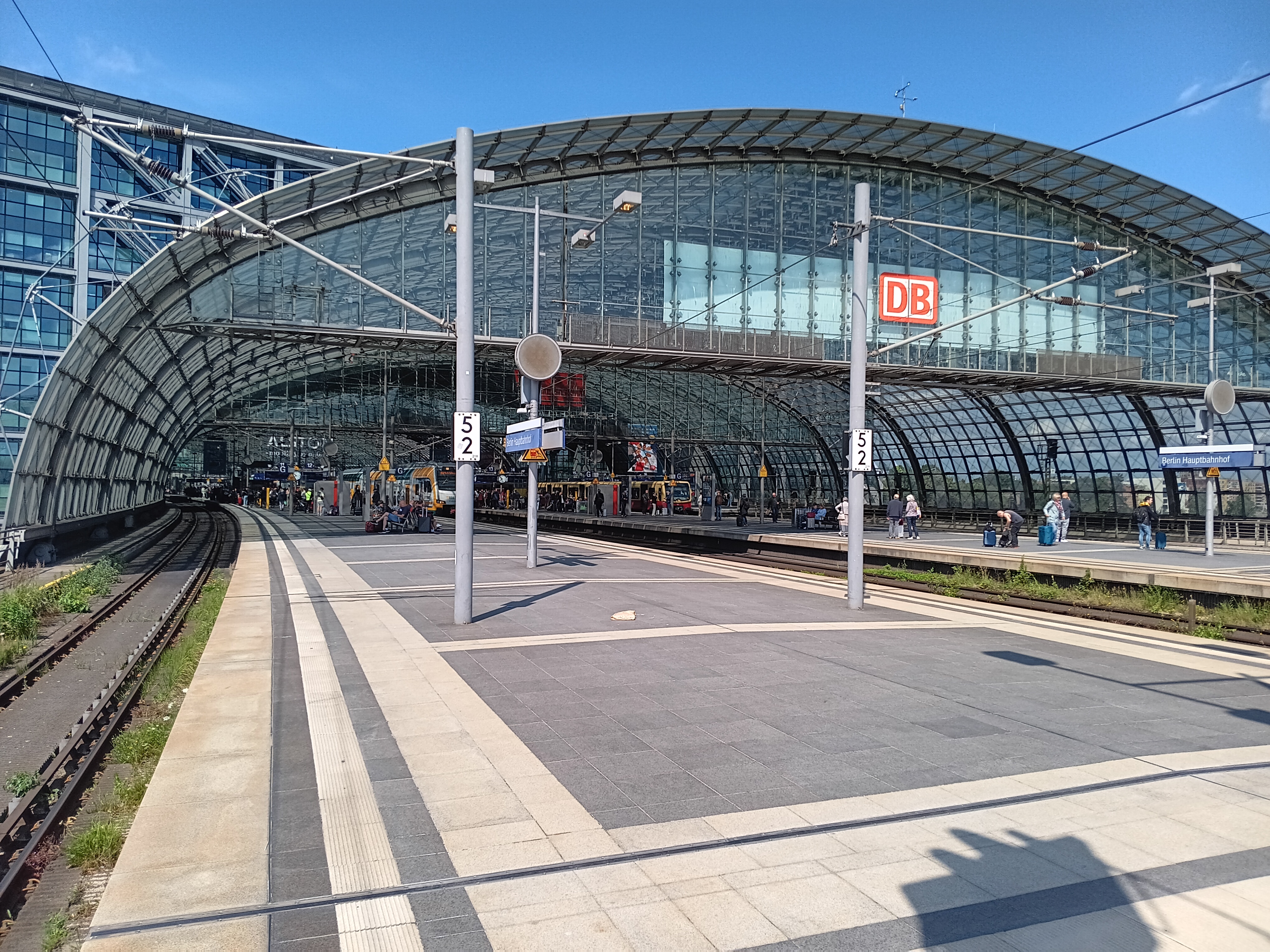
My voyage started at my parents home in Neustadt on the western edge of the Baltic Sea at 6 am. A first train got me to the old Hanseatic town of Luebeck, a second train to Hamburg, and a third train to Berlin. Here I bought the missing train ticket #5 from Przemysl in Poland to Lviv in Ukraine before boarding train #4 from Berlin to Przemysl. My reserved seat for the next 10 hours placed me opposite to a young Ukrainian artist traveling home to Kyiv. Along the way she introduced me to Lviv where she had lived in a prior life. Her pointers of Lviv places to visit, eat, and walk provided me with major initial reference points. As she had crossed the border into Ukraine many times before, we went for a evening stroll in Przemysl and found a busy beer-garden where we had a beer and gin tonic. Despite this “delay,” we still had to wait for 3 hours to be allowed on the next train that was 2 hours late. A large group of perhaps 20 Orthodox Jewish men with U.S. passports were waiting as well. I asked one of them what language they were speaking and he replied “Jiddish.” Bente Kahan’s music from her album “Farewell Cracow” was on my mind even more now than it was prior to this voyage. Once this last train left Poland just before midnight, the mood became somber.

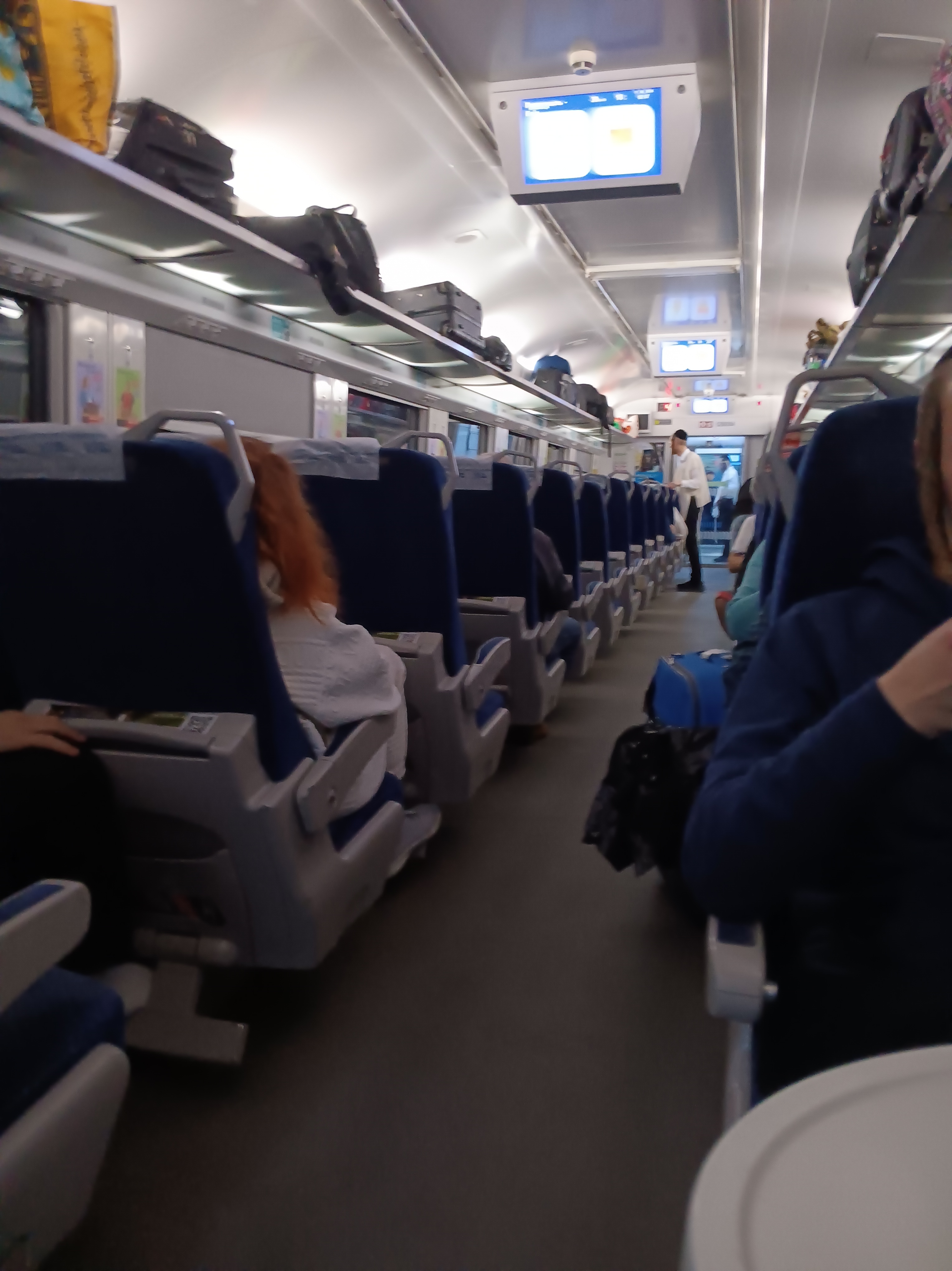
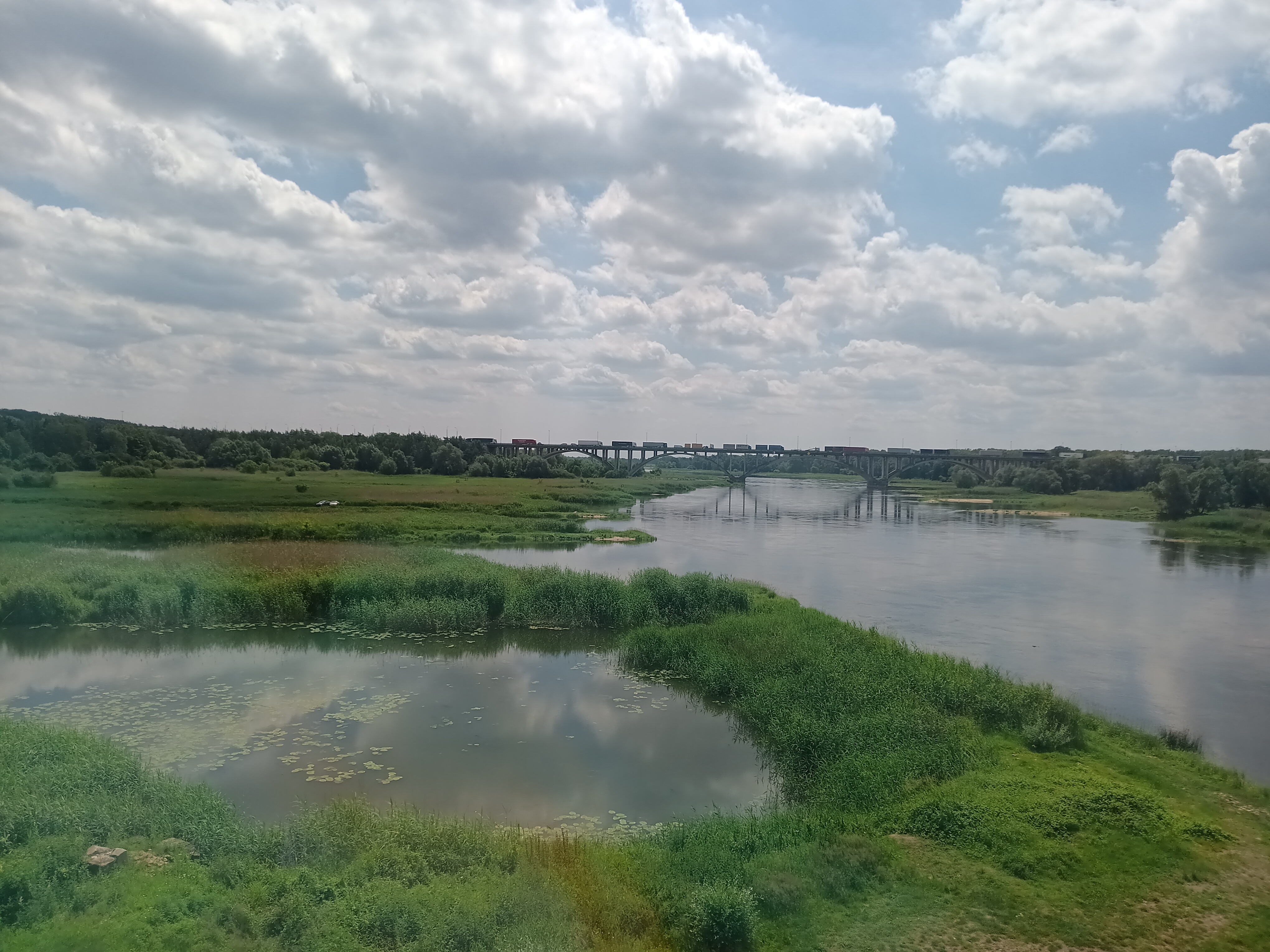
Ukrainian border guards checked passports on the train while different heavily armed military personel counted the number of passengers at least 3 times independently of each other. It was pitch dark outside without any lights visible anywhere. The train, too, had lights dimmed. After a very short 45 minutes the train to Kyiv made its first stop in Lviv and I got off.
It was about 3:30 am local time and I had no idea how to get the 2 miles from the train station to my bed. During the general curfew from midnight to 5 am all public transportation stops. Nobody at Lviv’s station spoke English and I could not read the cyrillic signs. So I stumbled along dead tired hoping, first, that my GPS would lead the way and, second, police enforcing the curfew may be sympathetic towards a tired and lost American tourist.
Sun light came out when I arrived in my small appartment at 4 am. The Wifi worked flawlessly and I called my wife via WhatsApp. It was only 9 pm in Delaware and we talked for an hour on what had happened this long day. Then I let my Ukrainian AirBnB host, Olya, know that I had arrived:
Olya: Everything went well. A person found me at the train station. He did not speak English, but I had pen and paper prepared as well as lat/lon of your place on my GPS that I use for hiking in the woods. He followed my direction and got me within 200 m. The rest was easy including the hour-long WhatsApp phone call with my wife from inside your appartment using your Wifi. It “only” took me 22 hours total door-to-door, so I will now head for some sleep … which is hard, because it is light outside, curfew is over, and I already saw so many cool stuff in the dark that I want to head outside to explore more, but my wife told me to sleep a few hours and wise man is one who listens to his wife … or so i am told by wiser men than myself. ~Andreas
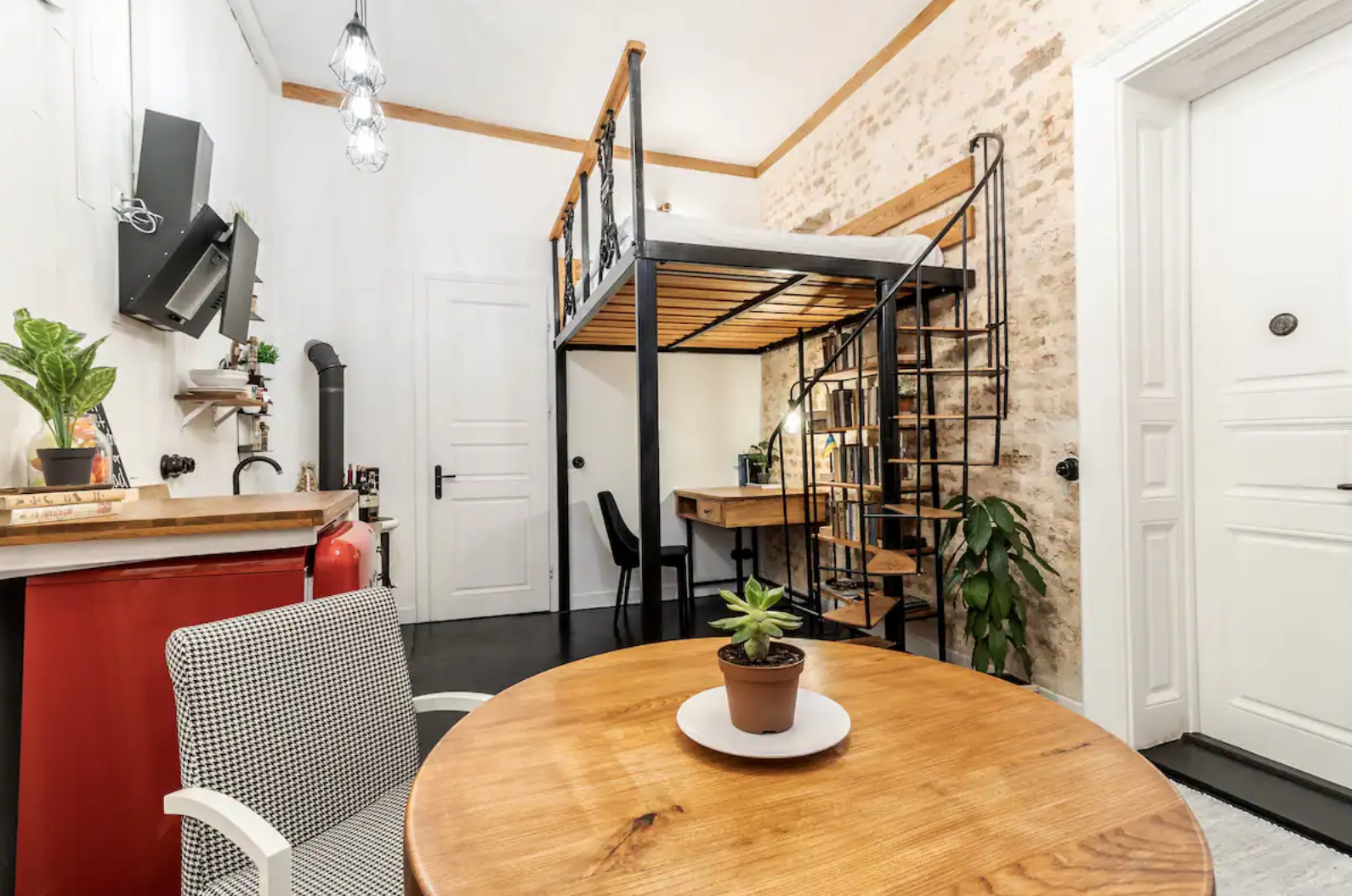
I was writing the above lines with this view of the bed, desk, fridge (red), and the door to the bathroom, shower, washing machine and dryer. The entrance is the door on the right. This was my home away from home for the next 7 days where I rested after long walks to explore Lviv, its culture, history, public life, and people. The internet speeds in Lviv were faster than those in either Germany or at home in Delaware.
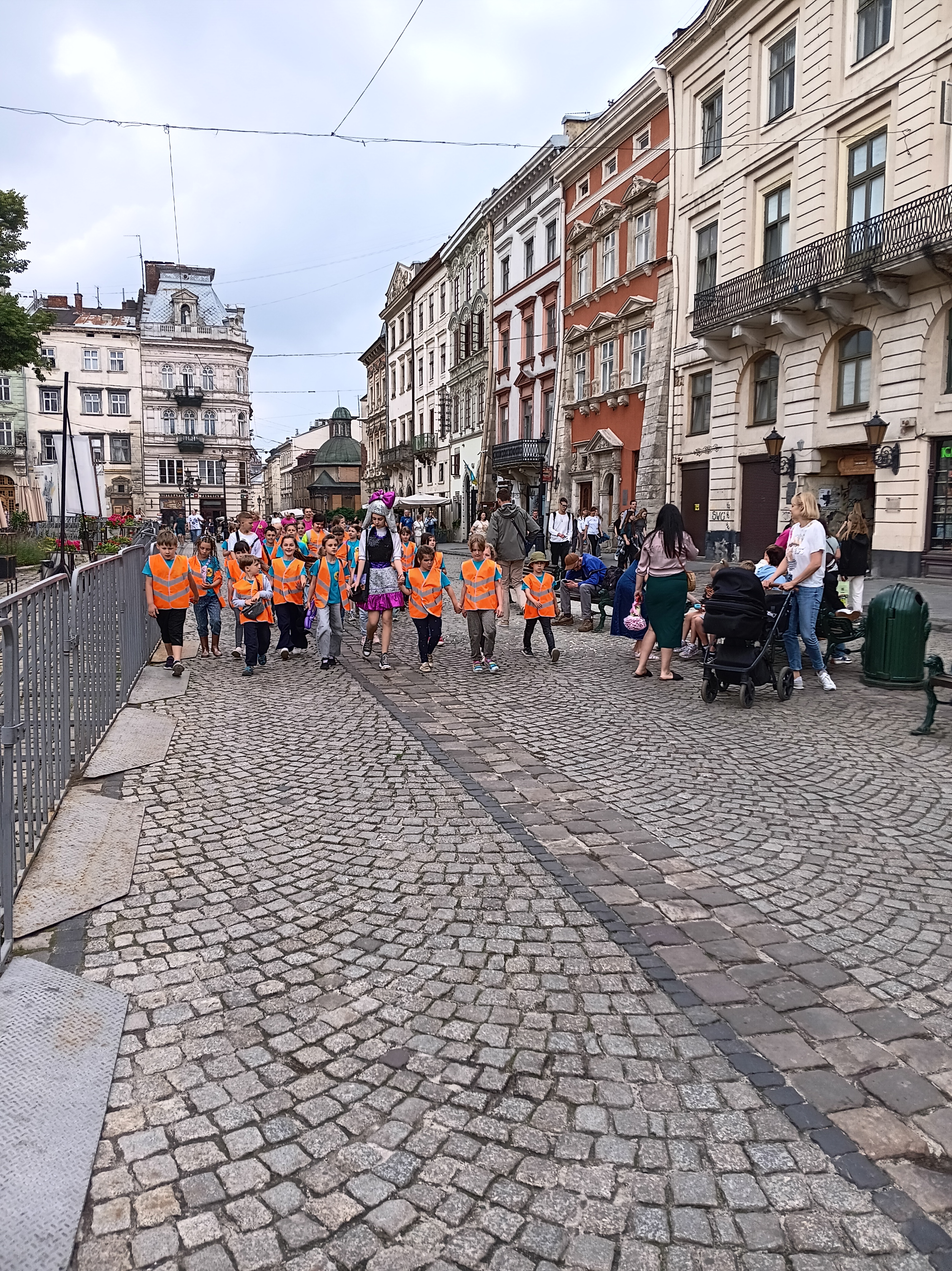
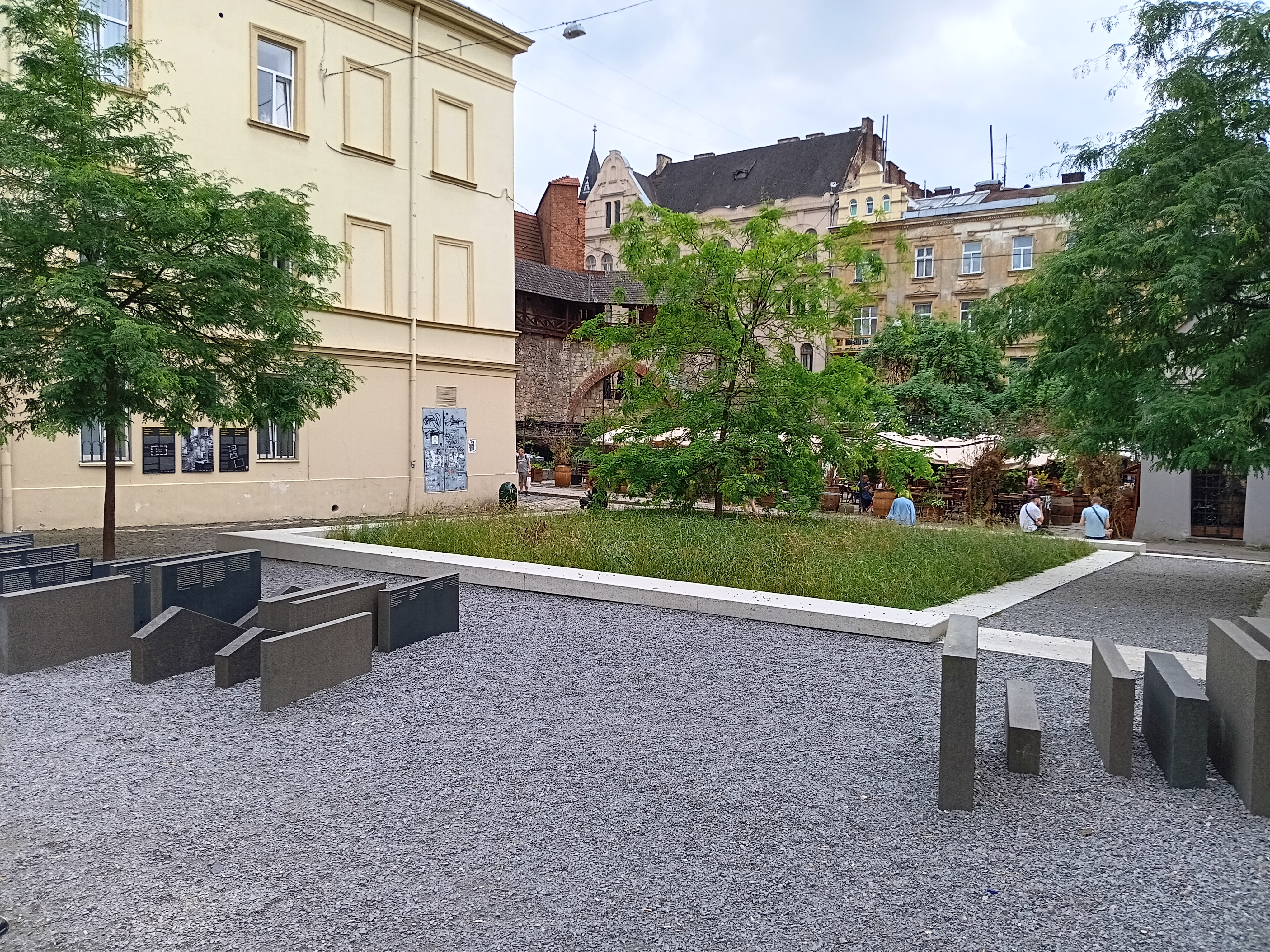
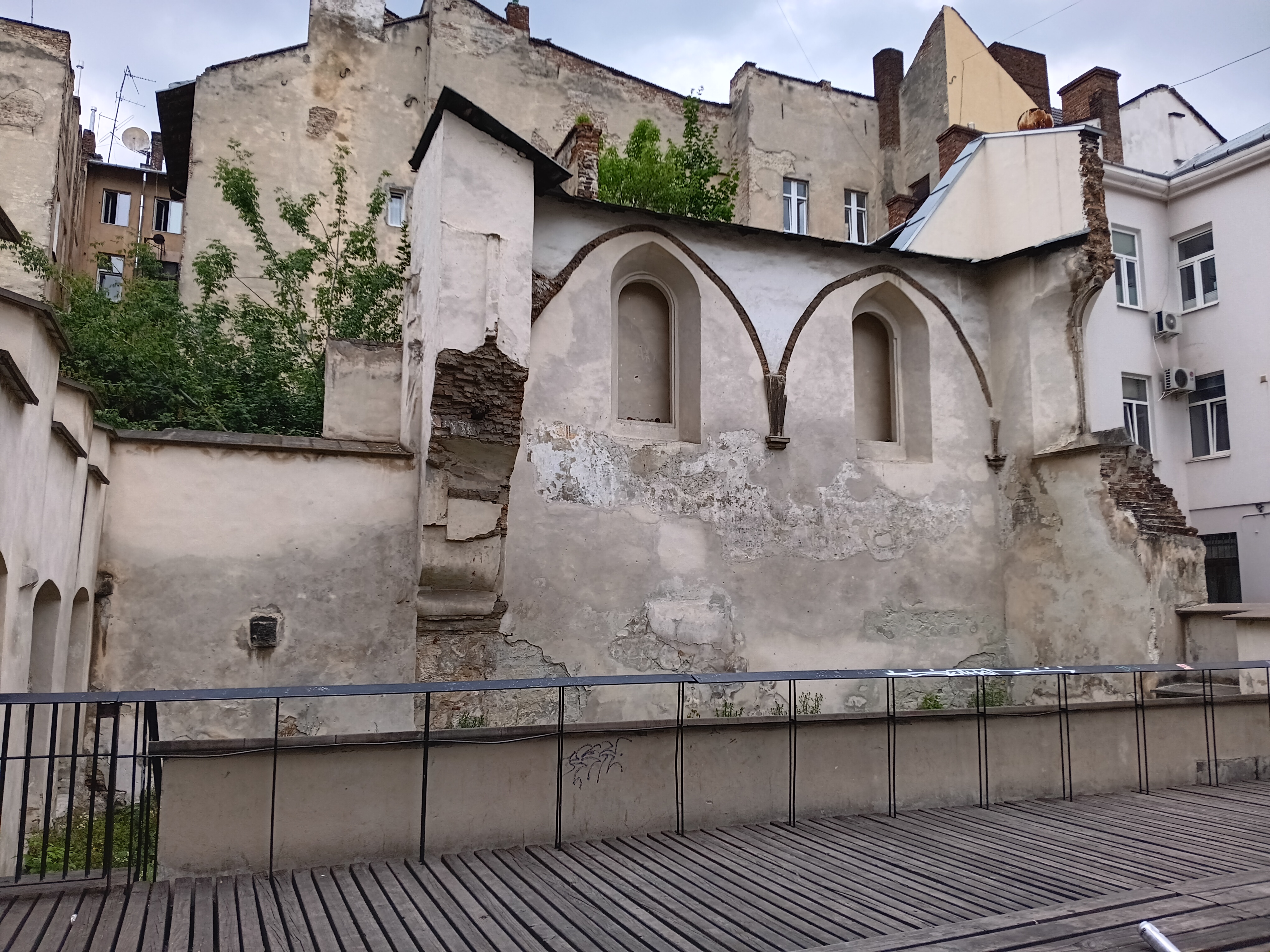
As a teaser for my next post I show the first three photos that I took the next morning after 4 hours of sleep within 5 minutes walking from my bed in Lviv.

 Icy Seas