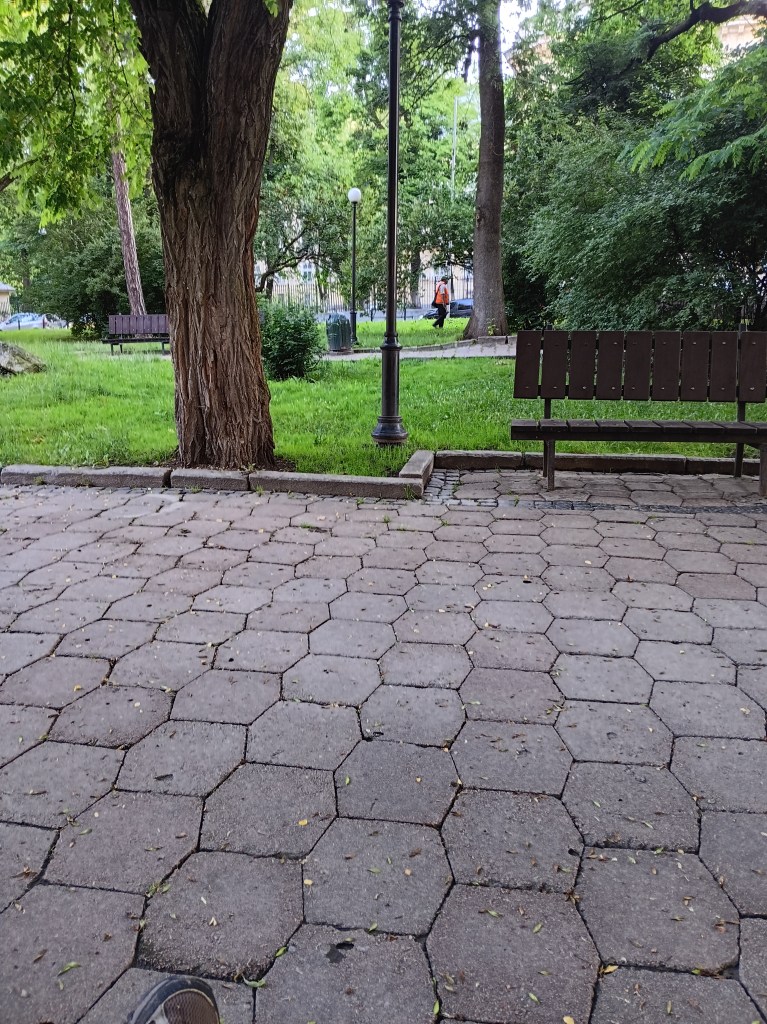
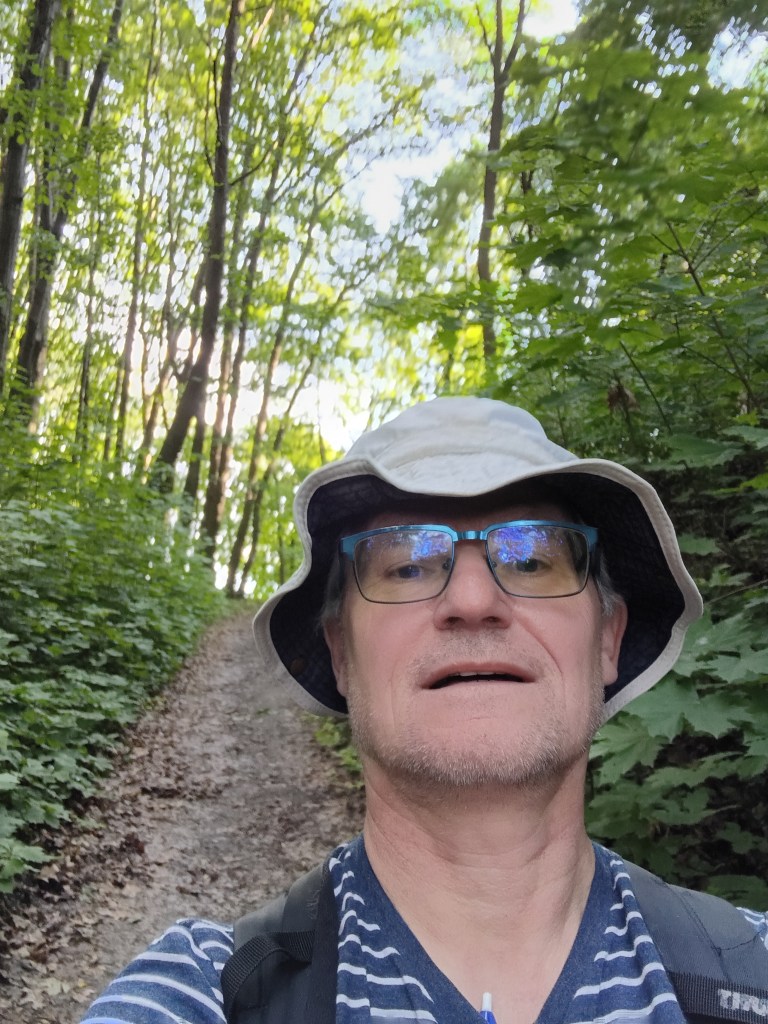
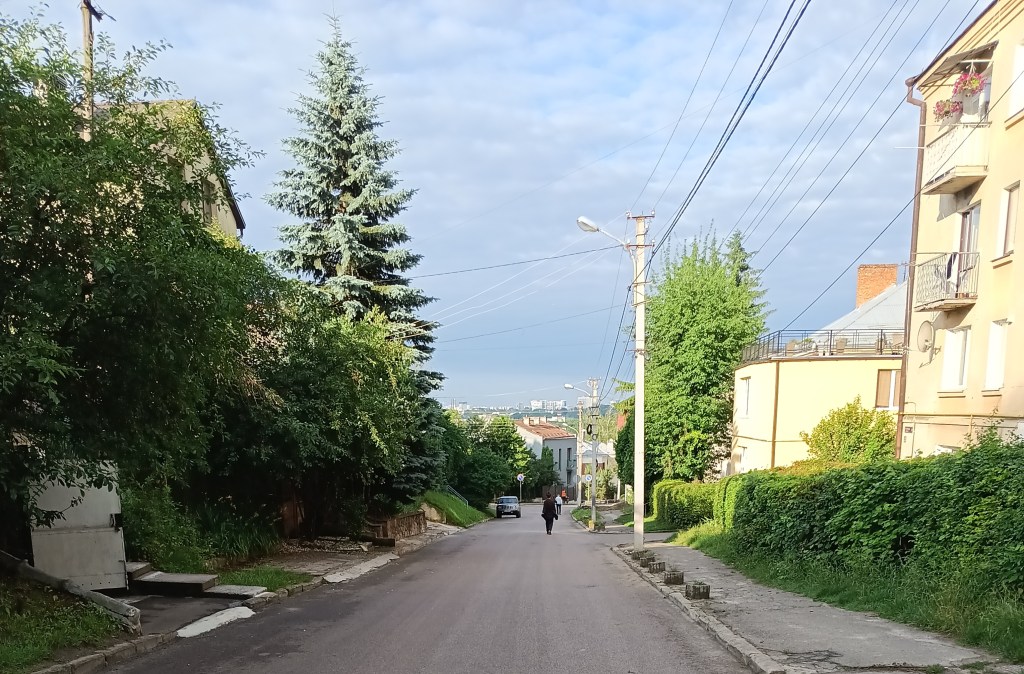
An air raid alarm interupted my first night’s sleep near Rynok Square in Lviv, Ukraine at 2:30 am on June-12, 2024 after 22 hours on a train the day prior. Sirens outside, mobile loud-speakers on the streets, and my cell phone all blared the message “Attention. Air Raid Alert. Proceed to the nearest shelter. Don’t be careless. Your overconfidence is your weakness.” Unsure on what to do, I listened, if there was any commotion outside my AirBnB in the stairways of the 3-story appartment building with residents moving whom I could follow. As there was no such noise, I did nothing, and quickly fell back asleep. At 5 am I woke again, got up to check e-mail when yet another such alarm started. This time I decided to go outside to see what the city does during an air-raid alarm at 6 am. All I saw were a few men my age cleaning the sidewalks and joggers passing me in a forested park:
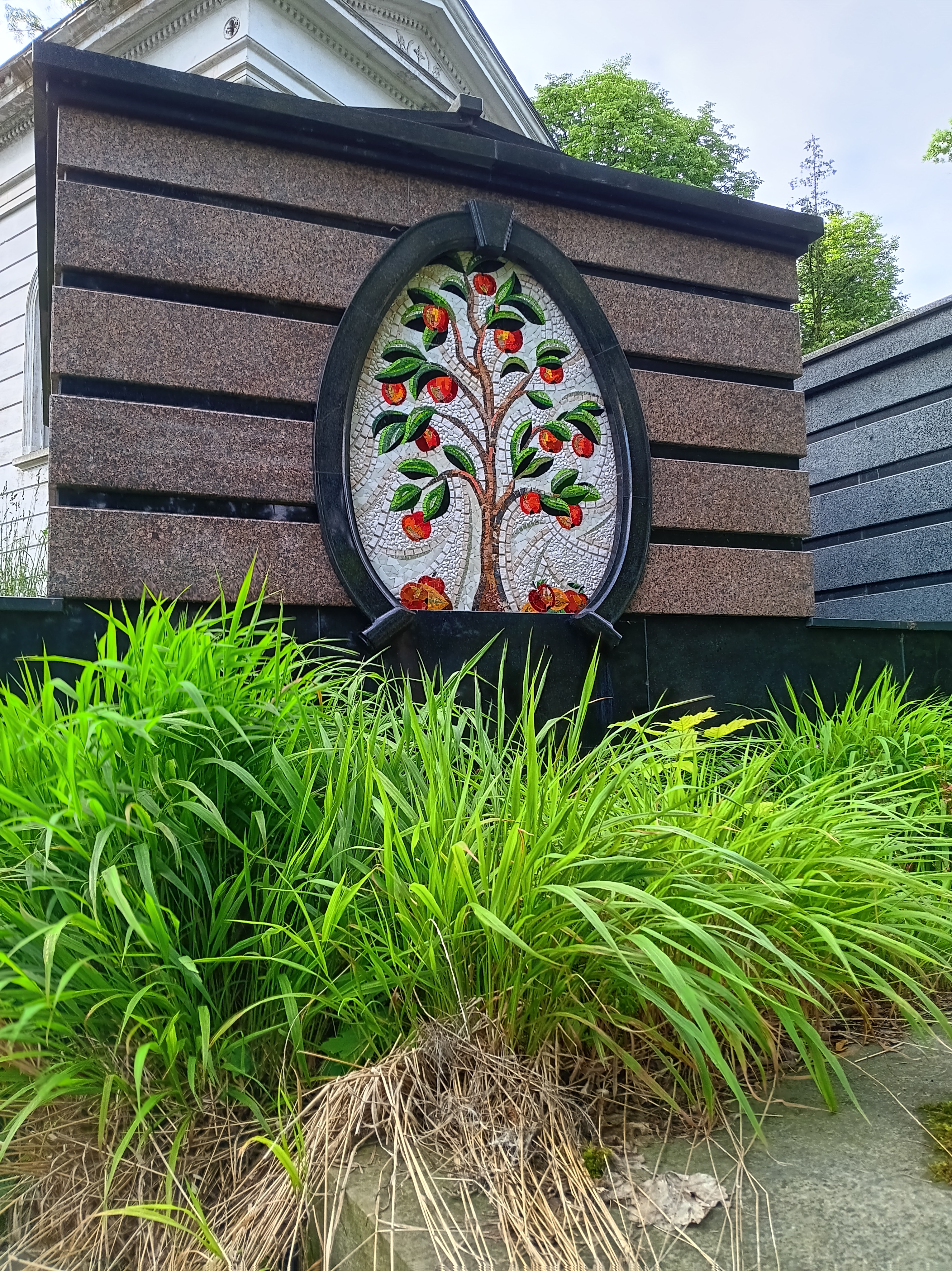
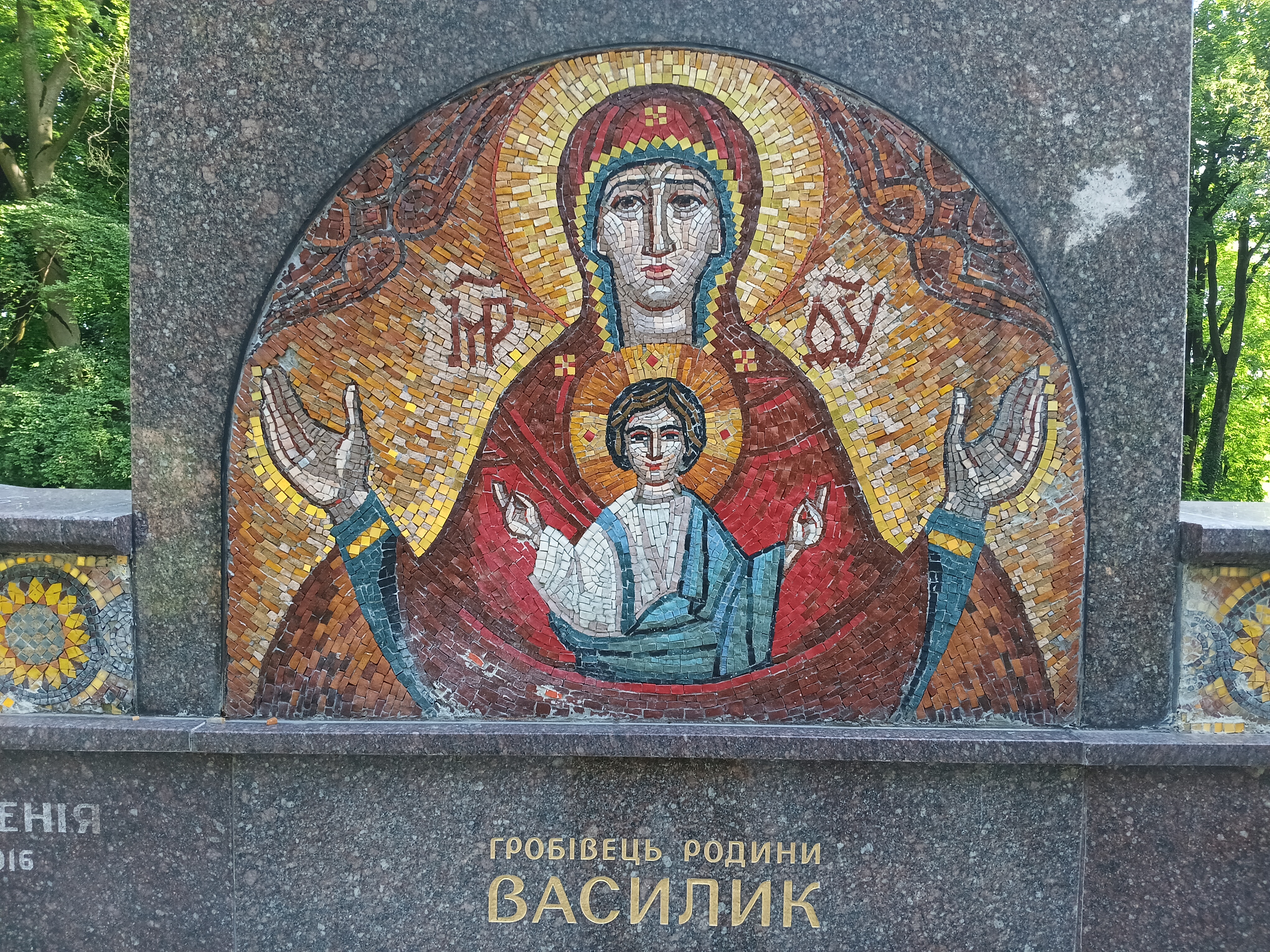
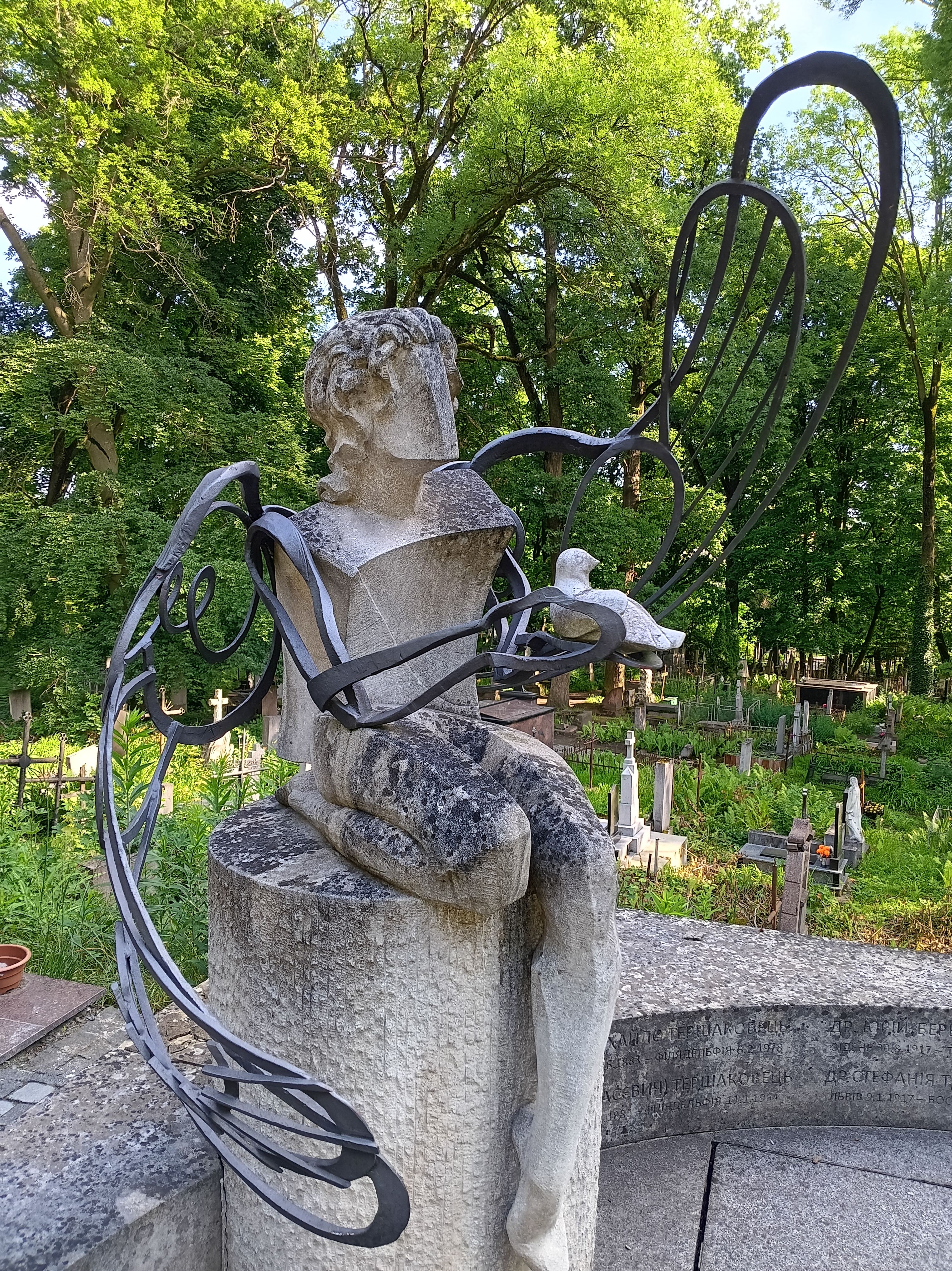
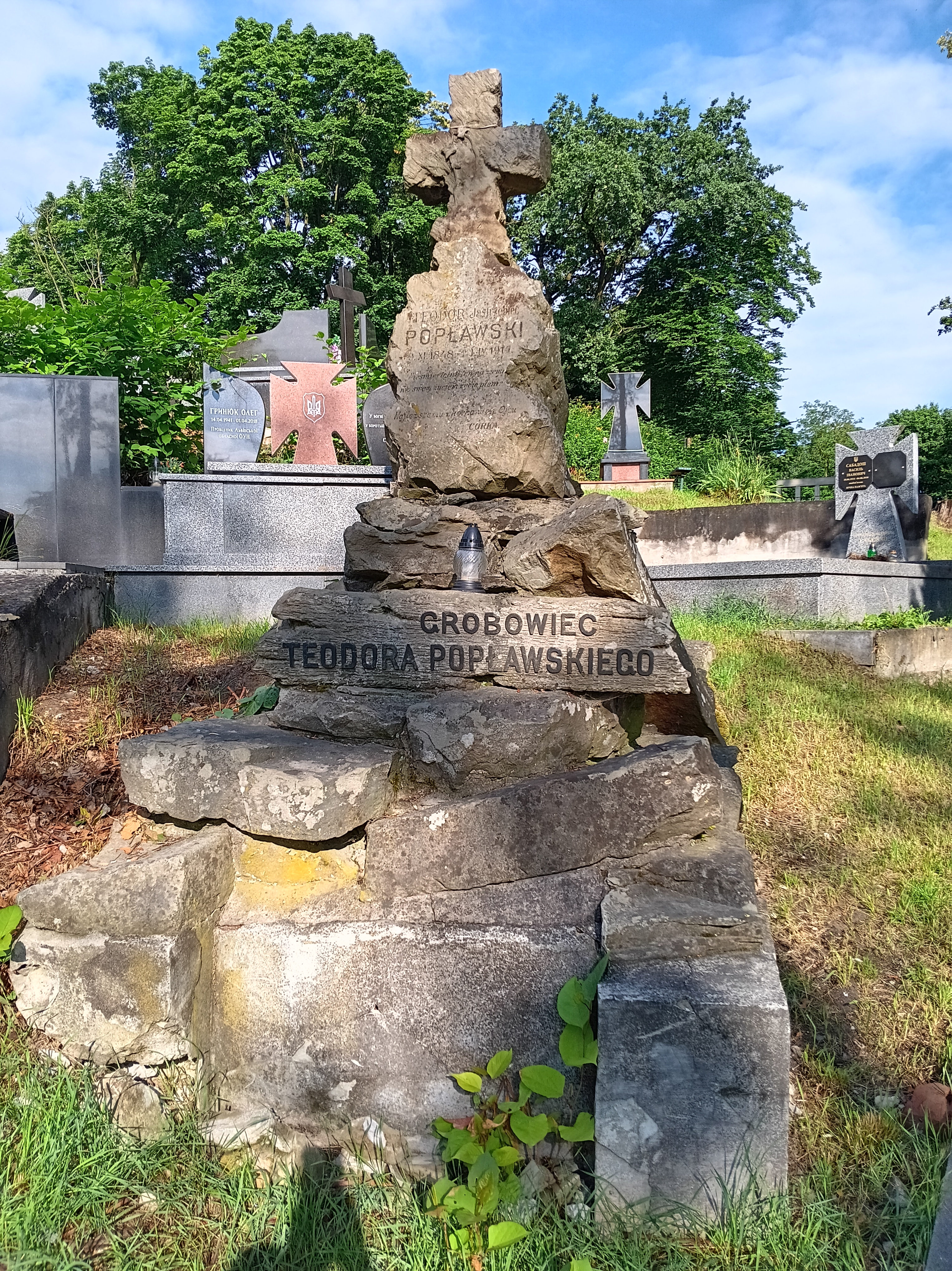
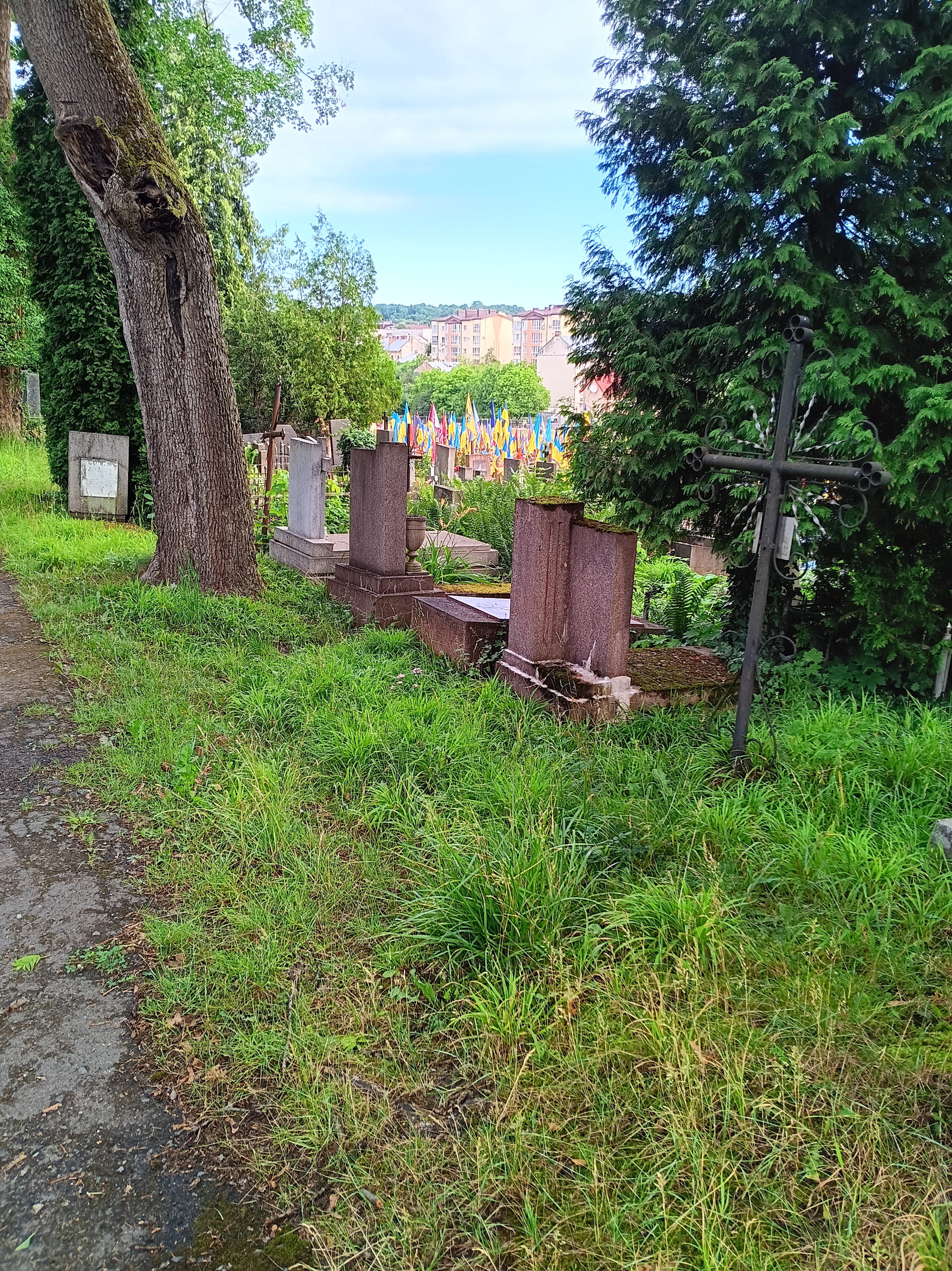
My plan for the day was to find the 250-year old Lychakiv Cemetery that was established 1787 when the Habsburg Empire of Austria-Hungary controlled Lviv and Galicia as a result of the the First Partition of Poland in 1772. The cemetery is a large wooded park in a hilly area near the Botanical Gardens to the East of the city. Today it is a “State History and Culture Museeum” of Ukraine that Polish and Ukrainian volunteers have restored, both lovingly and at times illegally, for the last 50 years. Prominent Lviv citizens of culture, science, and politics as well as soldiers and victims of war and oppression both past and present are buried here. Meandering paths lead through lush vegetation with old trees and artful sculptures, grave stones, and icons.
I spent well over 3 hours wandering along wide and narrow pathways up and down the hillsides to marvel at artful displays to remember those who walked the streets of Lviv the last 250 years. The style of letters, mosaics, sculptures, and vegitation changed from section to section all added over the centuries when different countries ruled Lviv from the Austria-Hungarian empire (1792-1918), the newly establish Poland (1918-39), the Soviet Union (1939-41), Nazi Germany (1941-44), the Soviet Union (1944-91) until it finally became part of independent Ukraine in 1991.
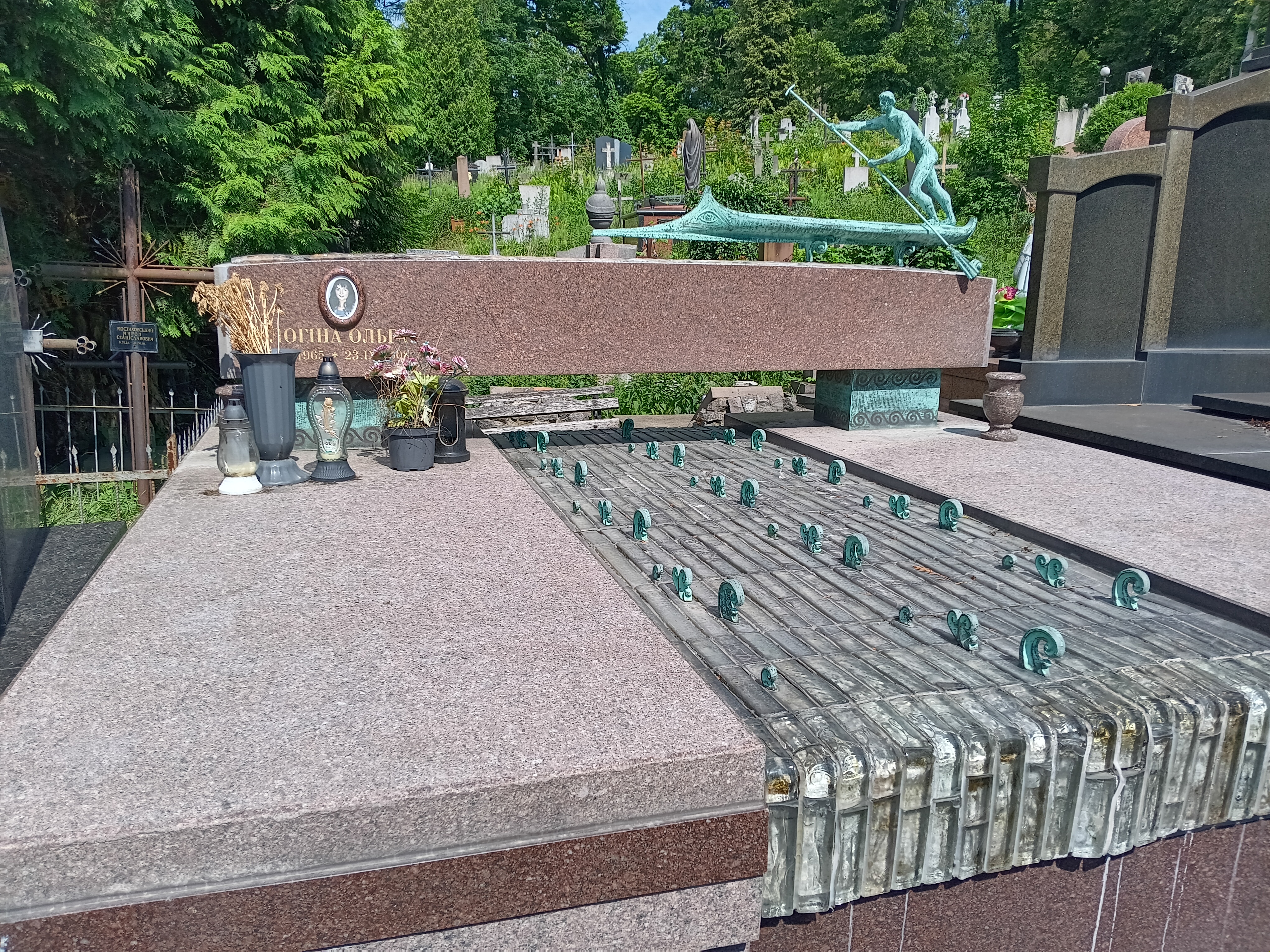
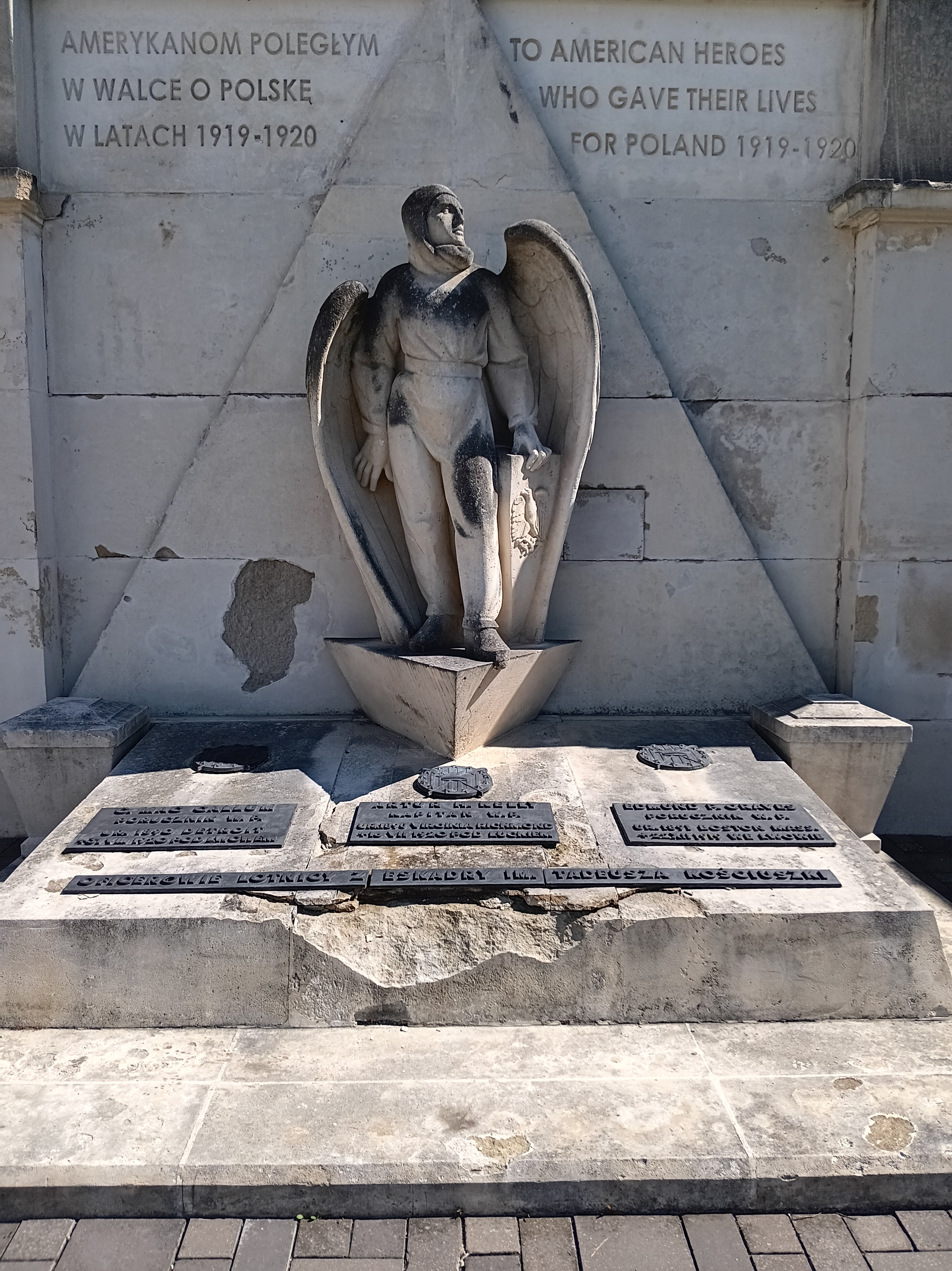
My favorite memorial is that of a person on a boat crossing a wavy river. The copper-colored boat even as an eye at its forward head just above the water line. The river appears to come down from the wooded hill behind it, but the boat floats above the the water bridging the river perhaps indicating another “spiritual” dimension. It all merges in a harmoneous way in multiple directions indicating both time and space. The river falls down at the edge, however, the river also falls farther towards graves of soldiers from both past (1918-19) and present (2014-present) wars. Three Americans aviators such as Edmund Pike Graves are burried here also. More than 100 years ago they supported Polish troops flying early bi-planes against Ukrainian nationalists.
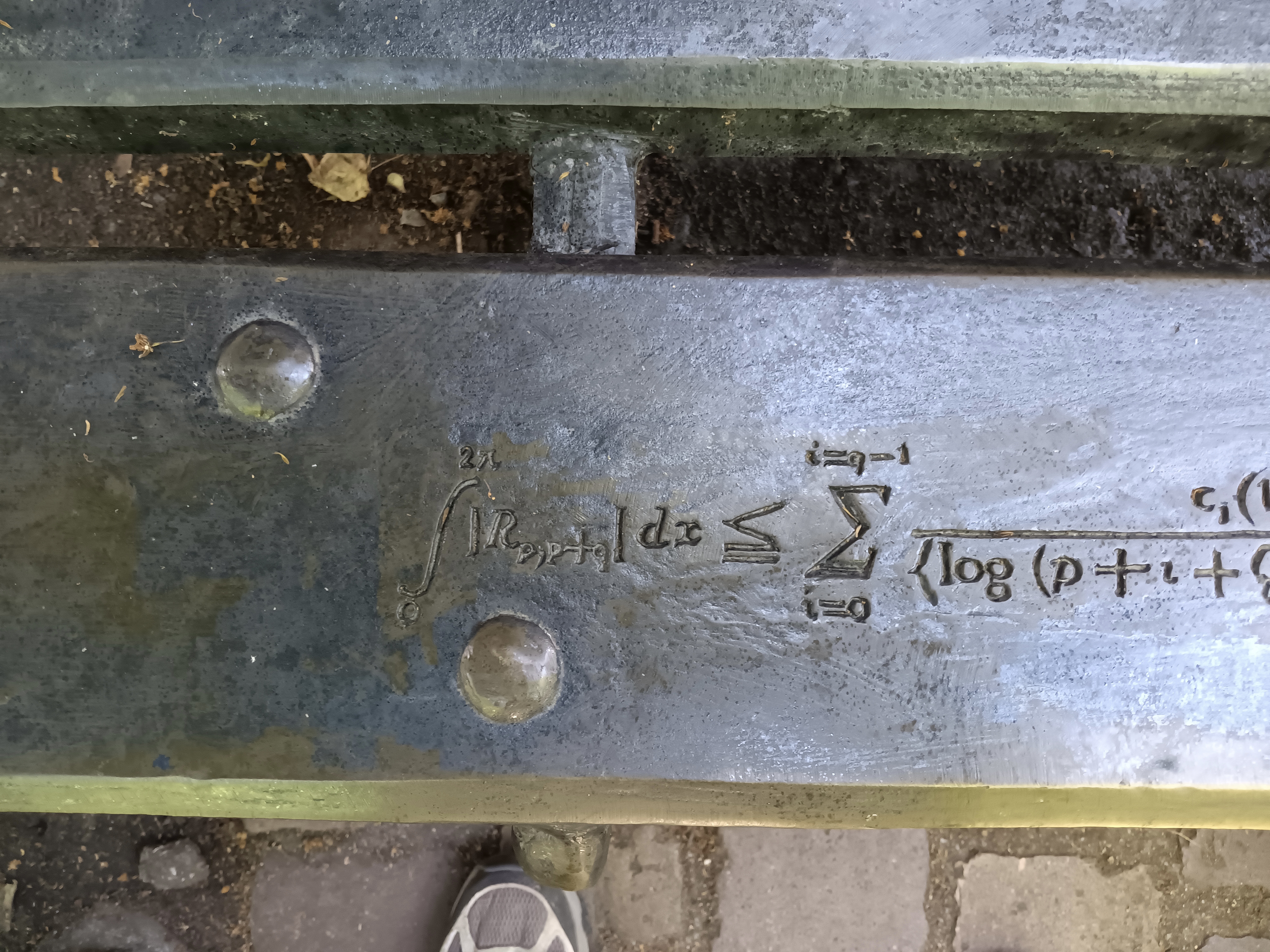
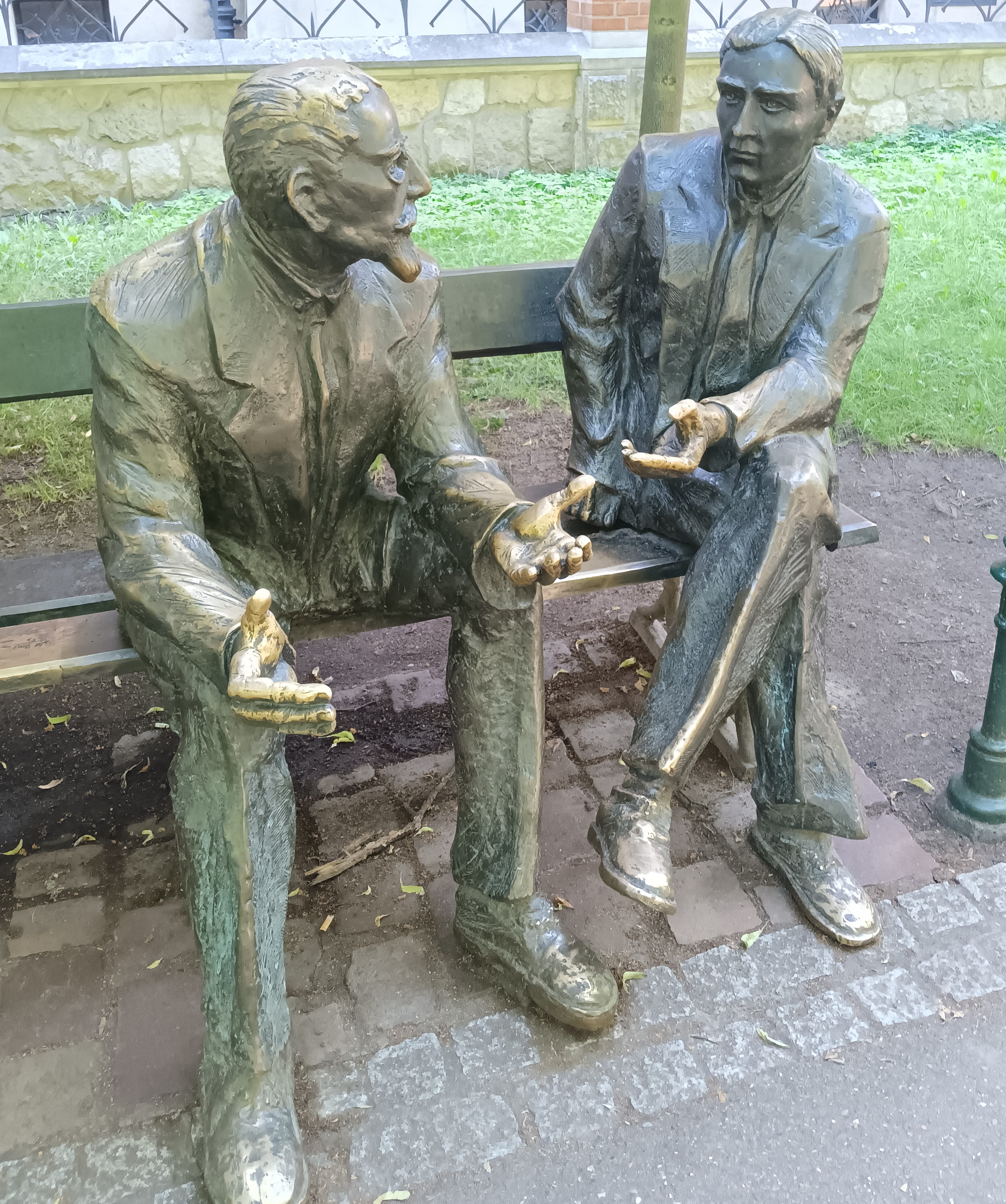
Among the many graves is that of the Polish mathematician Stefan Banach (1892-1945) who did pioneering work in the 1930ies when he was teaching at Lviv University. His fundamental work on vector spaces (“Functional Analysis” in English or “Funktionen Theorie” in German) applies to how I analyze climate data from the waters, ice, and glaciers around Greenland. Learning about Banach and the Lwow School of Mathematics, I discovered that the scientists living and working in Lwow/Lviv until 1939 also contributed to the Manhattan Project and the Nuclear Age. On my subsequent visit to Krakow in Poland 200 miles to the West, I found a bench in a park with a sculpture of Dr. Banach and some of his work:
A young Dr. Banach sits on the right in a conversation during his school years in Krakow. He left to teach mathematics in Lviv in 1918 where he lived until lung cancer killed him at age 53 in 1945. He is burried near the entrance of the cementary.
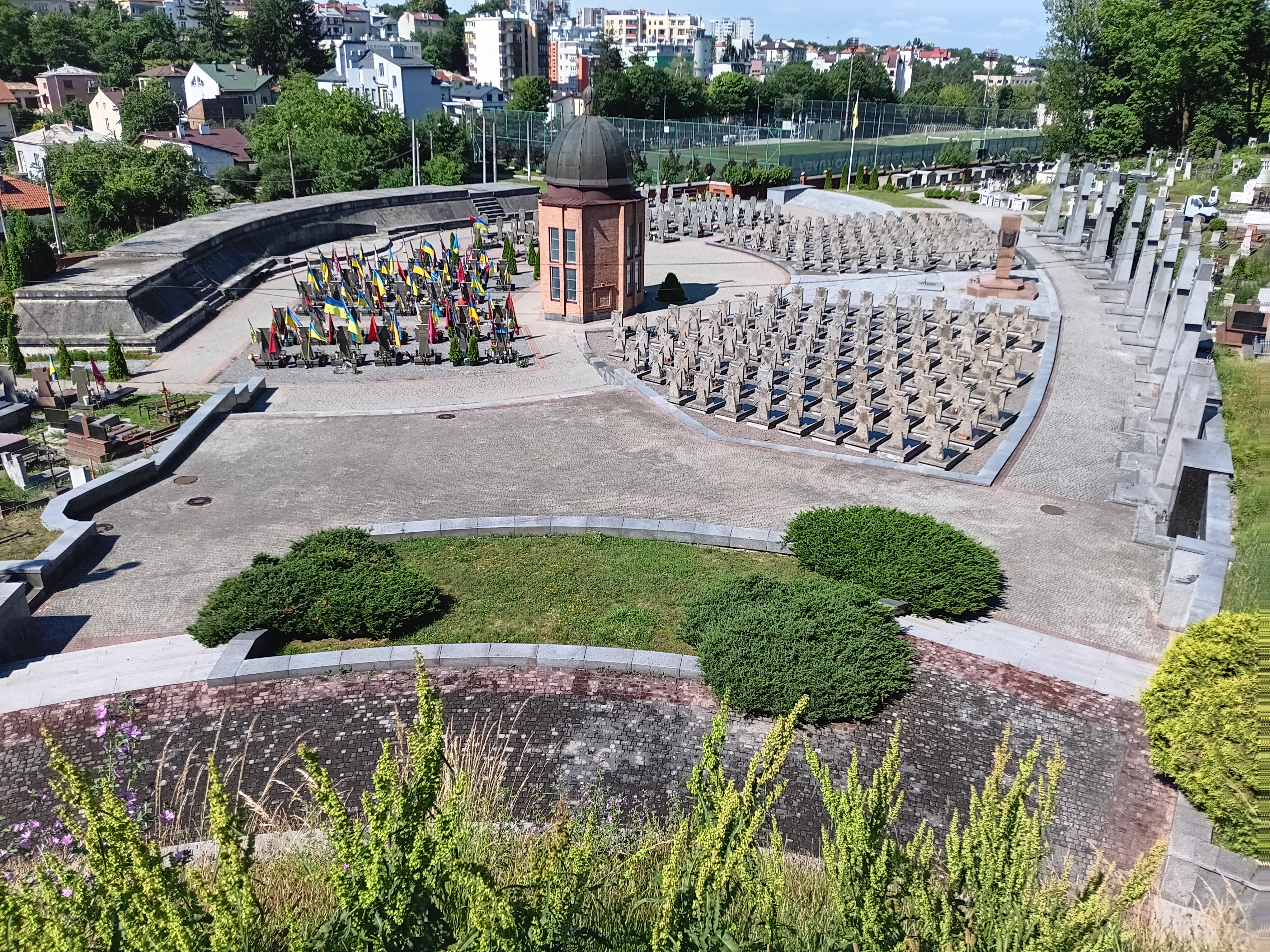
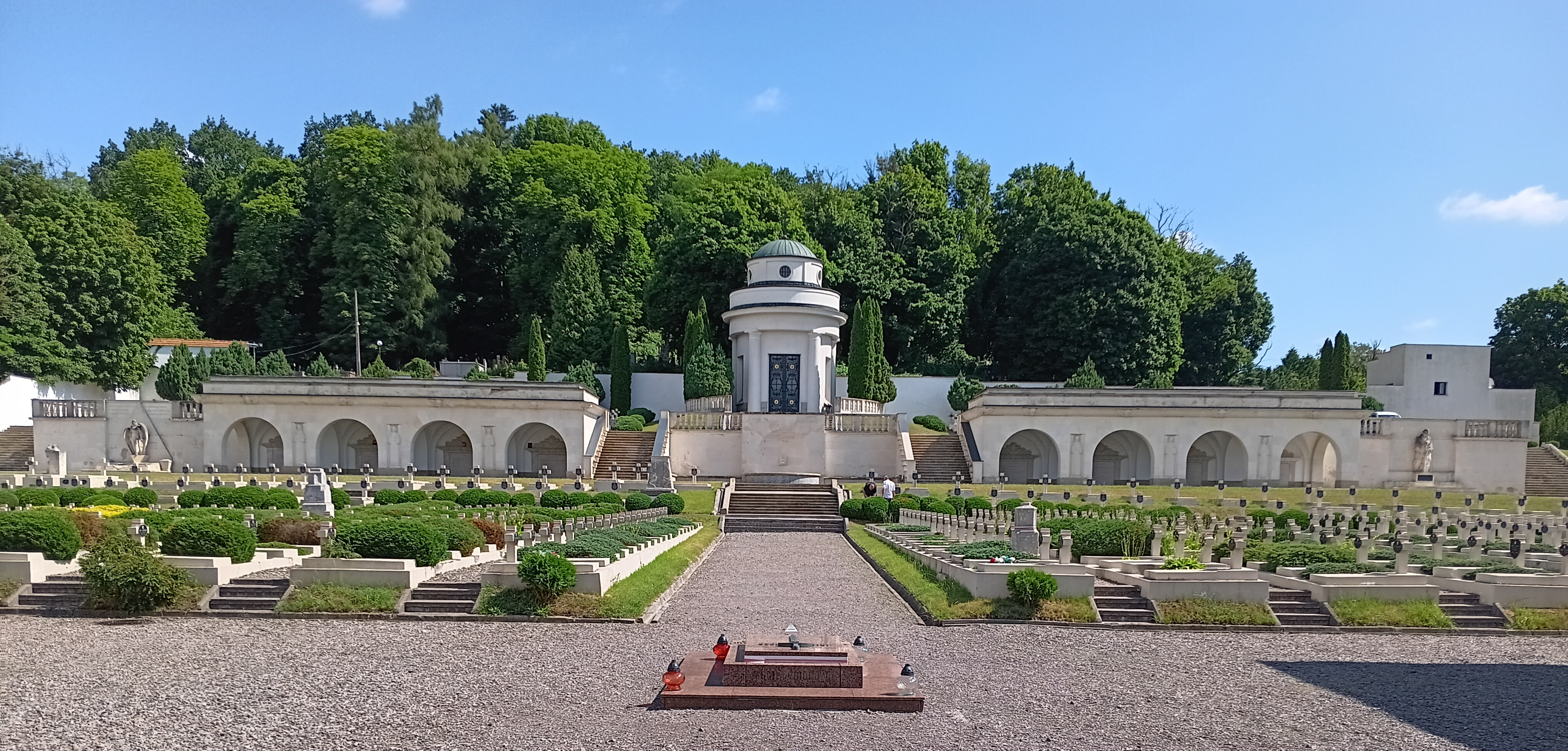
Figure: Polish Military Cemetery 1918-20 (“Eaglets Cemetery”) in Lviv, Ukraine of the 1918-20 war between Poland and Ukrainian Army of Galicia (bottom) adjacent to the memorial to the Ukrainian Galician Army (top left). Three U.S. American aviators are burried here also (top right).
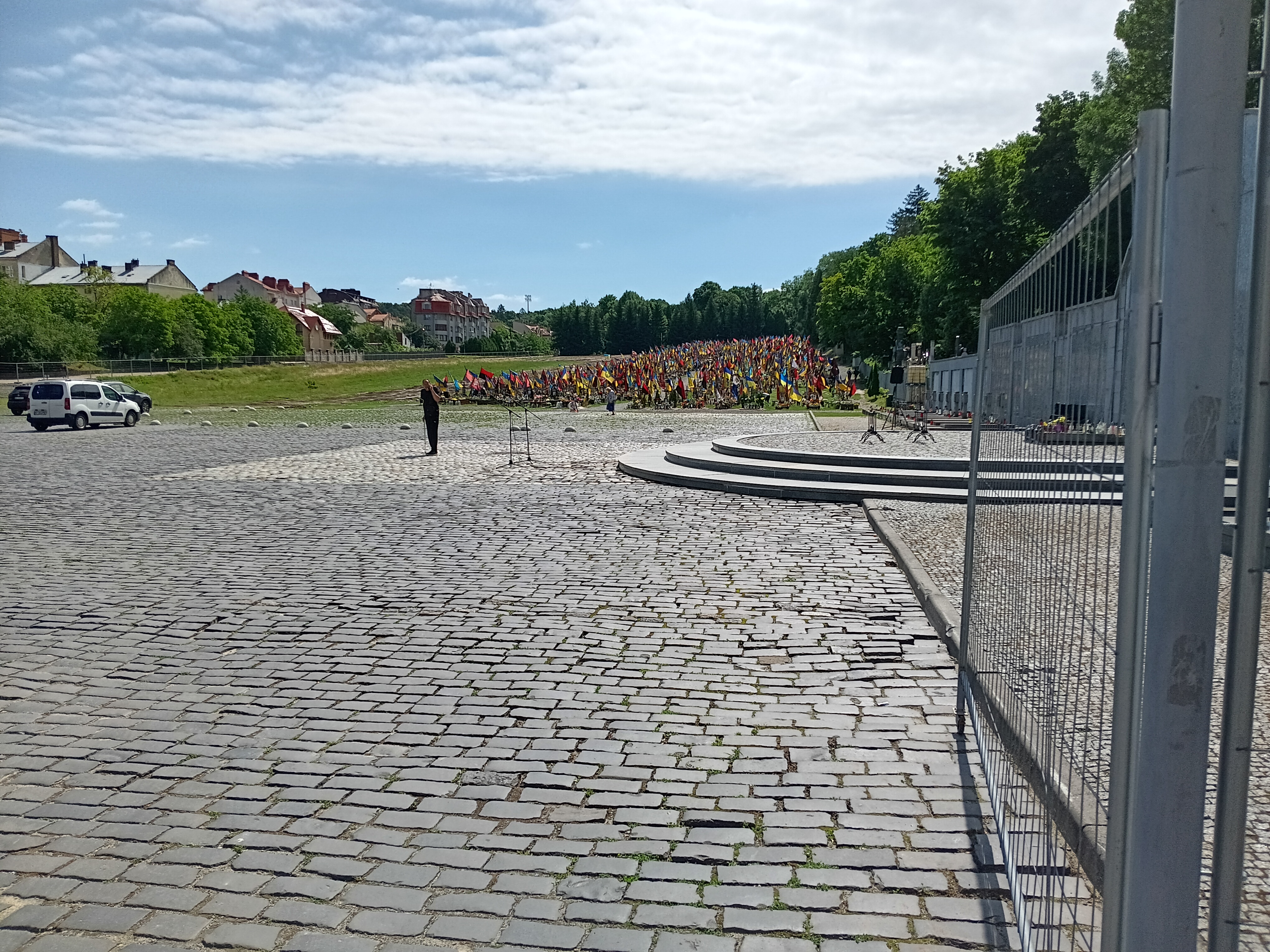
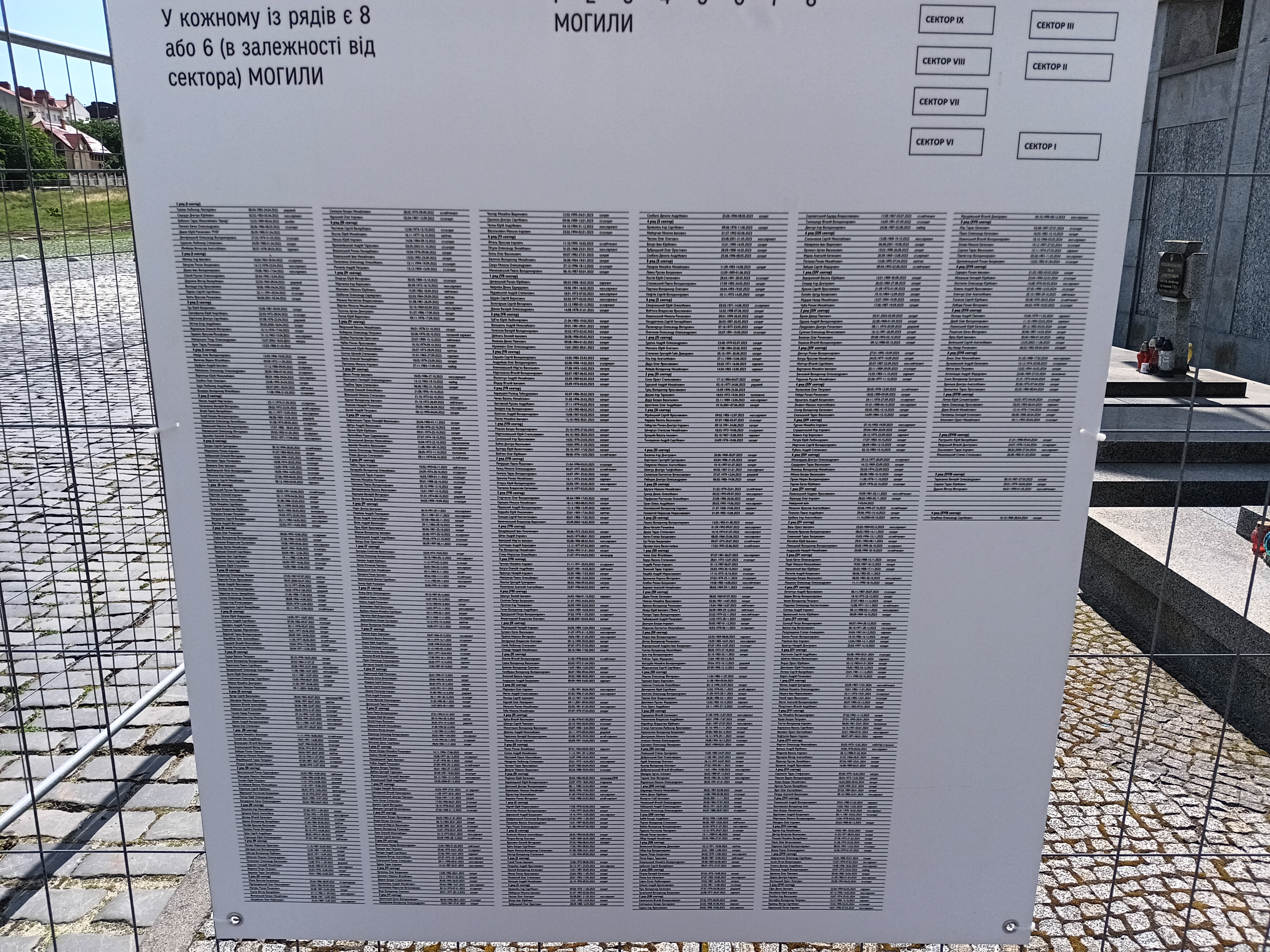
The last burial field I visited only from a distance, because it is here where Lviv buries her current war dead. Almost every day new graves are dug and filled. From the distance it looks like an ocean of flags both of the blue and yellow of Ukraine and a range of battle and historical flags of different military units. I noticed that the people who enter this section first checked a large board near the entrance to see where in this section their loved-ones are buried. The long list of names and grave locations includes the dates of birth (1962-2005) and death (2022-present).
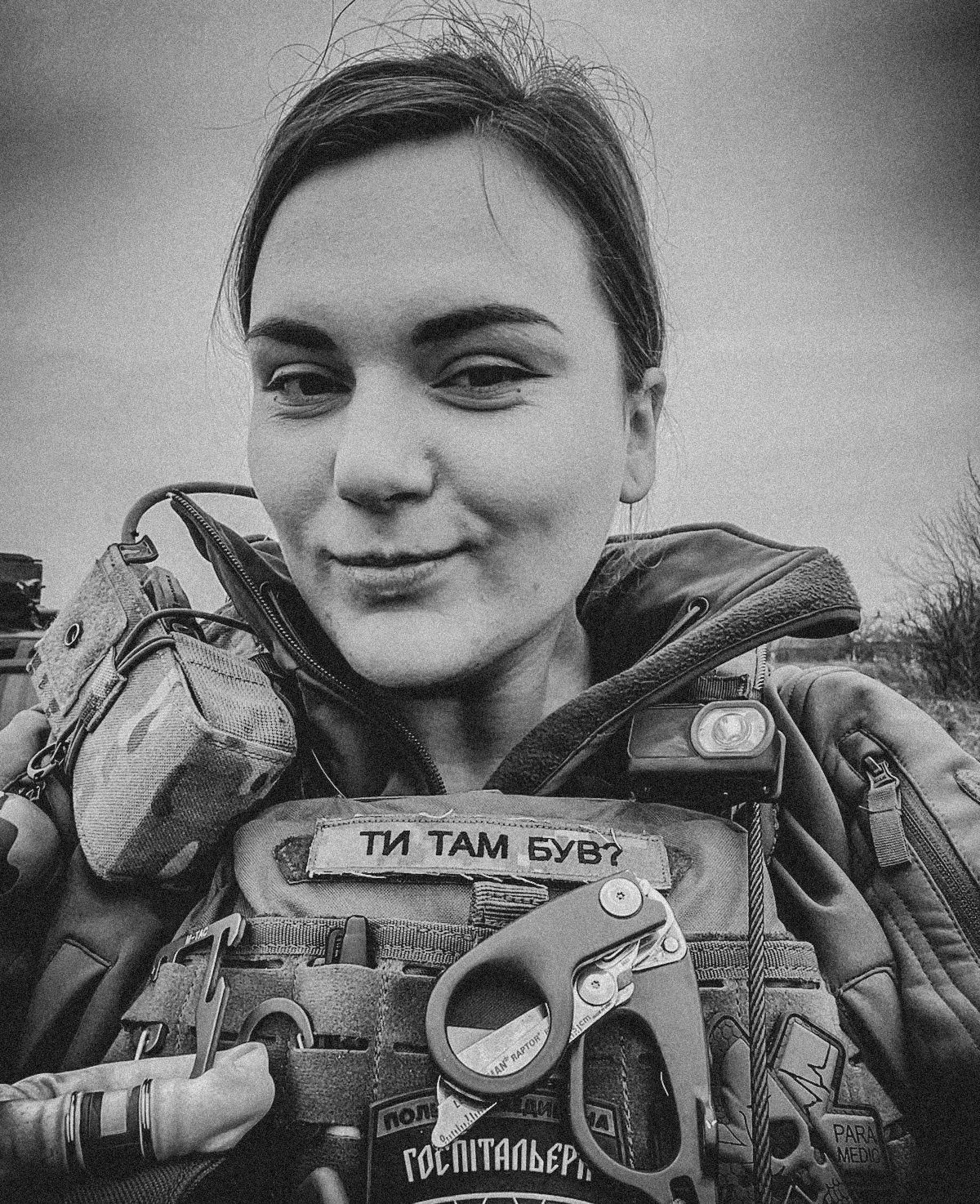
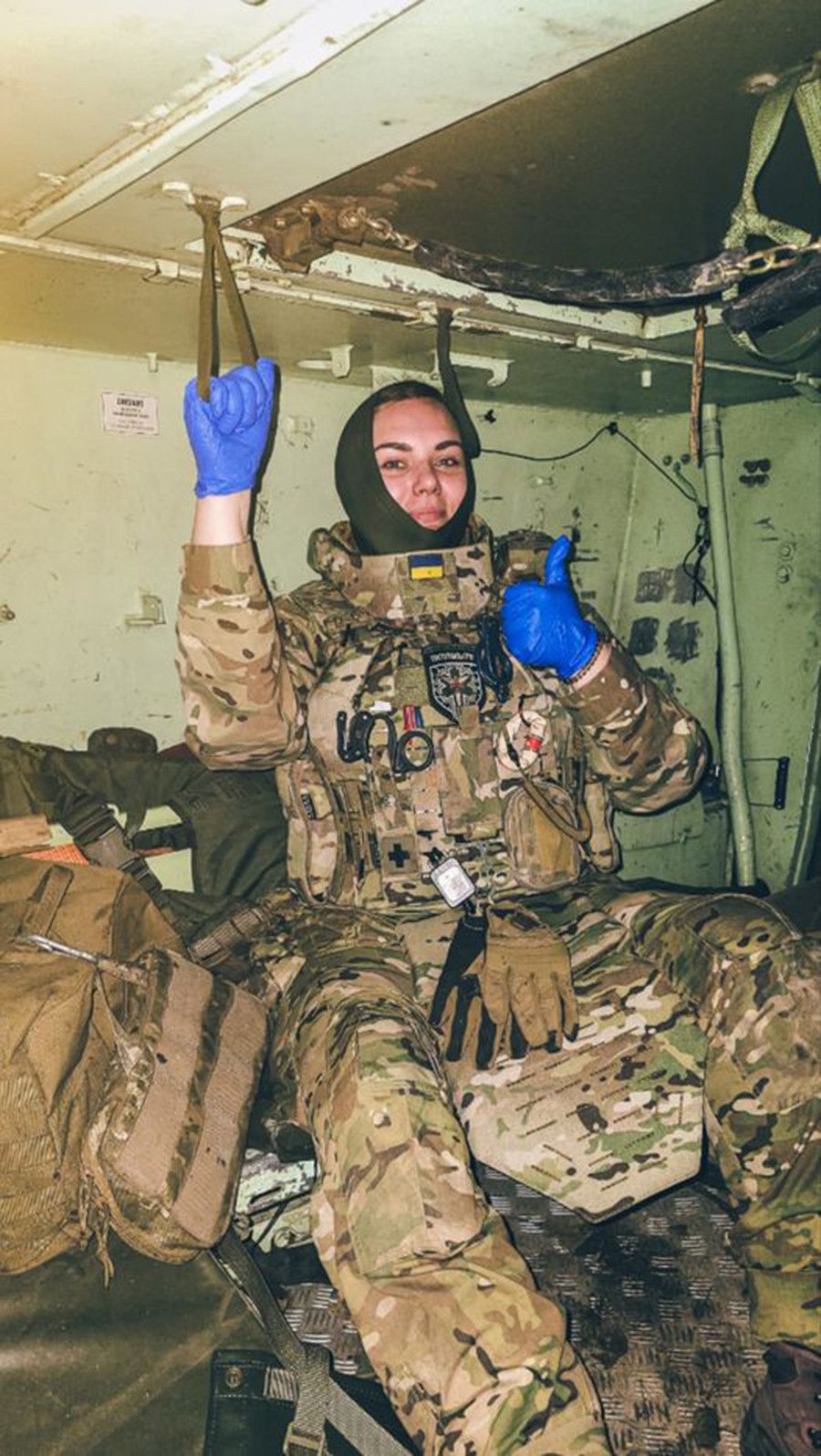
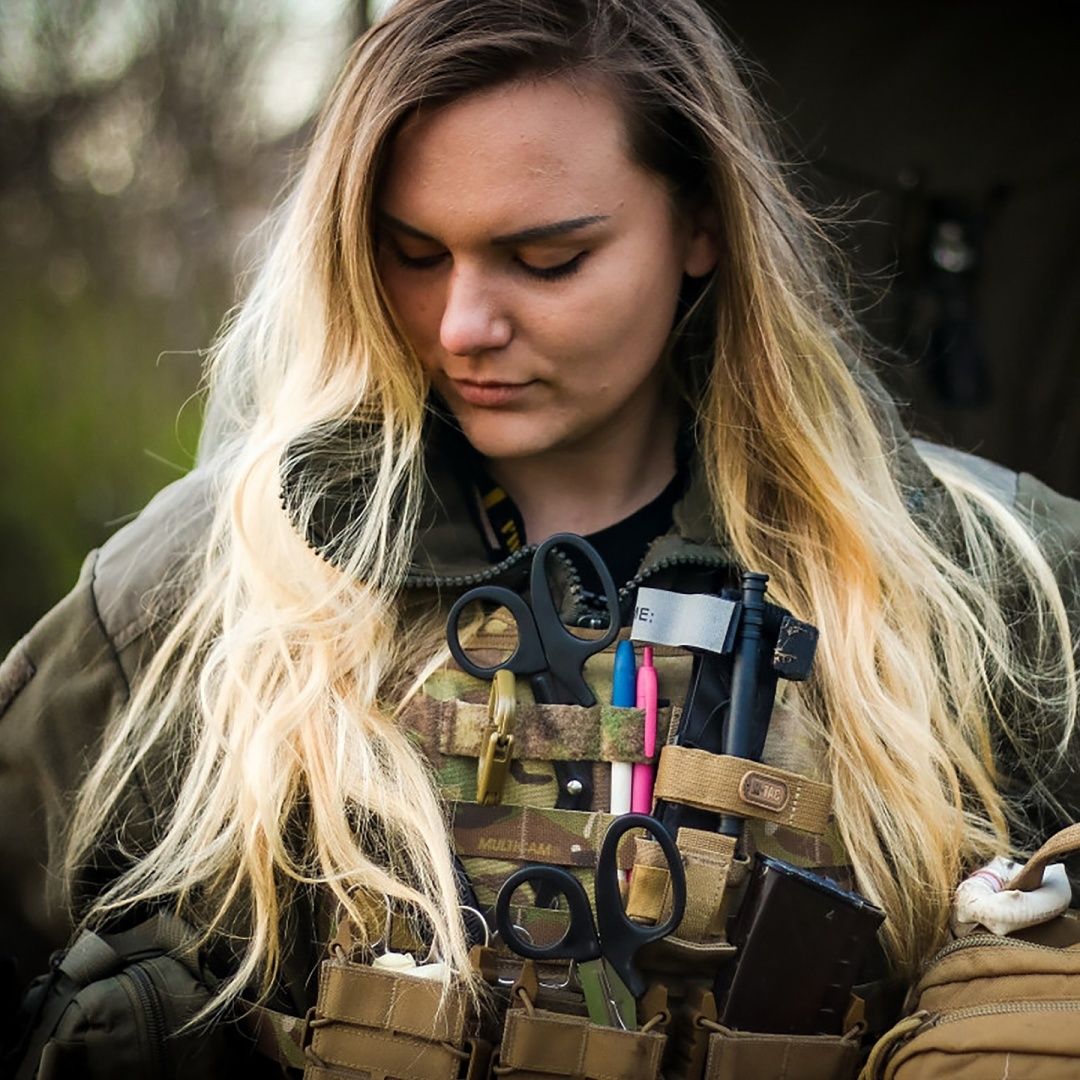
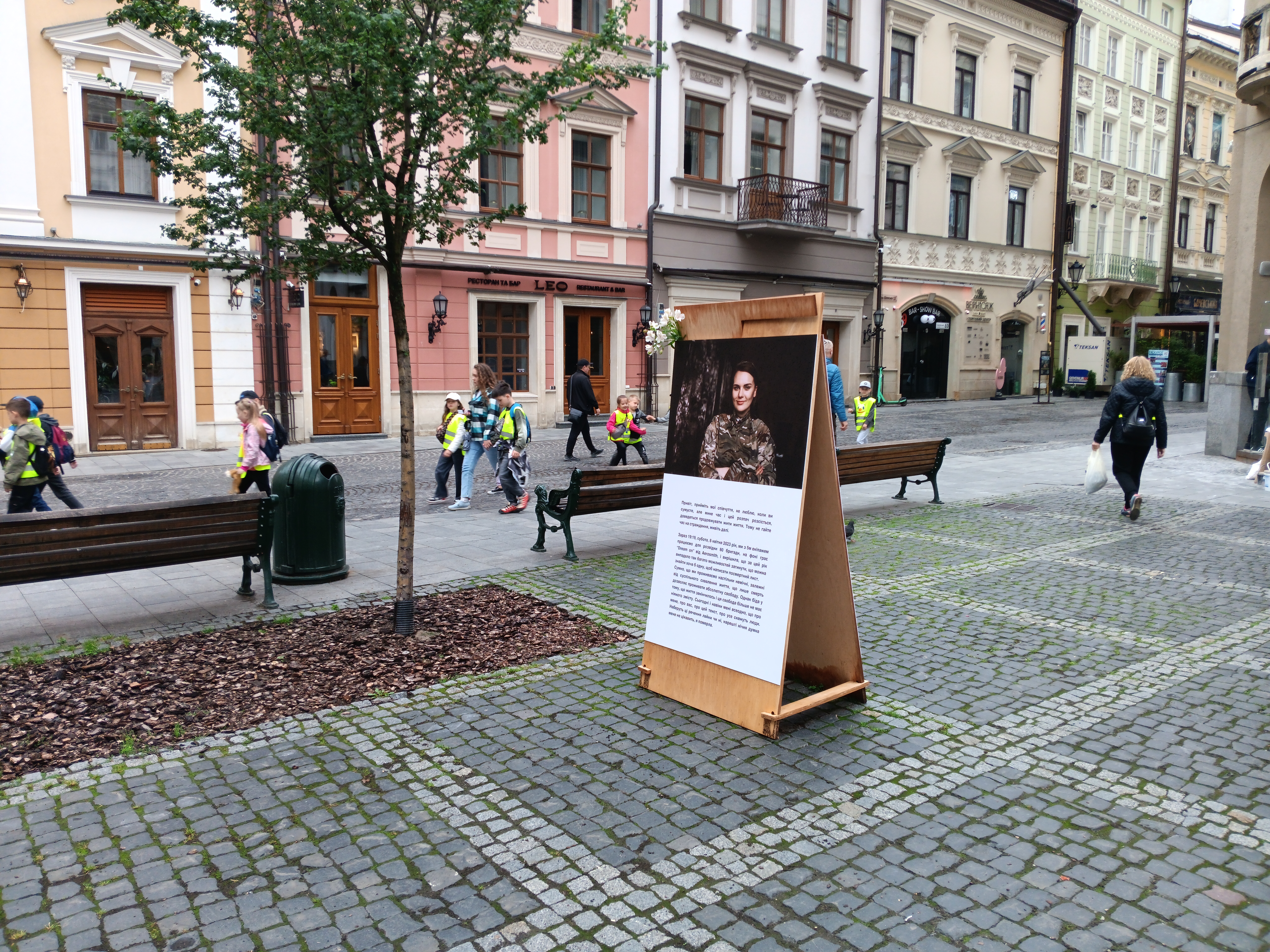
The war and terror forced by Russia onto Ukraine presents itself on main squares in central Lviv as well. One prominent public space that I passed every day included about 16 poster boards of 25-year old combat medic Iryna Tsybukh whom Russian invaders killed near Kharkiv the week before my arrival in Lviv. And every days I saw school children, shoppers, workers, and tourists passing this place dedicated to a brave local women. A year before her burial at Lychakiv Cemetery she wrote to her younger brother describing her wishes in case of her death
I don’t like seeing you mourn, but time and this despair will pass, and we’ll have to continue living life. So don’t waste time suffering; live on.
Iryna Tsybukh (1998-2024)
An equally eloquent obiturary appeared in the New York Times on Aug.-22, 2024. I took the photo of a poster board in Lviv bottom right, the other photos are from her Instagram page and public sources.
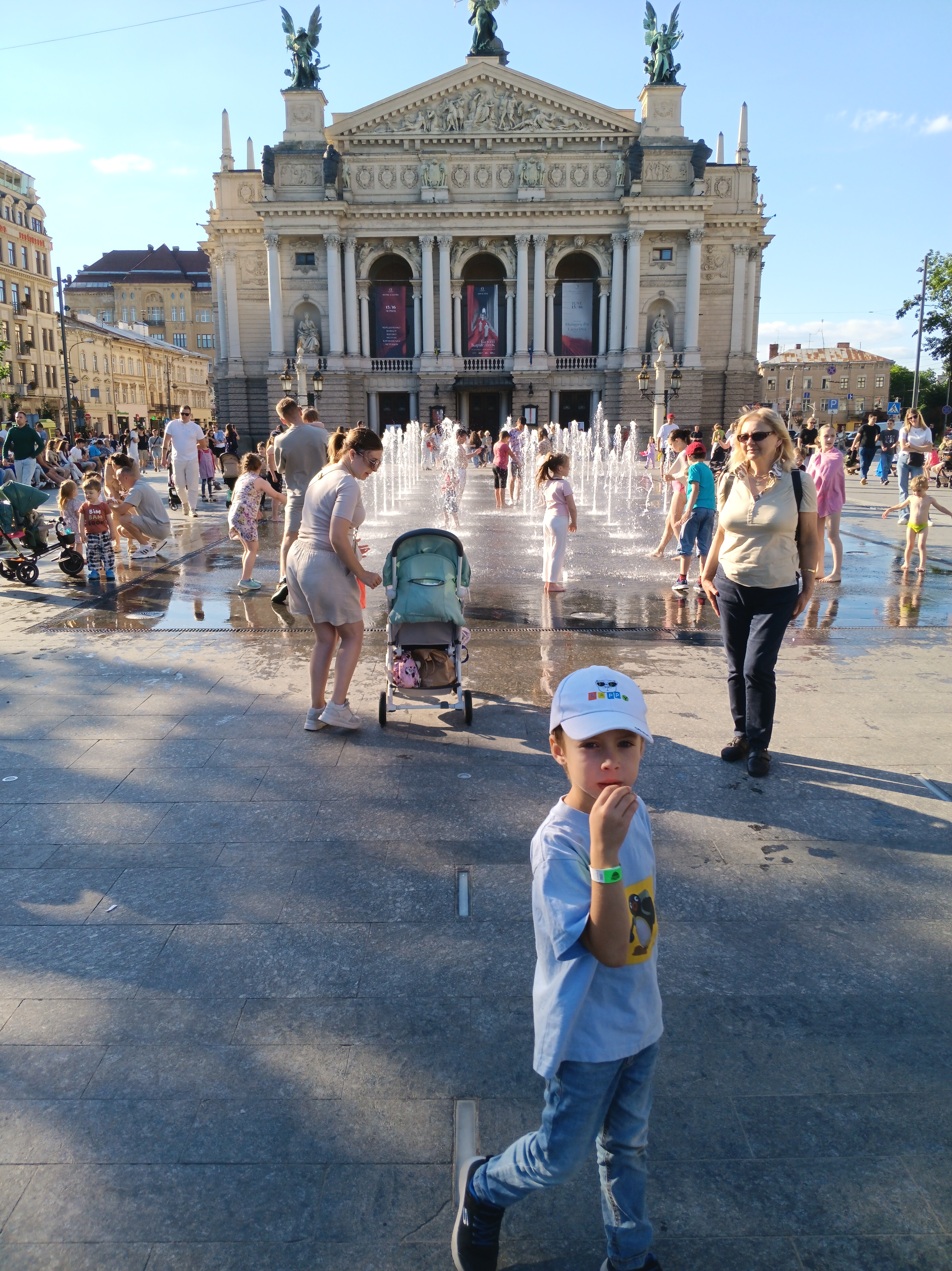
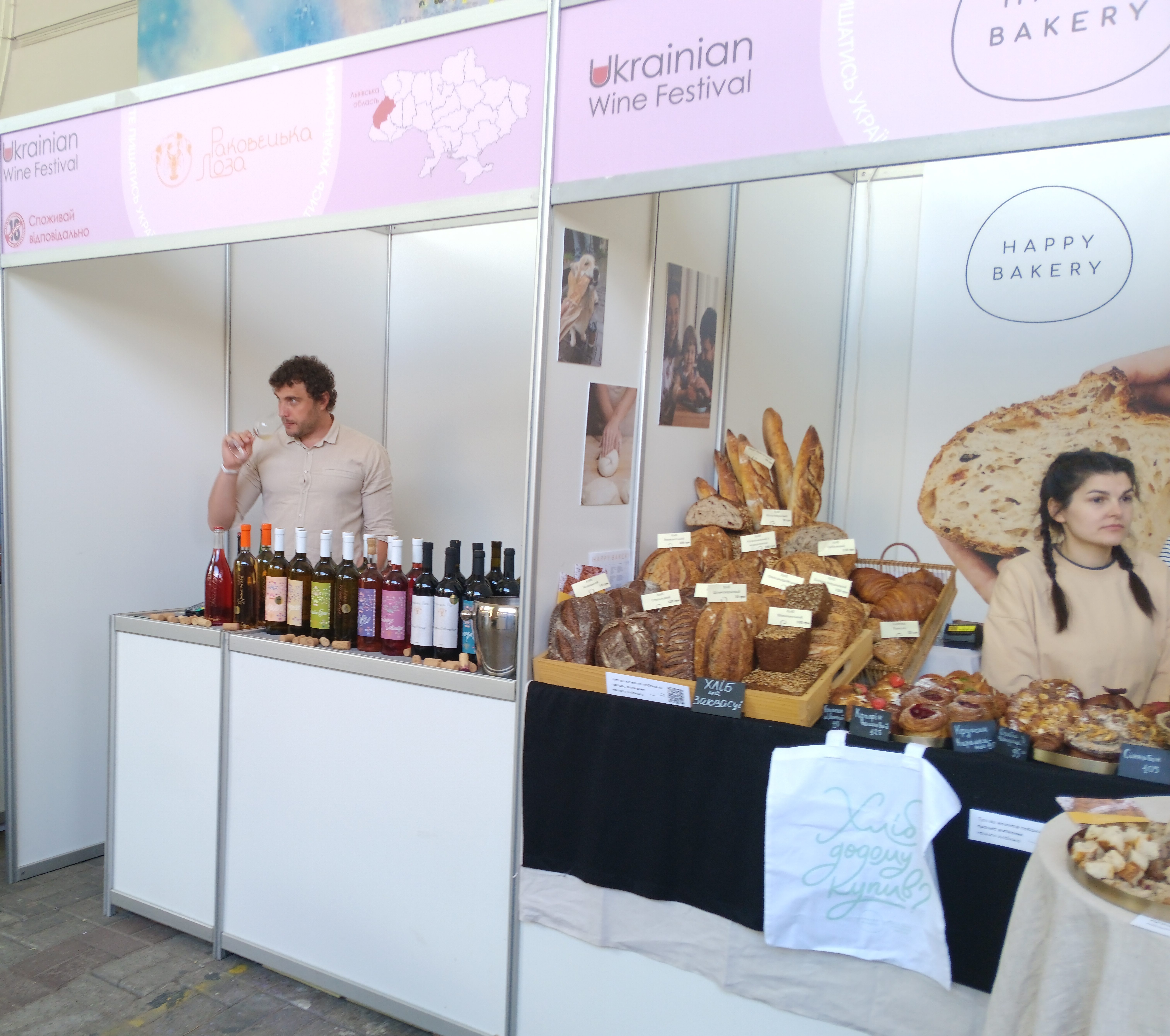
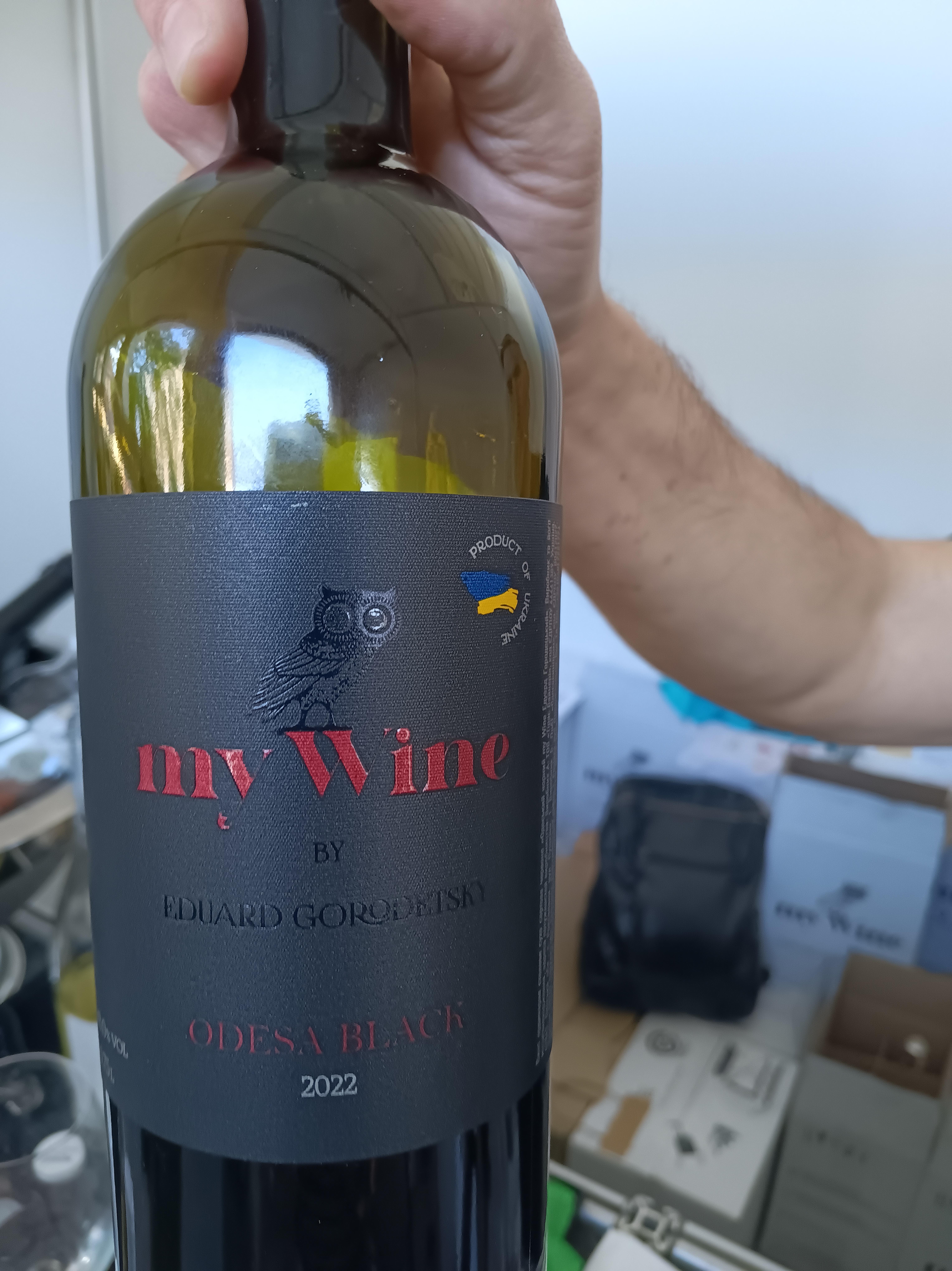
This was my only my second of four day as a tourist in Lviv, but here and then I decided to extend my stay. The public life I saw, the people I met, the food I ate, the art I admired, and the history I smelled at every corner made me extend my stay for another 4 days. There was a concert at the Opera and a Ukrainian Wine Festival on the weekend I did not want to miss. Furthermore, I will travel to Lviv again this summer, but this time I will stay for 2-3 weeks as part of a summer language program of the Ukrainian Catholic University. I met one of its mentors on the bus from Lviv to Krakow in Poland as we both returned from there by train to Germany. I am very excited to meet, converse, eat, and live with young Ukrainian students for 2-3 weeks.
References:
Mick, C., 2011: Incompatible Experiences: Poles, Ukrainians and Jews in lviv under Soviet and German Occupation, 1939-44, Journal of Contemporary History, 46 (2), 336-363.
Snyder, T., 2003a: The causes of the Ukrainian-Polish Ethnic Cleansing 1943, Past & Present, 179, 197-234.
Snyder, T., 2003b: The Reconstruction of Nations – Poland Ukraine, Lithuania, Belarus 1569-1999. Yale University Press, New Haven, CT, 367 pp.
Snyder, T., 2010: Bloodlands – Europe between Hitler and Stalin, Basic Books, New York, NY, 524 pp.
Zhurzhhenko, T., 2013: The border as Pain and Memory – Commemorating the Polish-Ukrainian Conflict of 1918-1919 in Lviv and Przemysl, Nationalities Papers: The Journal of Nationalism and Ethnicity, DOI:10.1080/00905992.2013.801416.



 Icy Seas